What Is the Difference Between Surface Rust and Rot?
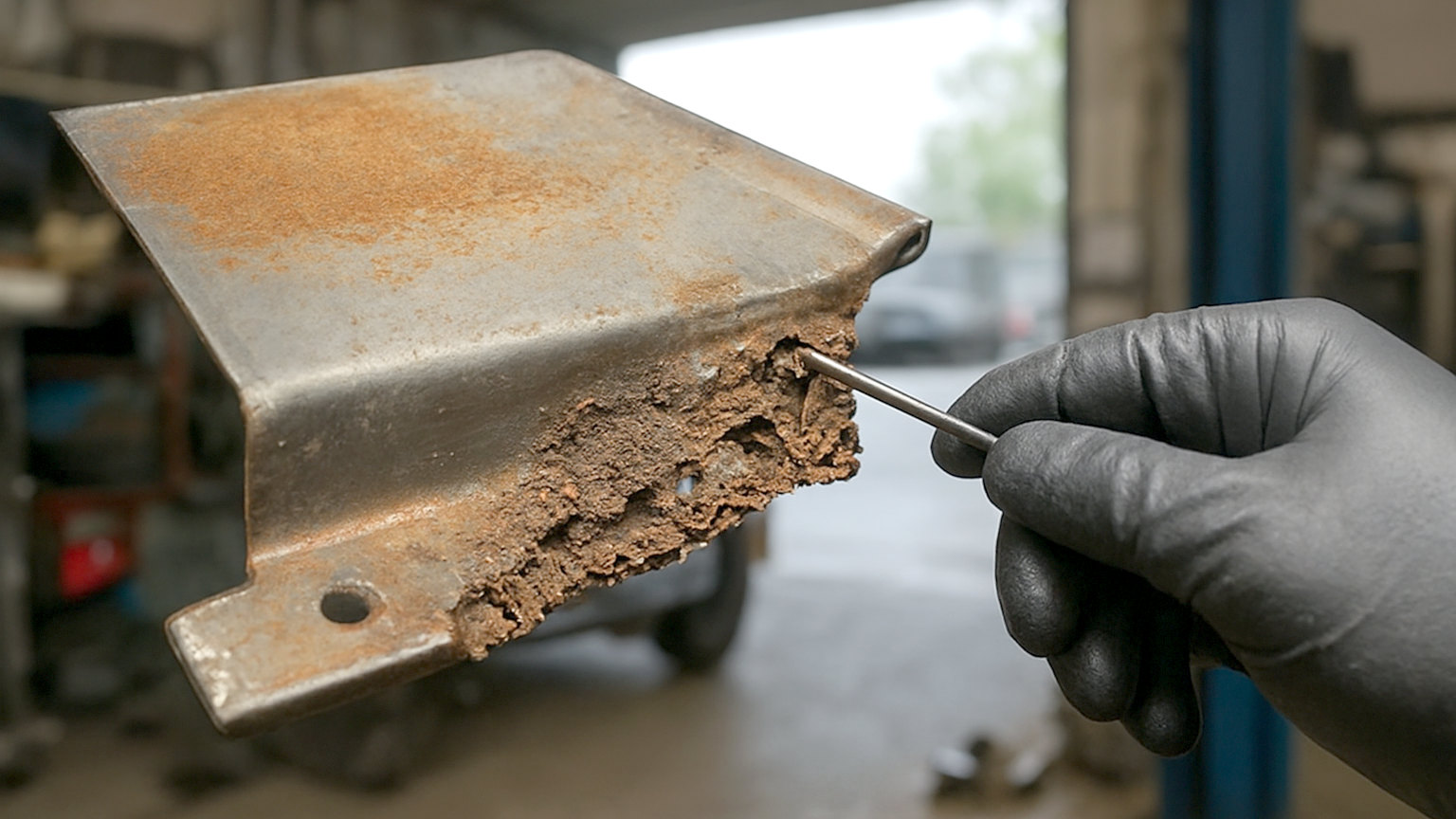
Surface rust sits on sound metal and rot has consumed it, and the tapping test tells you which within seconds.
By Car Problems Team
1 Mar 2026

The faults in this section rarely stop the car, which is exactly why they get ignored until they are expensive. A damp footwell is a blocked drain today and a corroded loom in a year; a heater blowing cold in January is sometimes a stuck thermostat and sometimes the first sign of a cooling system losing coolant. These guides cover the cabin and the bodywork - heating and air conditioning, windows, doors and locks, water leaks, the screen and speakers, and rust - with the cheap checks first and the honest answer on what is worth repairing.
Surface rust sits on sound metal and rot has consumed it, and the tapping test tells you which within seconds.
A sensor that beeps with nothing behind the car is usually blocked, damaged or reporting a fault rather than detecting an obstacle.
Sunroofs are designed to let water past the glass and drain it away, so a leak is nearly always a blocked tube rather than a failed seal.
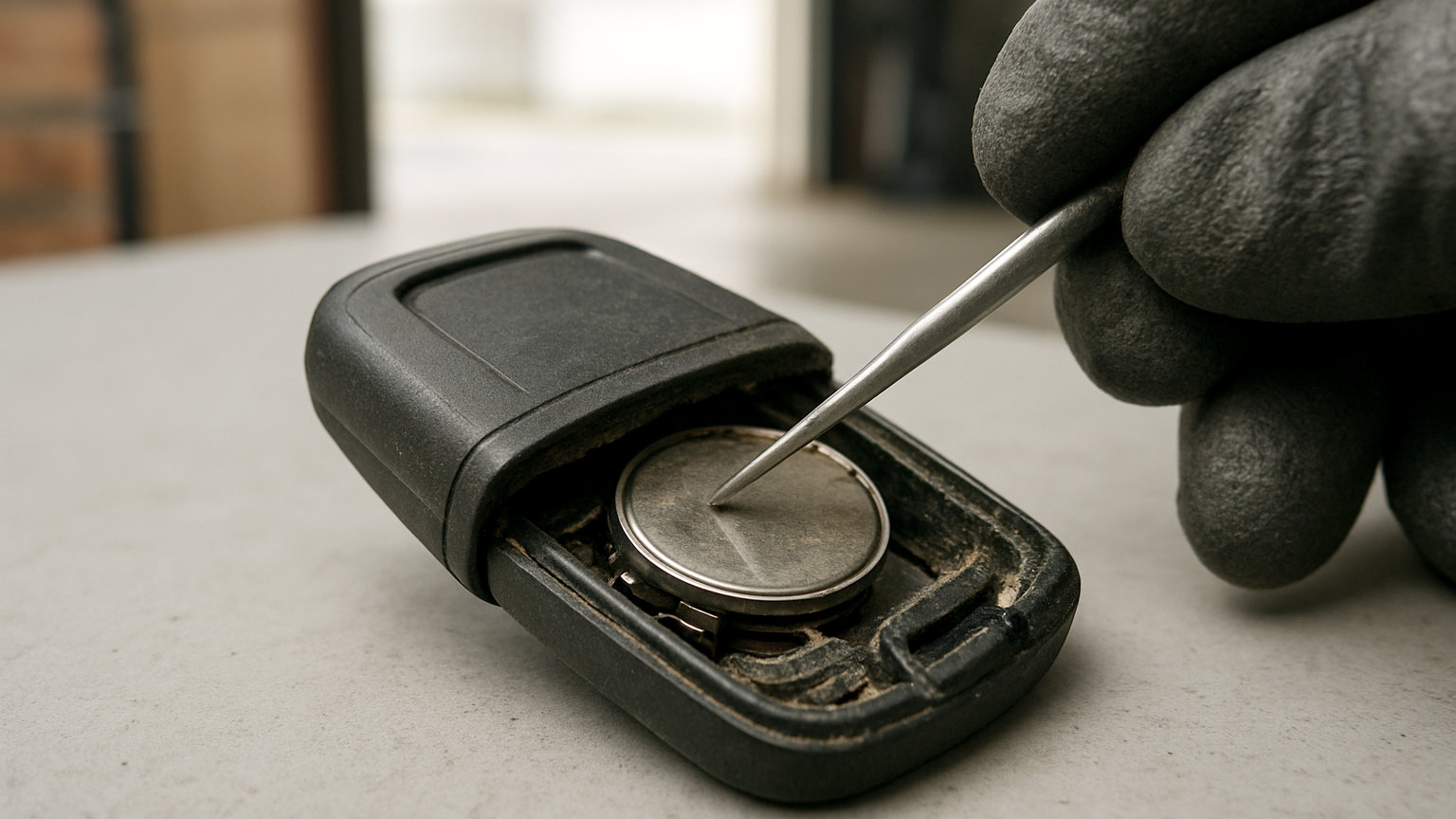
It is a five minute job with a coin cell and a small screwdriver, and the main risks are the wrong battery and a broken case.
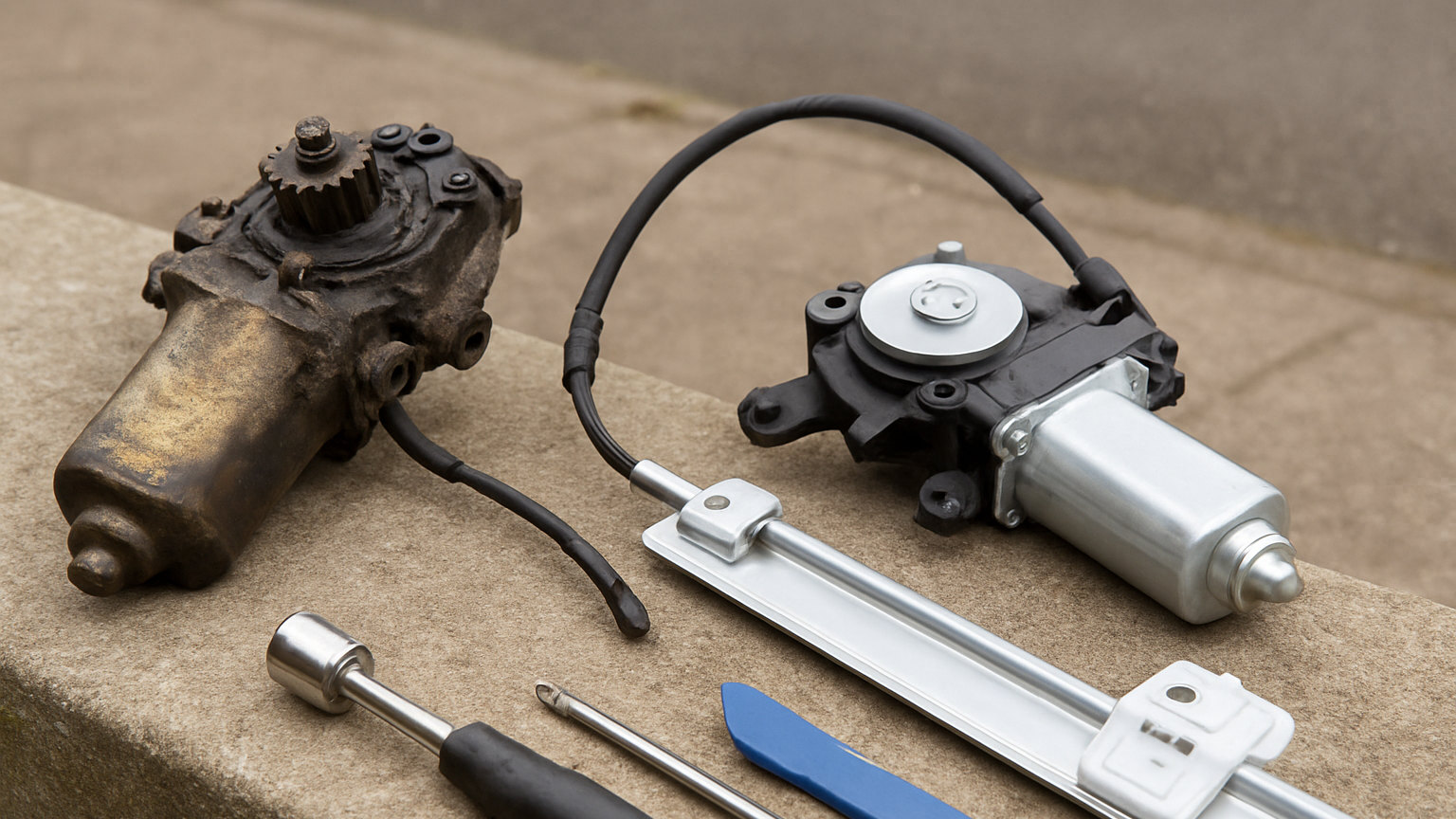
A window that has become slow or noisy is usually warning you, since regulators rarely fail without becoming laboured first.
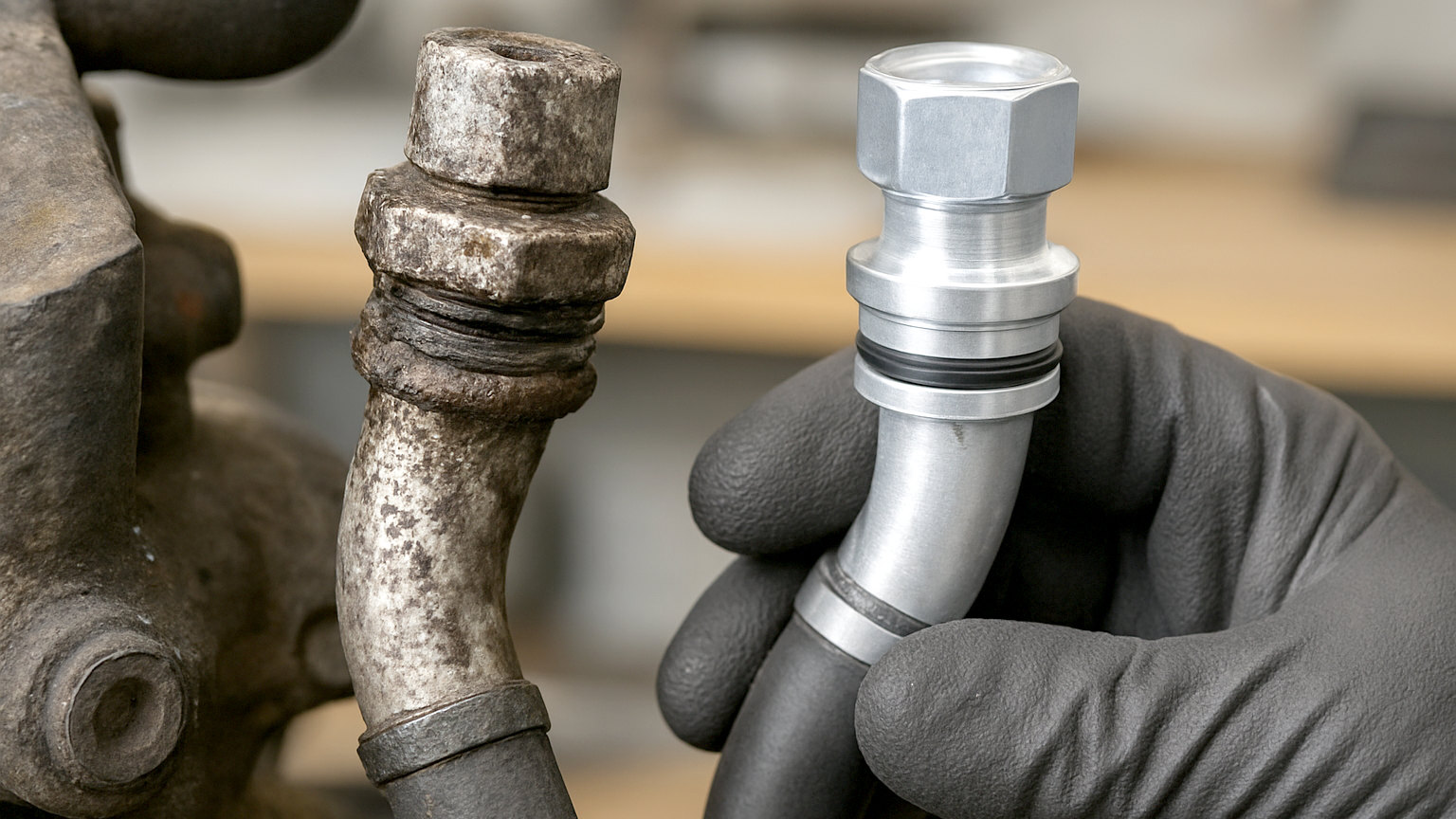
Refrigerant molecules are small enough to permeate through hoses, and everything else that leaks does so at a joint or a corroded component.
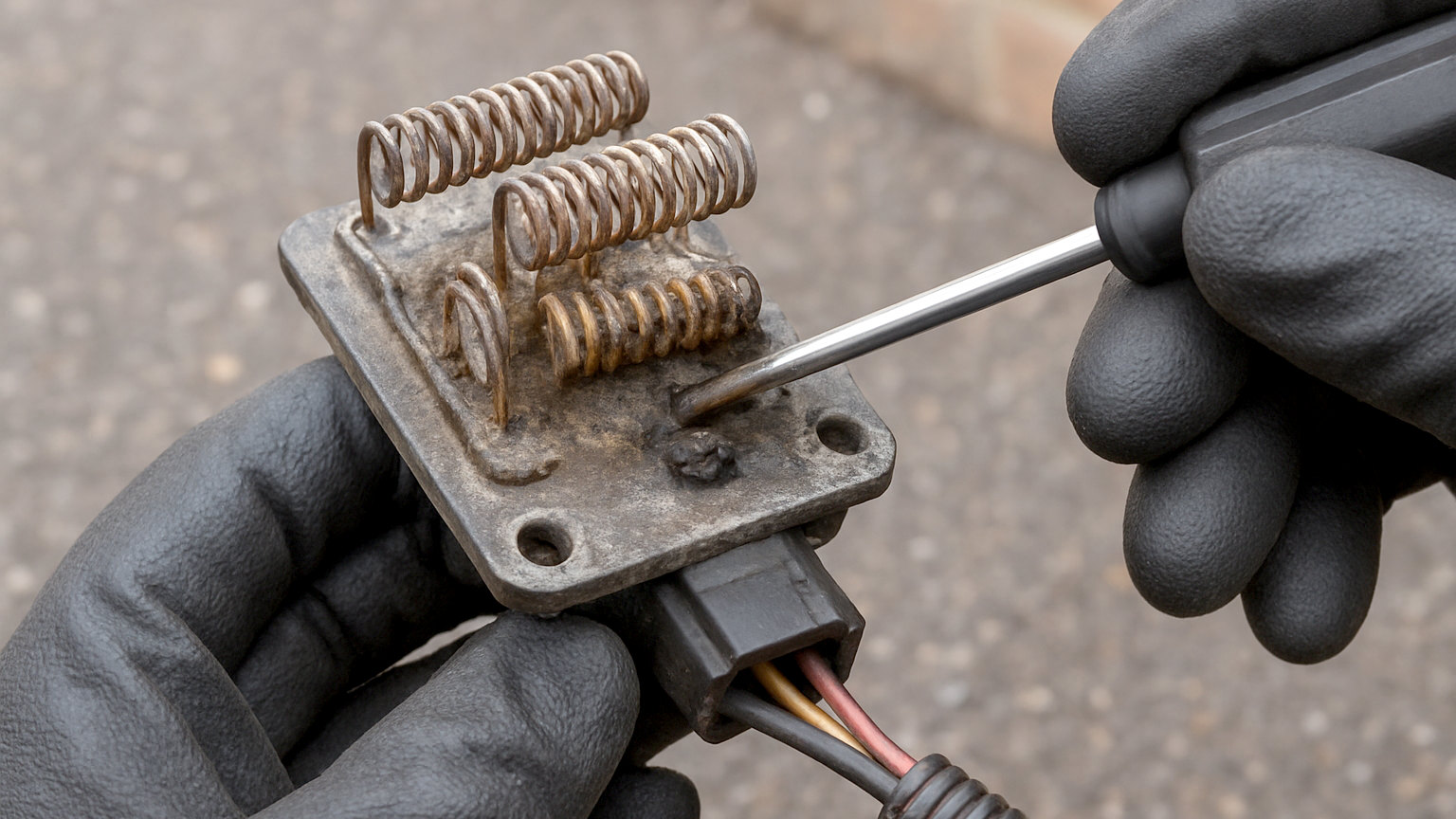
A fan that works only on full is the classic symptom of a failed resistor pack, and it is usually an inexpensive part.
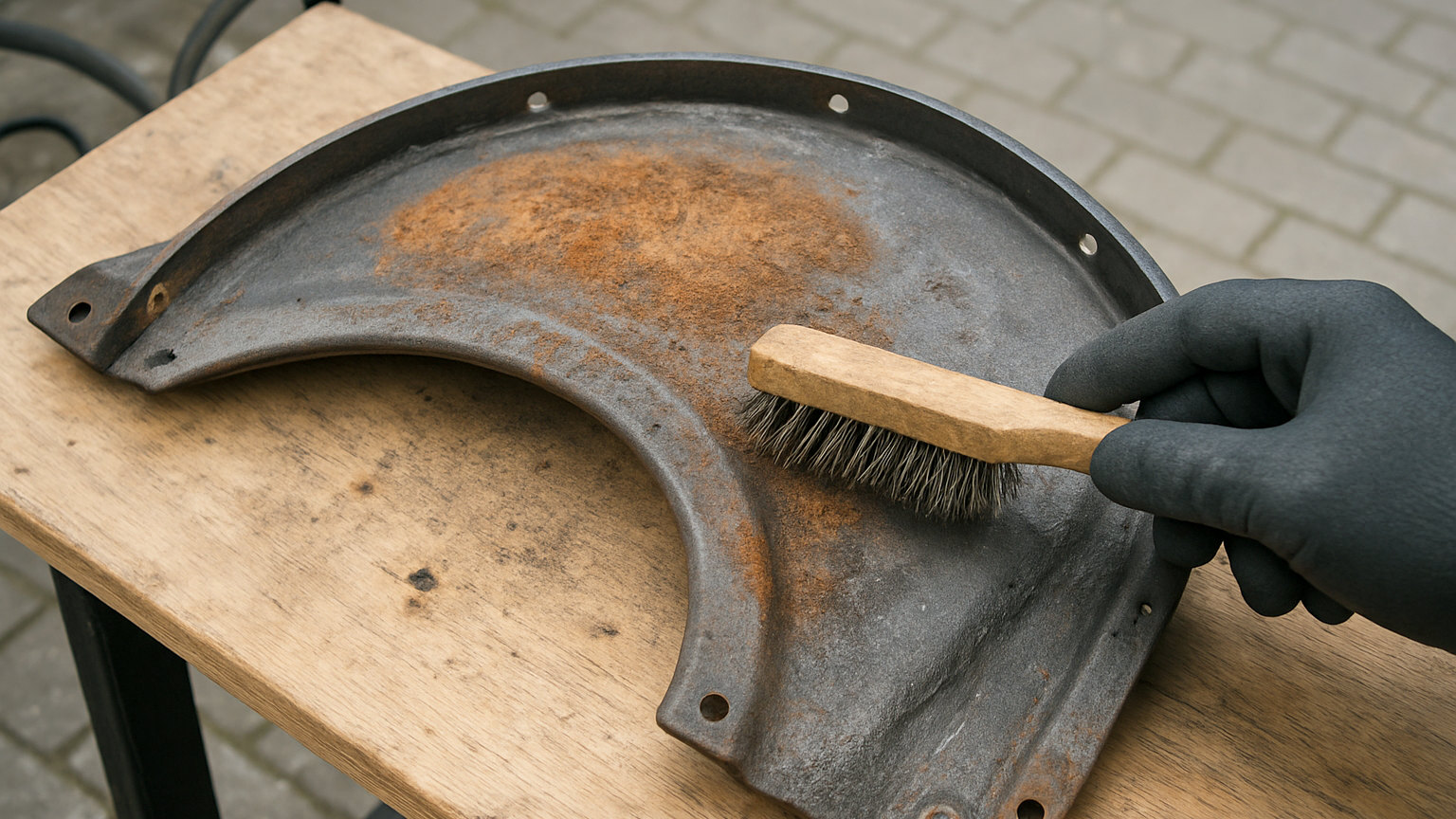
Surface rust on sound metal is entirely treatable with patience, and the preparation matters far more than the paint that goes over it.
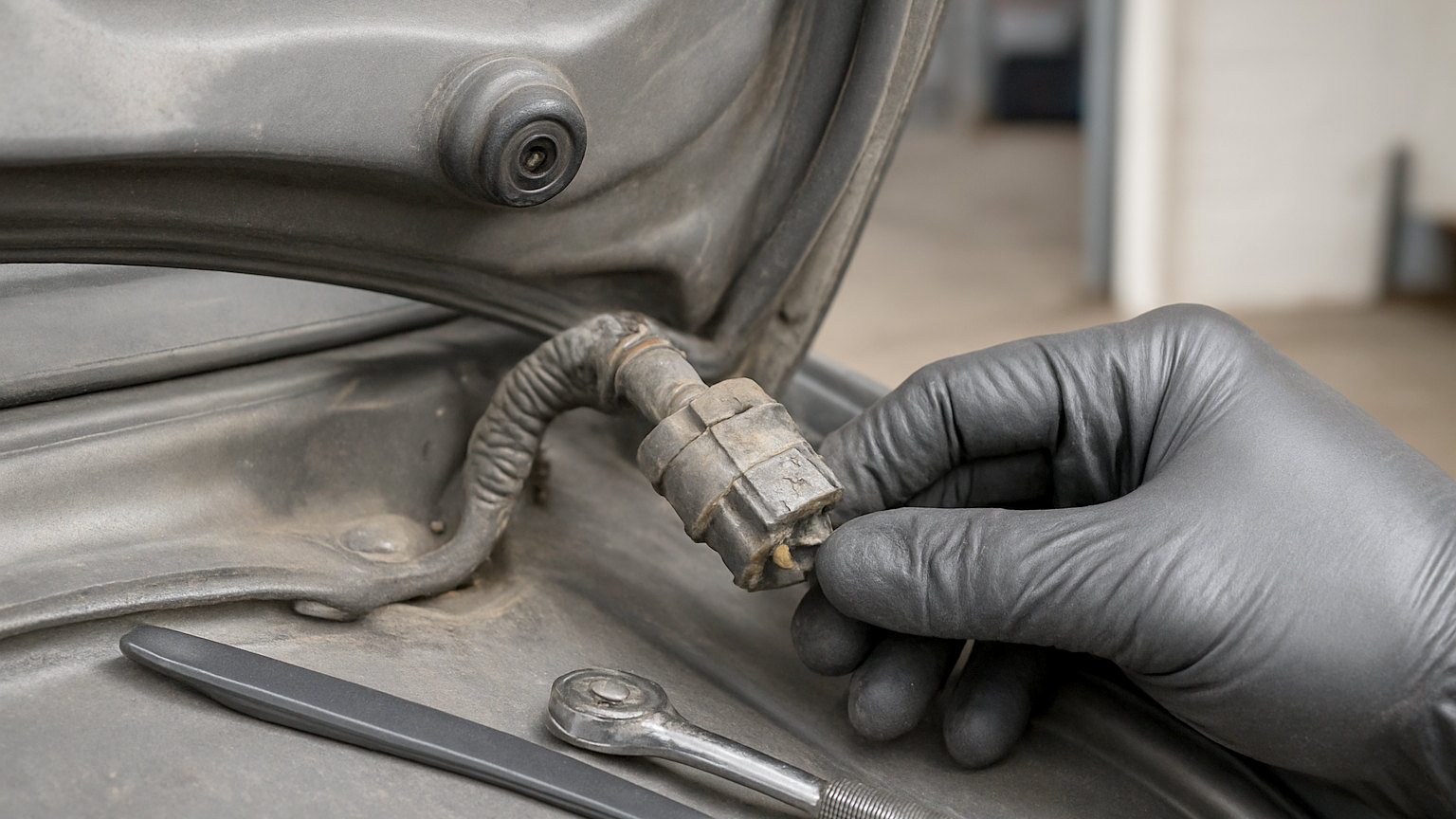
Cameras sit at the back of the car in constant spray, so water ingress and a flexing tailgate loom account for most failures.
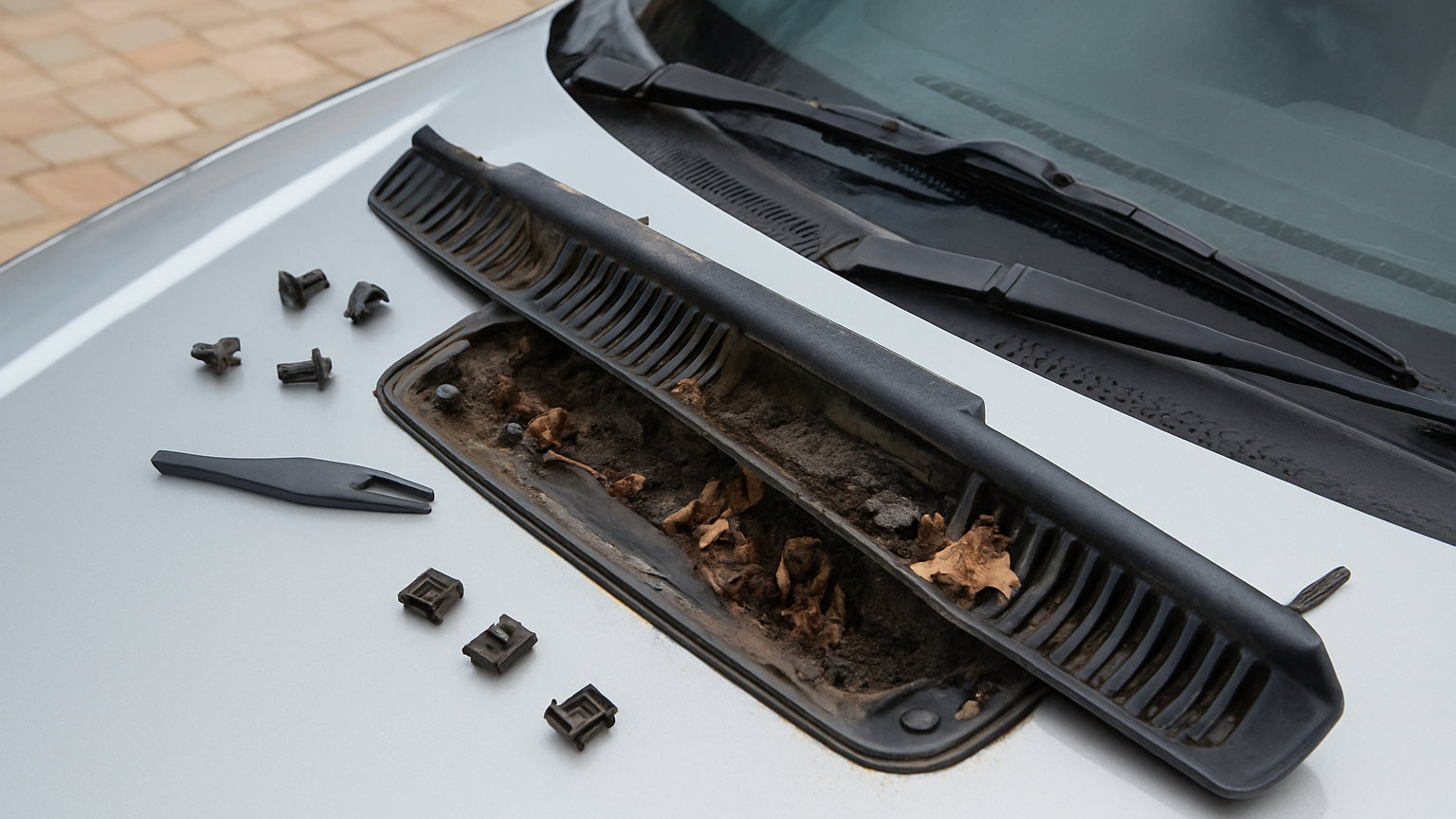
The channel under the windscreen is designed to collect water and lose it, and when it stops draining the water goes indoors instead.