
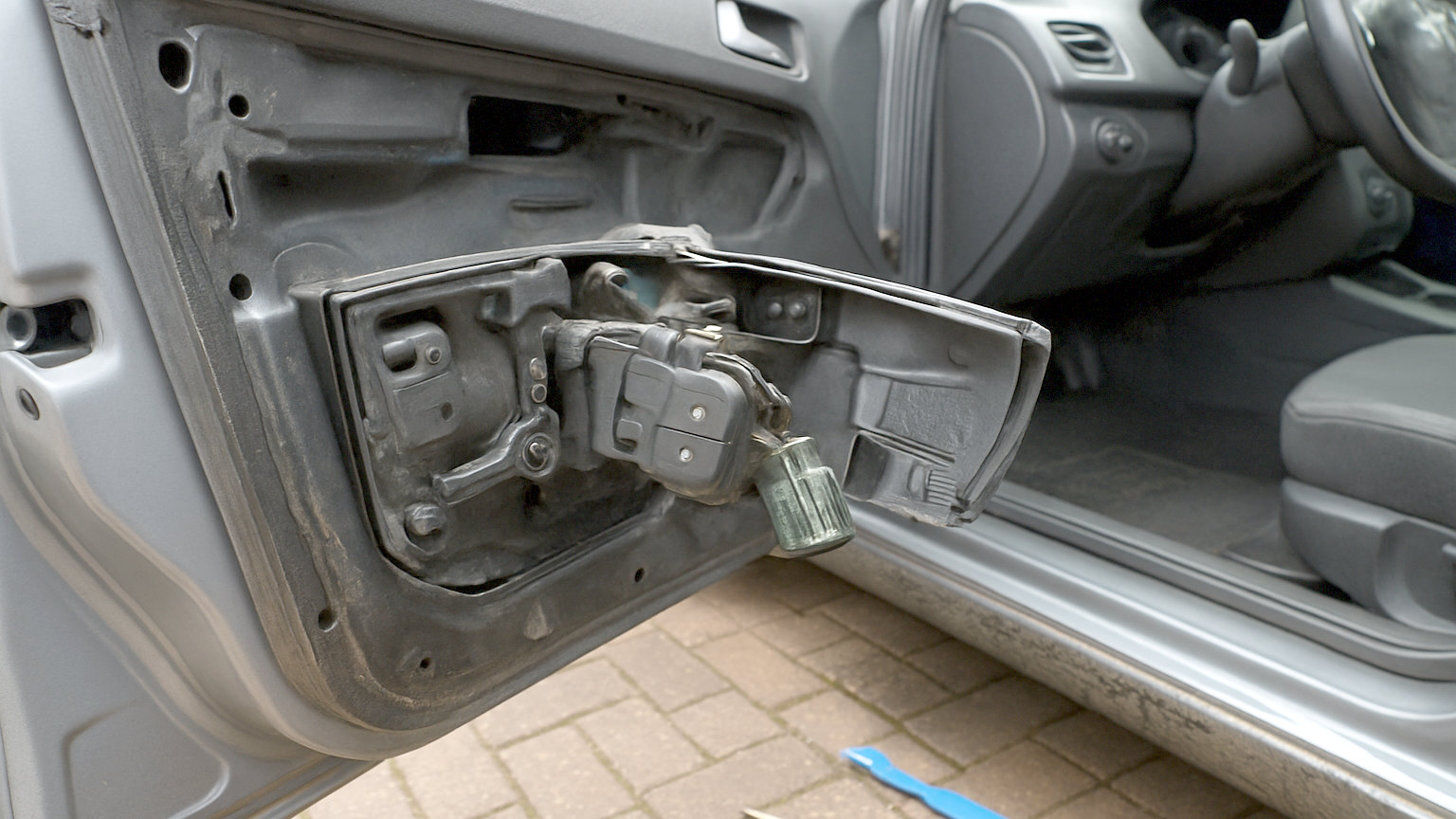
A car that locks or unlocks without being asked is unsettling, and a good deal of the behaviour people report is deliberately designed in rather than faulty. Establishing which category yours falls into is largely a matter of noticing when it happens, since the designed behaviours follow consistent patterns while genuine faults tend to be random.
What is automatic relocking?
A feature on most modern cars where the doors relock a short time after being unlocked if no door has been opened. It exists so that a fob pressed accidentally in a pocket does not leave the car unlocked all night. It is entirely normal, and it explains a car that appears to lock itself in a car park thirty seconds after you unlocked it.
Why does it lock while driving?
Speed sensing locking, which secures the doors once the car passes a set speed. It is a safety and security feature and is usually configurable in the vehicle settings menu. Some cars also unlock automatically when the ignition is switched off or when an airbag deploys, which is a deliberate provision for emergency access.
Could the fob be doing it?
Very frequently, and it is the most common genuine cause. A fob in a pocket or a bag with the buttons pressed against keys or a phone will transmit repeatedly. Worn rubber buttons make this worse, since they need less pressure to operate. A fob left near the car indoors can also unlock it if it is within range of the receiver.
What about keyless systems?
They are more prone to apparent phantom behaviour, since the car is constantly looking for the fob. A fob left near a door or a window, or in a hallway close to the driveway, can be detected intermittently as conditions change. Storing keys well away from the car, ideally in a signal blocking pouch, resolves it and improves security.
Can water cause it?
Certainly. Moisture reaching a door module, a body control module or a switch produces random signals, and locking is one of the more visible consequences. A car that started behaving oddly after heavy rain or a car wash, particularly with damp carpets, is worth investigating for a leak before anything electrical is replaced.
What if it unlocks itself overnight?
That deserves proper attention, since it is a security matter. Possible causes include a faulty latch switch reporting a door as open, a failing module, a sticking button in a fob left nearby, or a lock actuator failing in a way that releases the mechanism. Fault codes from the body module usually narrow it considerably.
Is the alarm connected?
Often, and a car with a random locking fault frequently has alarm symptoms too, since both depend on the same door switches and modules. An alarm that sounds without provocation points strongly at a latch switch or a bonnet switch that is reporting incorrectly, and that is worth checking before assuming a module has failed.
What should you do about it?
Establish whether it follows a pattern, which usually identifies a designed feature. Check the fob buttons for wear and try keeping it separate from other items. Look for damp carpets or a wet module. And have the body control module scanned for codes, since a genuine fault will normally have recorded something useful.
Is it a security risk?
A car that locks itself unnecessarily is not, and one that unlocks itself certainly is. If the car has been found unlocked in the morning more than once, treat it as urgent rather than curious, and in the meantime remove anything valuable and consider whether the fob is being detected from indoors.
Parking somewhere overlooked, or blocking the car in with a second vehicle, is a reasonable precaution while the fault is being investigated, and a steering lock adds a visible deterrent for very little money while the underlying cause is being found and put right.


