Why Does My Heater Take So Long to Warm Up?
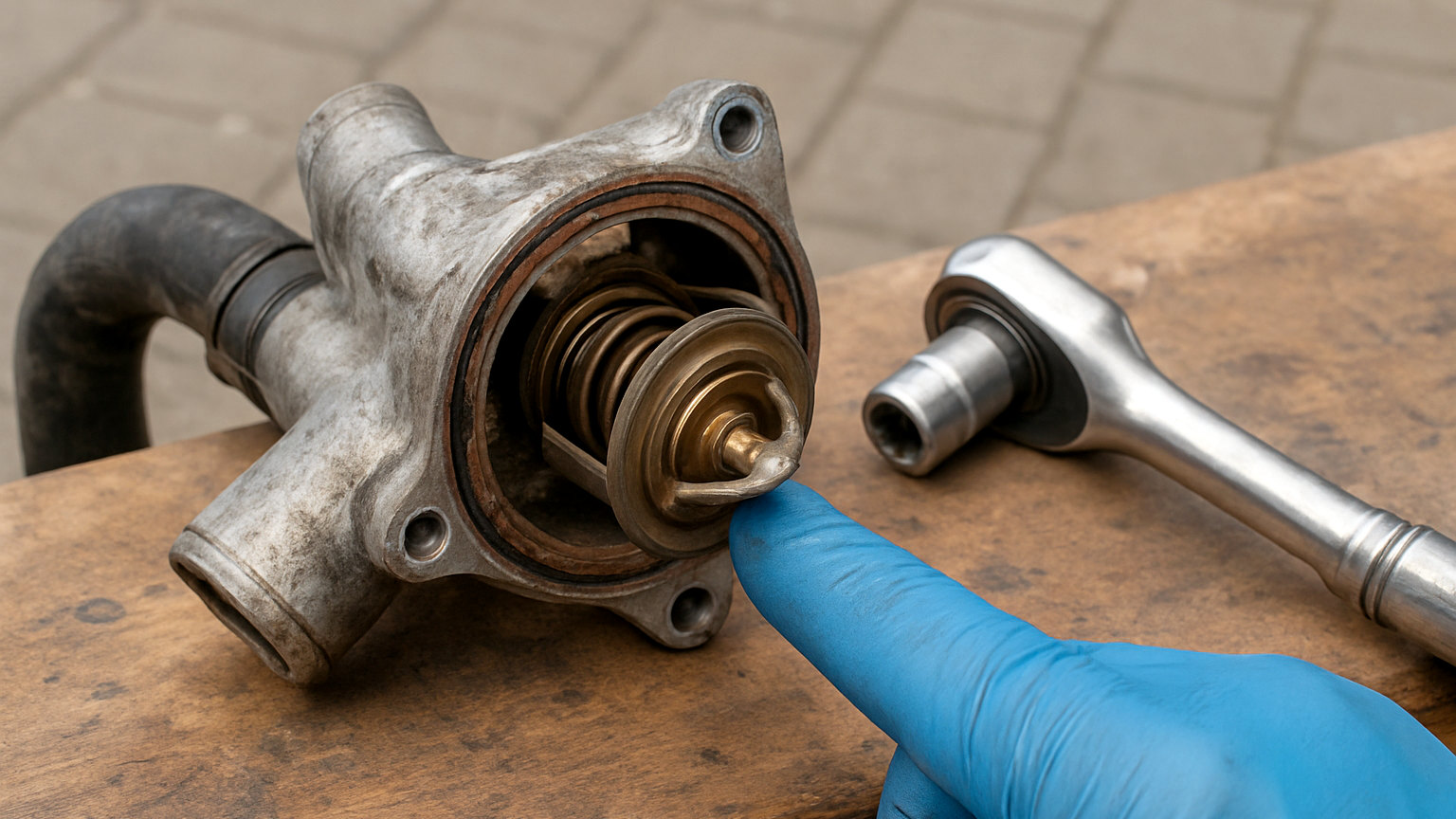
Modern engines are efficient enough to produce little waste heat, so slow warm up is often normal rather than a fault.
By Car Problems Team
20 Apr 2026

The faults in this section rarely stop the car, which is exactly why they get ignored until they are expensive. A damp footwell is a blocked drain today and a corroded loom in a year; a heater blowing cold in January is sometimes a stuck thermostat and sometimes the first sign of a cooling system losing coolant. These guides cover the cabin and the bodywork - heating and air conditioning, windows, doors and locks, water leaks, the screen and speakers, and rust - with the cheap checks first and the honest answer on what is worth repairing.
Modern engines are efficient enough to produce little waste heat, so slow warm up is often normal rather than a fault.
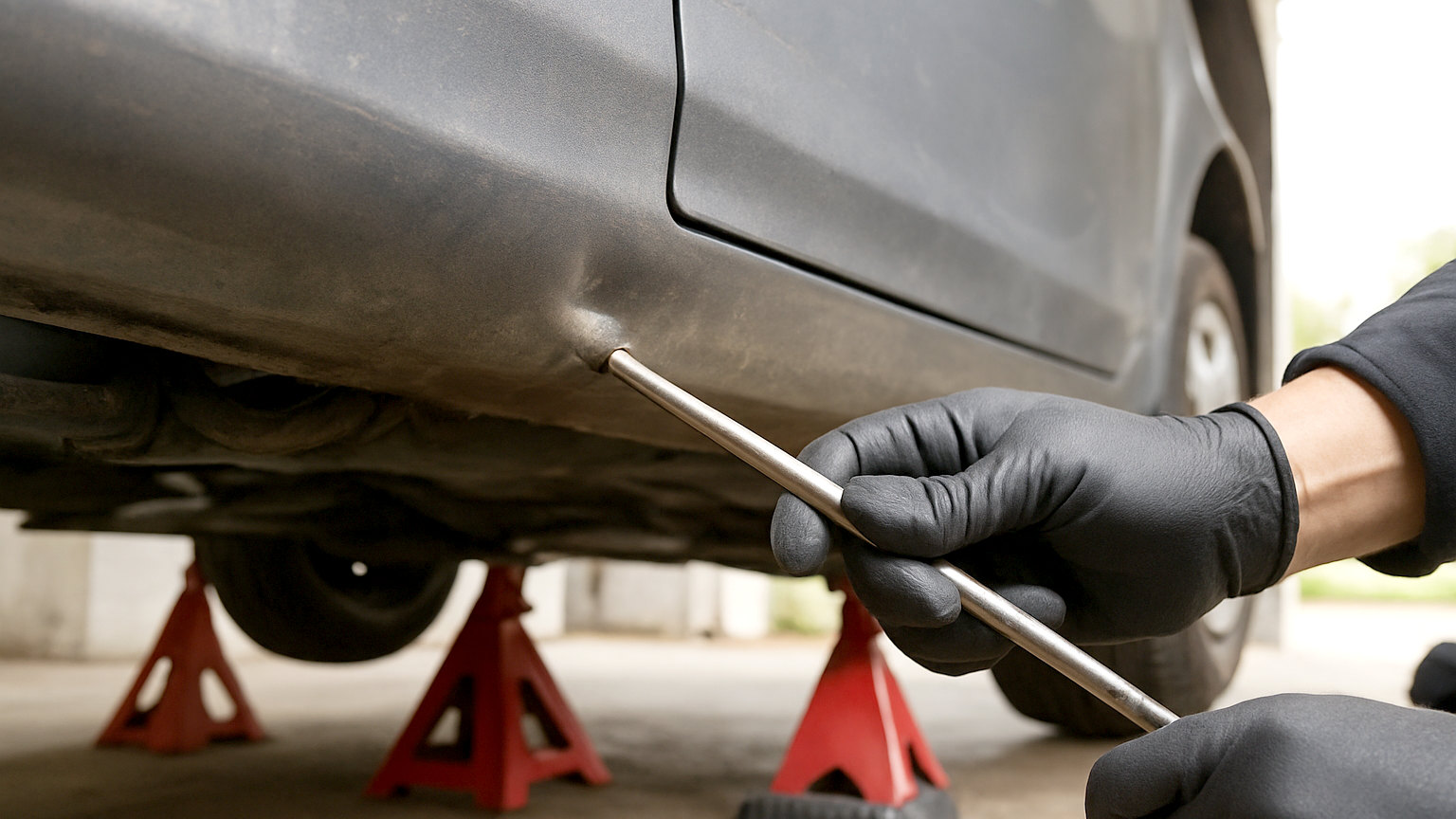
A scratch that has not reached the primer can often be polished out, and a dent with intact paint is a candidate for paintless removal.
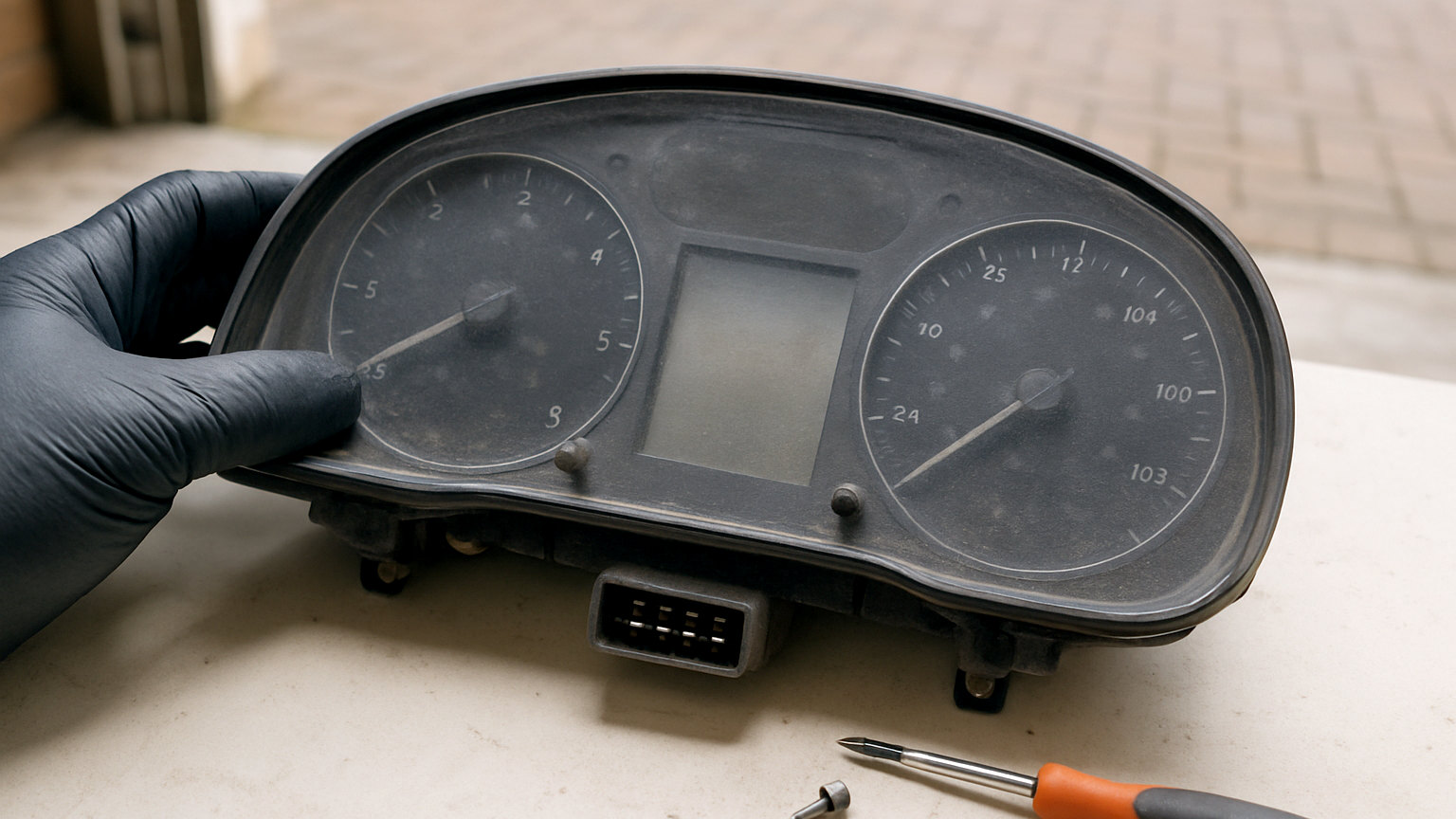
A display that flickers with the engine running is often reporting the charging system rather than the instrument cluster.
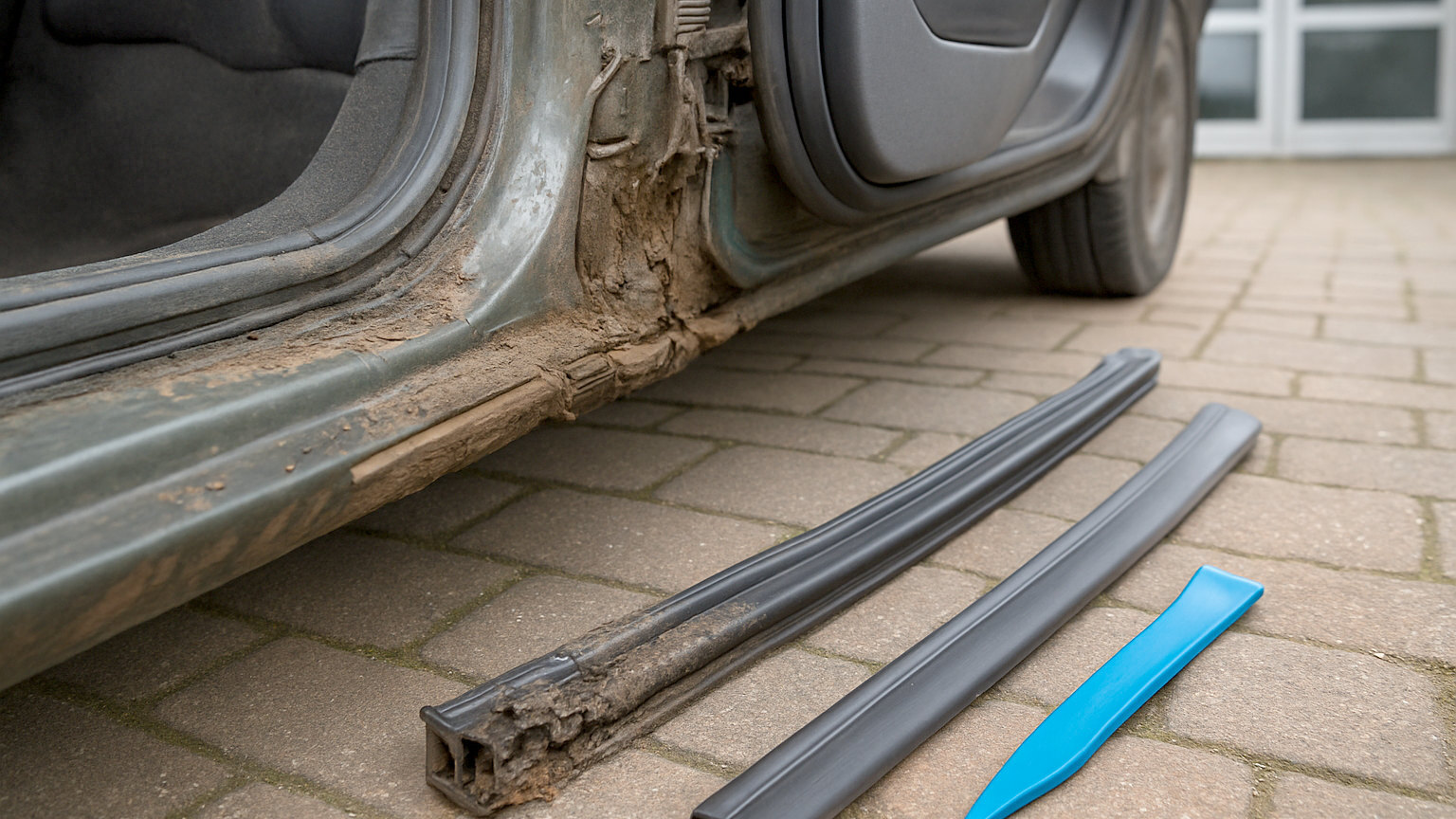
Rubber seals harden, shrink and tear with age, and conditioning them is one of the few genuinely preventative jobs available.
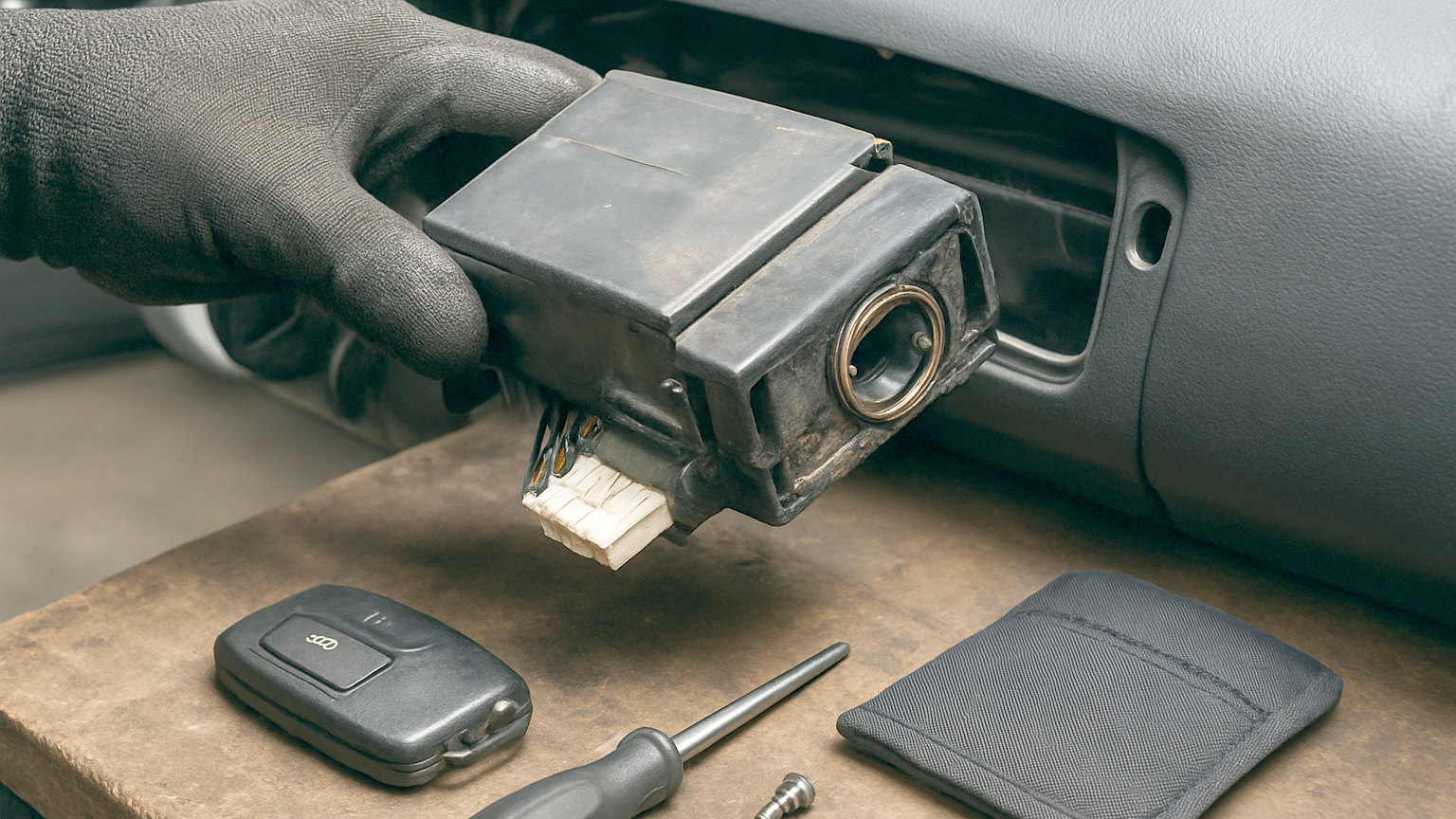
Relay attacks exploit the constant radio conversation between car and fob, and blocking that signal removes the vulnerability entirely.
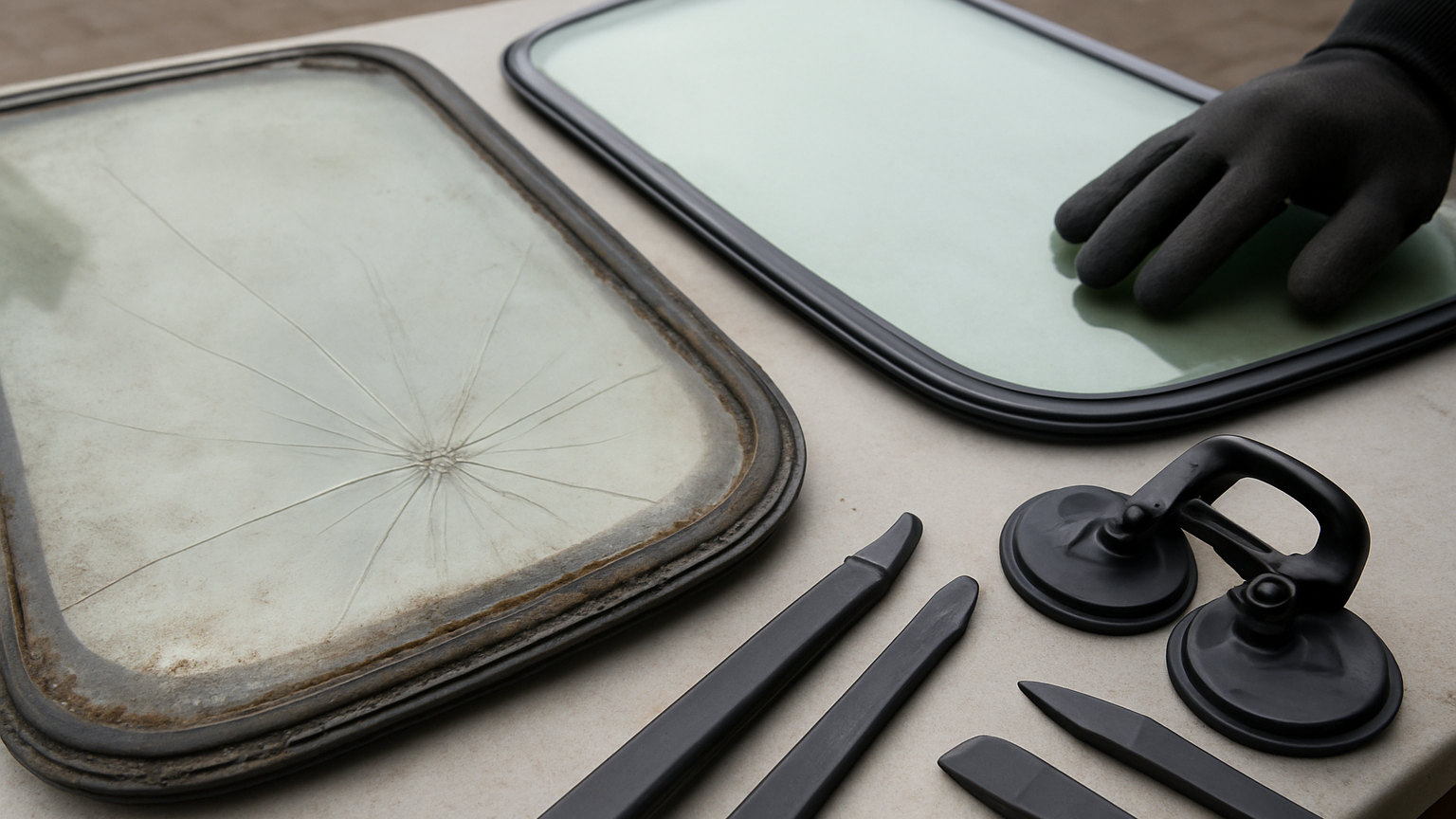
A chip removes the outer layer that carries the stress, and every temperature change and body flex works on what is left.
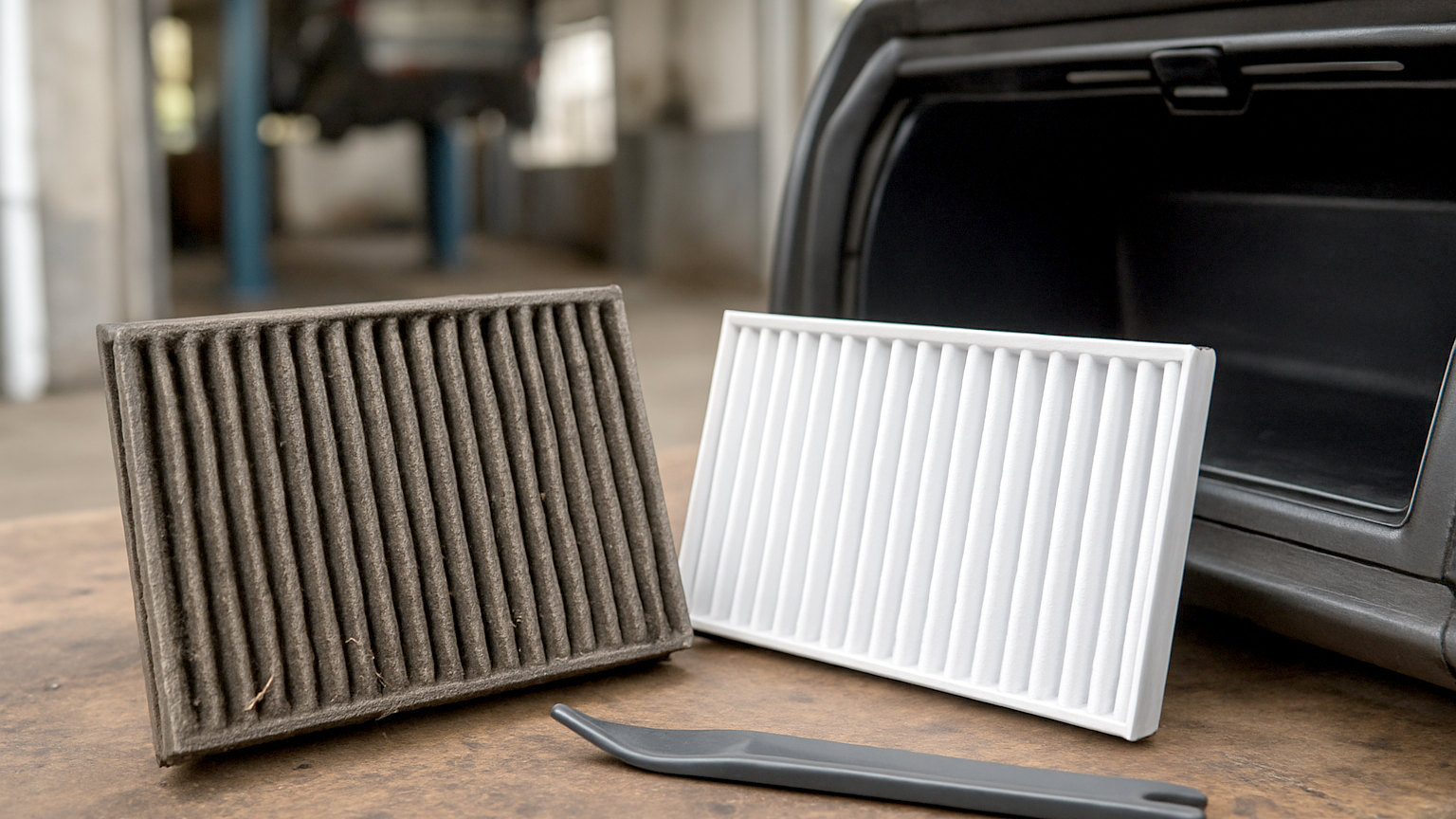
The cabin filter is among the cheapest service items and the most frequently skipped, and it affects far more than air quality.
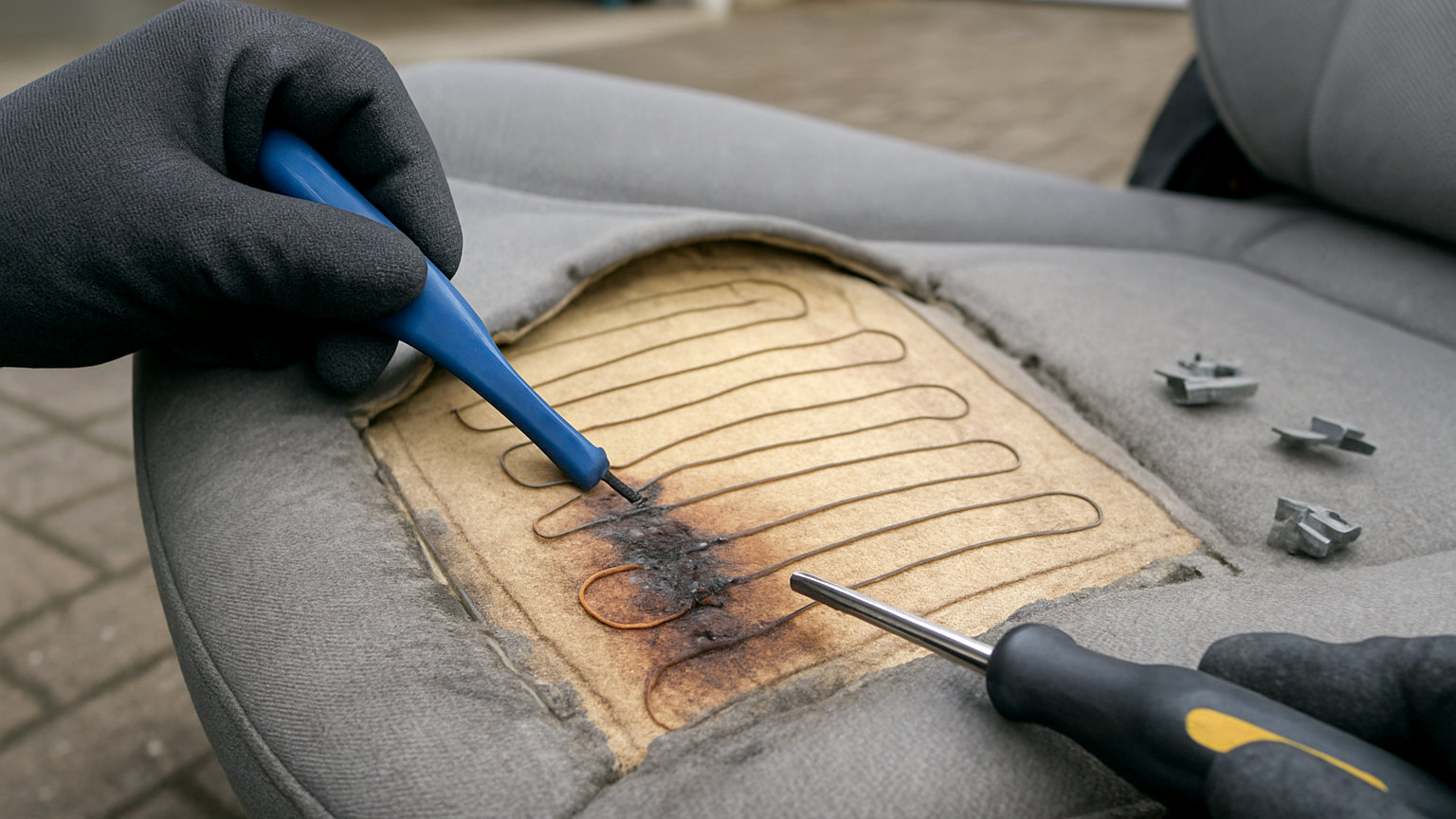
Heated seat elements sit under a surface that flexes every time someone sits down, which is why they eventually break.
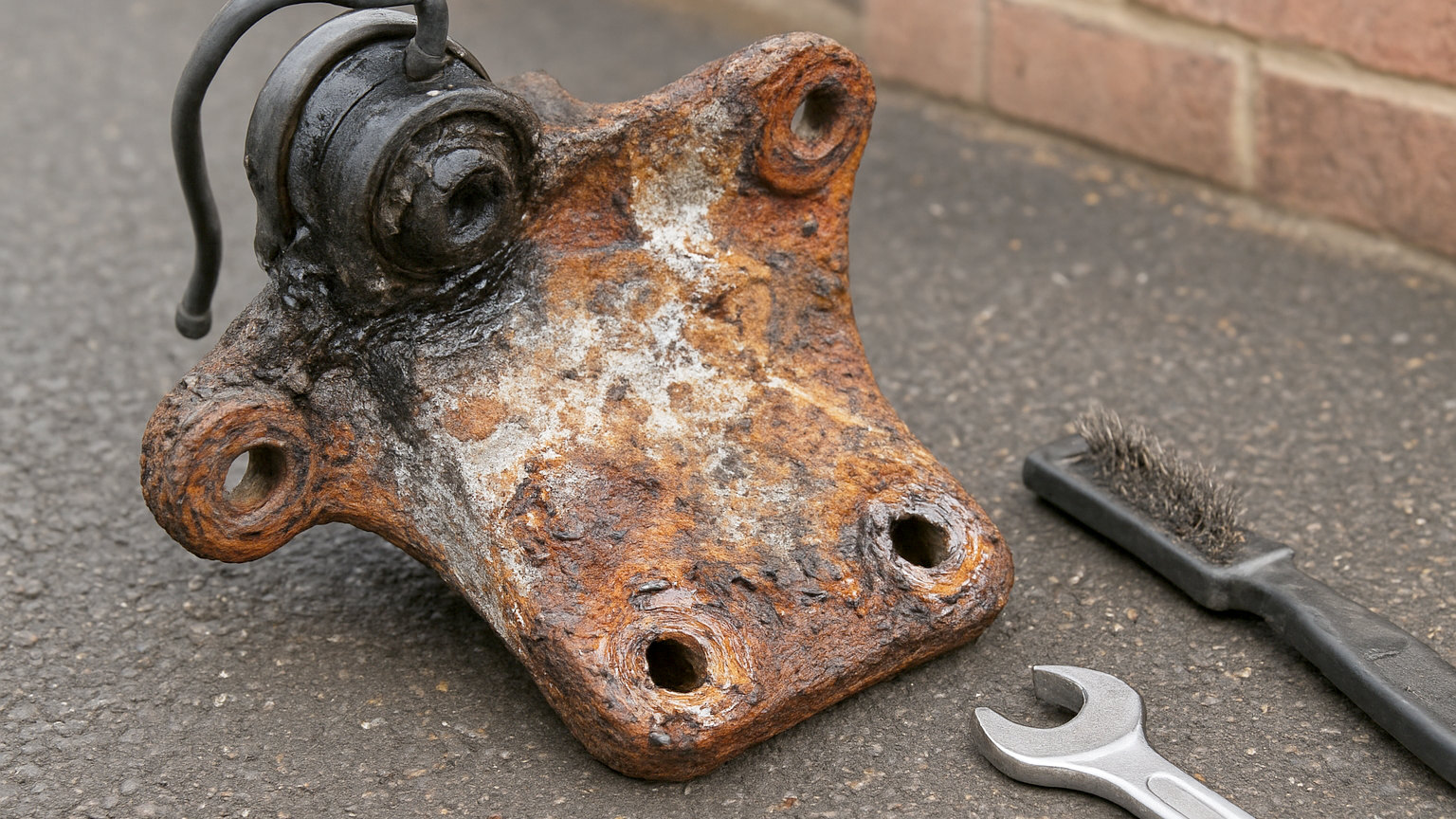
Salt accelerates corrosion dramatically and it stays on the car long after the roads are clear, which is why winter washing matters.
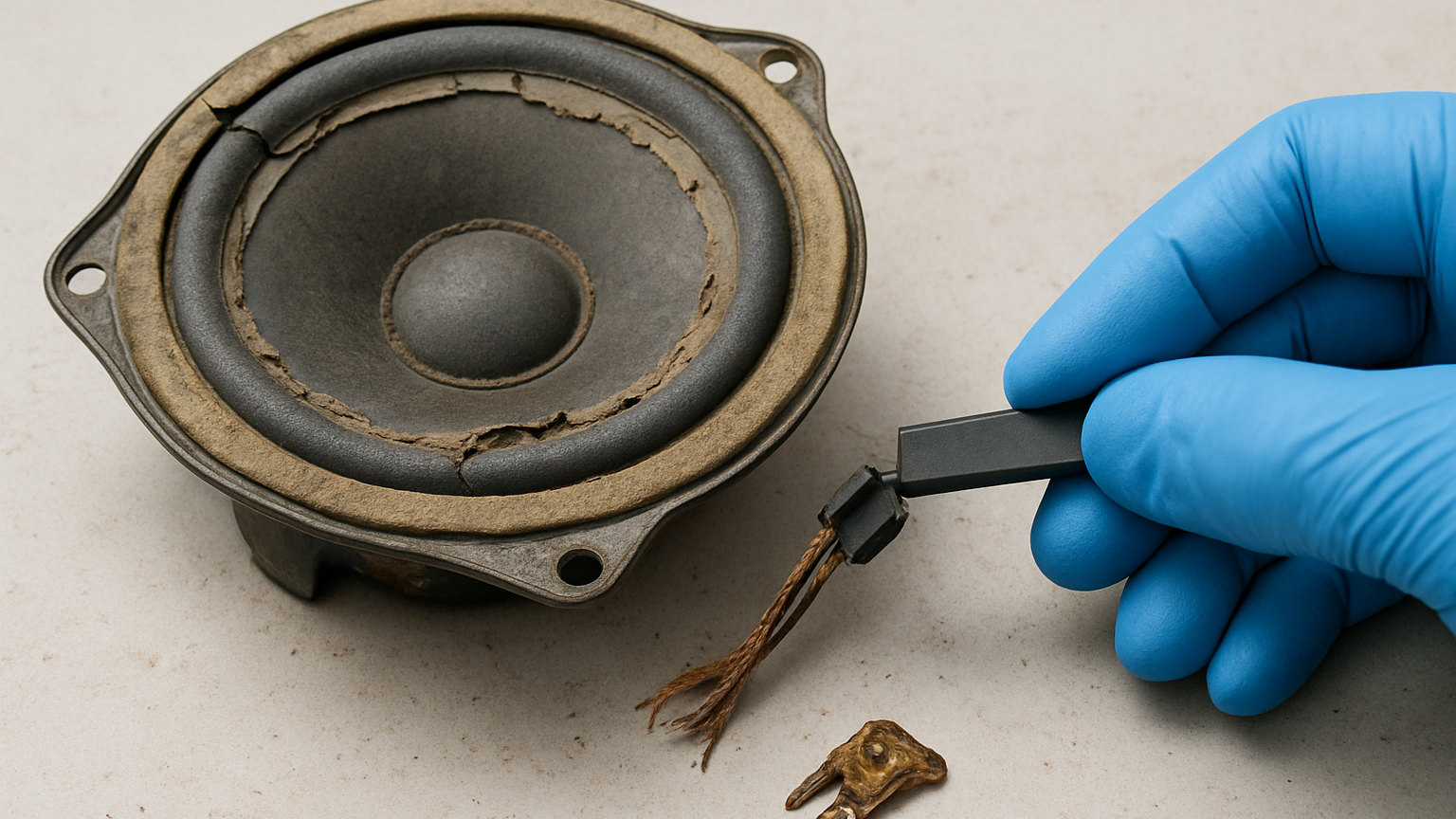
Speakers in doors live in a damp vibrating environment, and the cone surrounds and the door wiring are what usually fail.