Why Does My Car Door Creak or Bang?
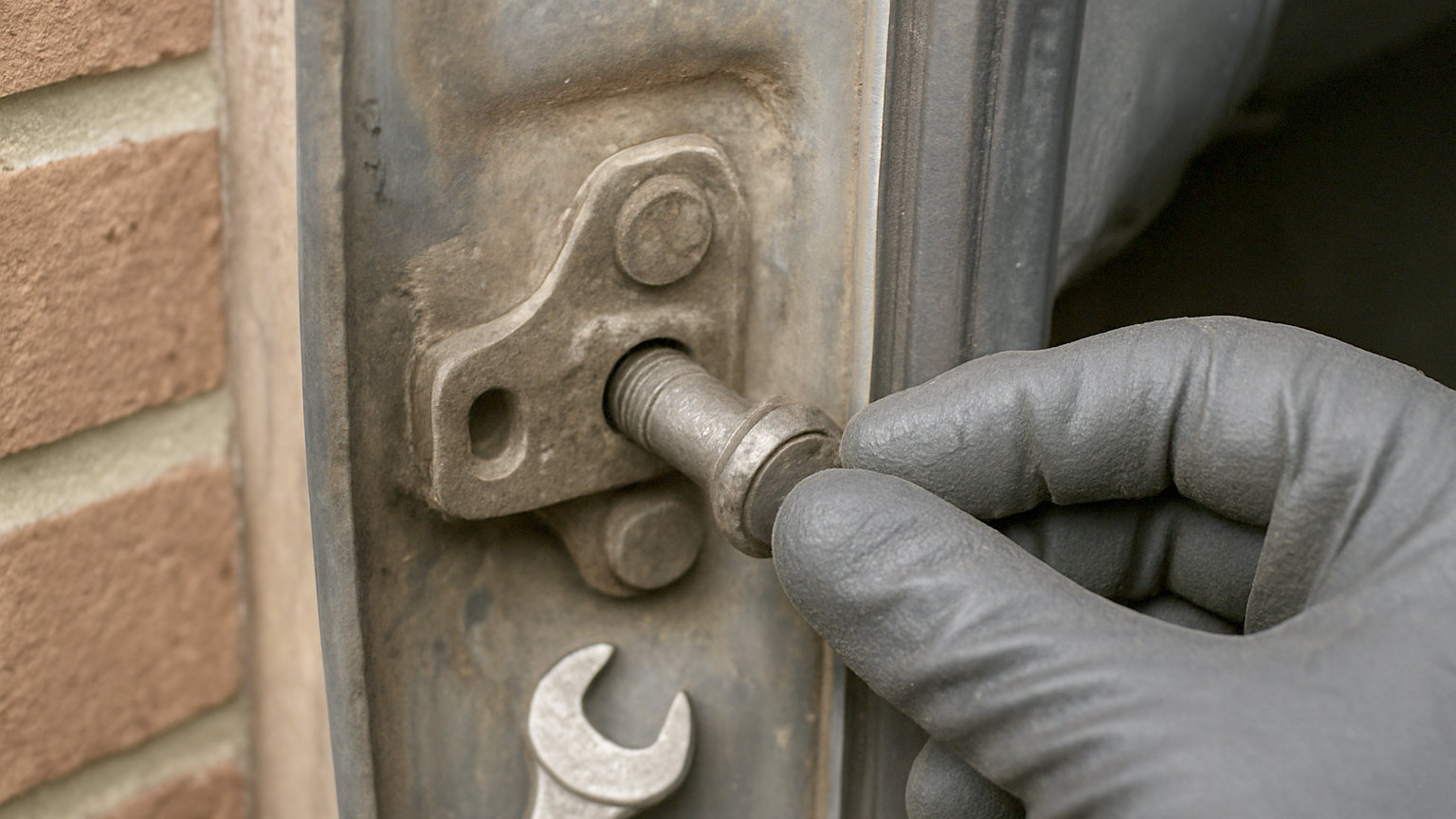
Creaking comes from dry hinges or a check strap, and both are cured with a few minutes and the right lubricant.
By Car Problems Team
30 Apr 2026

The faults in this section rarely stop the car, which is exactly why they get ignored until they are expensive. A damp footwell is a blocked drain today and a corroded loom in a year; a heater blowing cold in January is sometimes a stuck thermostat and sometimes the first sign of a cooling system losing coolant. These guides cover the cabin and the bodywork - heating and air conditioning, windows, doors and locks, water leaks, the screen and speakers, and rust - with the cheap checks first and the honest answer on what is worth repairing.
Creaking comes from dry hinges or a check strap, and both are cured with a few minutes and the right lubricant.
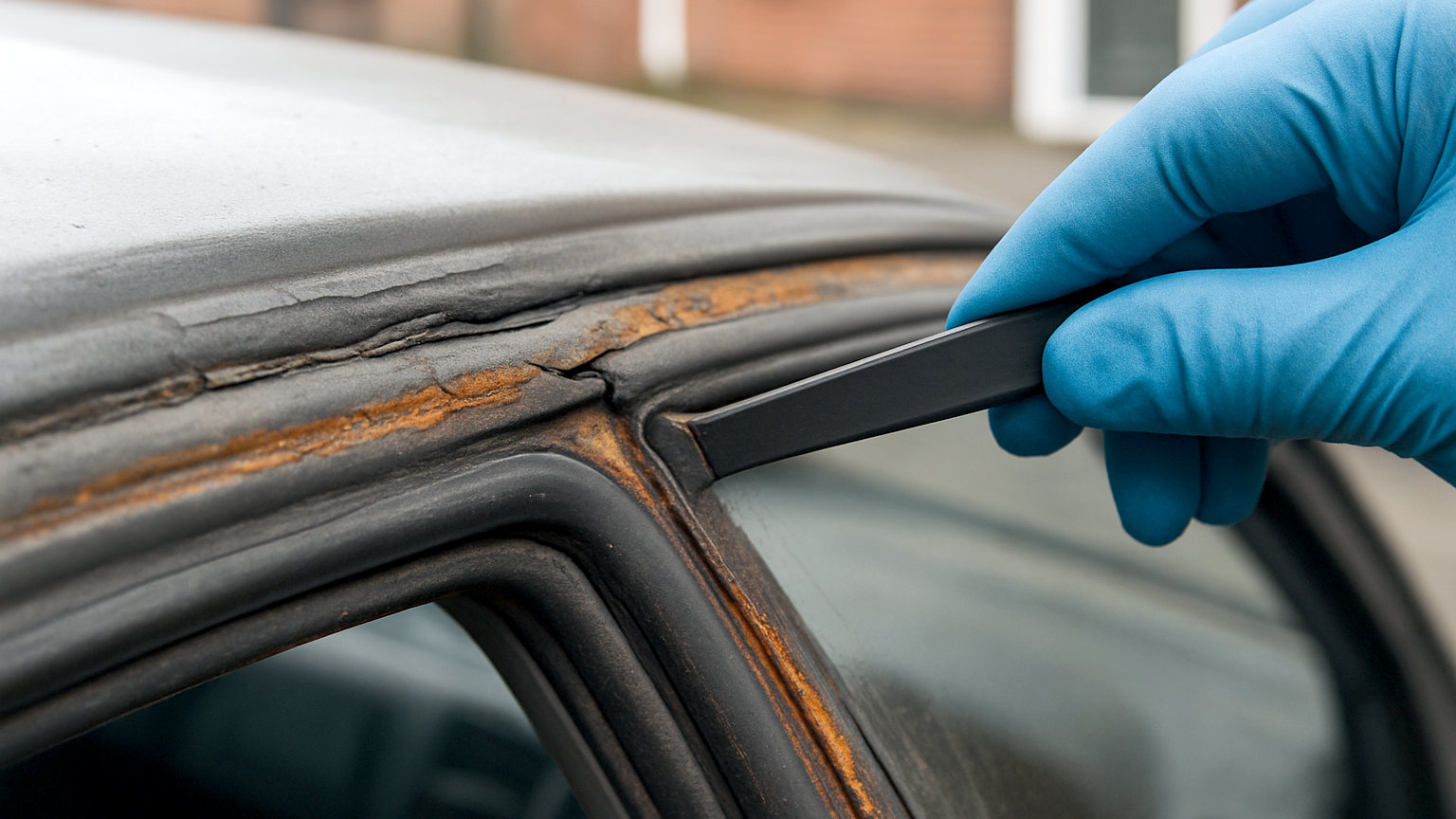
A whistle at speed and water in the door usually come from the same place, which is a seal or a channel no longer doing its job.
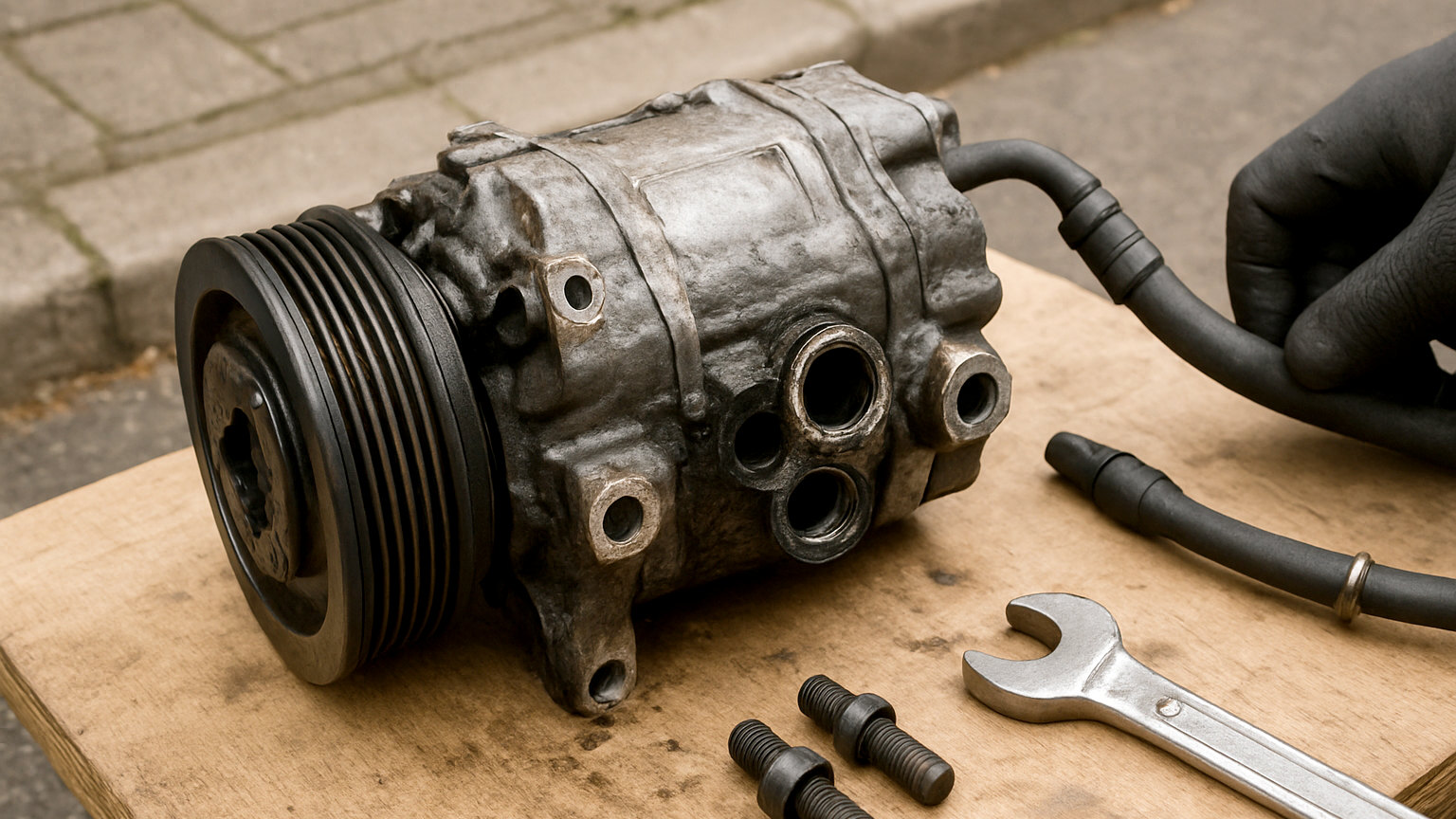
Most faults are repairable at component level, and the exception is a failed compressor, which contaminates everything downstream.
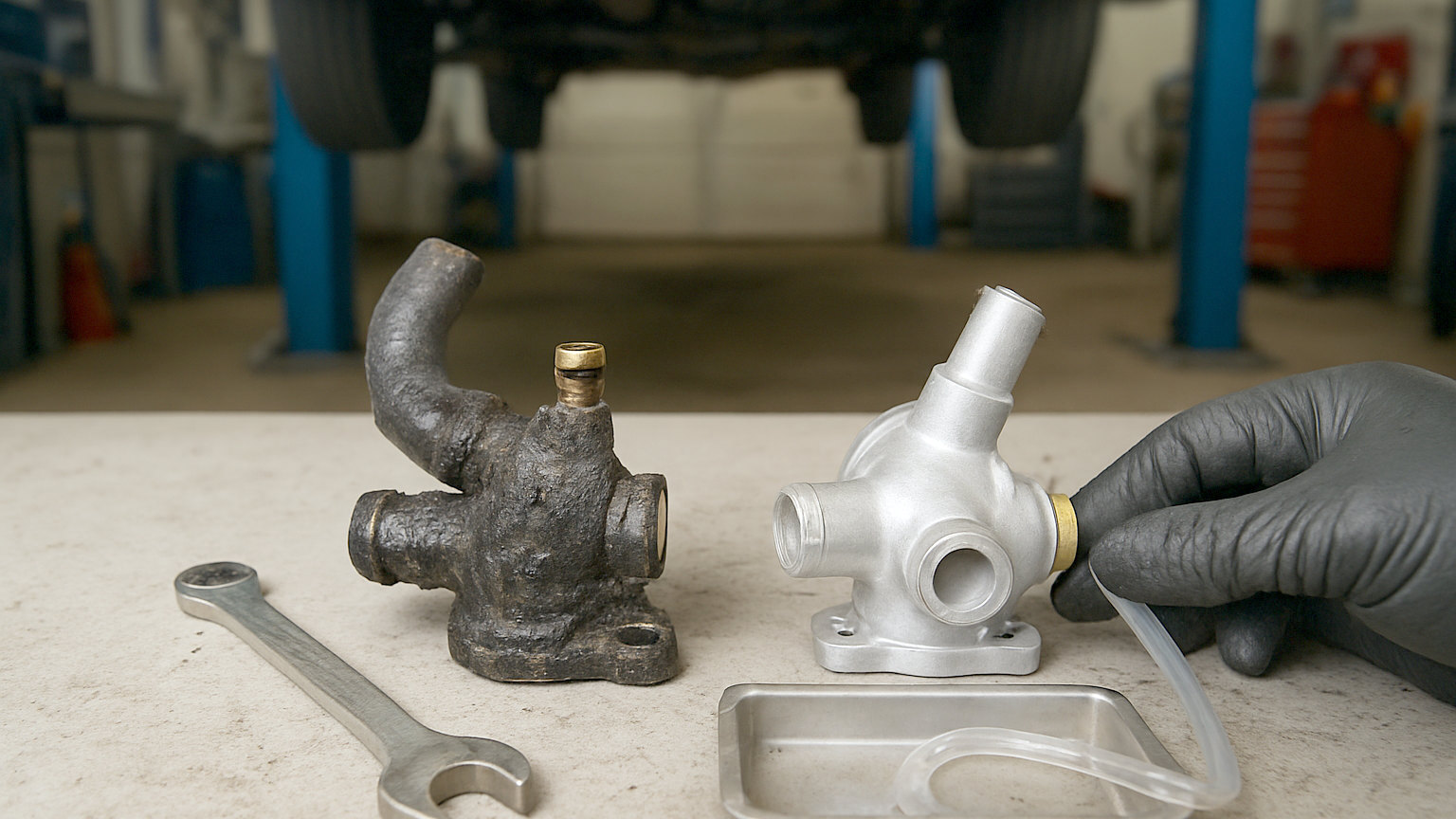
Trapped air rises to the highest point, which on most cars is the heater matrix, so an airlock shows up first as a cold cabin.
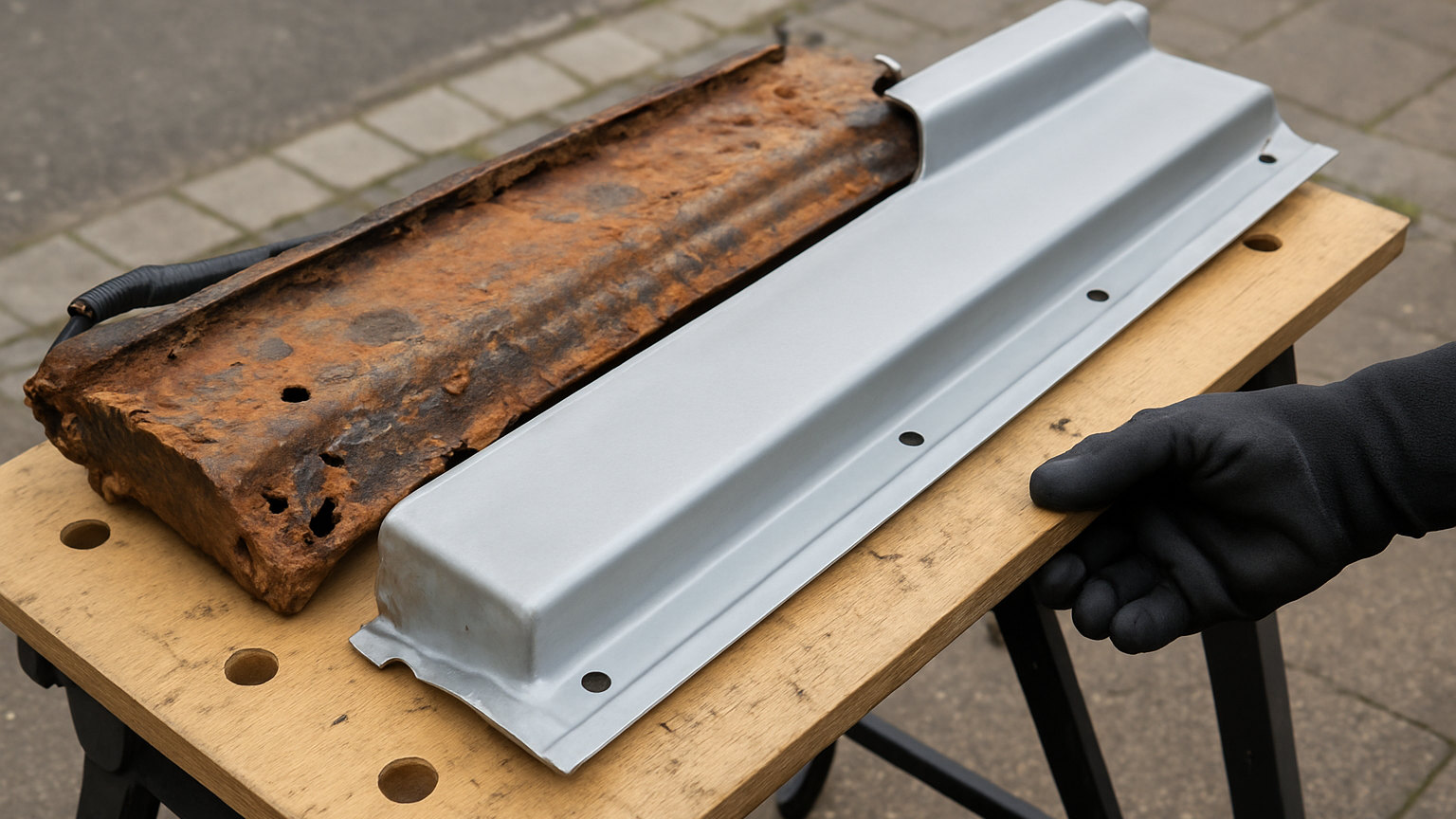
The question is not what the repair costs but whether the rest of the shell is sound, since corrosion is rarely confined to one place.
Navigation combines satellite signals with wheel speed and a gyroscope, so a position error can come from any of the three.
Water appearing at the roof has entered somewhere higher still, and the roof carries more fixings and seams than people realise.
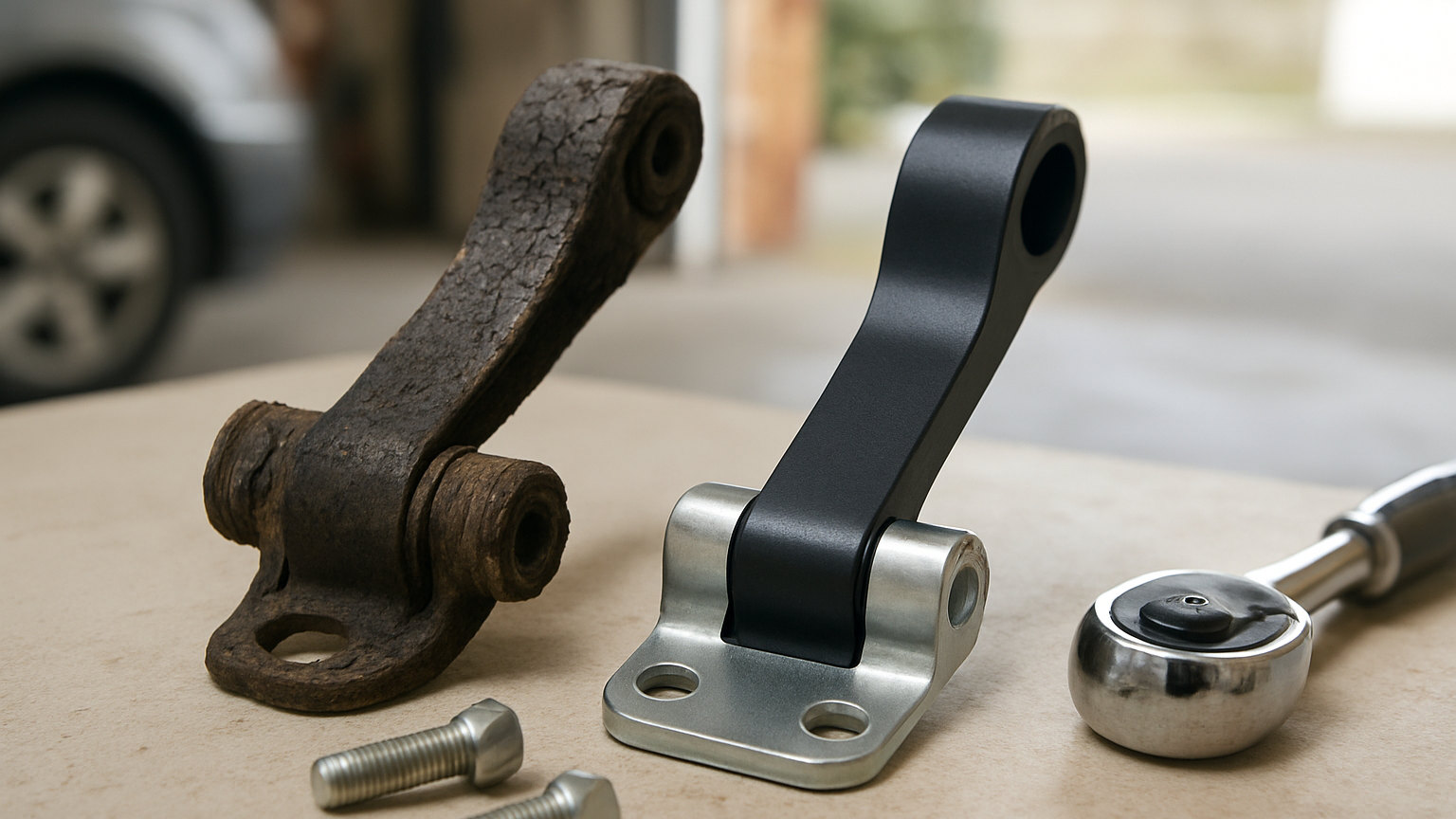
A door that has dropped is usually reporting worn hinge pins, and adjusting the striker to compensate hides the cause rather than fixing it.
Cars with driver assistance systems have a camera behind the screen, and moving it by a fraction of a degree changes where it is looking.
A proper service recovers and weighs what is in the system, tests for leaks, and refills to specification rather than by feel.