Can Water Damage Car Electrics?
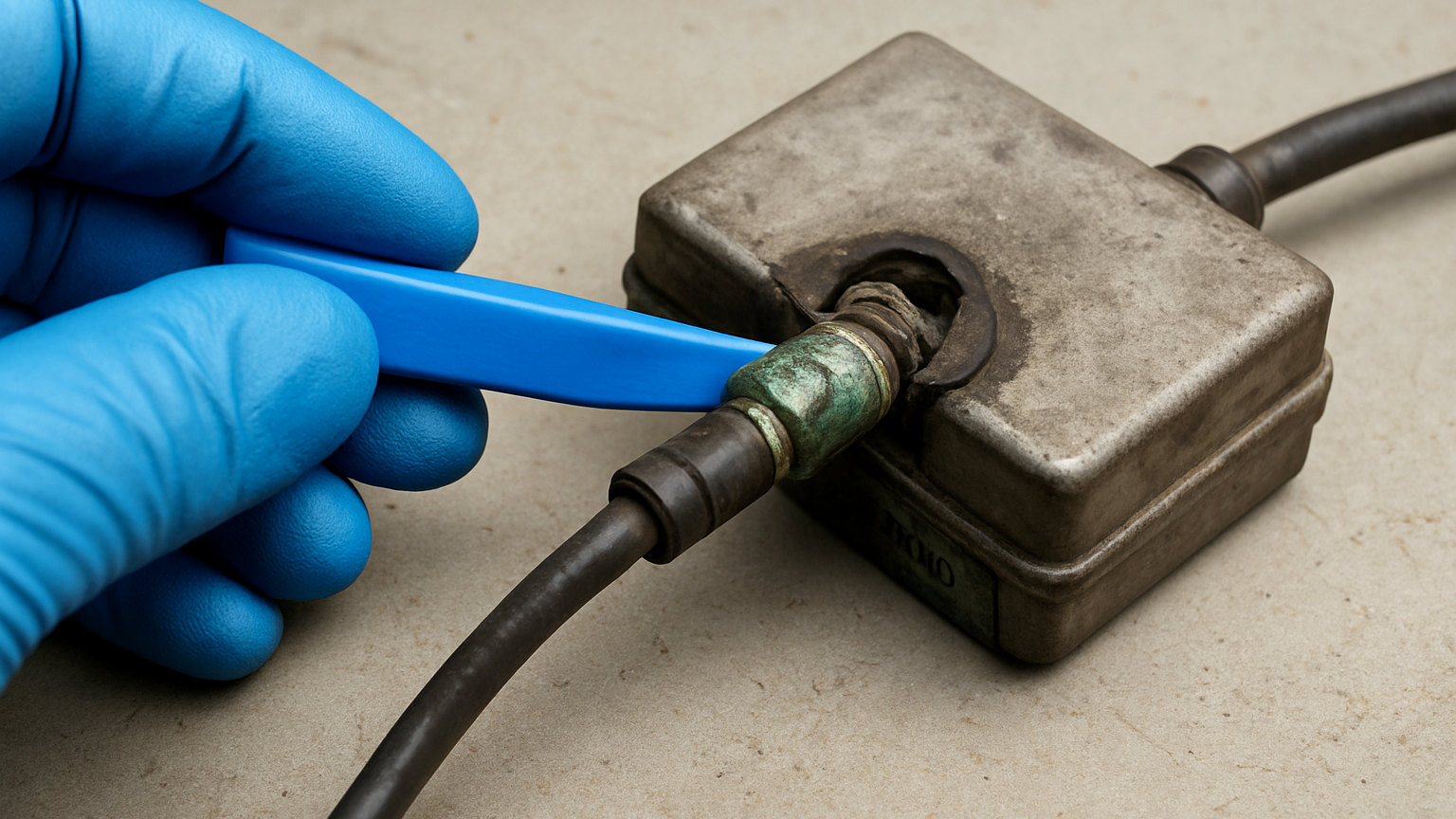
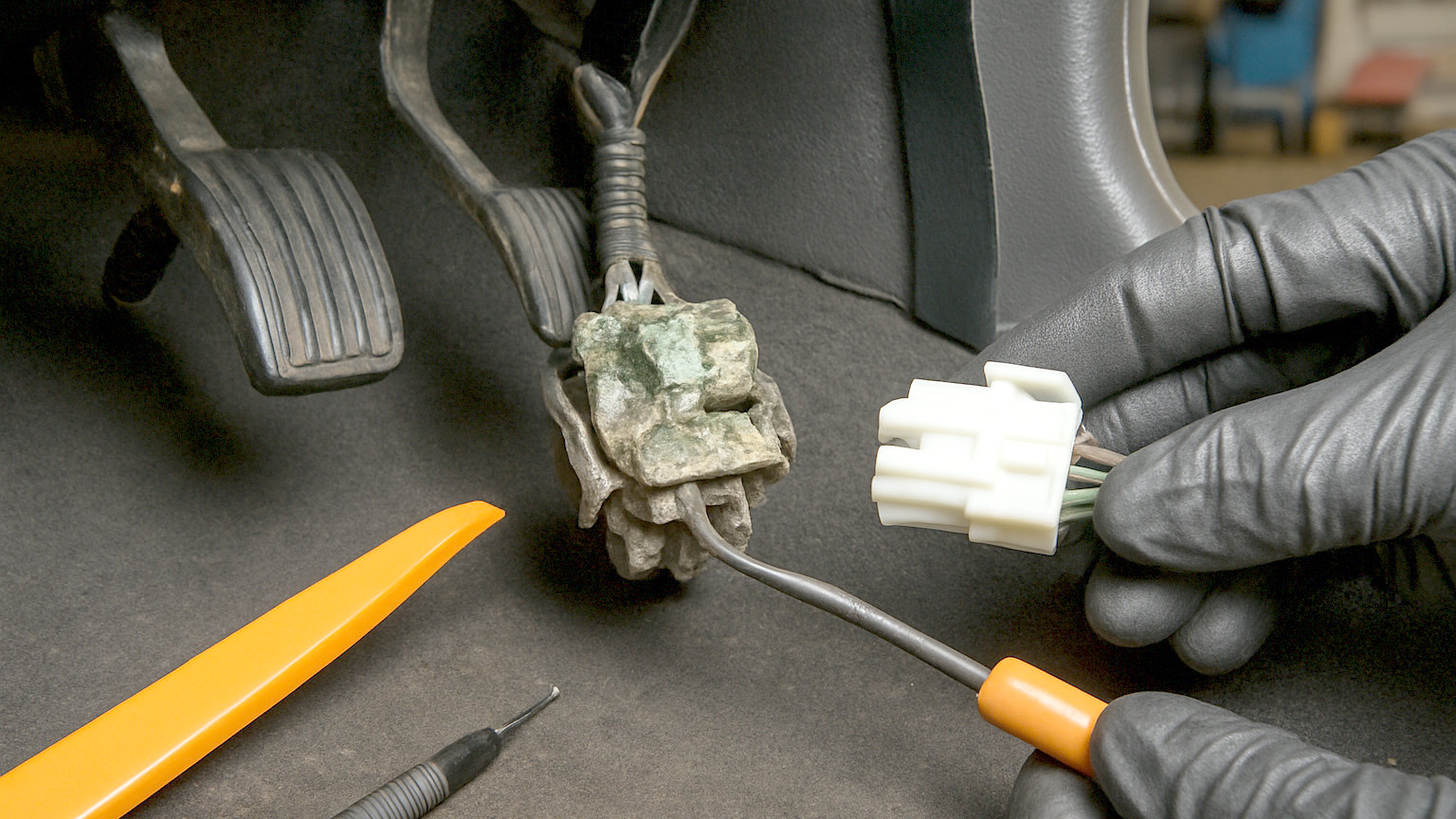
Modules and connectors are frequently mounted low in the cabin, so a leak that seems cosmetic can produce faults costing far more than the repair.
By Car Problems Team
10 Apr 2026

The faults in this section rarely stop the car, which is exactly why they get ignored until they are expensive. A damp footwell is a blocked drain today and a corroded loom in a year; a heater blowing cold in January is sometimes a stuck thermostat and sometimes the first sign of a cooling system losing coolant. These guides cover the cabin and the bodywork - heating and air conditioning, windows, doors and locks, water leaks, the screen and speakers, and rust - with the cheap checks first and the honest answer on what is worth repairing.
Modules and connectors are frequently mounted low in the cabin, so a leak that seems cosmetic can produce faults costing far more than the repair.
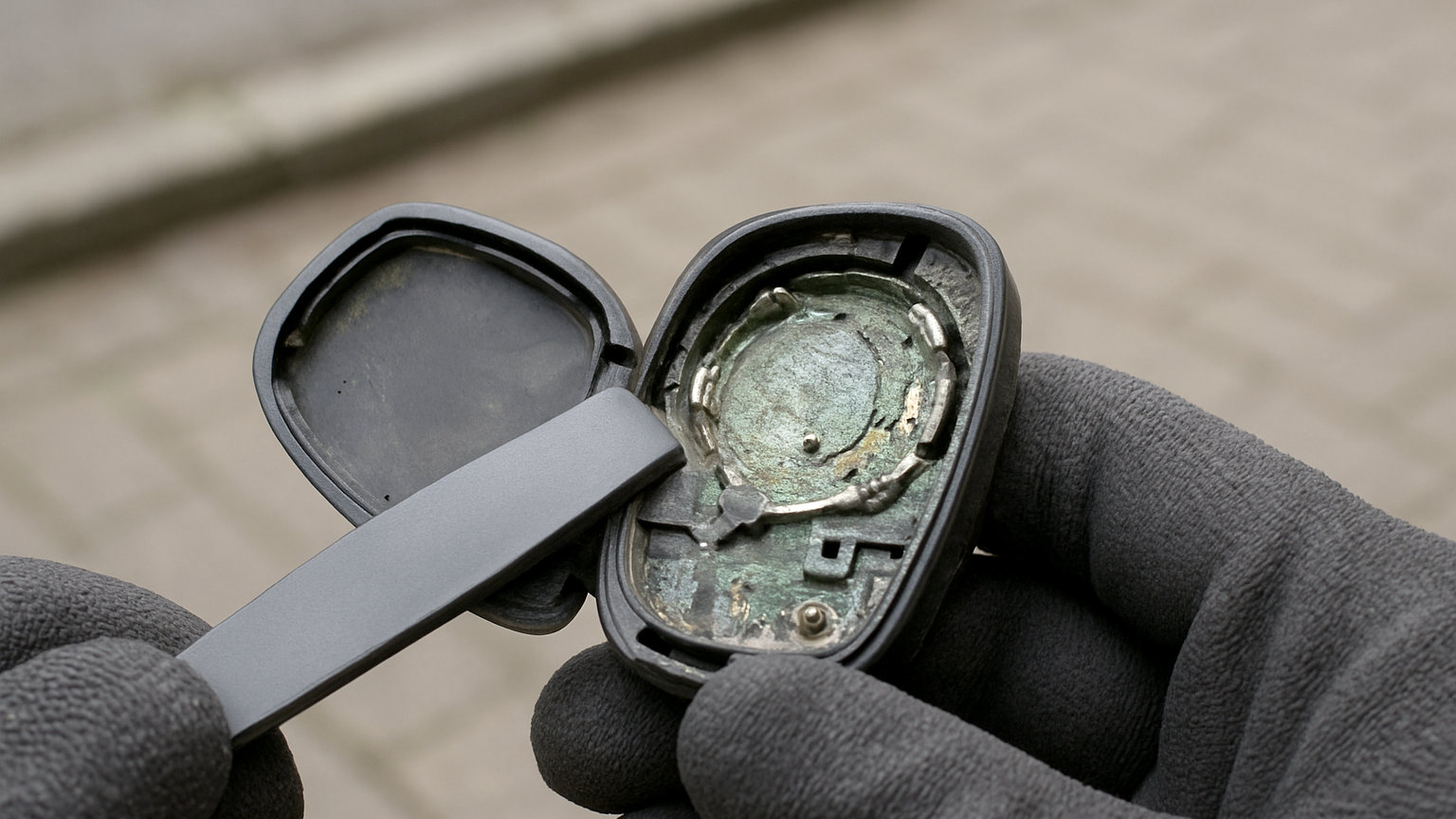
Keyless systems work by constant low power radio conversation, which makes them convenient and vulnerable to interference and flat batteries.
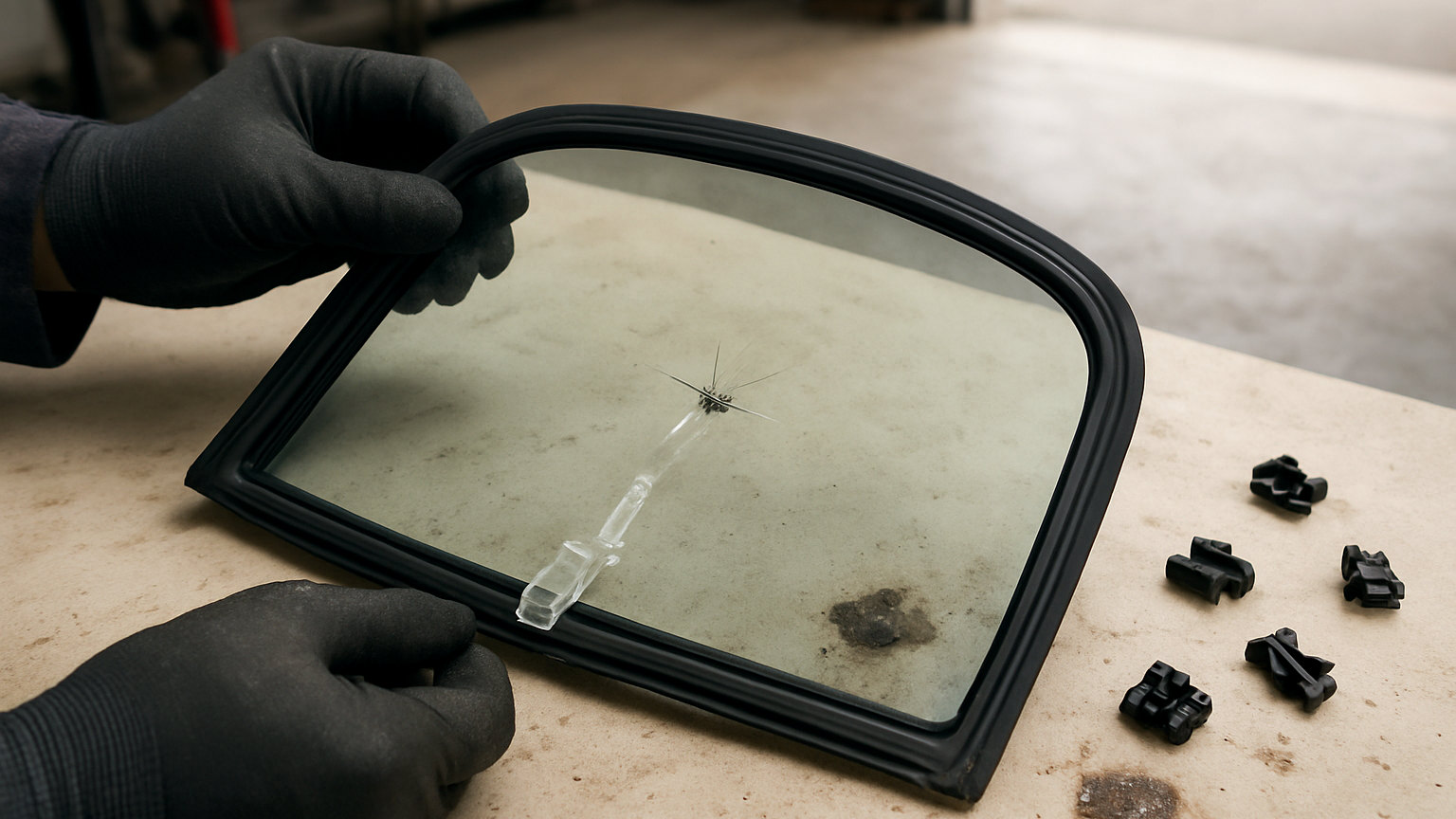
Most small chips can be repaired if dealt with promptly, and the position on the screen matters as much as the size.
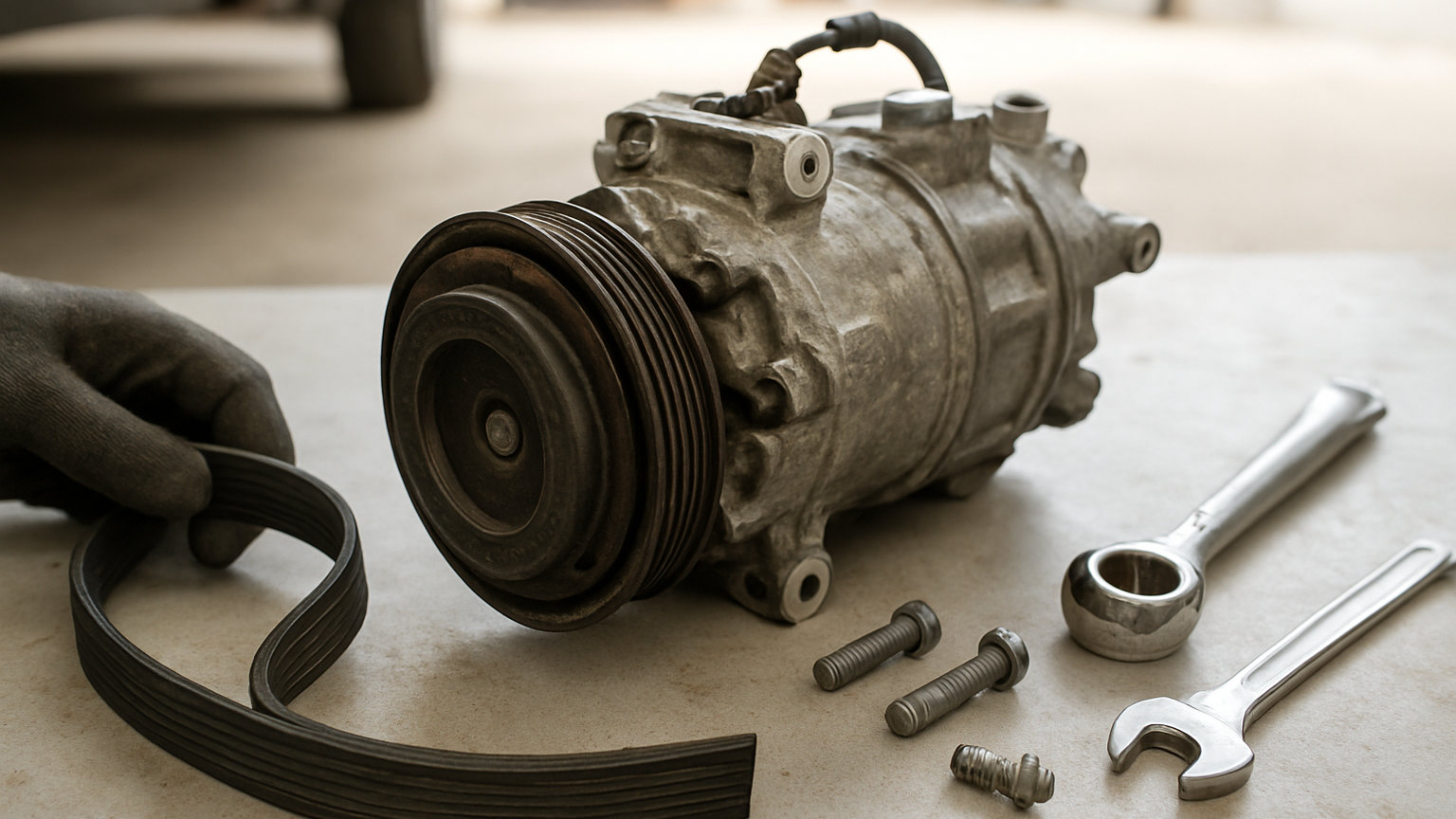
It does use fuel, and at motorway speed open windows can cost more through drag than the compressor does through load.
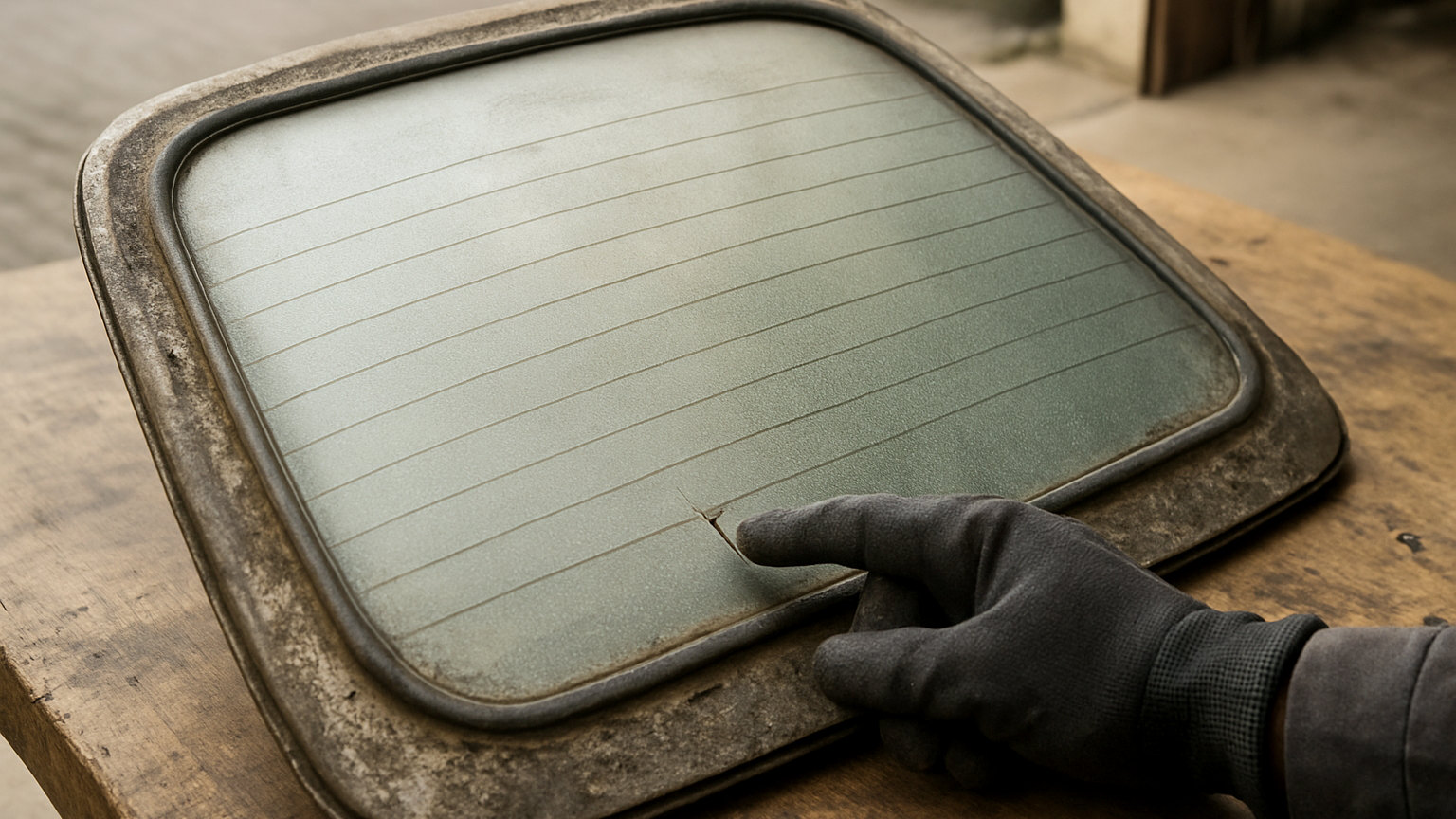
Heated screens work through printed elements on the glass, and a single broken line produces one clear stripe in the mist.
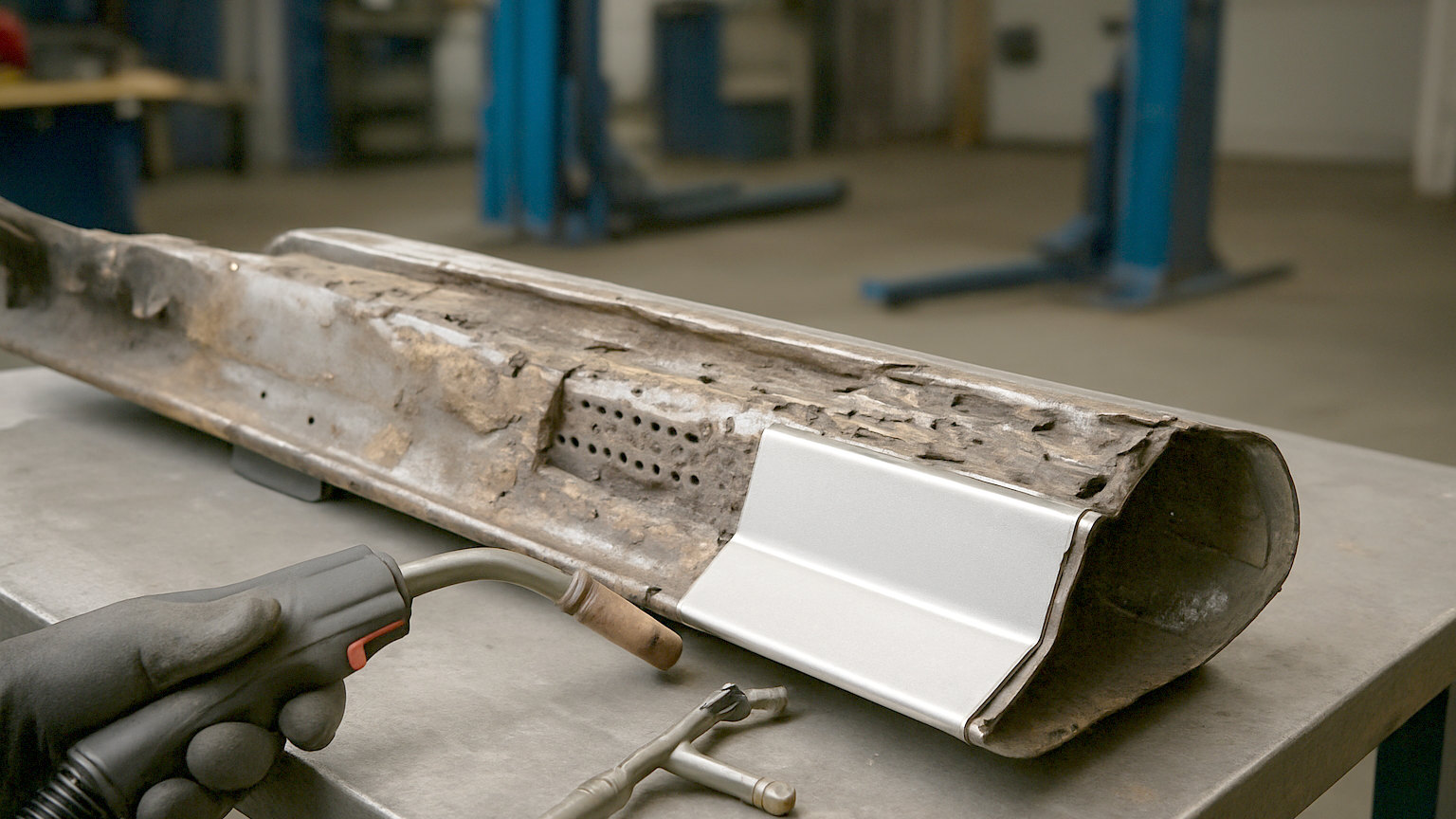
Sills are structural, so the repair has to be welded and the real question is how much of the inner structure has gone.
Digital radio either works perfectly or stops entirely, which is why a weak signal produces silence rather than the hiss FM would give.
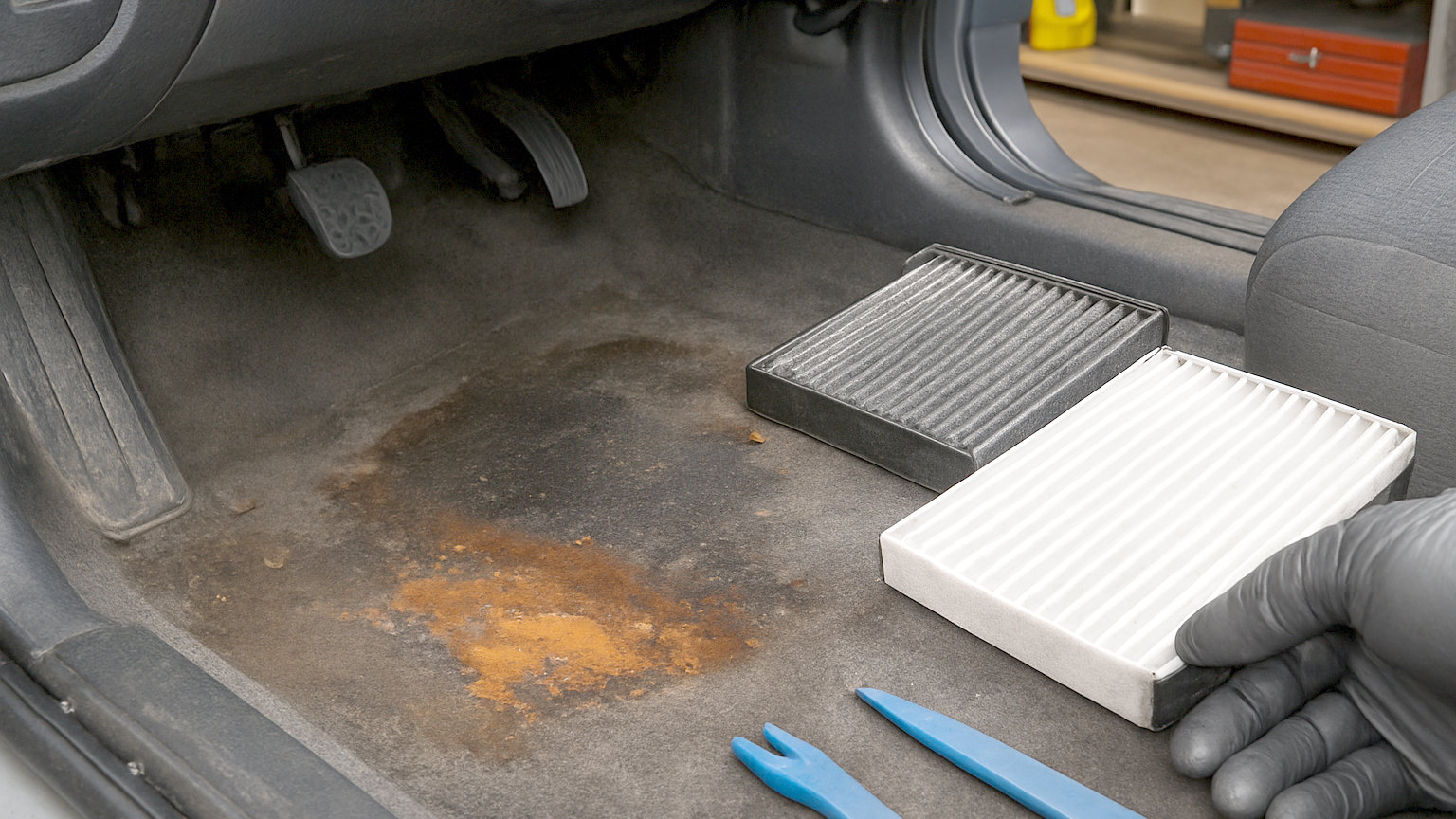
A persistent damp smell means water is present somewhere, and masking it with a fragrance leaves the moisture doing its work.
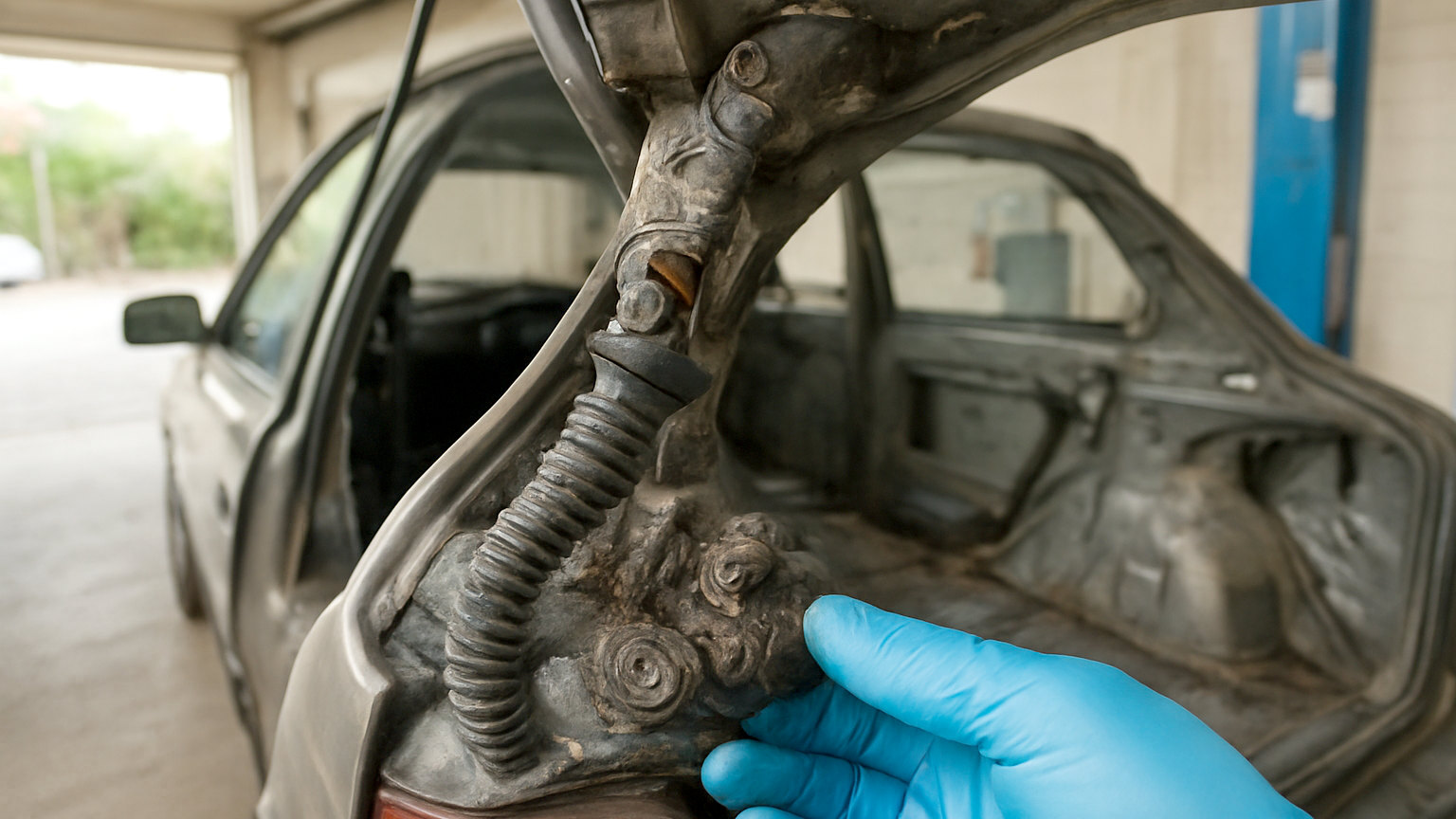
Tailgates suffer from the same latch and wiring faults as doors, with the added complication of a loom that flexes on every opening.
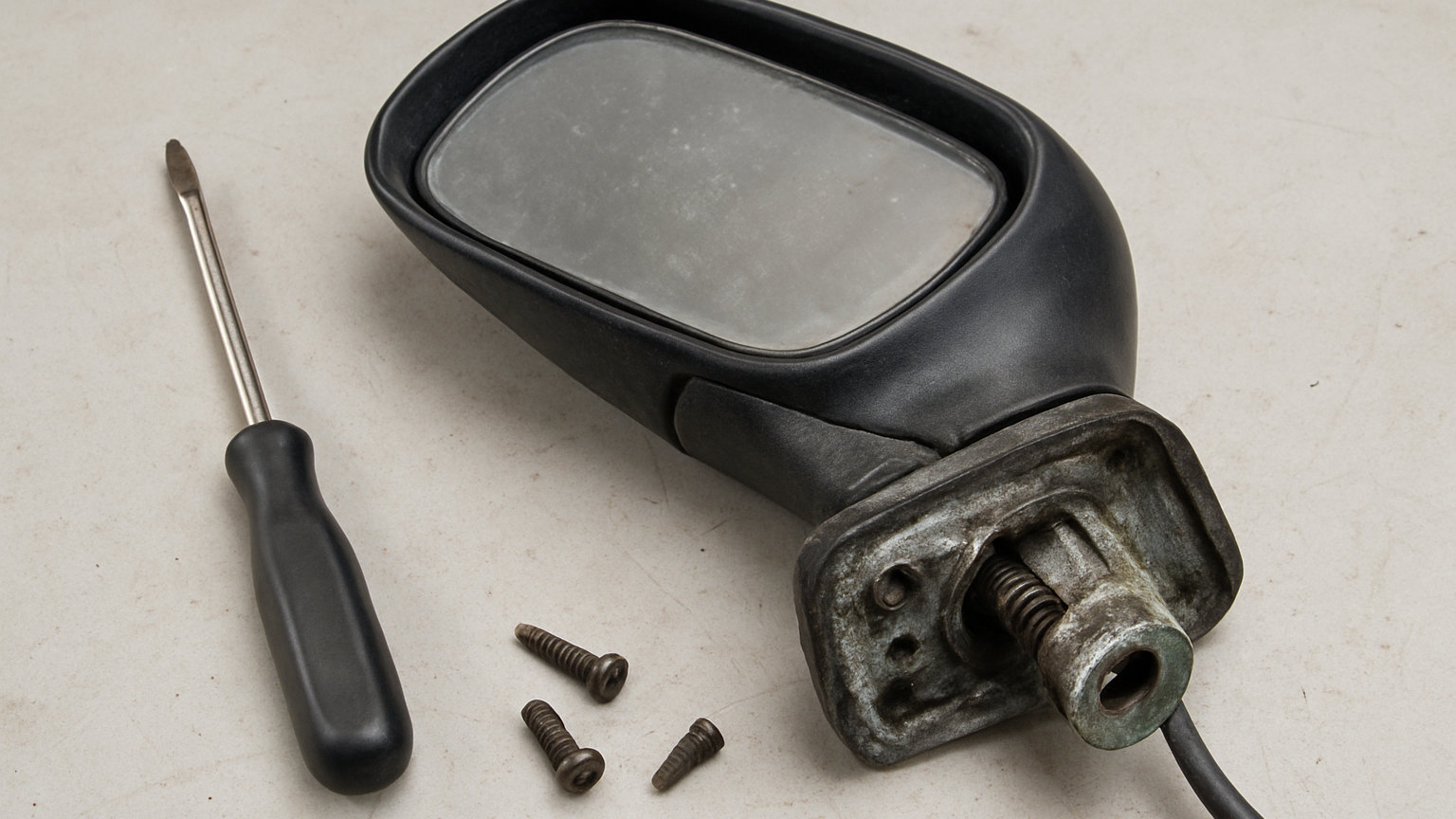
A mirror that blurs at speed usually has a loose mounting or a worn folding mechanism rather than anything wrong with the glass.