How Do You Protect a Car From Rust?
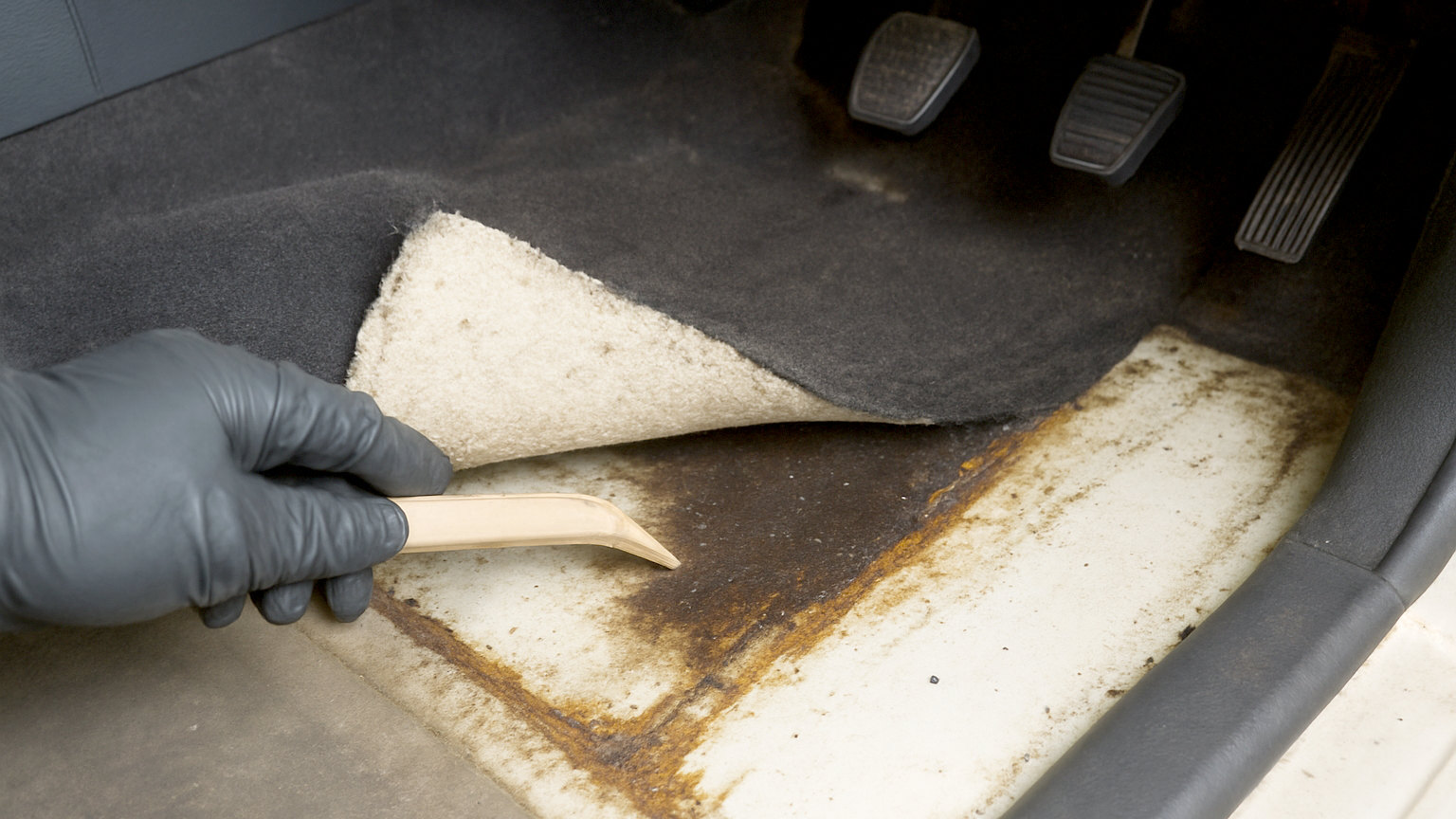
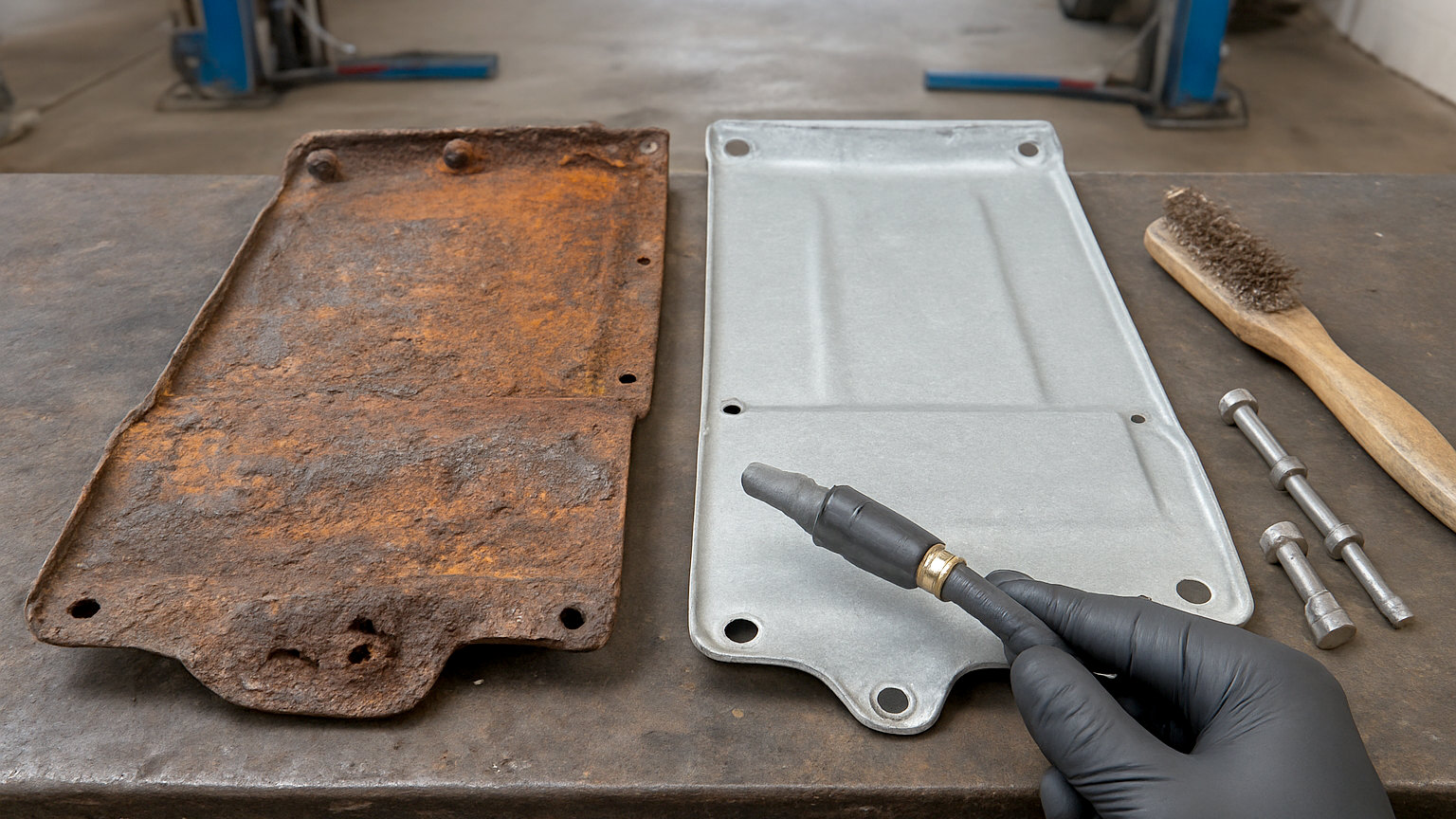
Rust prevention is mostly about keeping water from sitting against metal, and the cheapest measures are the most effective.
By Car Problems Team
10 May 2026

The faults in this section rarely stop the car, which is exactly why they get ignored until they are expensive. A damp footwell is a blocked drain today and a corroded loom in a year; a heater blowing cold in January is sometimes a stuck thermostat and sometimes the first sign of a cooling system losing coolant. These guides cover the cabin and the bodywork - heating and air conditioning, windows, doors and locks, water leaks, the screen and speakers, and rust - with the cheap checks first and the honest answer on what is worth repairing.
Rust prevention is mostly about keeping water from sitting against metal, and the cheapest measures are the most effective.
A camera plugged into a permanent supply will flatten a battery given long enough, which is what hardwiring kits are designed to prevent.
A persistent leak is rarely an insurance matter in itself, and flood damage is, and the two are treated completely differently.
Losing the only key is expensive and recoverable, and the cost is considerably lower if you have a spare made before it happens.
Light surface marks can be polished out and anything you can feel with a fingernail generally cannot, without distorting the glass.
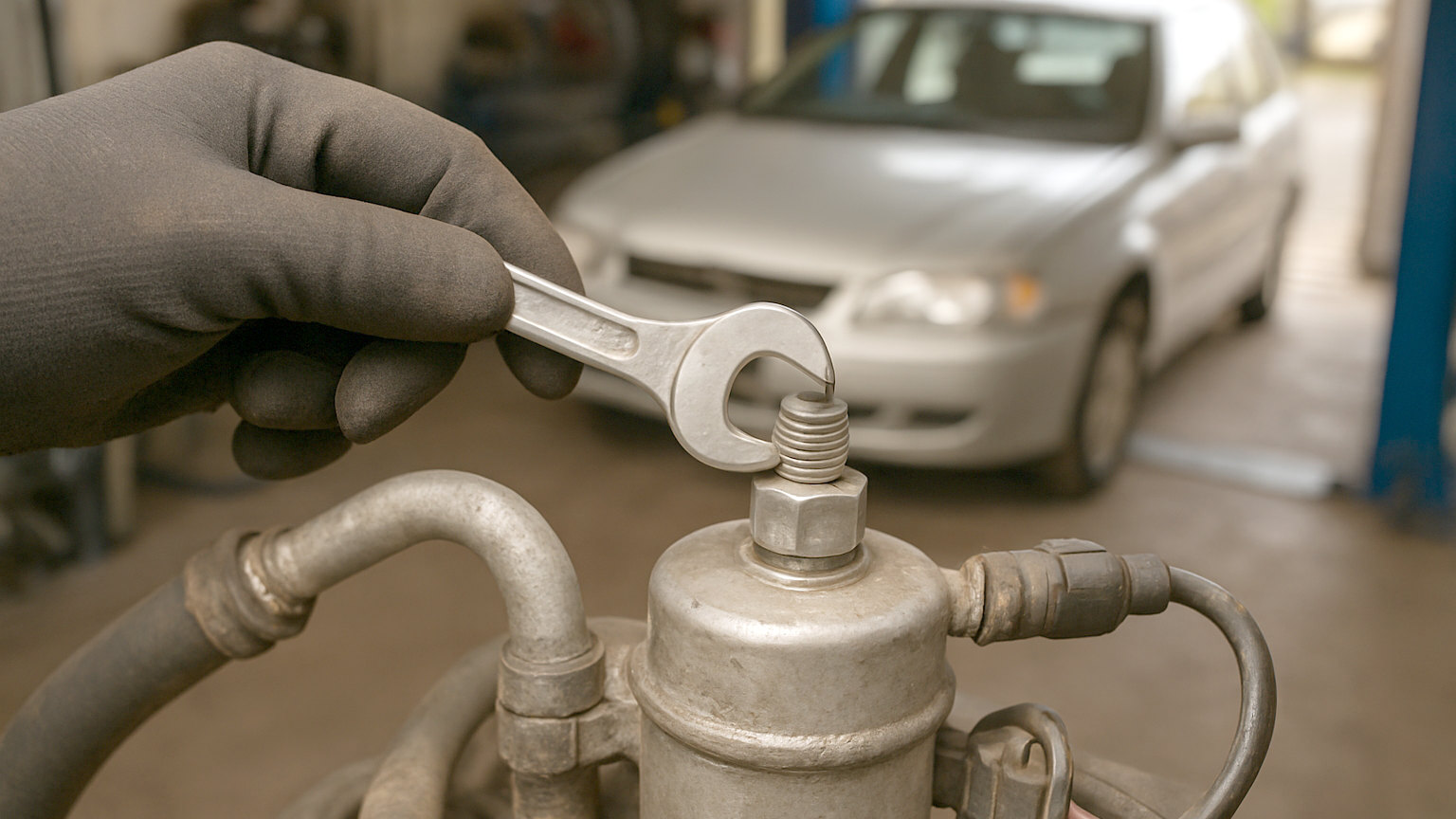
Cooling that comes and goes usually means a pressure switch protecting the system, and the pressure it is reacting to is the real fault.
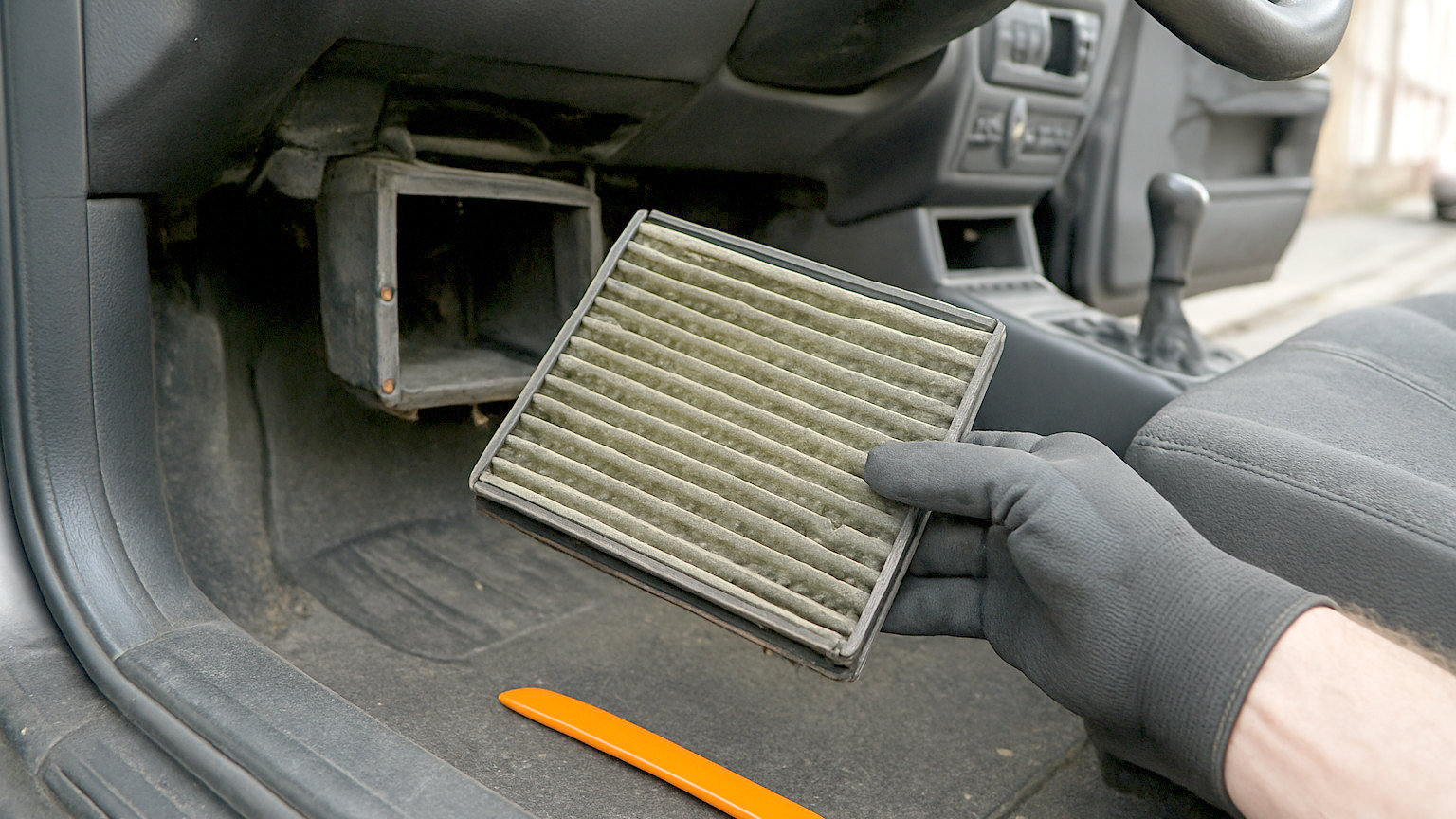
A musty smell when the fan starts usually means the evaporator or the cabin filter has become damp and grown mould.
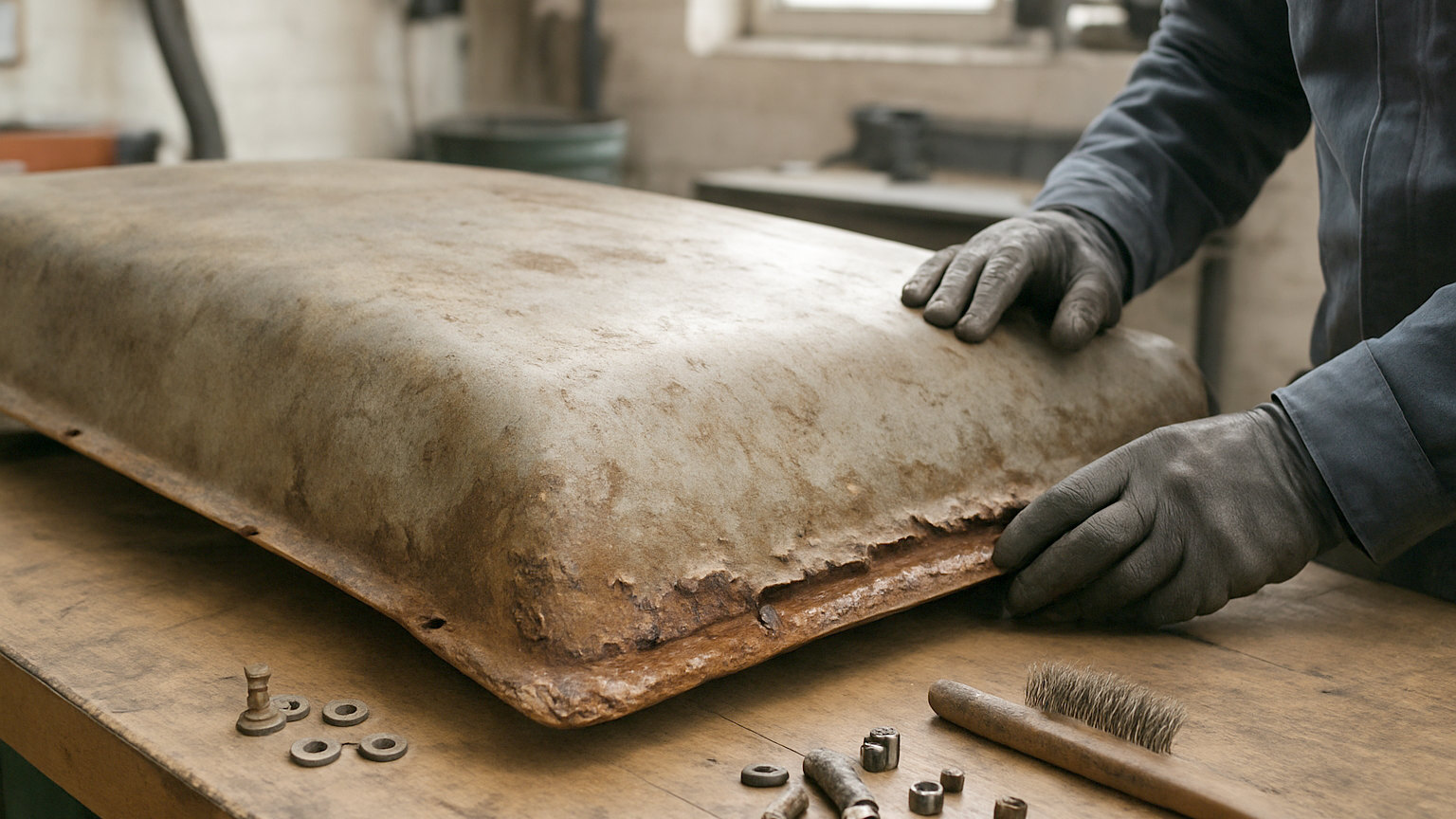
Folded panel edges hold water in a capillary gap, which is why bonnets and boot lids corrode along their edges before anywhere else.
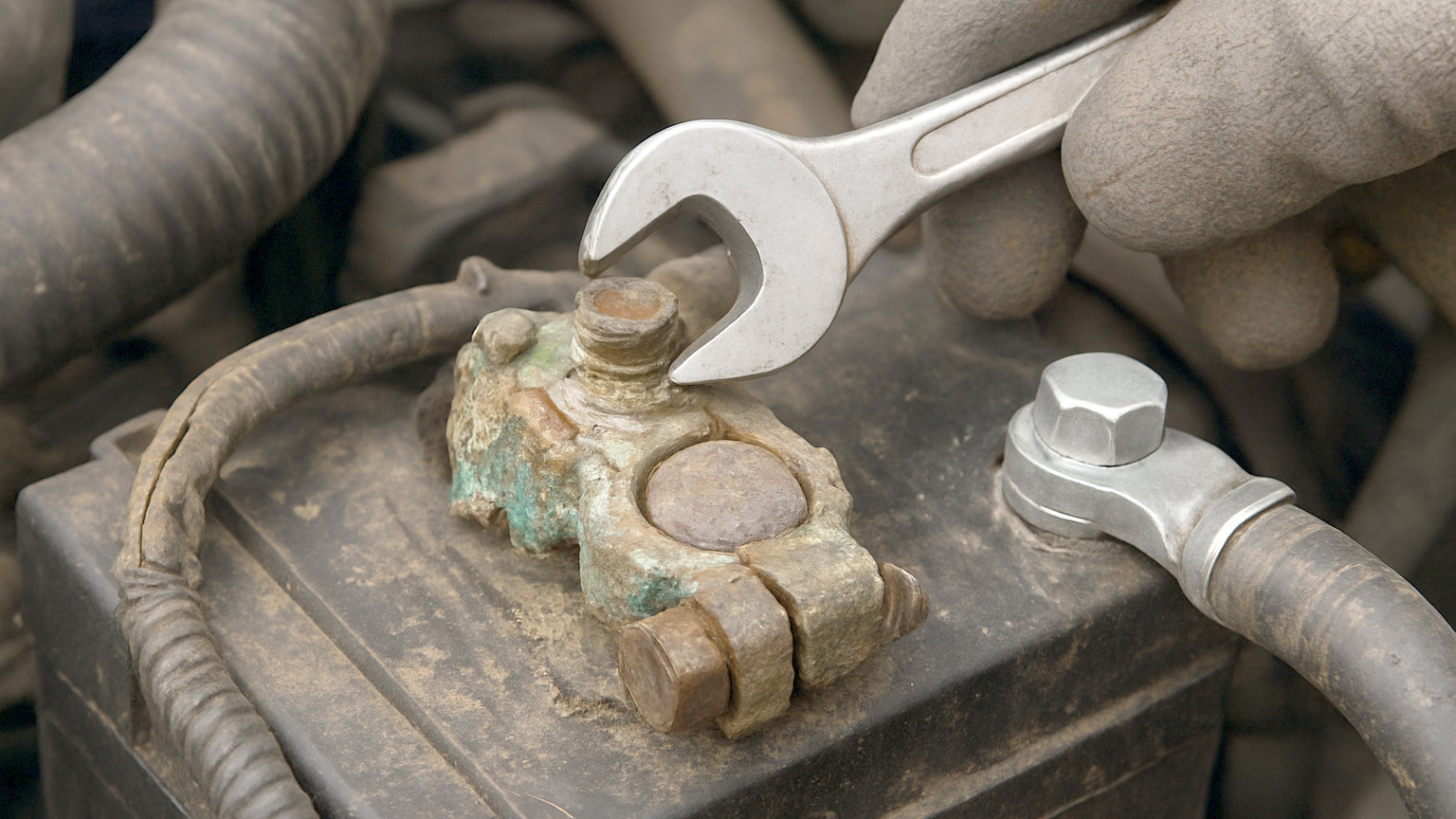
Settings that reset overnight mean the system is losing power, and a failing battery or a poor connection is the usual reason.
Driving flexes the body, changes the pressure inside the cabin and drives water upwards, so leaks appear that a static hose test never finds.