
Cabin heat is waste heat from the engine, and modern engines waste far less of it than older ones did. That efficiency is welcome at the fuel pump and unhelpful on a February morning, since there is simply less heat available to divert into the cabin during the first few miles. A good deal of what feels like a fault is actually the design working as intended.
Why are diesels the worst?
Because they are more thermally efficient than petrol engines, converting more of the fuel into motion and less into heat. A modern turbo diesel on a short journey may barely reach operating temperature at all in cold weather. Manufacturers know this, which is why many fit an auxiliary electric heater or a fuel burning heater specifically to compensate.
What is an auxiliary heater?
On many diesels, an electric heating element in the ventilation duct that warms the air directly while the engine is still cold, sometimes described as a PTC heater. Others use a small fuel burning heater that warms the coolant. Both draw a lot of power or use a little fuel, and a failure produces a car that takes noticeably longer to warm than it used to.
How long should it take?
On a cold morning, five to ten minutes of driving before useful heat appears is unremarkable on many modern cars, and a diesel doing gentle urban miles may take longer still. What matters is comparison over time. A car that used to produce heat in five minutes and now takes fifteen has changed, and that is worth investigating.
Does idling help?
Very little, and it is worth knowing. An idling engine produces minimal load and therefore minimal heat, so it warms up far more slowly than one being driven gently. Driving away promptly and using light throttle warms the engine considerably faster than sitting on the driveway, as well as using less fuel and being better for the engine.
When is it actually a fault?
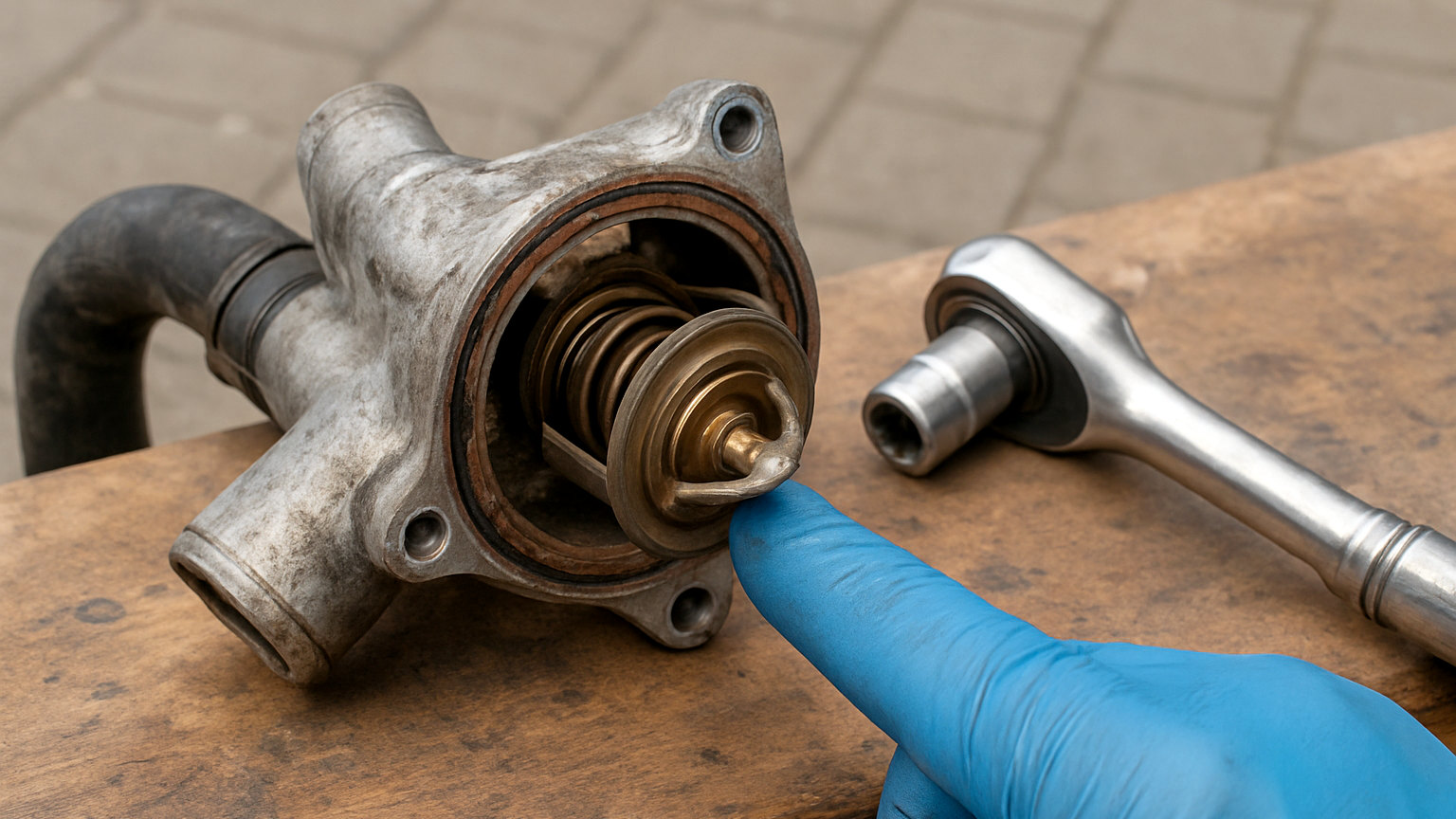
When the temperature gauge takes far longer than usual to reach its normal position, or never quite gets there, which points at a thermostat stuck open. When the gauge reads normal but the cabin stays cold, which points at coolant level, an airlock or a blocked matrix. And when the change has been sudden rather than gradual.
Does the coolant level matter?
Considerably, and it is the cheapest thing to check. The heater matrix sits high in the system on most cars, so a level that has dropped starves it first. The engine can reach normal temperature while the cabin stays cold, which is exactly this symptom. Checking on a completely cold engine takes a minute and is always worth doing.
Can you speed it up?
Set the fan low initially rather than high, since blasting cold air over a barely warm matrix removes heat the engine is still trying to build. Direct it at the screen for demisting rather than the footwells. And keep recirculation off until the cabin is warm, since fresh air demists far better even though it feels colder at first.
What about short journeys generally?
A car that never reaches operating temperature suffers beyond the discomfort. Oil stays cold and accumulates moisture, the exhaust corrodes from the inside, a diesel particulate filter cannot regenerate, and fuel consumption is considerably worse. An occasional longer run does the car real good, quite apart from the fact that you finally get warm.
Do heated seats help?
Considerably, and they are the practical answer on a modern diesel. Heated seats and a heated steering wheel warm the occupants directly and almost instantly, without waiting for the engine to produce surplus heat. On cars that take fifteen minutes to warm the cabin, they make the difference between a miserable commute and a comfortable one.
They also draw far less energy than heating the whole cabin, which matters on an electric vehicle where cabin heating reduces range noticeably.


