What Do Car Bulb Type Codes Mean?
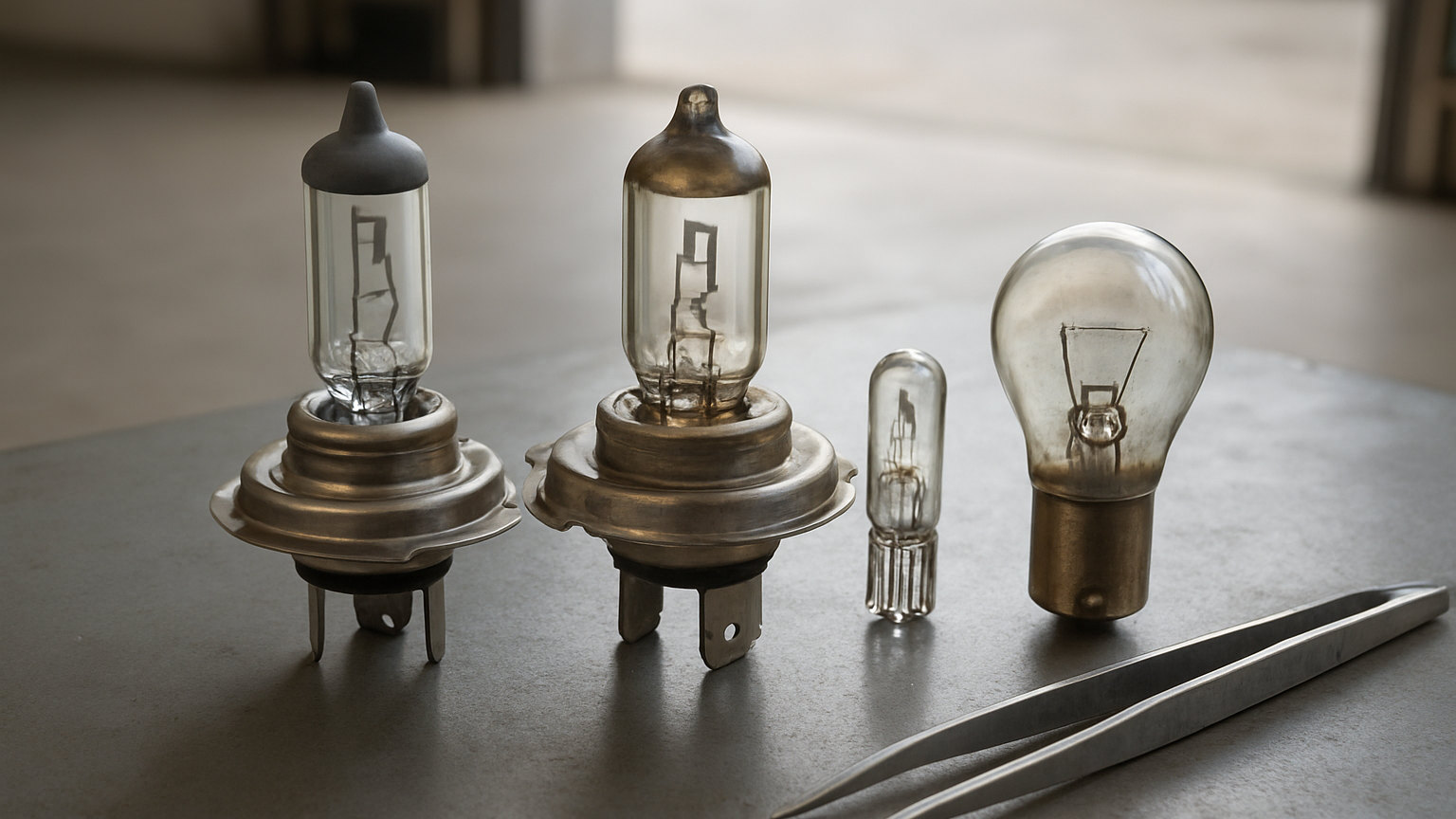
H7, H4, W5W and P21W are not marketing names but precise specifications, and buying by appearance rather than code causes real problems.
By Car Problems Team
7 Feb 2026

Electrical faults are the ones drivers most often misread, because the same symptom has two completely different price tags behind it. A car that clicks and won’t turn over might need a fifteen-minute battery swap or a starter motor; a battery that keeps going flat is usually not the battery at all. These guides show you how to tell which is which before you spend anything, what each dashboard warning light genuinely means as opposed to what it feels like it means, and which faults are safe to drive on and which are not.
H7, H4, W5W and P21W are not marketing names but precise specifications, and buying by appearance rather than code causes real problems.
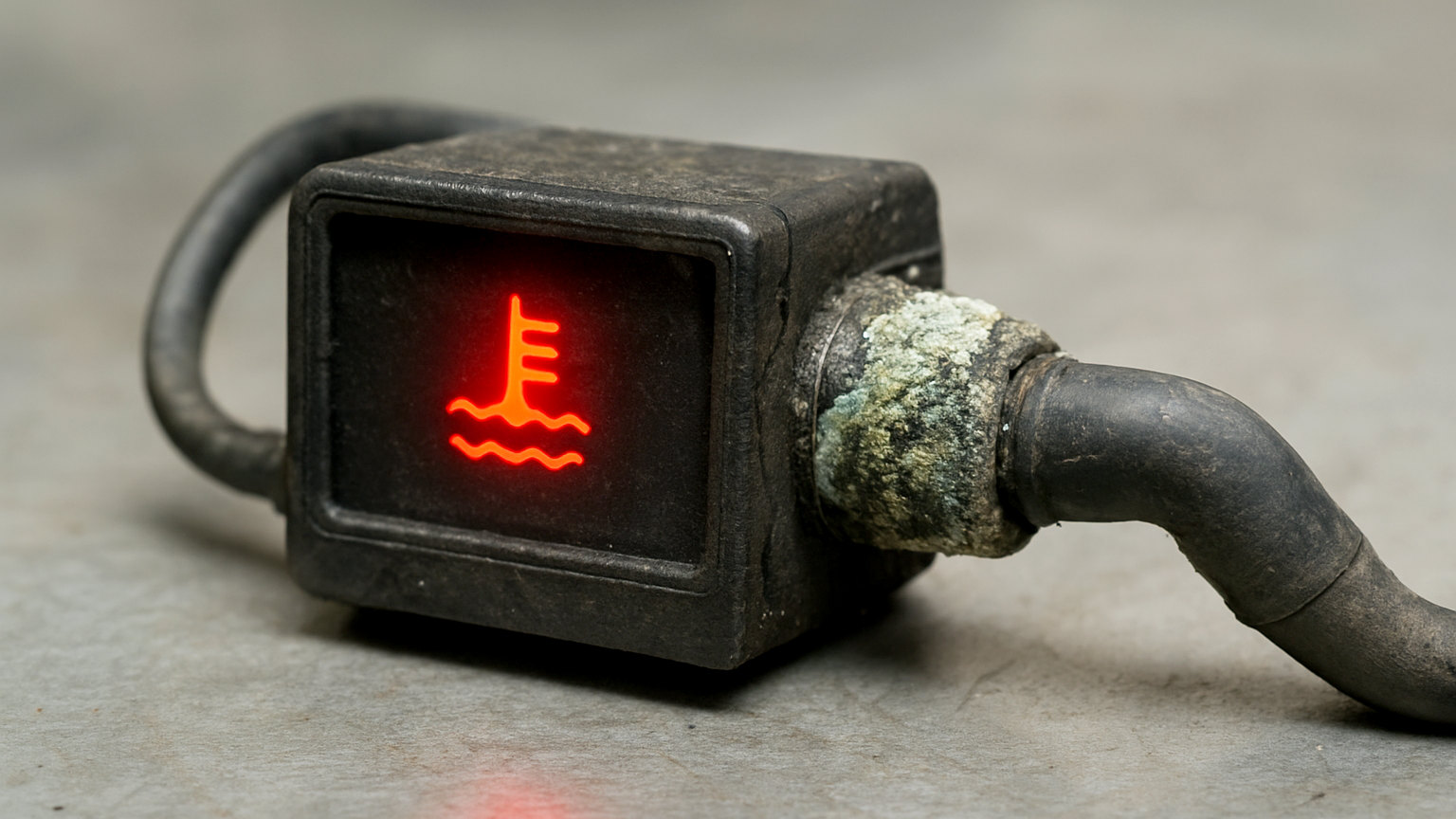
A small number of warnings justify ending the journey at the next safe place, and it is worth knowing which before you are looking at one.
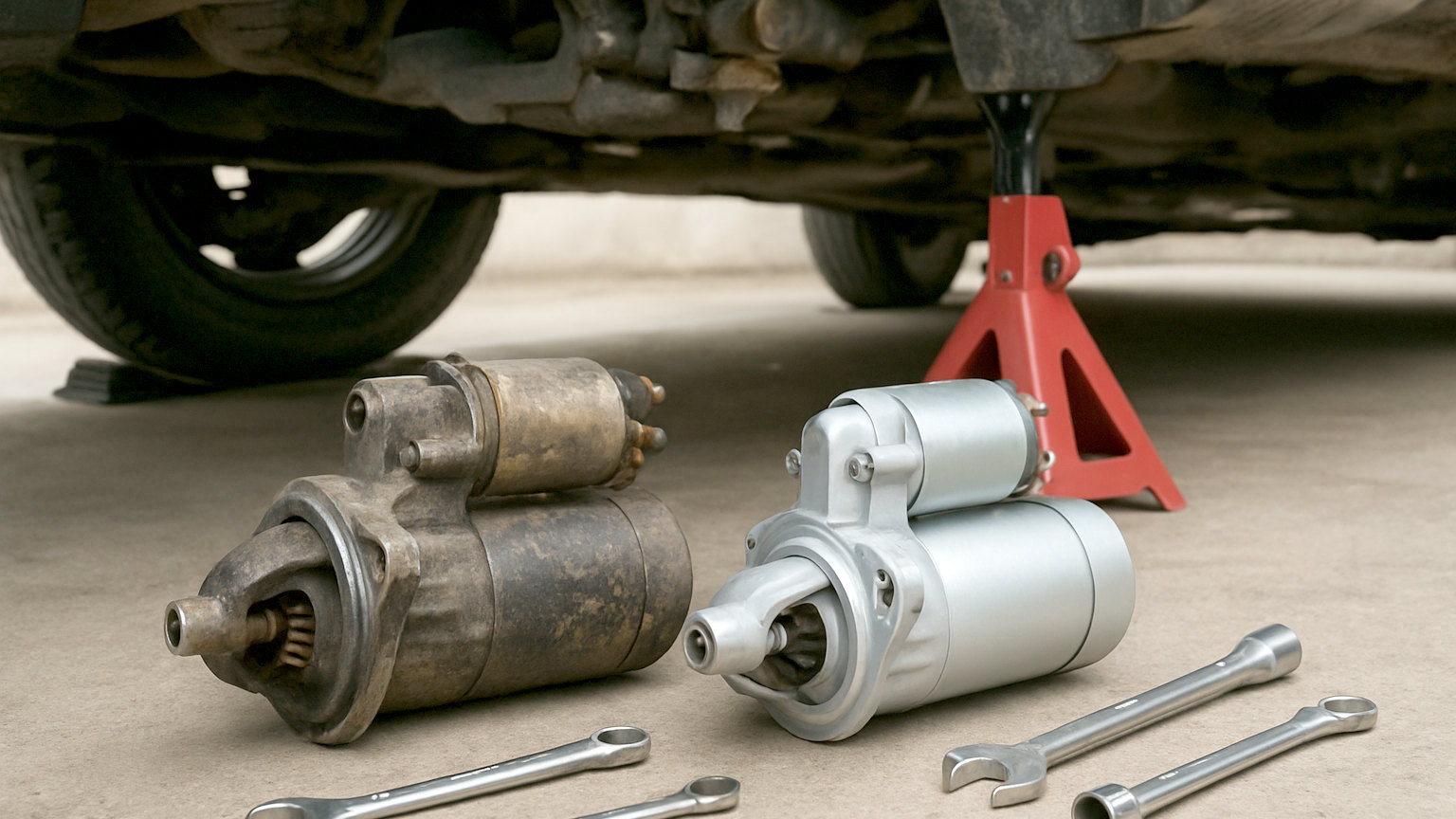
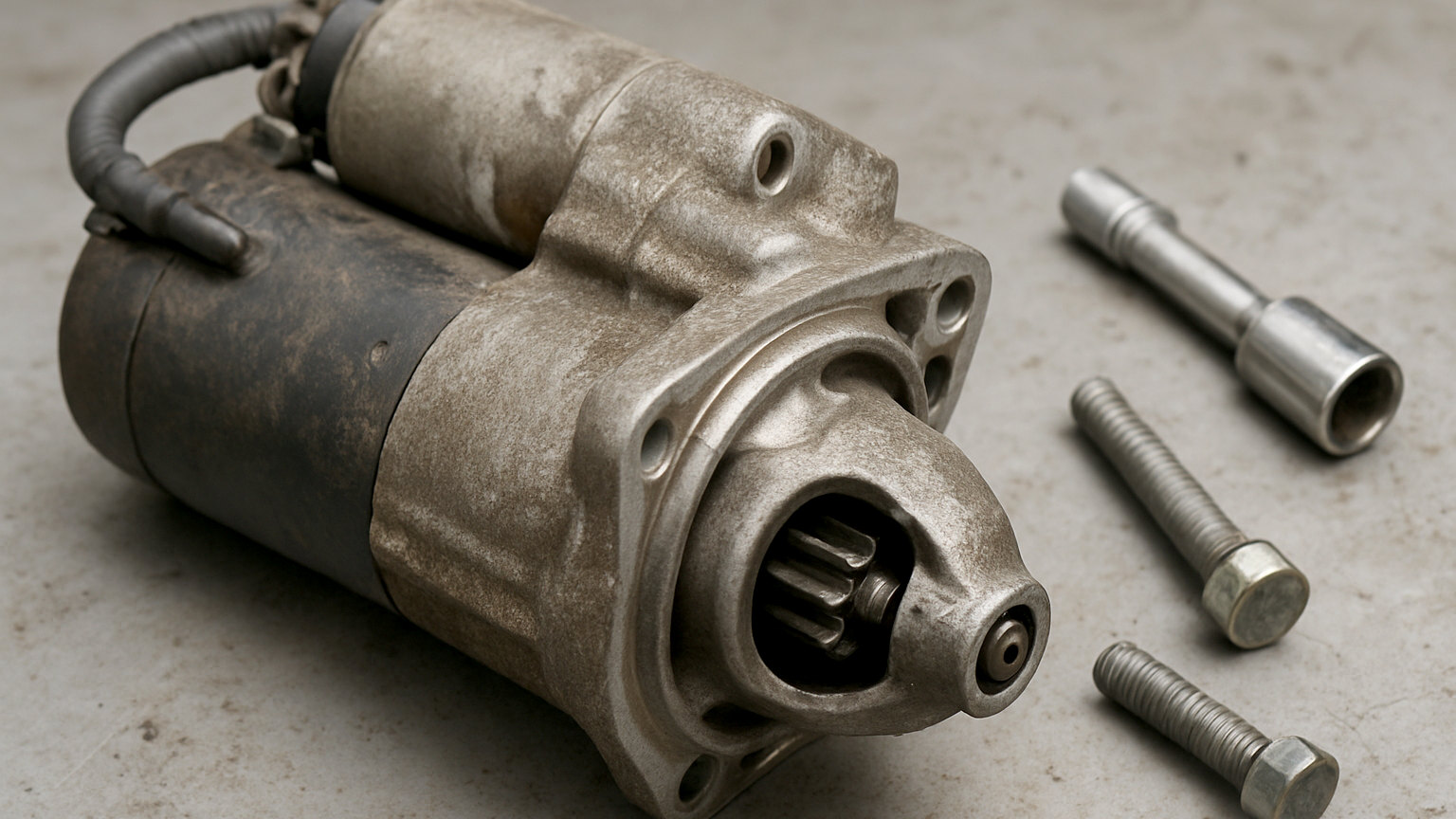
Intermittent starting is the classic signature of a worn starter, and it almost always gets worse rather than settling down.
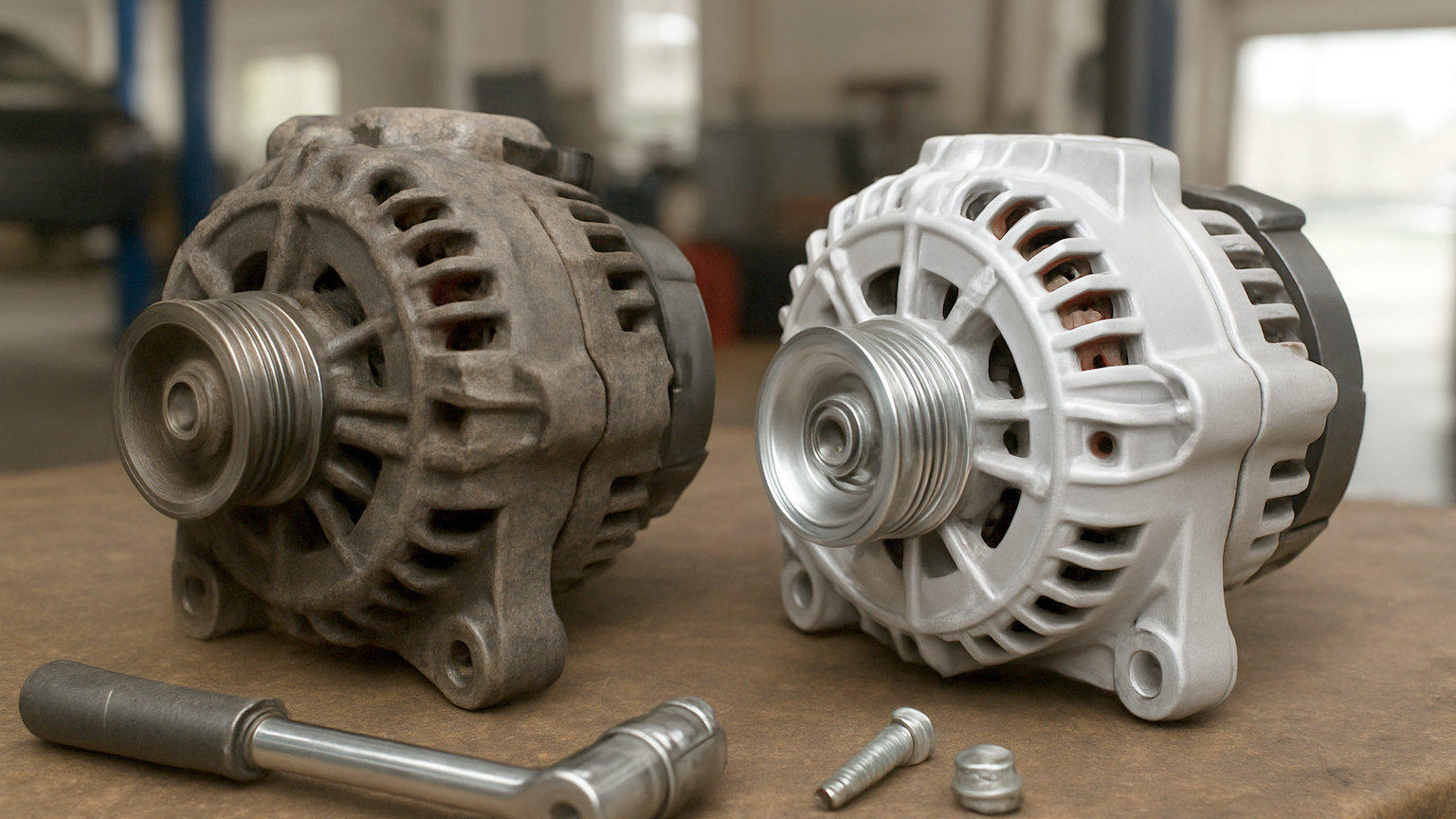
A small dip when a heavy load switches on is normal. Lights that visibly pulse or fade at every set of traffic lights are not.
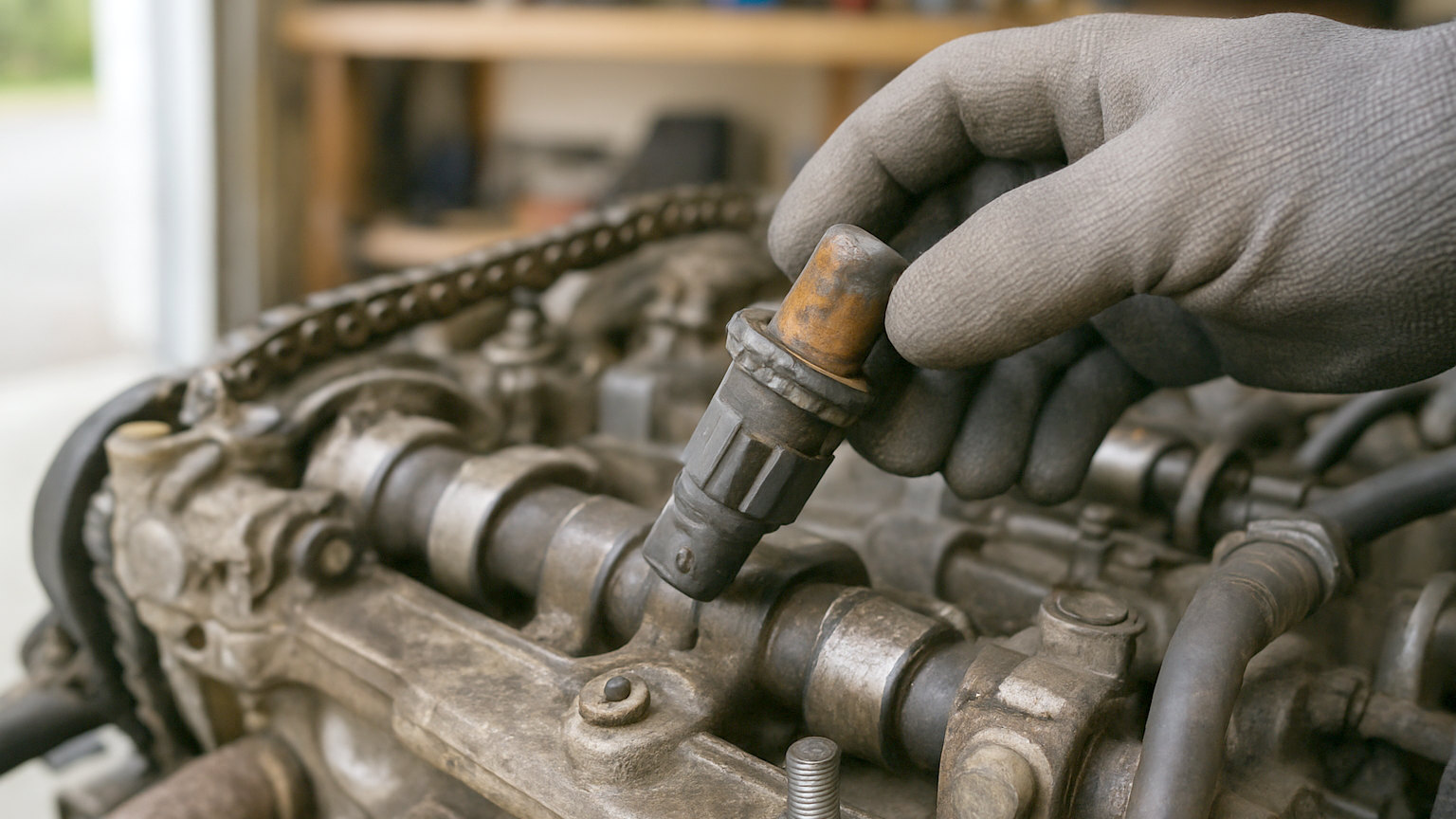
The cam sensor tells the engine which stroke it is on, and a correlation code usually means the timing chain rather than the sensor.
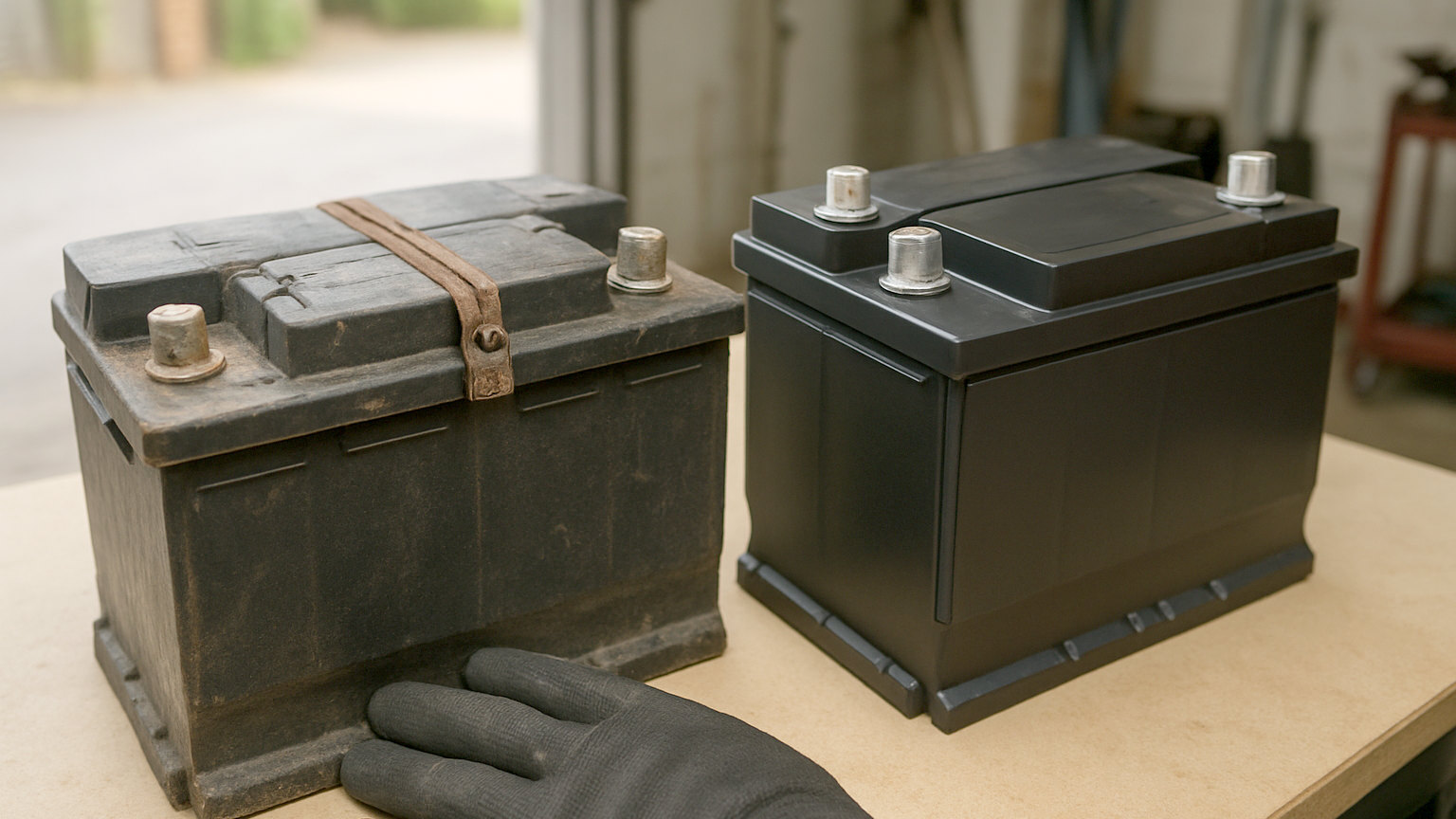
Three to five years is the usual answer, but the driving pattern matters far more than the mileage or the price paid.
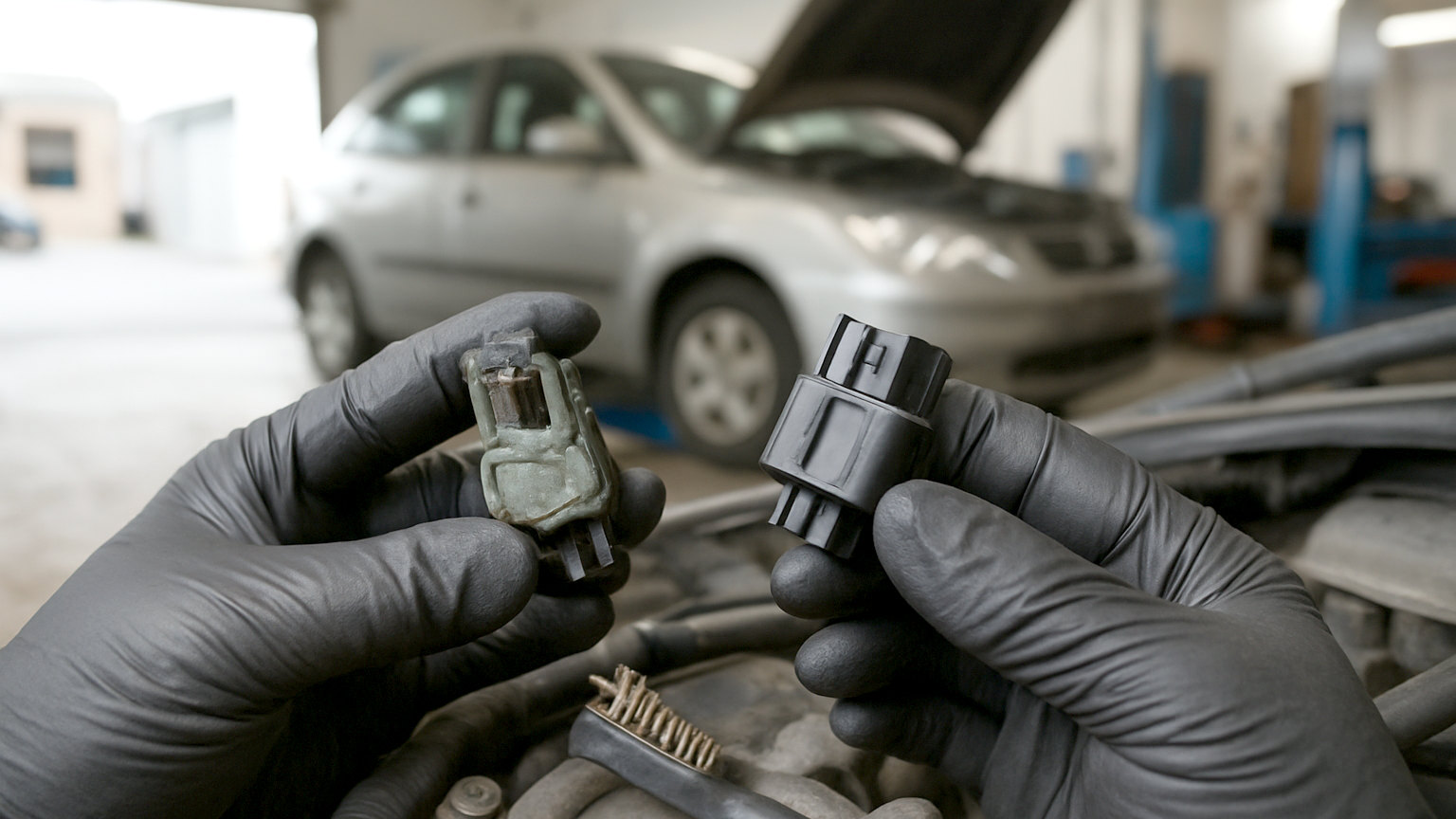
Corrosion adds resistance rather than breaking a circuit outright, which is why it produces symptoms that look like a dozen other faults.
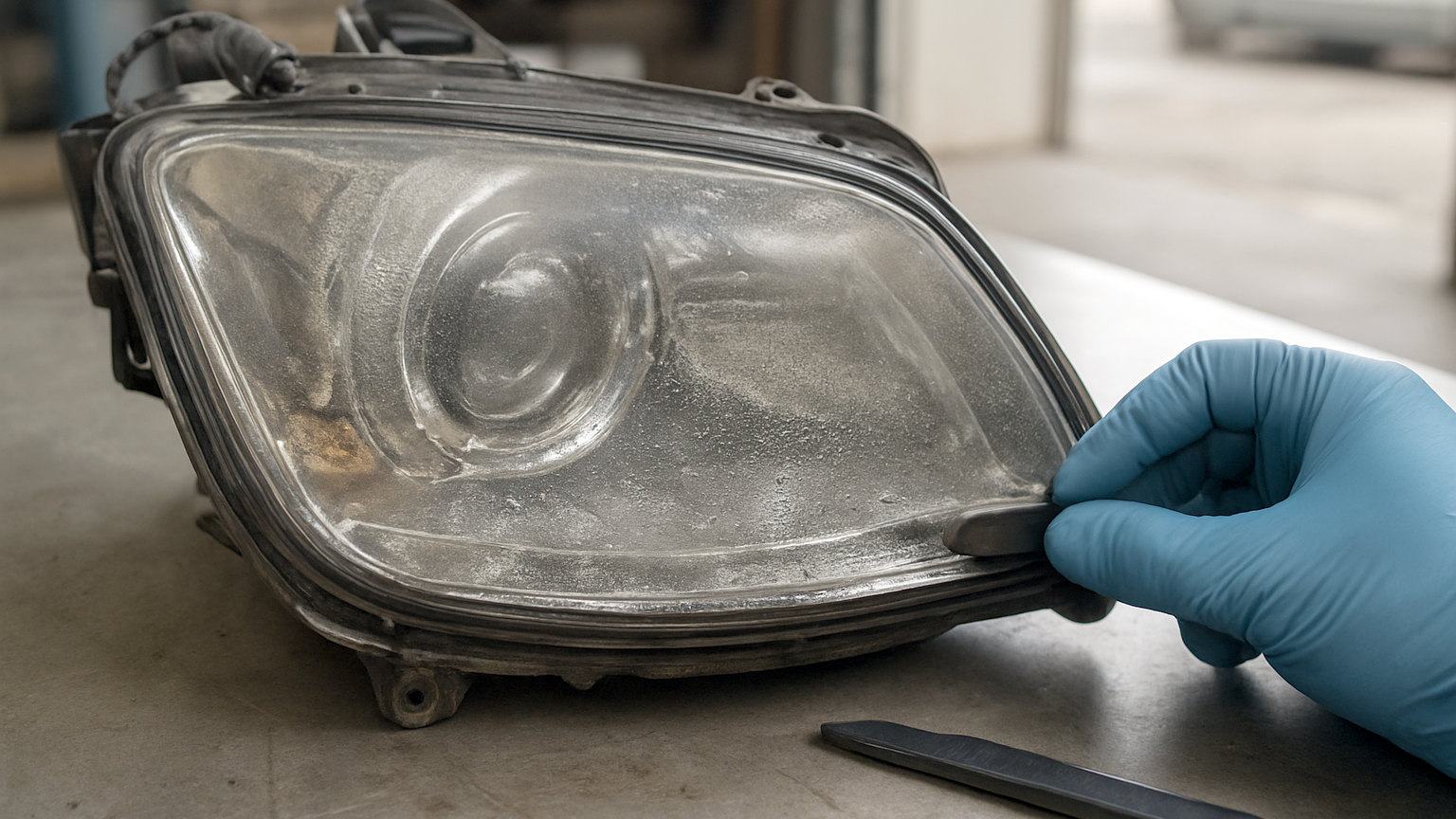
A light mist that clears when the lights are used is normal ventilation doing its job. Standing water is a failed seal.
A steady engine light means a fault was recorded. A flashing one means damage is happening right now, and the response is different.
A spinning motor that never turns the engine means the drive has failed to engage, which is a mechanical fault rather than an electrical one.