Should You Repair or Replace an Alternator?
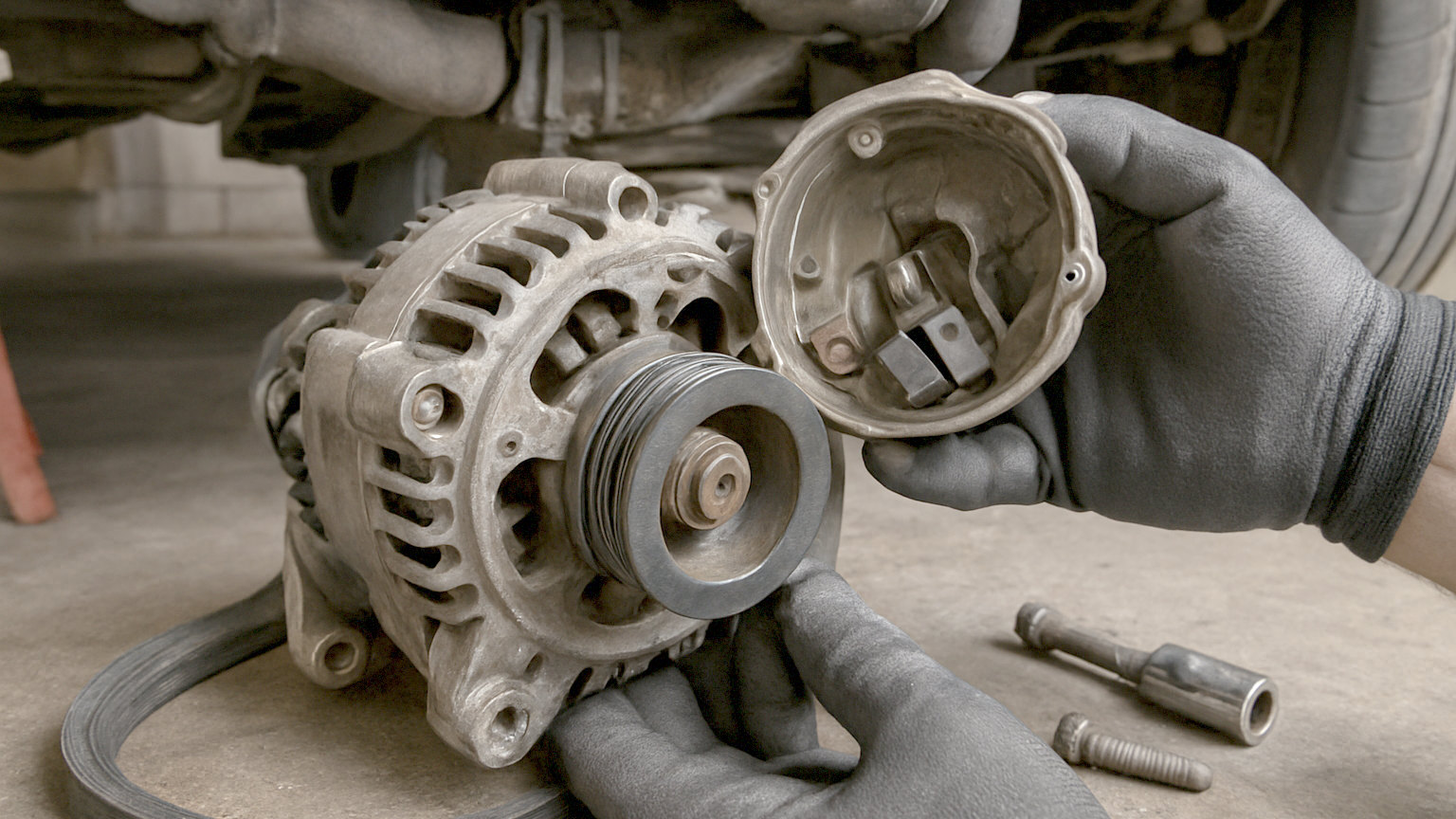
Brushes and regulators are wear items that can often be renewed, so a failed alternator does not always mean a whole new unit.
By Car Problems Team
8 Apr 2026

Electrical faults are the ones drivers most often misread, because the same symptom has two completely different price tags behind it. A car that clicks and won’t turn over might need a fifteen-minute battery swap or a starter motor; a battery that keeps going flat is usually not the battery at all. These guides show you how to tell which is which before you spend anything, what each dashboard warning light genuinely means as opposed to what it feels like it means, and which faults are safe to drive on and which are not.
Brushes and regulators are wear items that can often be renewed, so a failed alternator does not always mean a whole new unit.
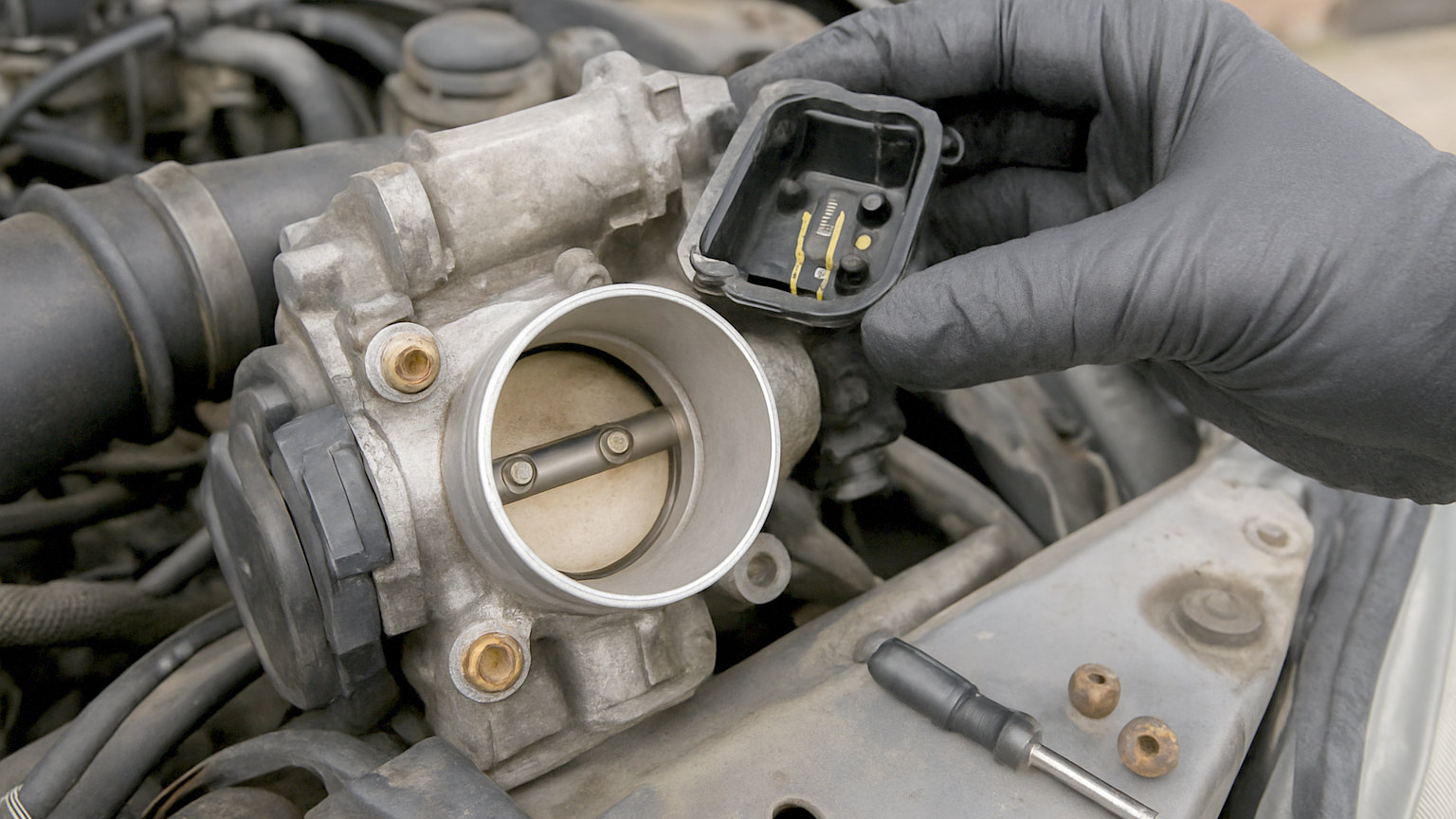
Some faults are recorded not because a reading is impossible but because two readings disagree, and neither sensor need be broken.
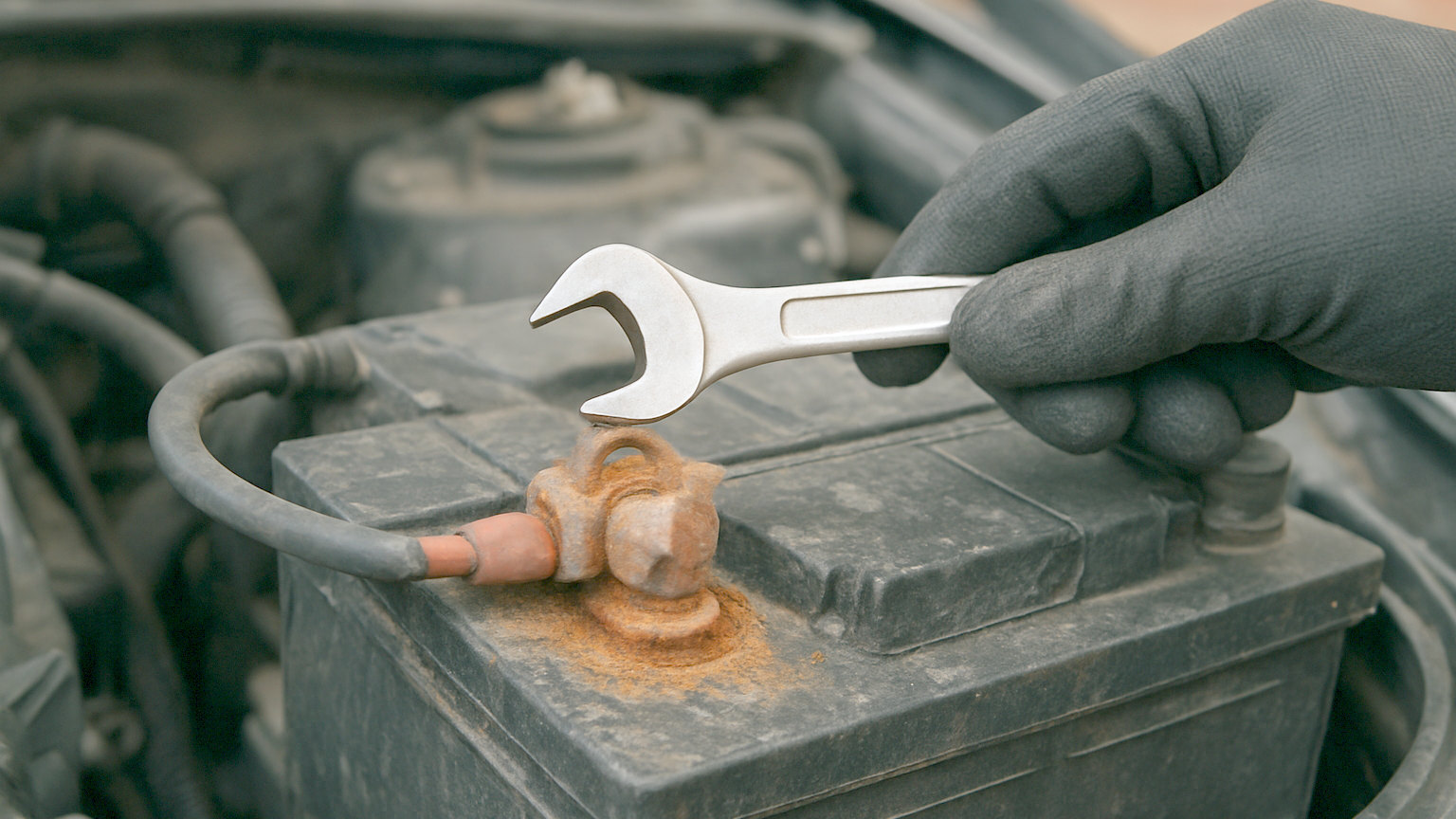
A smart conditioner left connected does more for battery life than any other single purchase, particularly on a car that sits.
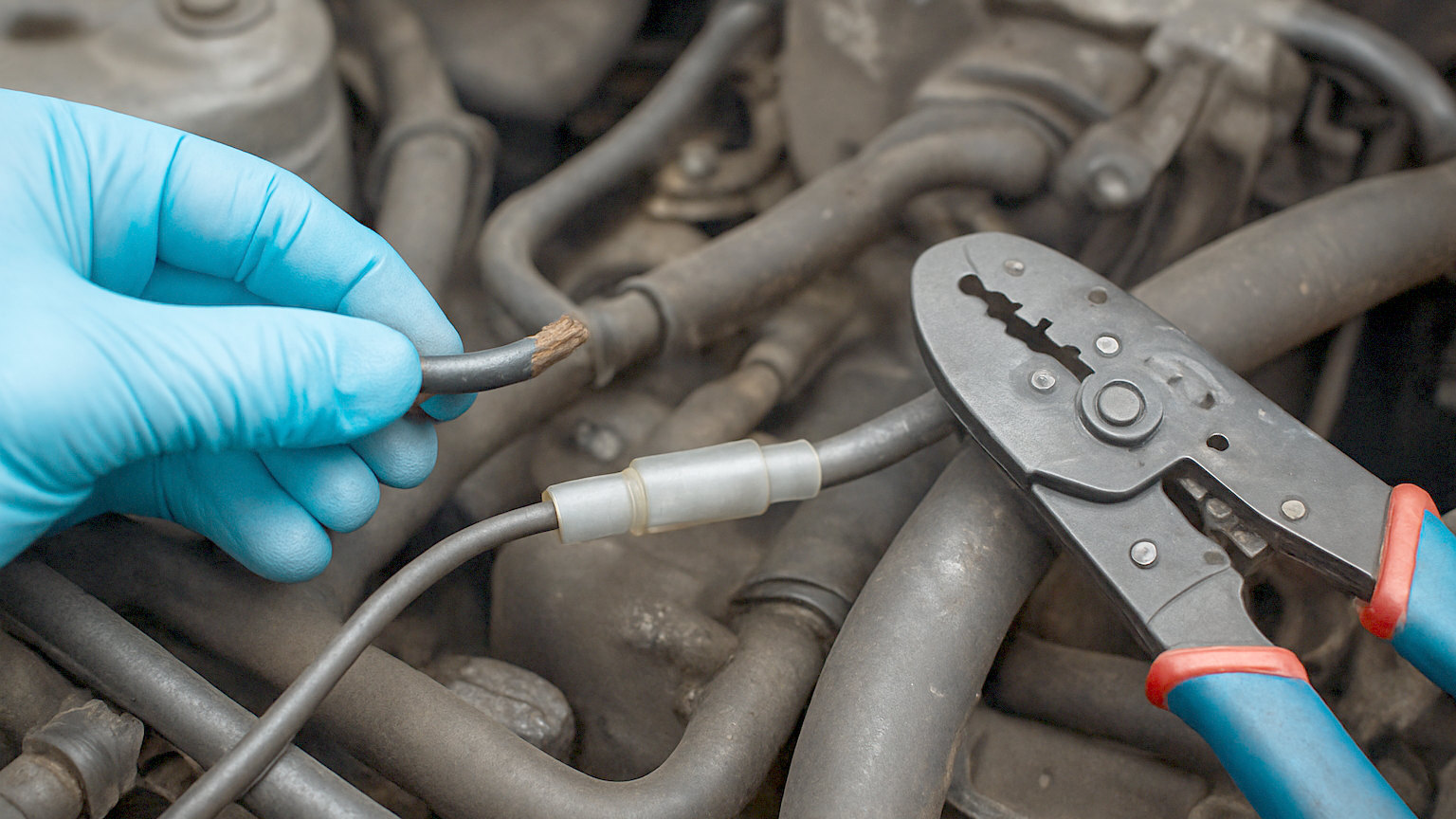
A wire repair either lasts the life of the car or fails within two winters, and the difference is entirely in the method.
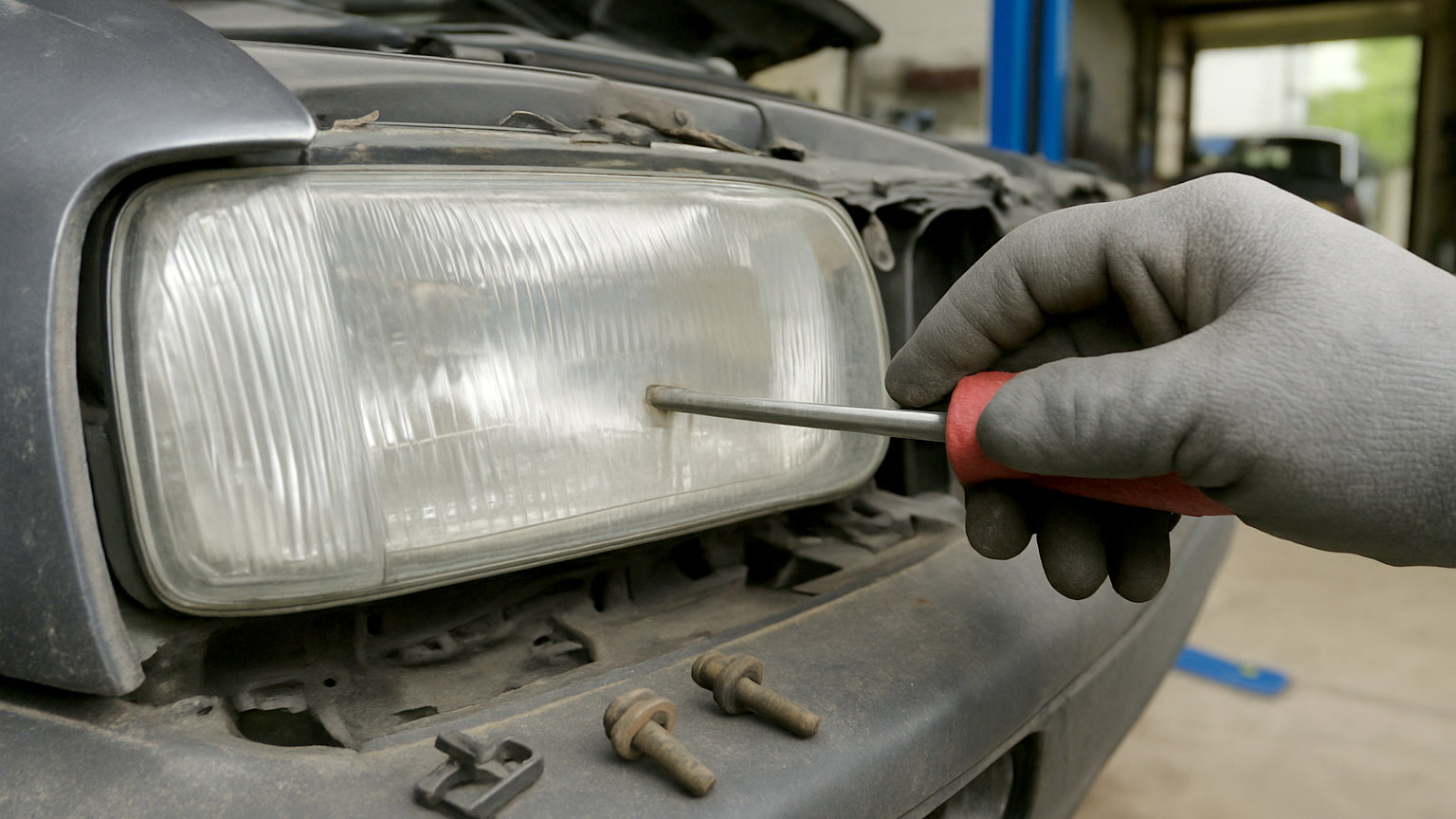
Headlight aim drifts over time and after any front end work, and getting it wrong either blinds other drivers or leaves you short of light.
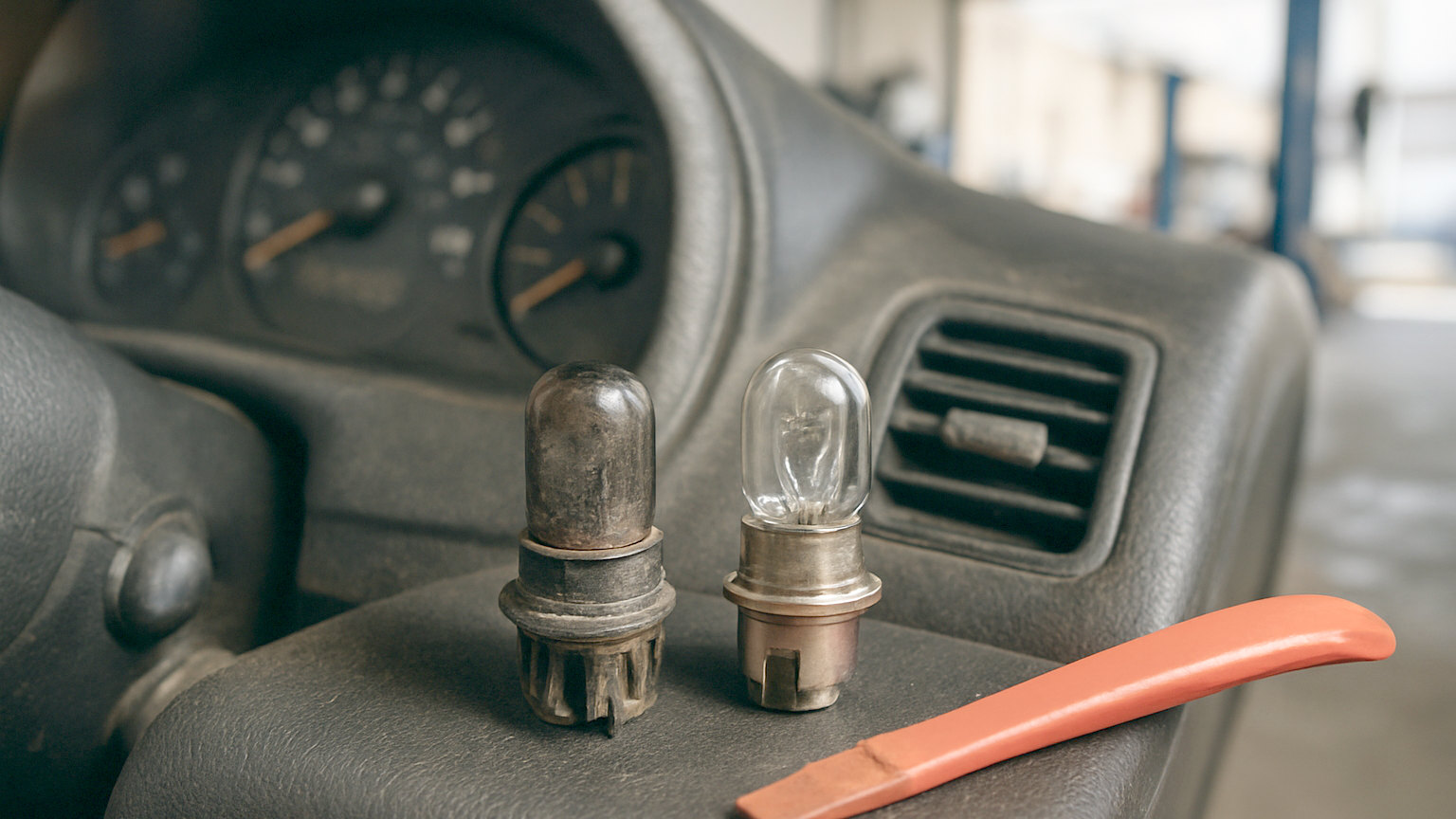
A number of dashboard warnings are straightforward MOT failures, and removing the bulb makes things worse rather than better.
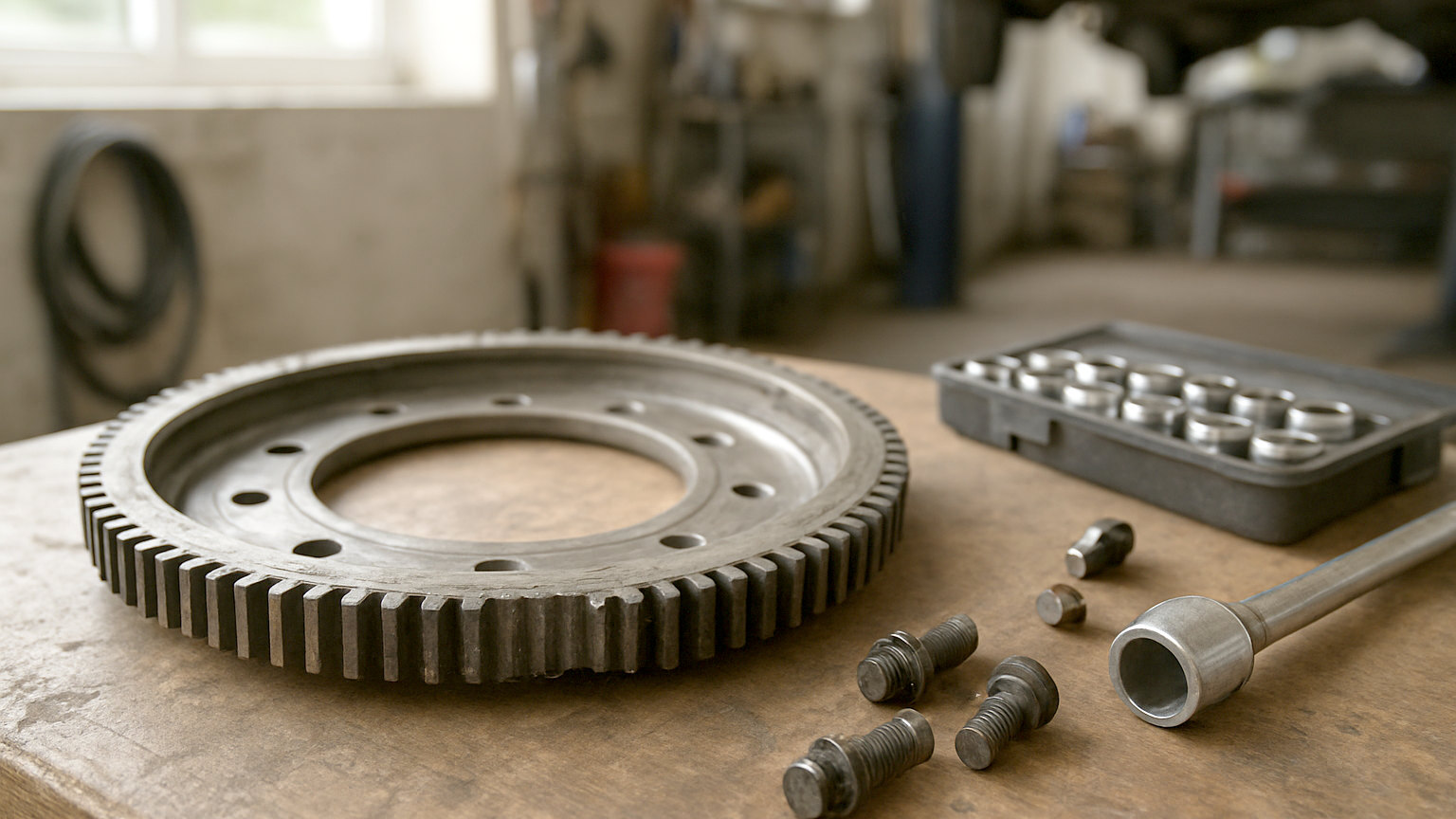
The ring gear turns a small motor into something capable of spinning an engine, and repairing damaged teeth means removing the gearbox.
These two faults produce overlapping symptoms and very different bills, and a fixed order of tests separates them without guesswork.
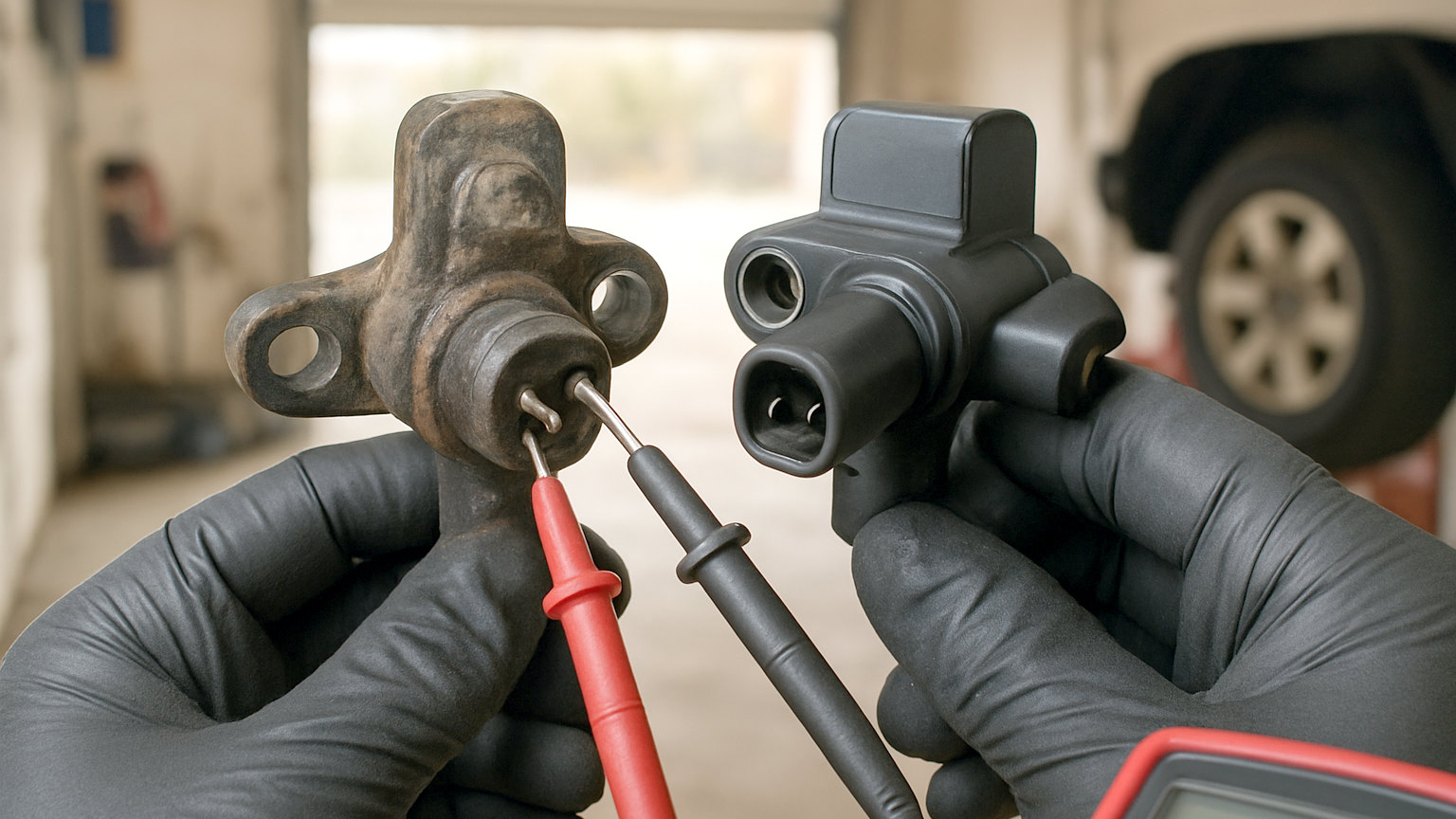
Proper sensor testing asks whether the reading is plausible, not whether a code exists, and that distinction saves a great deal of money.
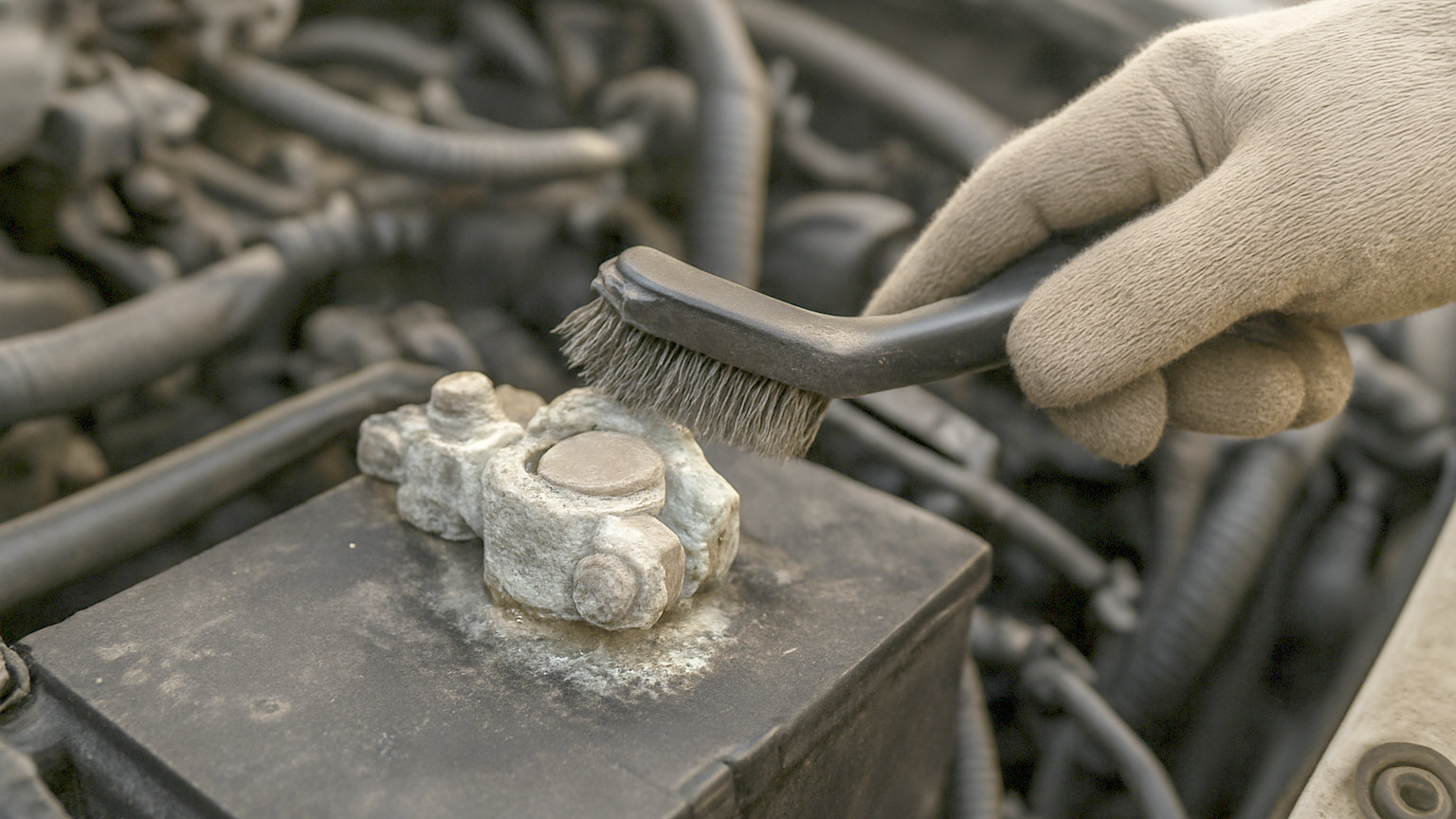
Most batteries are killed by how the car is used rather than by any fault, and the worst offenders are entirely within your control.