How Do You Change a Car Battery Safely?
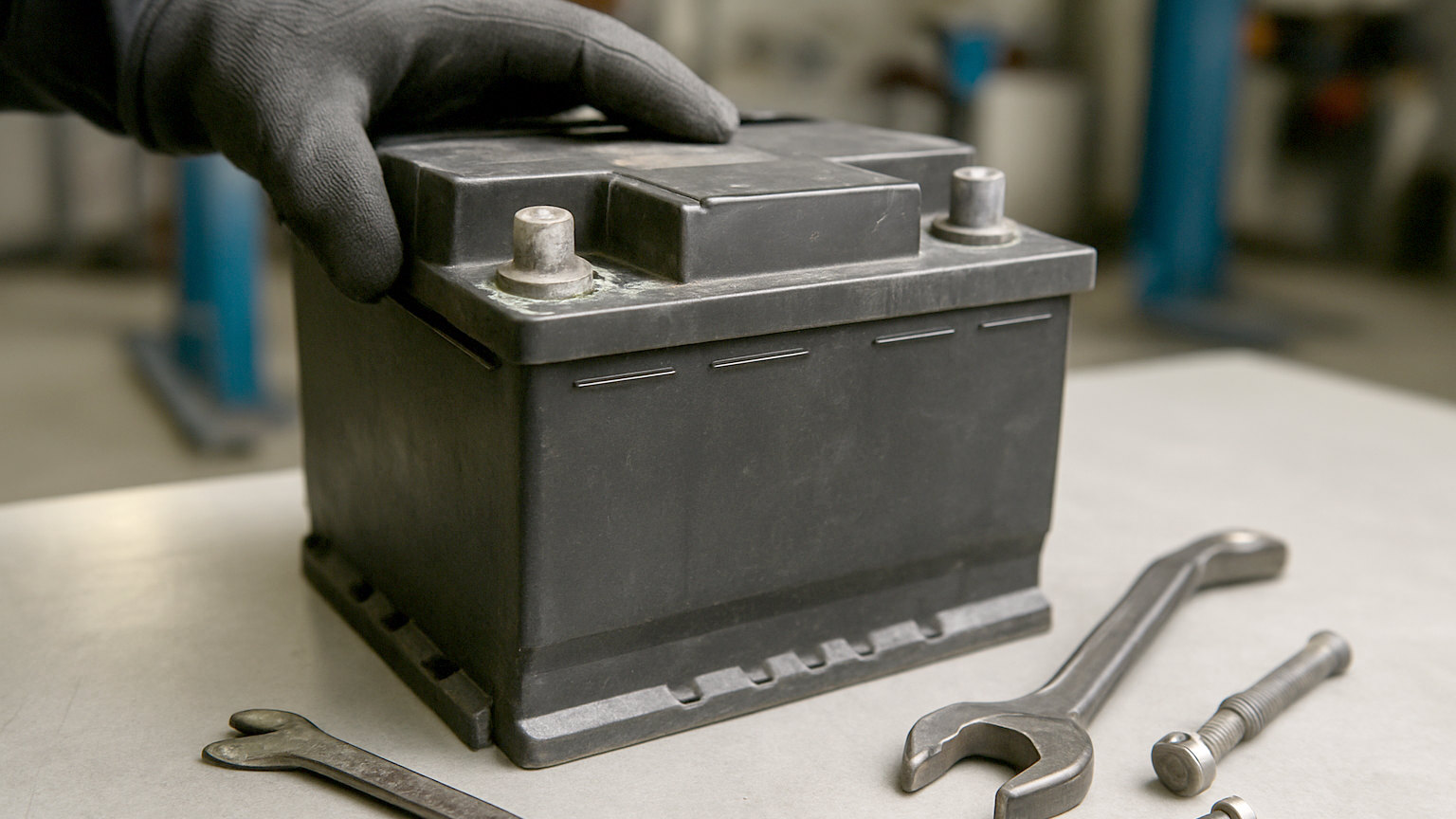
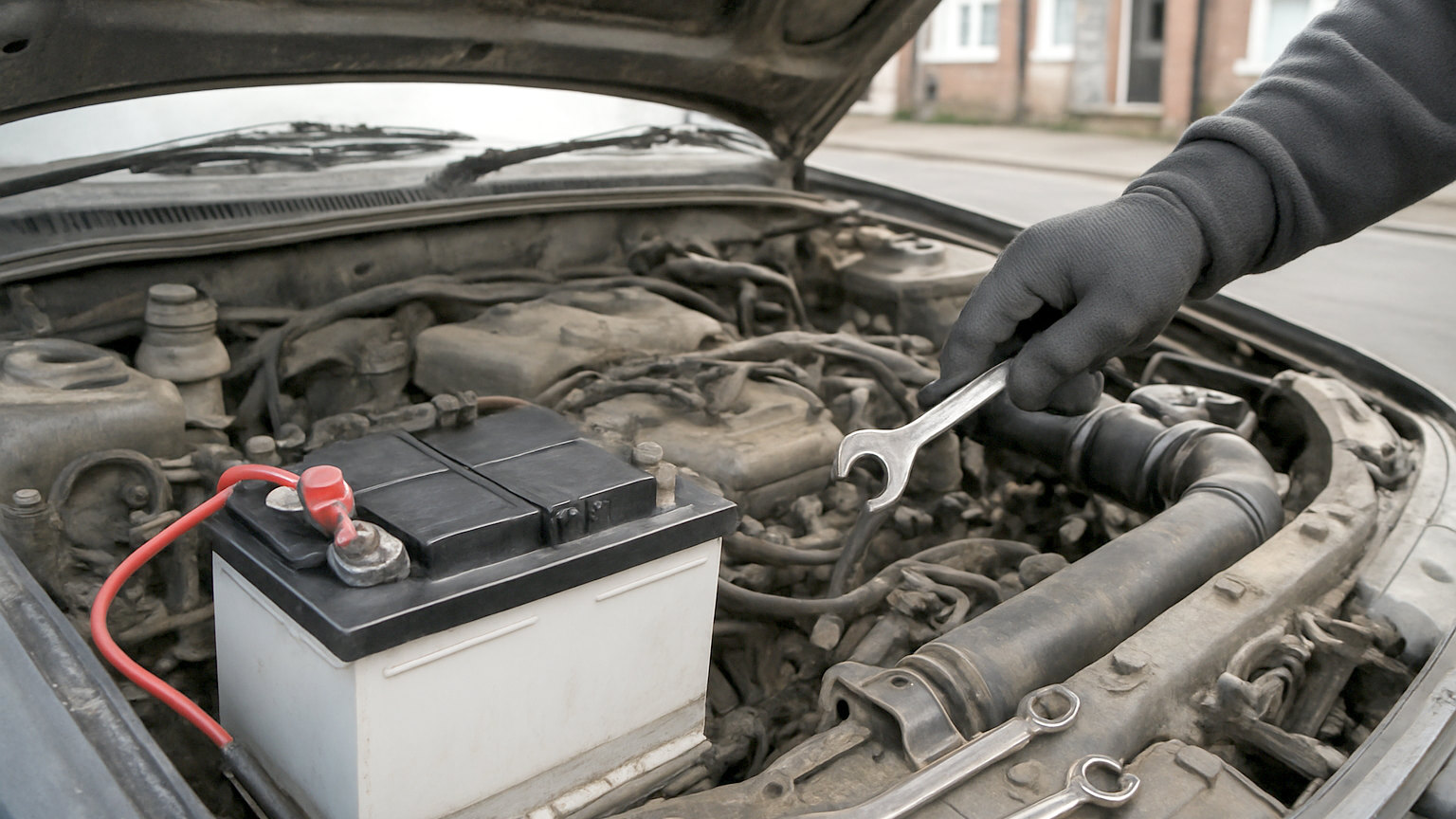
The order of the terminals is not a formality, and getting it wrong at the wrong moment produces a spark across a live spanner.
By Car Problems Team
9 Mar 2026

Electrical faults are the ones drivers most often misread, because the same symptom has two completely different price tags behind it. A car that clicks and won’t turn over might need a fifteen-minute battery swap or a starter motor; a battery that keeps going flat is usually not the battery at all. These guides show you how to tell which is which before you spend anything, what each dashboard warning light genuinely means as opposed to what it feels like it means, and which faults are safe to drive on and which are not.
The order of the terminals is not a formality, and getting it wrong at the wrong moment produces a spark across a live spanner.
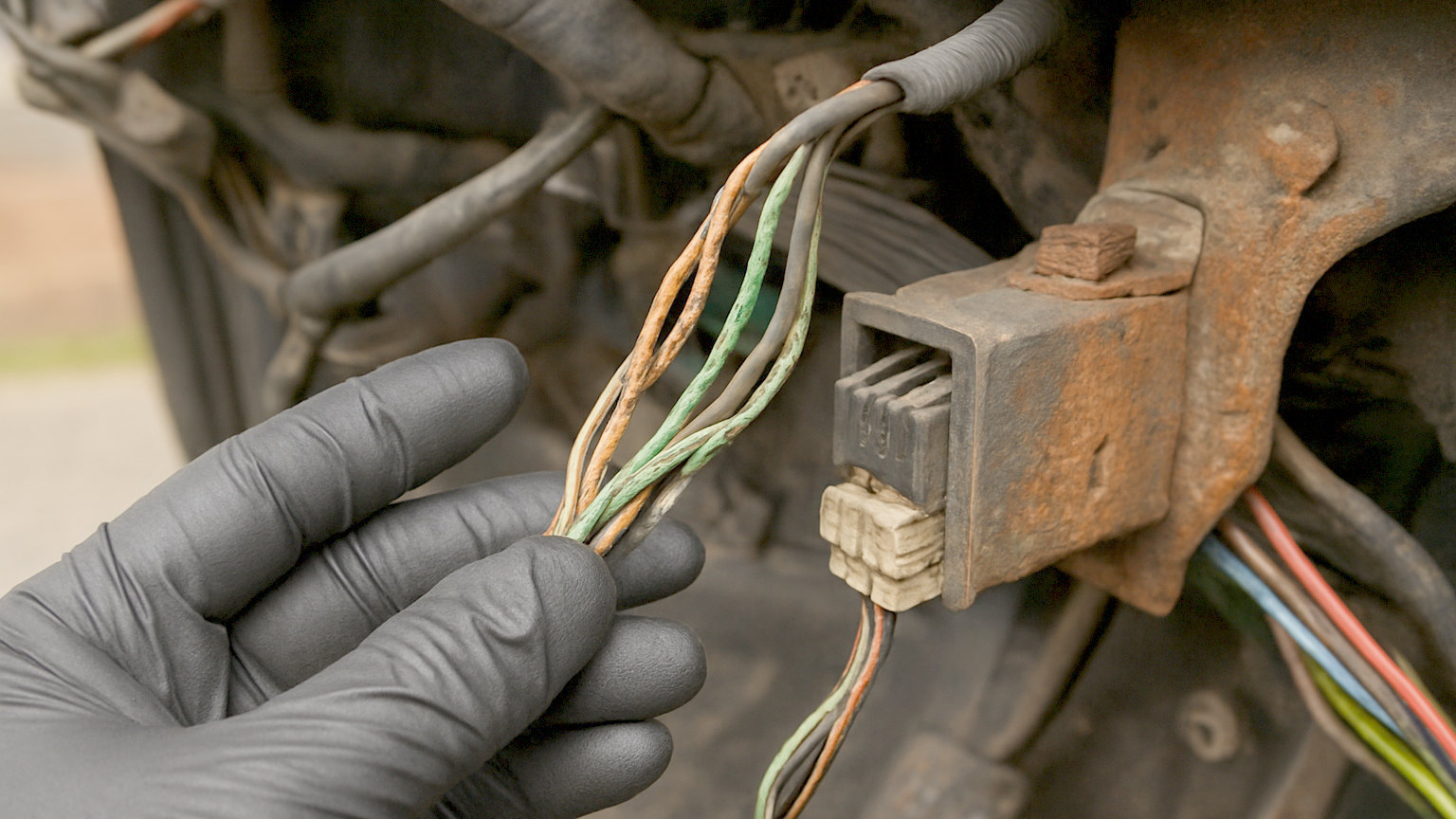
Modern cars replaced hundreds of individual wires with a shared two wire network, which is efficient until something disrupts it.
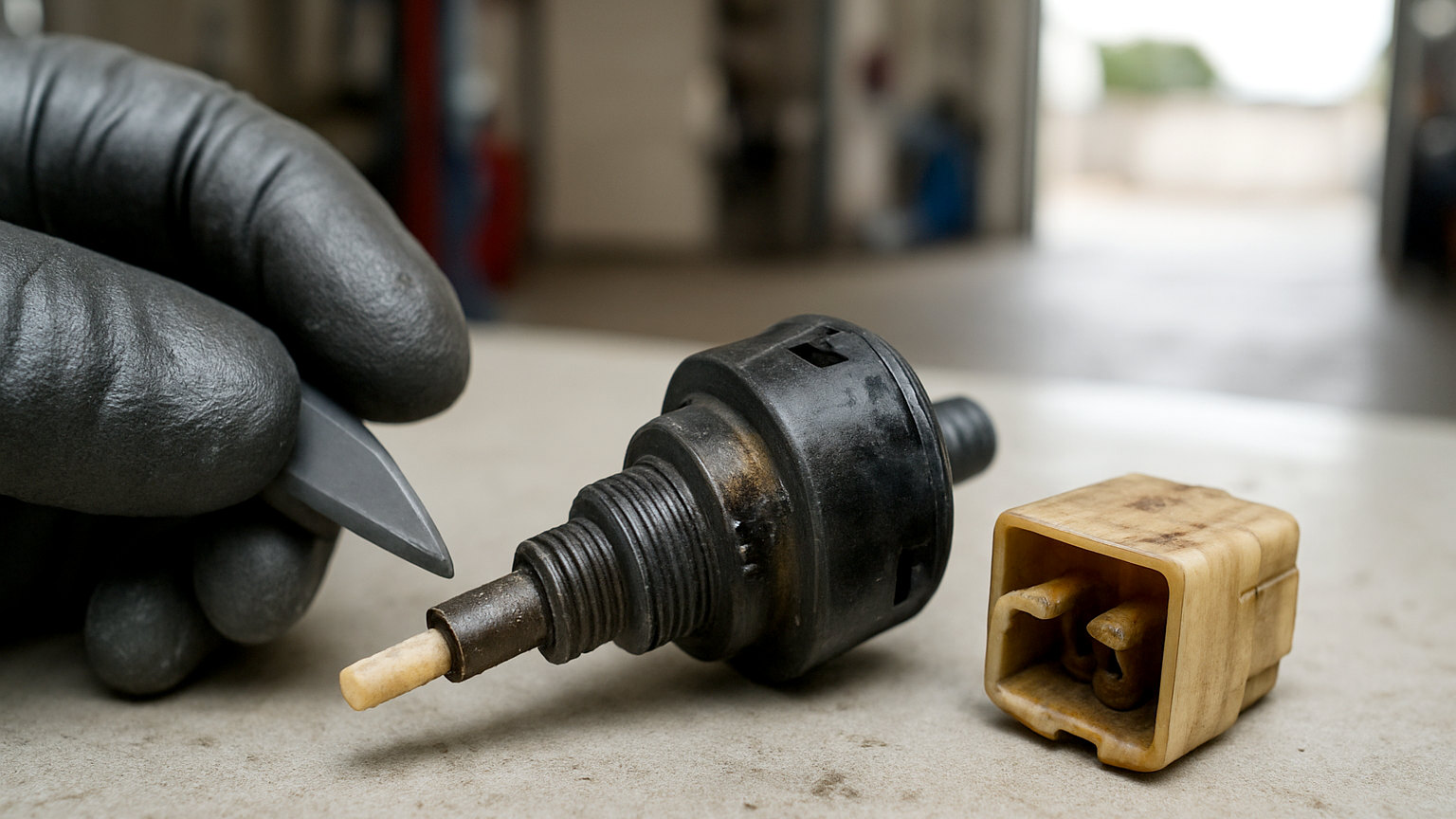
When all the brake lights fail together it is almost never the bulbs, and one inexpensive switch behind the pedal is usually responsible.
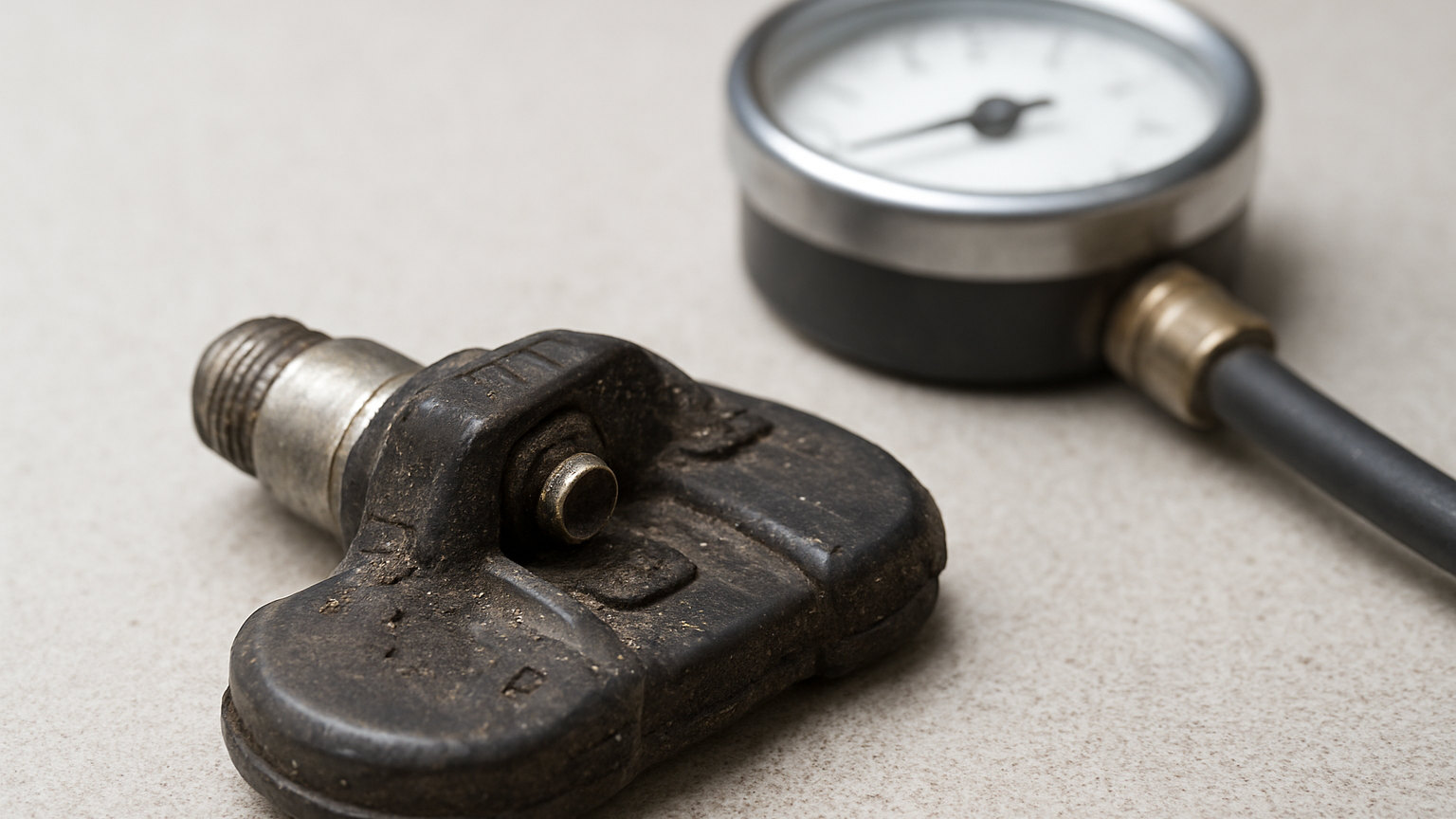
A tyre pressure light is usually telling the simple truth, and the correct response is a pressure gauge rather than a diagnostic tool.
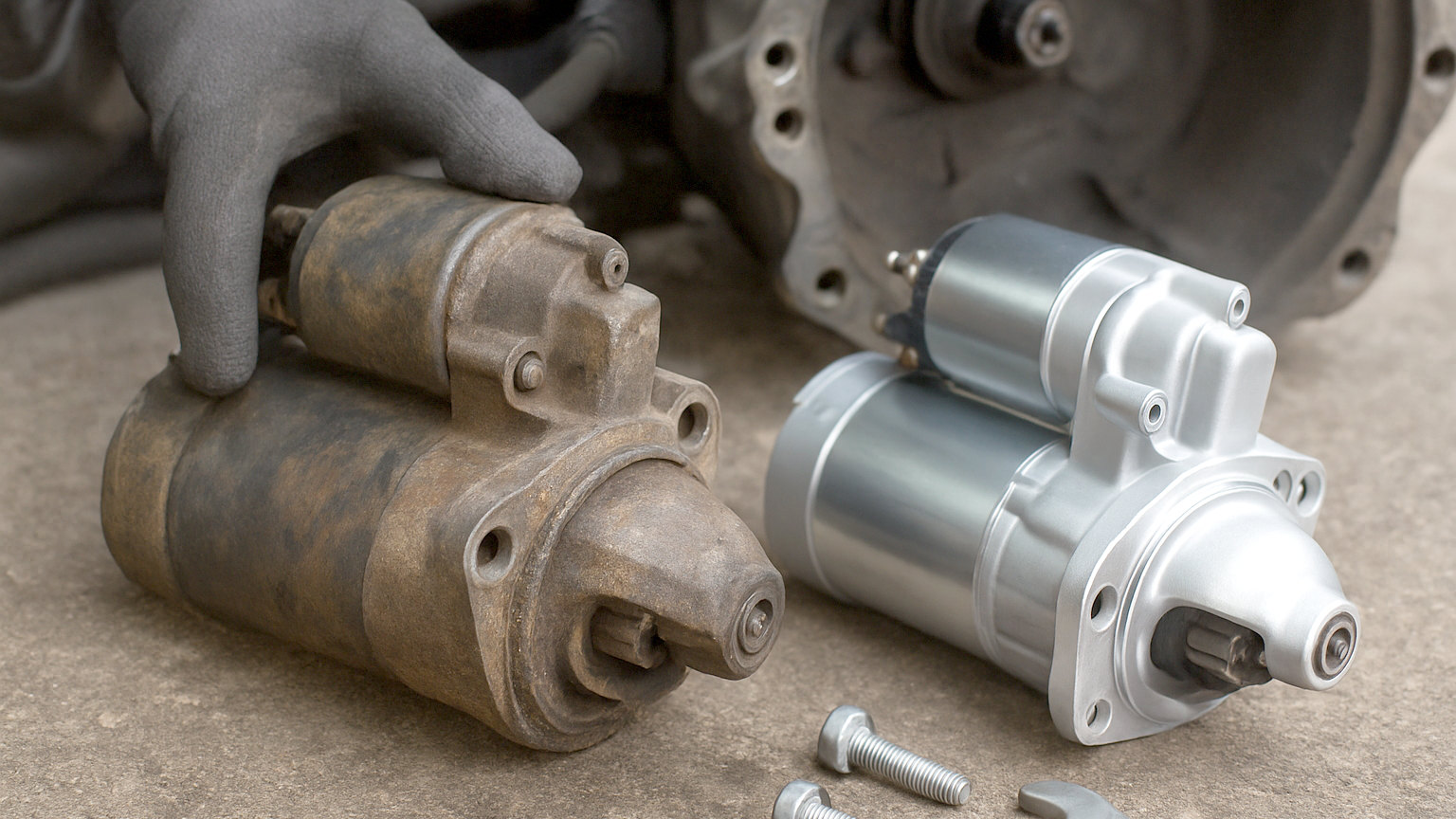
Heat soak raises resistance in a worn starter, which is why some cars start perfectly cold and refuse after a shop stop in summer.
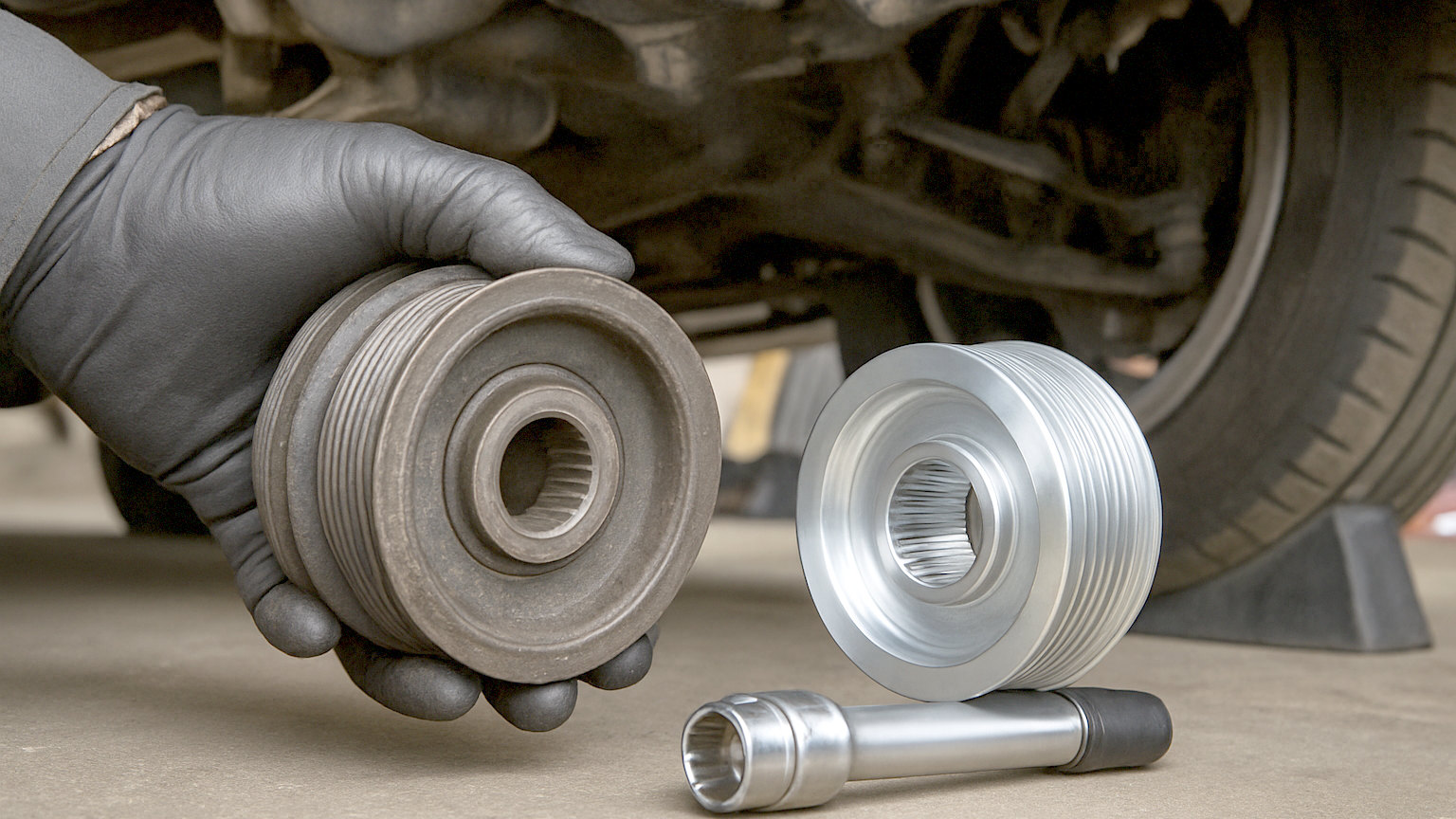
A small one way clutch inside the pulley smooths the belt drive, and when it fails it produces rattles that are blamed on the alternator itself.
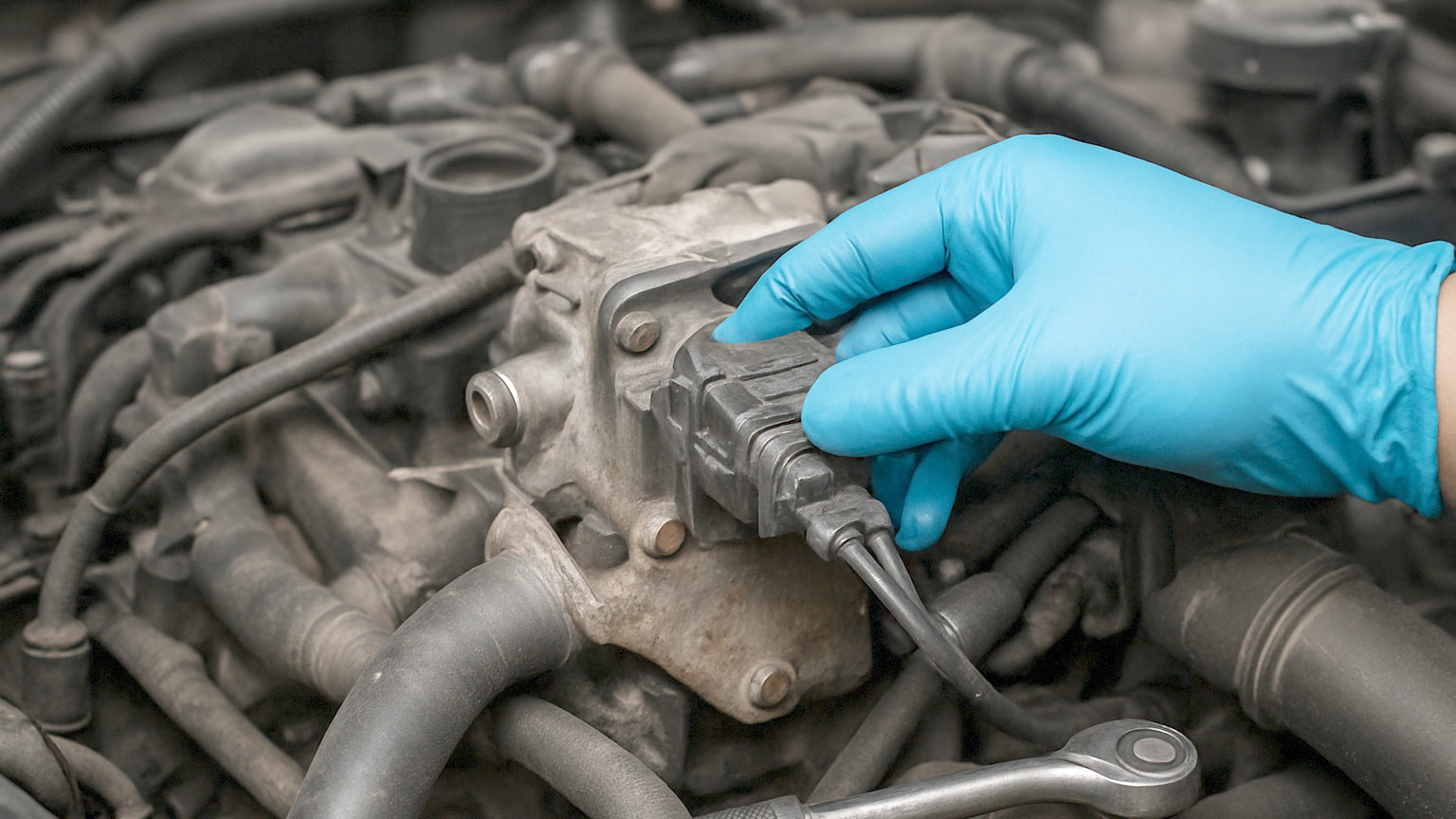
Throttle faults are felt through the pedal rather than seen on the dashboard, and modern systems use two sensors that must agree.
Stop-start systems cycle a battery far harder than conventional cars do, and fitting the wrong type is one of the more expensive false economies.
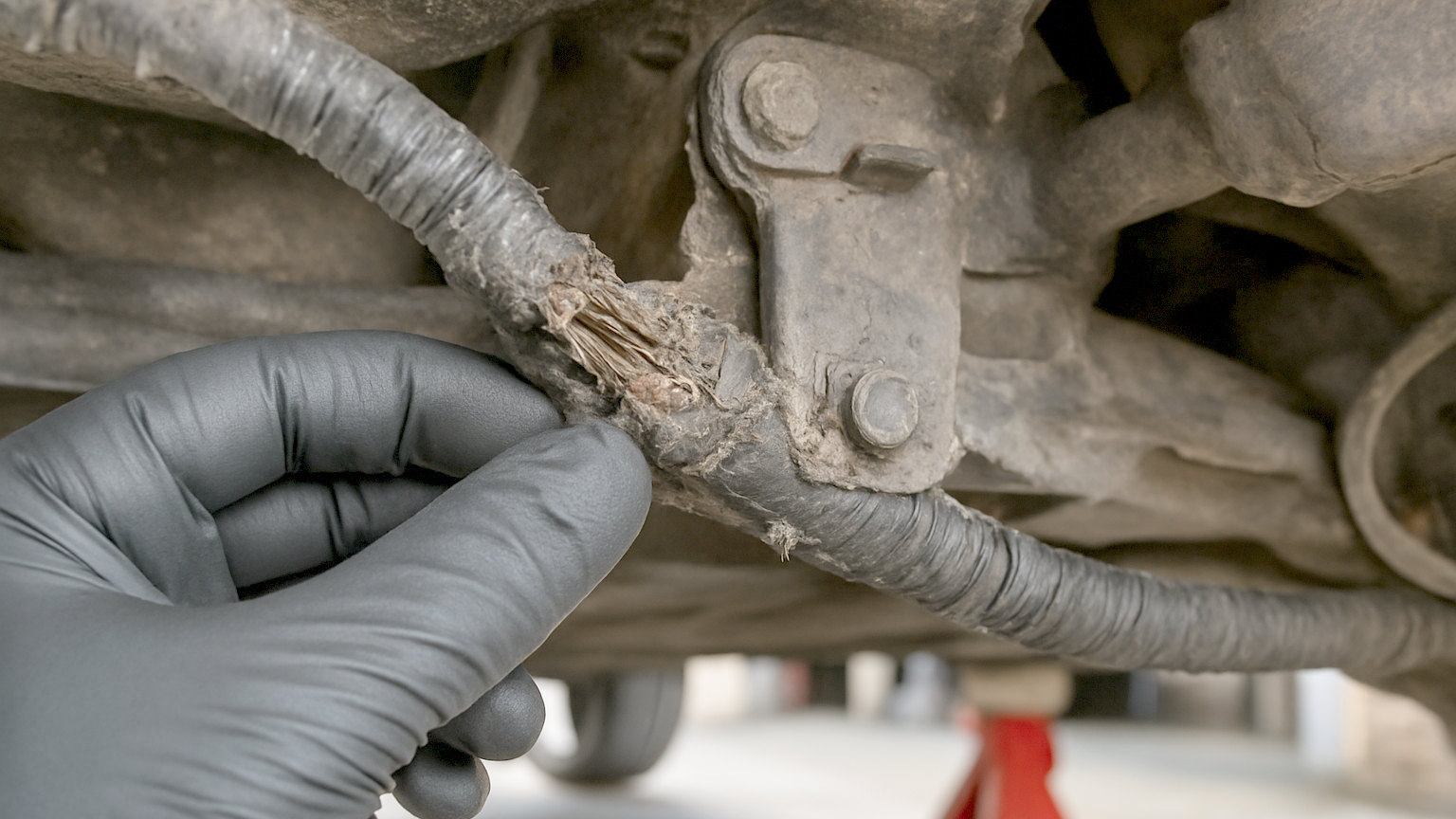
Mice and rats genuinely do nest in engine bays and chew looms, and the damage is often found long after the animal has gone.
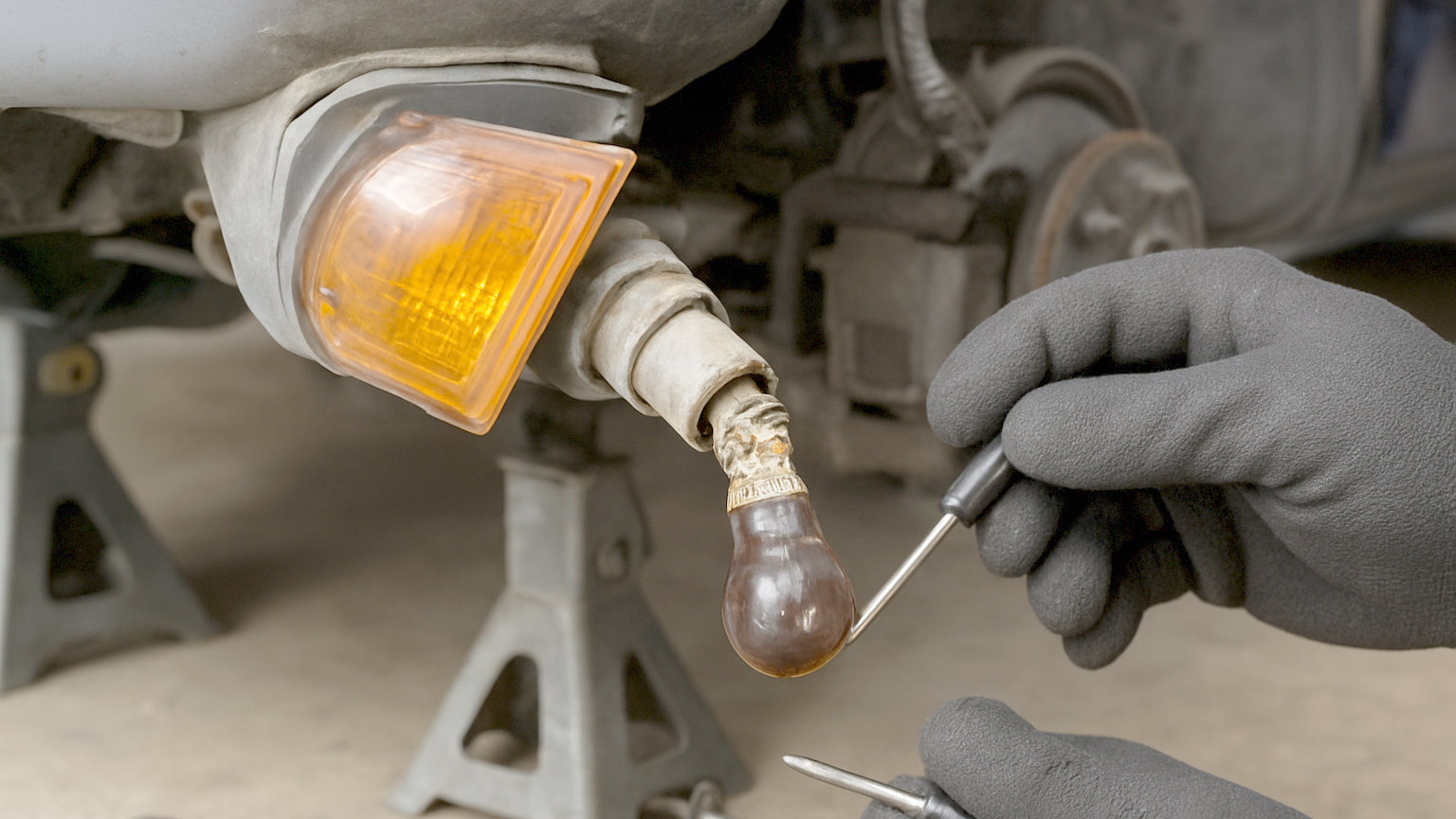
Rapid flashing is a deliberate warning built into the car, telling you a bulb on that side has failed before anyone flashes you about it.