
Most warning lights are an instruction to book the car in. A small number are an instruction to stop, and the difference is worth knowing in advance because it is a decision usually made at speed with limited information. The common thread is that these warnings indicate either a safety system has failed or that continuing will cause damage measured in miles rather than months.
Why is the oil pressure light the most urgent?
Because it is not a level warning. The red oil light means oil is no longer reaching the bearings at the pressure needed to keep metal surfaces apart, and an engine can destroy itself within a minute in that condition. This is the one warning where stopping at the next junction rather than immediately can be the difference between a repair and a replacement engine. Switch off, then check the level.
What about the temperature warning?
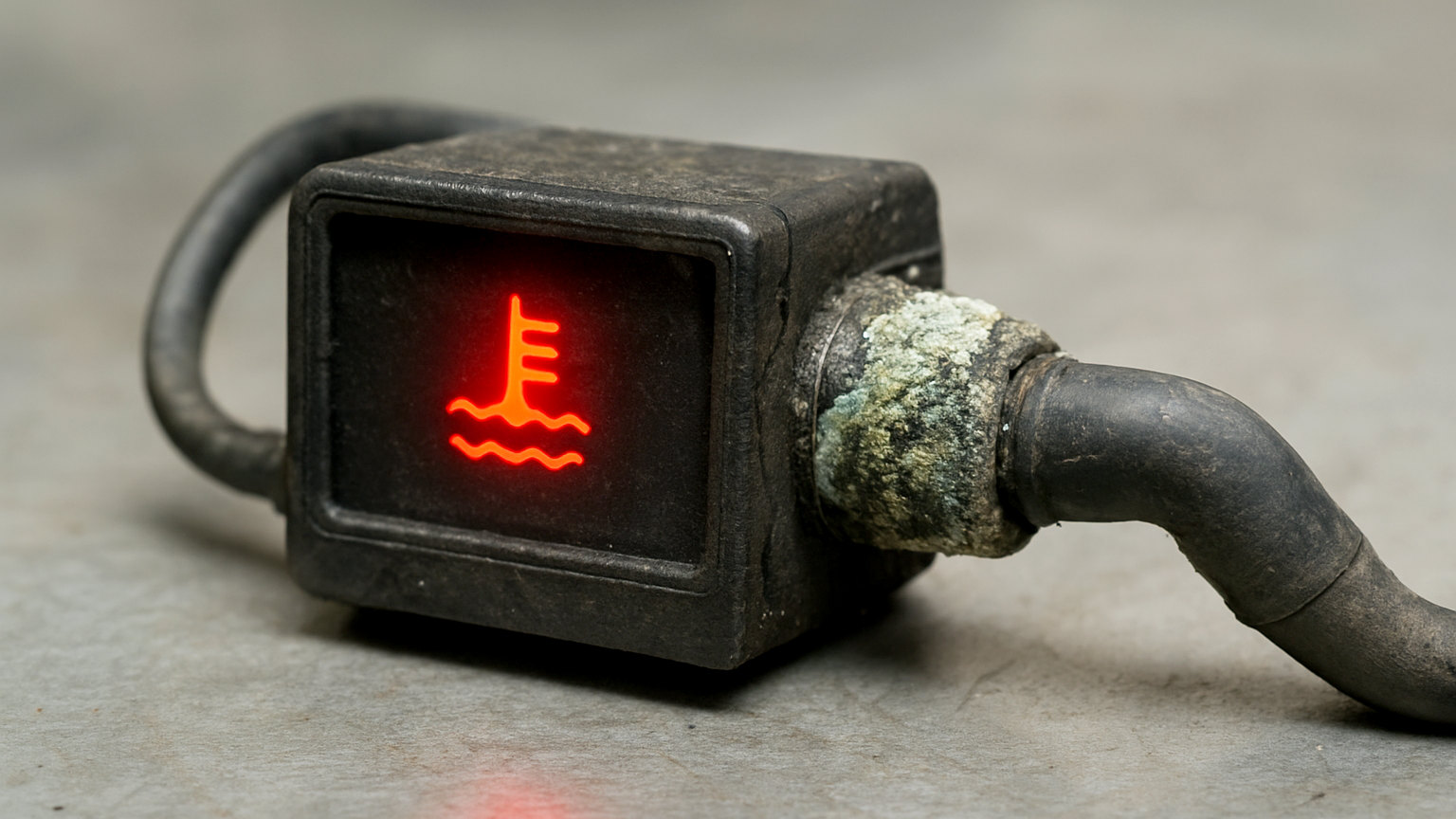
A red temperature light or a gauge in the red means the engine is overheating, and aluminium cylinder heads warp quickly once they exceed their design range. Turn the air conditioning off and the heater to full to shed heat, then stop as soon as it is safe. Never open the cooling system while hot, since a pressurised system releases scalding coolant when the cap is released.
What does a red brake warning light mean?
Usually one of three things: the handbrake is still applied, the brake fluid level has fallen below minimum, or the system has detected a fault. The first is easily checked. The second is serious, because a falling fluid level means either worn pads or a leak, and a leak means the brakes could fail. If the light is on with the handbrake released, treat it as a stop rather than a diagnosis.
Why is the charging light in this group?
Because the car is running on stored battery power and will stop when it runs out, usually without warning and possibly at speed. It also matters because on many engines the same belt that drives the alternator drives the water pump, so a charging warning accompanied by a rising temperature gauge suggests a snapped belt and imminent overheating. That combination is an immediate stop.
Are there others worth treating as stops?
A flashing engine management light, which indicates a misfire severe enough to be damaging the catalytic converter right now. Any red warning accompanied by smoke, steam, a burning smell or an unusual noise. A power steering failure warning, since the steering becomes very heavy. And on many cars, a red transmission or gearbox temperature warning, which precedes expensive damage.
How should you stop safely?
Indicate early and lose speed gradually rather than braking hard. Aim for a lay-by, side road or service area rather than a hard shoulder if there is any realistic choice. On a motorway, get out on the passenger side and stand behind the barrier rather than remaining in the car. Put the hazard lights on. Then switch the engine off rather than leaving it idling while you think, since idling is still running.
What if the light appears somewhere you cannot stop?
Reduce load immediately, which means easing off, switching off the air conditioning and any heavy electrical loads, and driving as gently as conditions allow. Continue only as far as the next genuinely safe place. The advice to stop immediately means at the first safe opportunity rather than in a live lane, and nobody expects a driver to create a hazard in order to follow it.
Should you restart to move the car?
For oil pressure, no, since further running is what causes the damage. For temperature, only after it has cooled fully and the coolant level has been checked. For a charging fault, be aware that restarting draws heavily on a battery that is not being replenished, so it may be the last start you get. In all cases recovery is inexpensive compared with the alternative.


