Can Cloudy Headlight Lenses Be Restored?
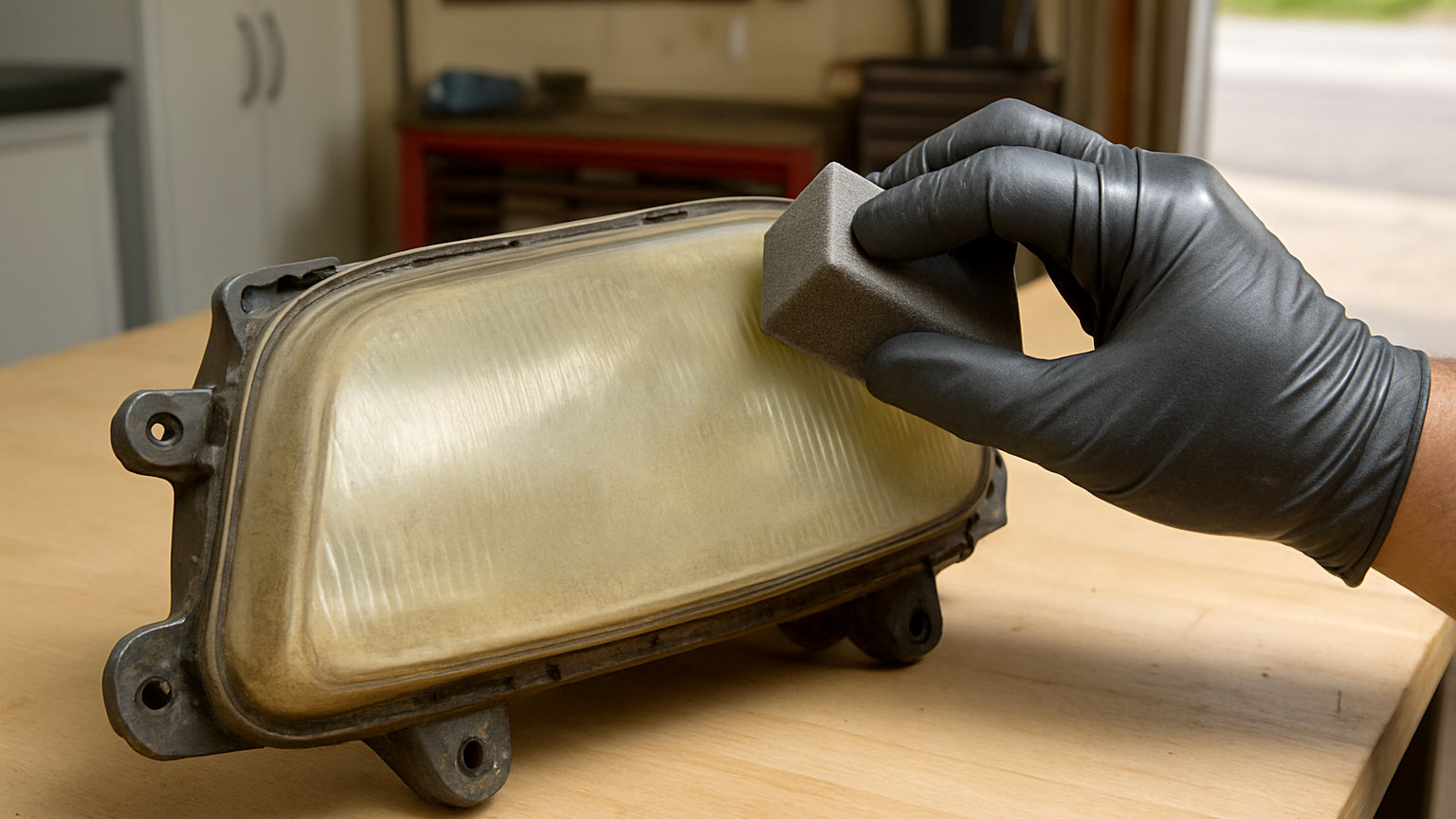
Yellowed headlights are the single biggest cause of poor night vision on older cars, and restoring them costs very little.
By Car Problems Team
18 Apr 2026

Electrical faults are the ones drivers most often misread, because the same symptom has two completely different price tags behind it. A car that clicks and won’t turn over might need a fifteen-minute battery swap or a starter motor; a battery that keeps going flat is usually not the battery at all. These guides show you how to tell which is which before you spend anything, what each dashboard warning light genuinely means as opposed to what it feels like it means, and which faults are safe to drive on and which are not.
Yellowed headlights are the single biggest cause of poor night vision on older cars, and restoring them costs very little.
The coil symbol has two entirely different meanings depending on whether it goes out normally or stays on and flashes.
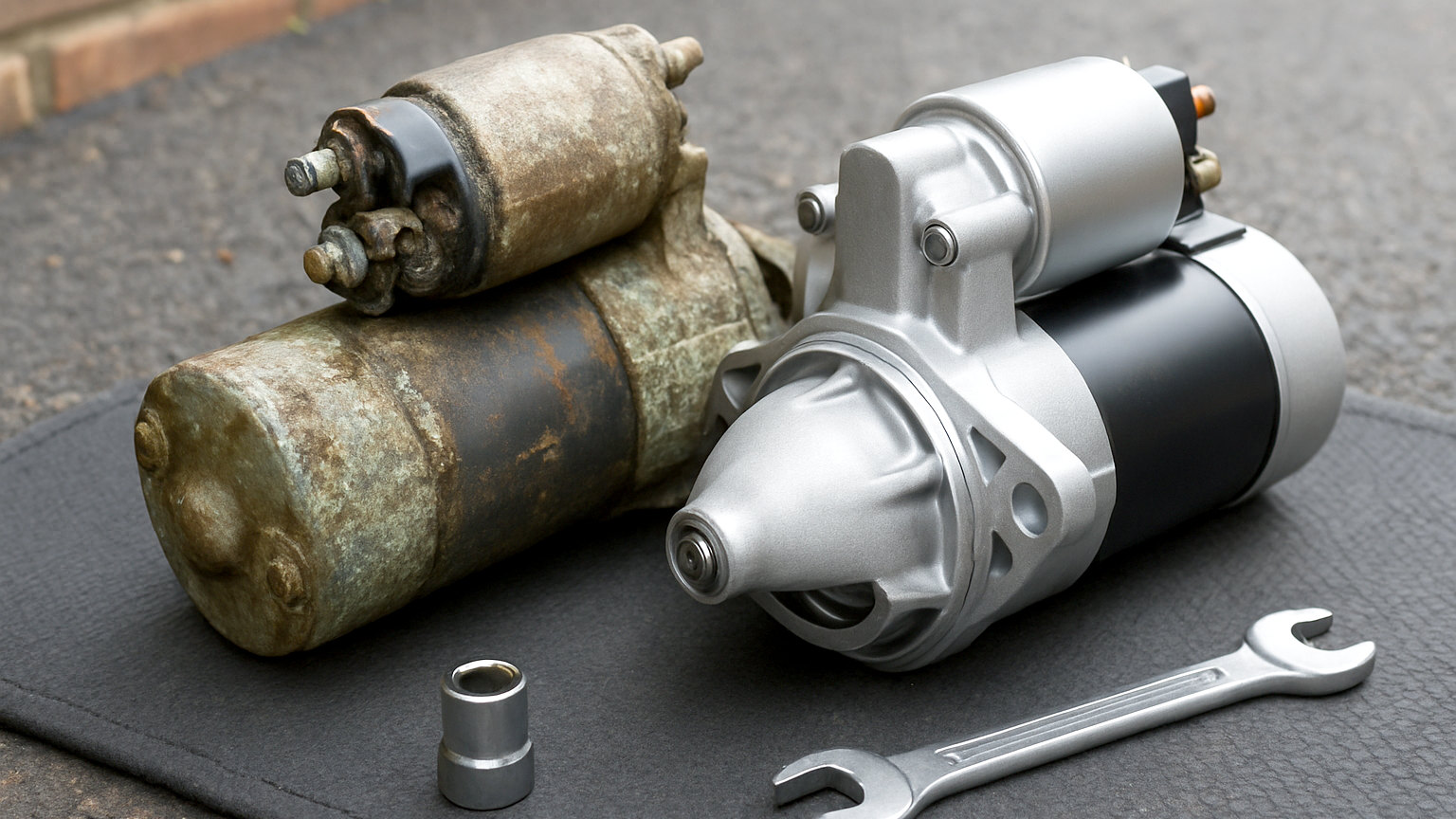
A stop-start car may restart its engine a hundred times a day, which needs a completely different starter and a battery to match.
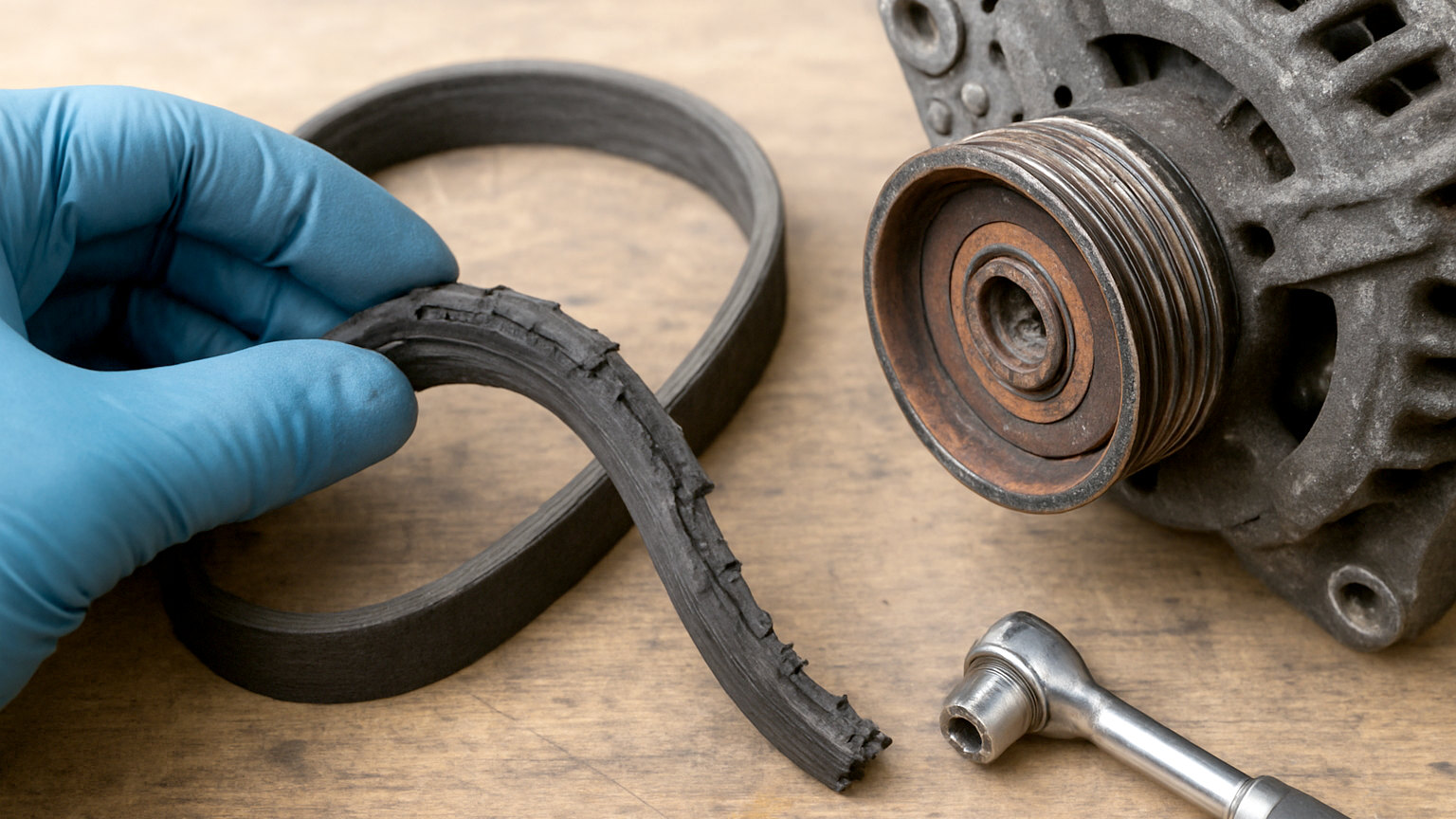
A belt that keeps failing is rarely a bad belt, and the component that ruined it is usually still fitted to the car.
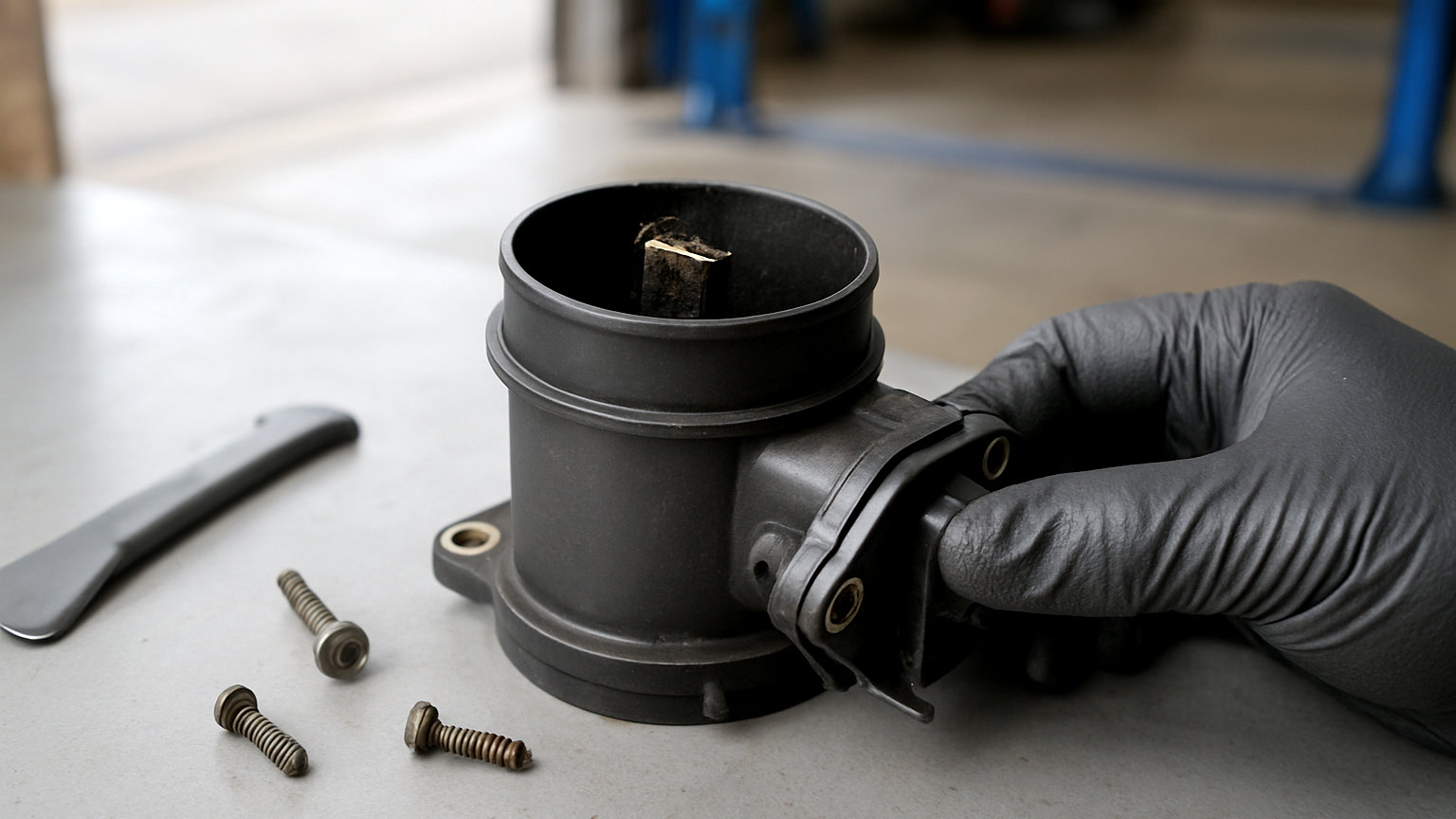
Cleaning restores a sensor that is coated and does nothing for one that has worn out, and knowing which is which saves money either way.
Batteries do give warning, but the signs are subtle enough that most people only recognise them in hindsight after the breakdown.
Several systems failing together is nearly always one shared connection, and the shared connection is usually an earth.
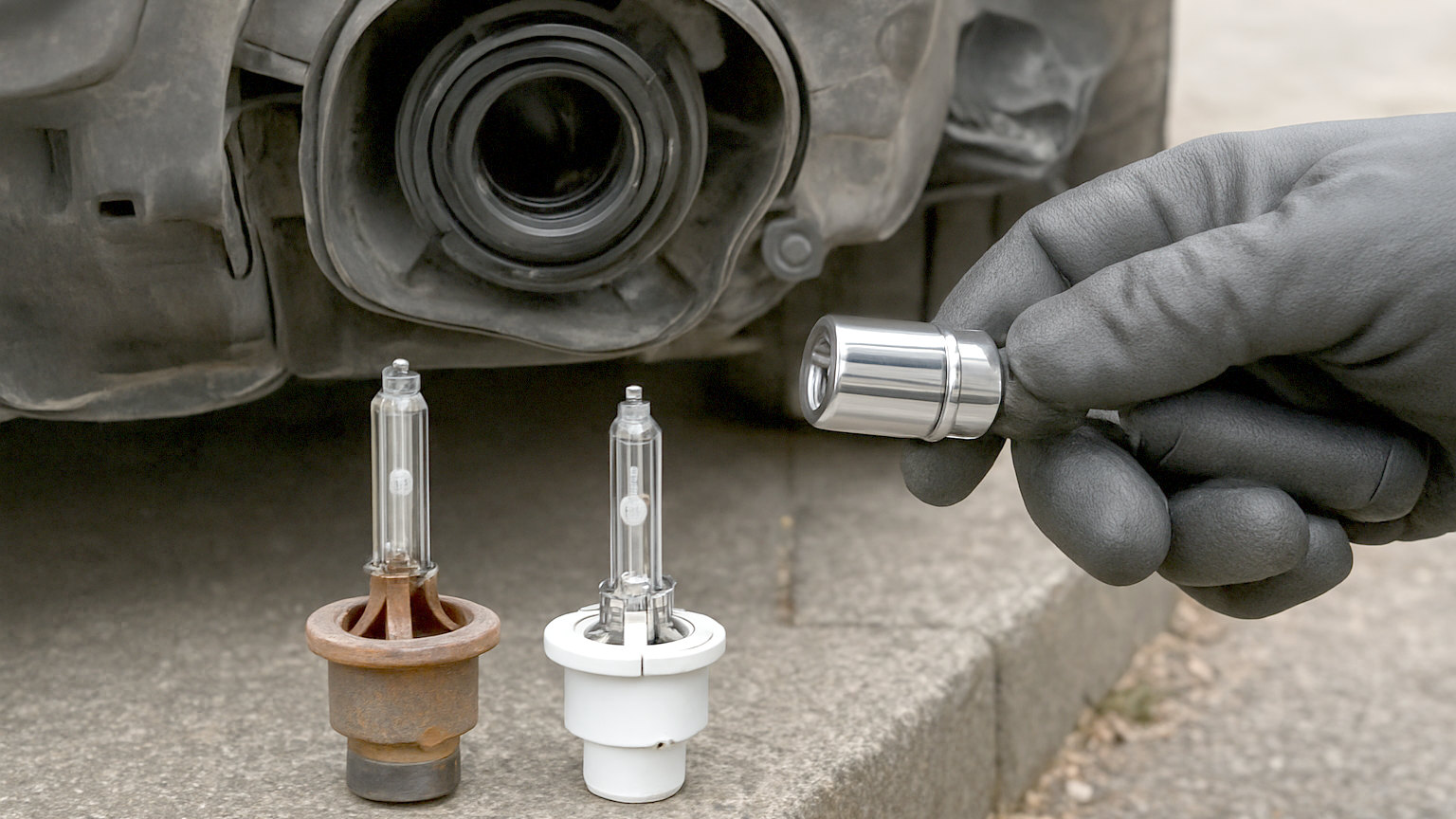
HID headlights use an arc rather than a filament, which means high voltages, a warm up period and a different set of faults.
A dashboard full of lights usually means one fault affecting a shared input rather than several unrelated components failing simultaneously.
This exact symptom points at one inexpensive switch, and it is one of the few starting faults with a nearly certain diagnosis.