What Damage Does Water Do to Car Wiring?
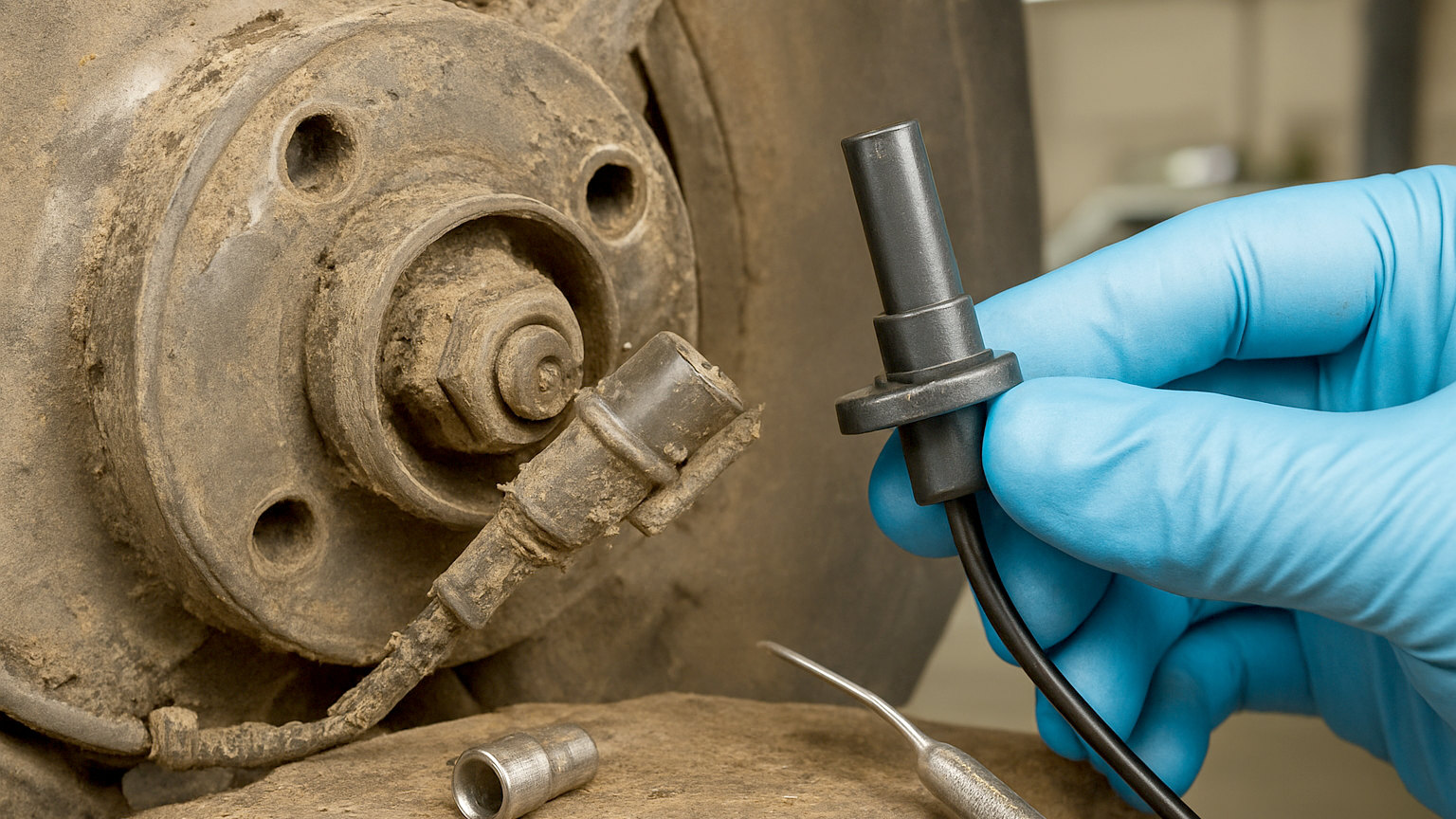
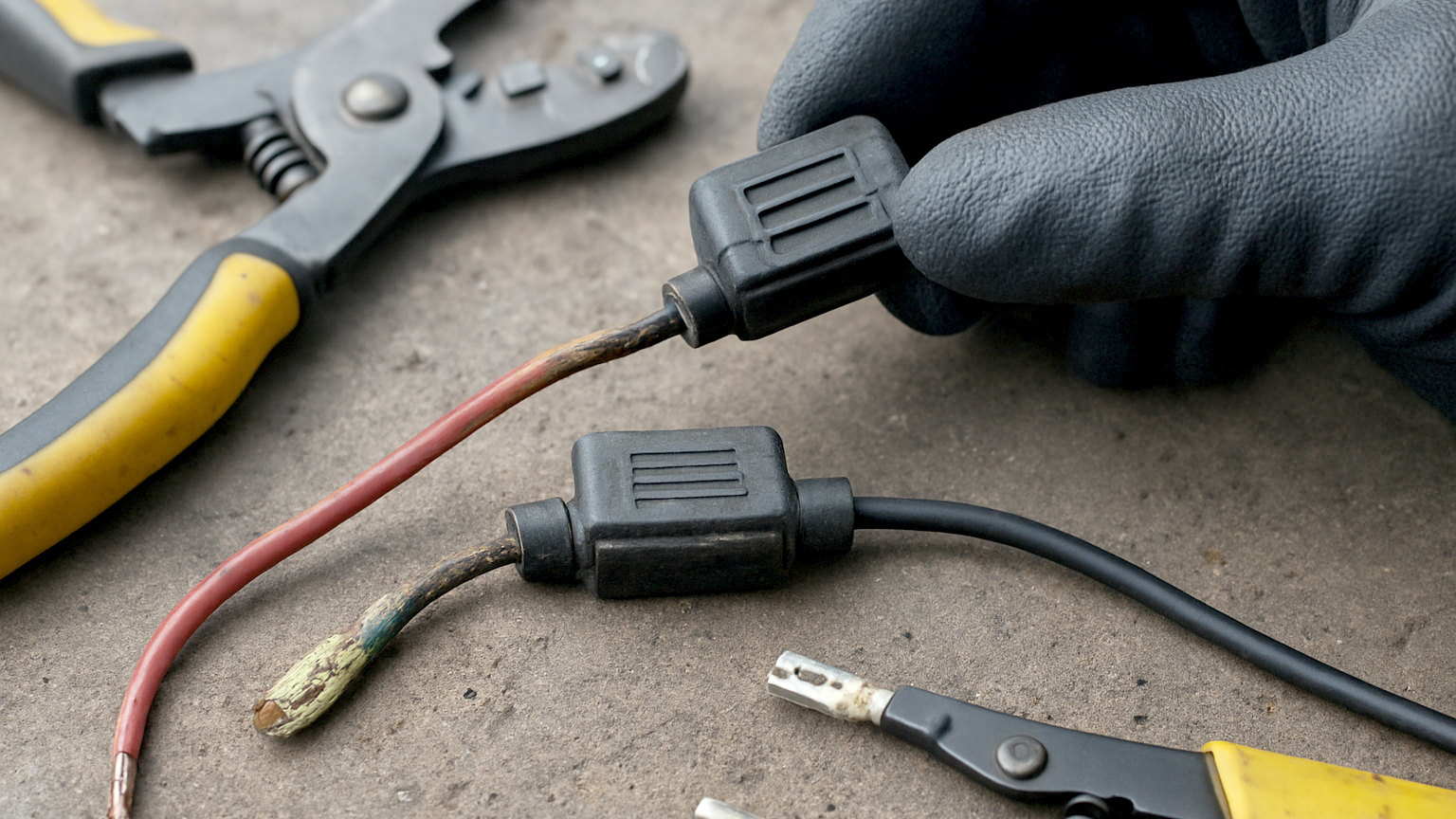
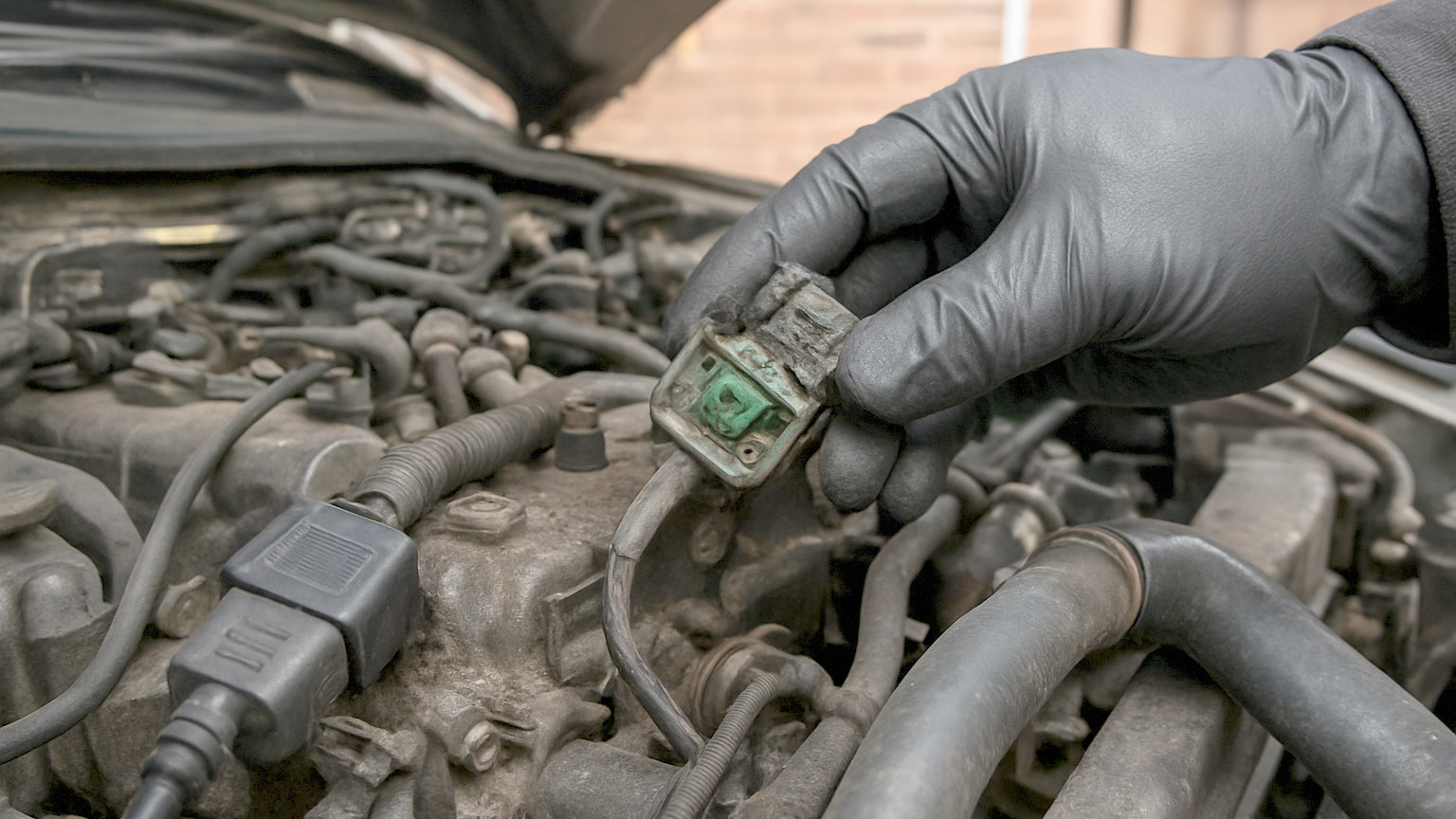
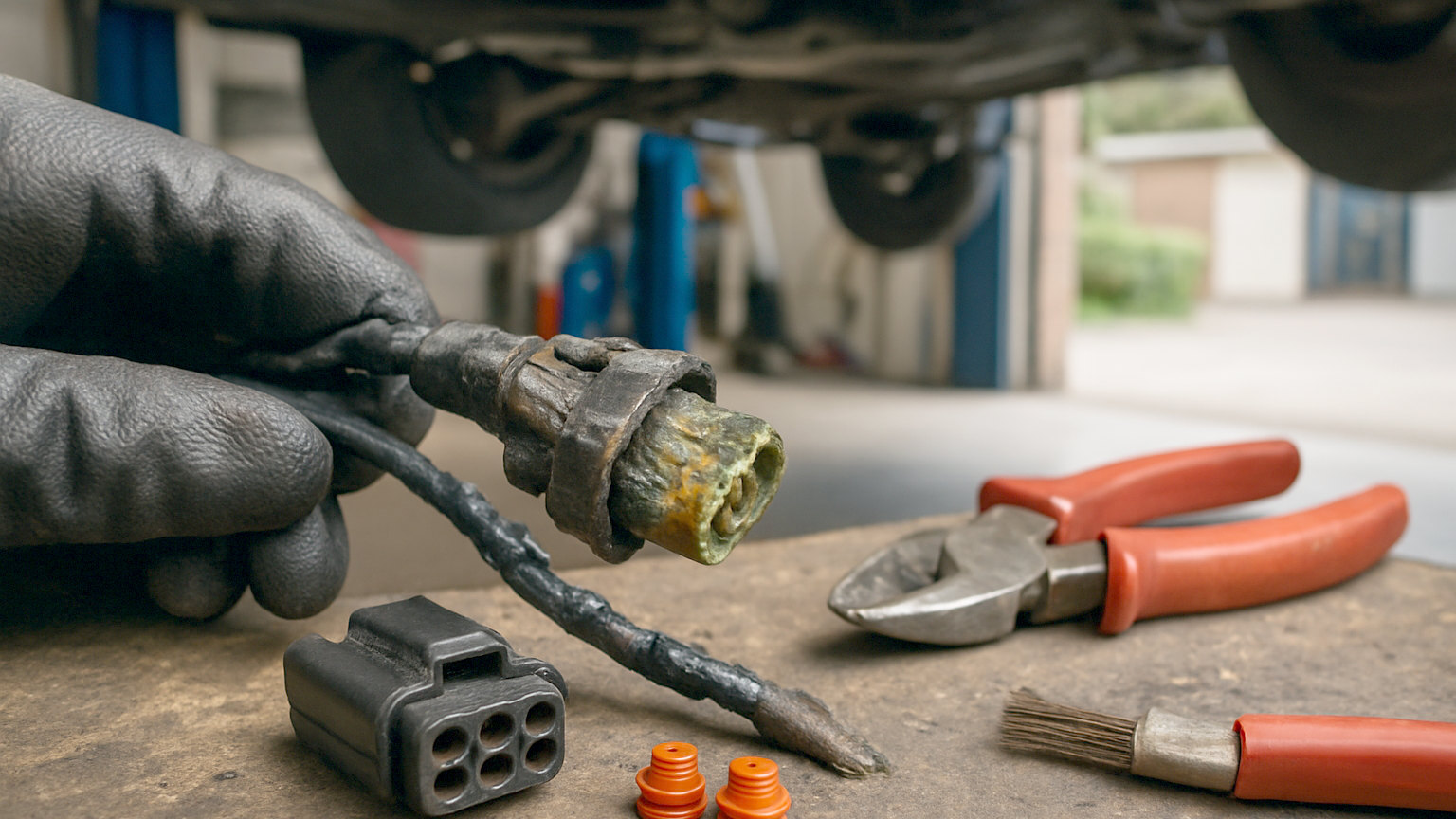
Water travels along the inside of insulation and pools in connectors, so the damage is rarely where the leak is.
By Car Problems Team
29 Mar 2026

Electrical faults are the ones drivers most often misread, because the same symptom has two completely different price tags behind it. A car that clicks and won’t turn over might need a fifteen-minute battery swap or a starter motor; a battery that keeps going flat is usually not the battery at all. These guides show you how to tell which is which before you spend anything, what each dashboard warning light genuinely means as opposed to what it feels like it means, and which faults are safe to drive on and which are not.
Water travels along the inside of insulation and pools in connectors, so the damage is rarely where the leak is.
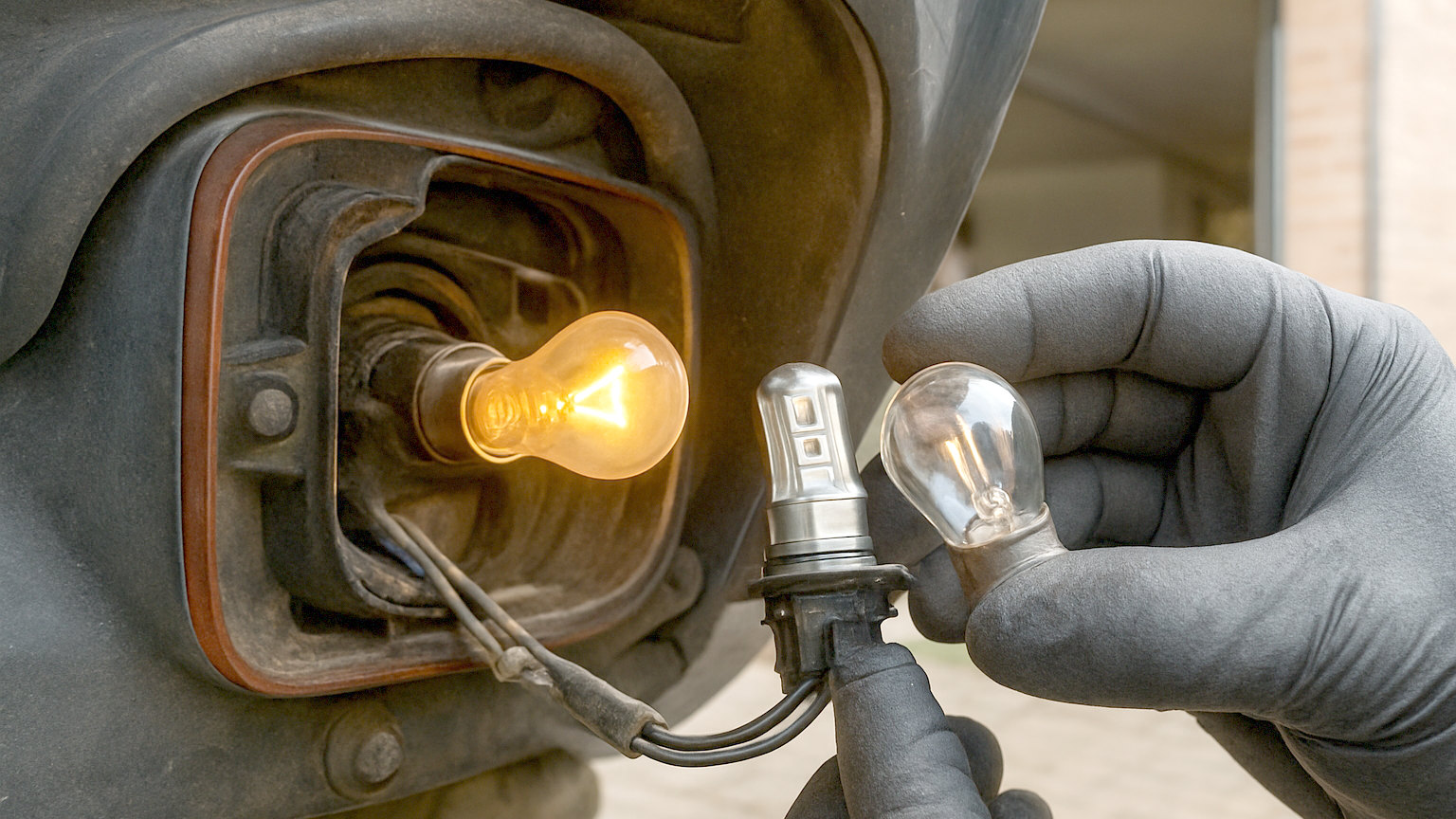
Bulb monitoring measures current rather than light, so a working lamp with the wrong current draw is reported as a failure.
Clearing a light is easy and usually the wrong first move, because it deletes the evidence a mechanic needs and changes nothing mechanical.
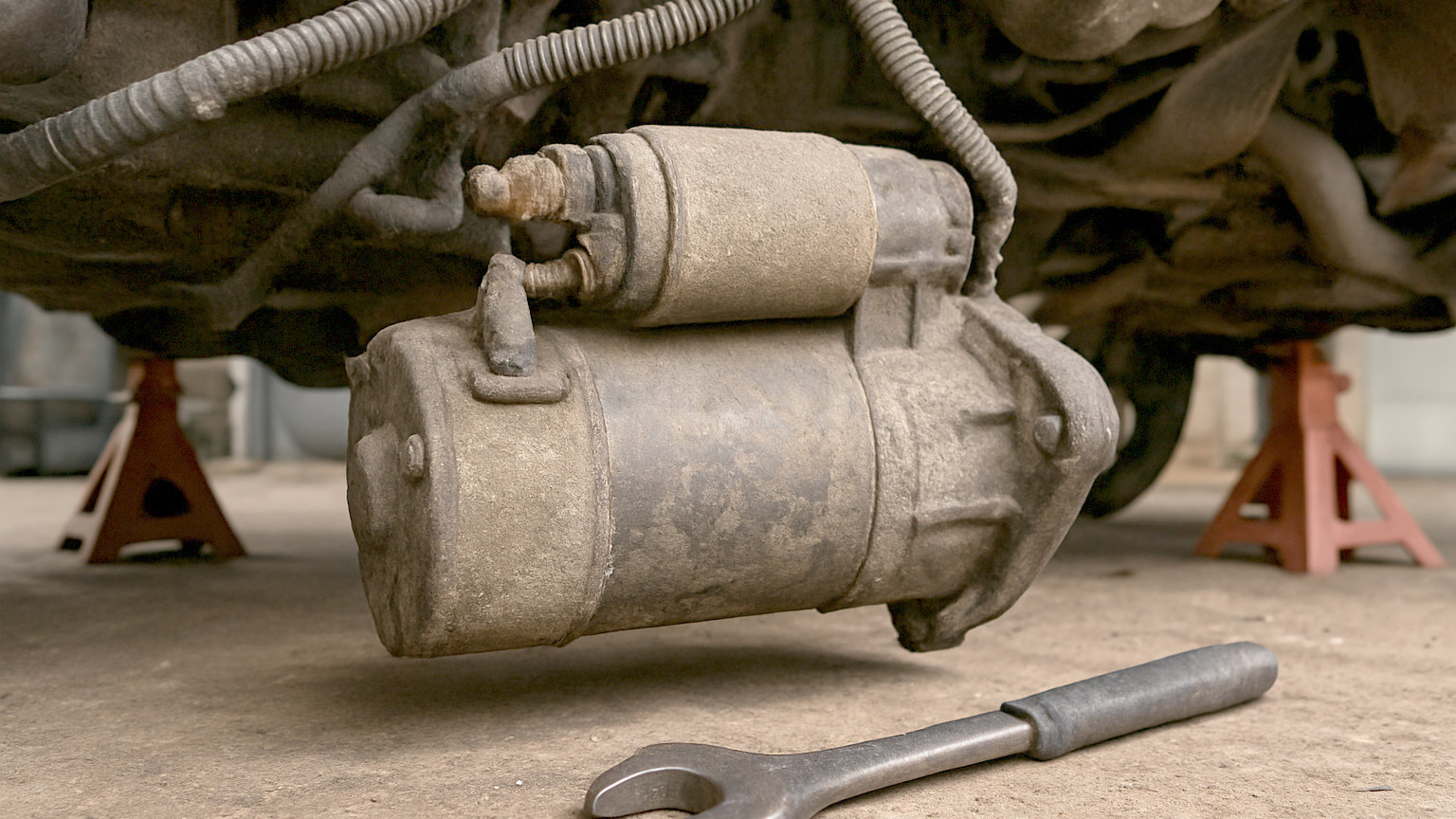
A replacement starter that fails within a year has usually been given a reason, and the reason is normally still fitted to the car.
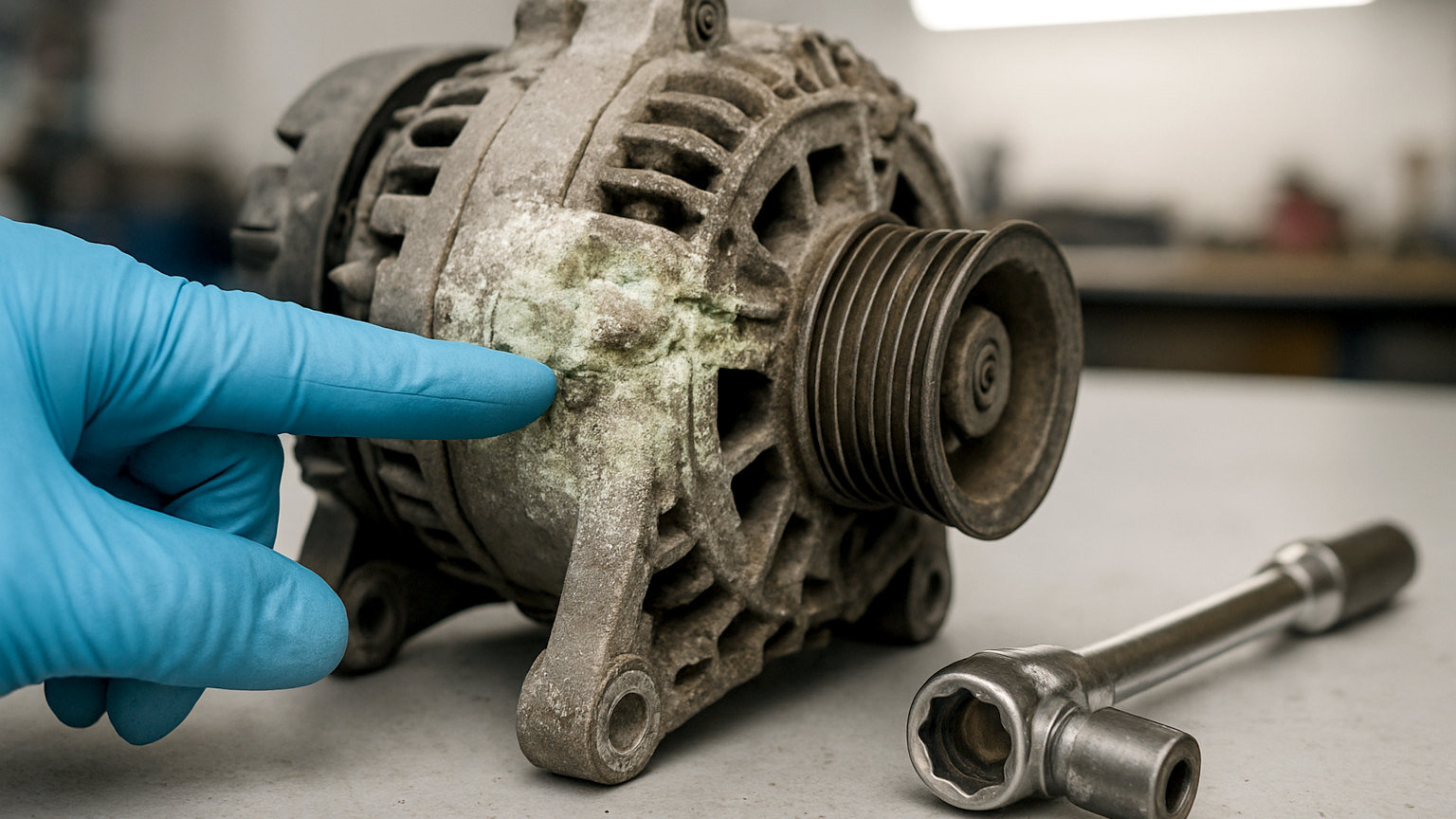
Alternators usually last well, so one that fails prematurely has normally been given a reason by something else on the car.
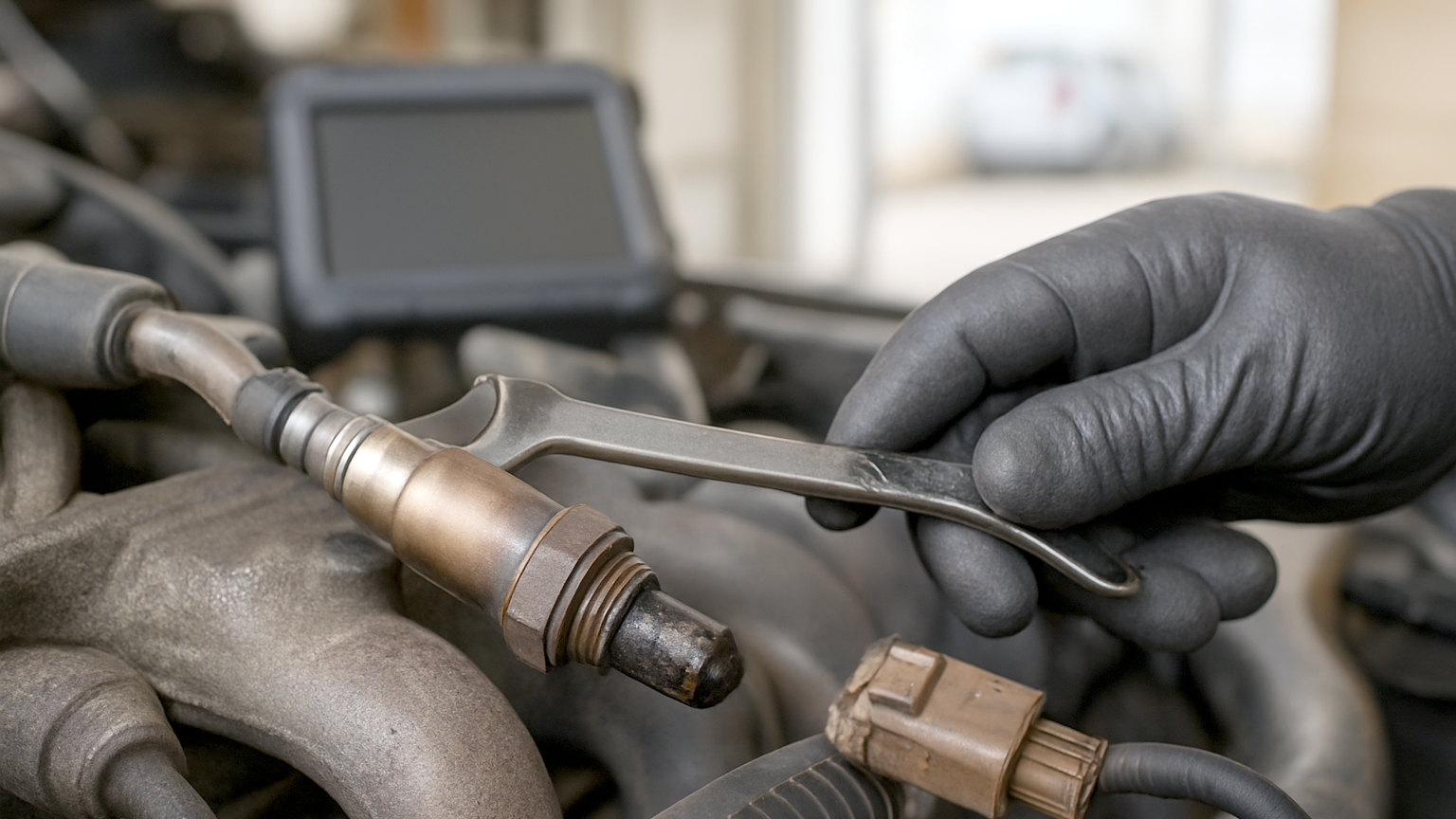
Sensors are one of the few areas where the cheapest option regularly fails to work at all, and calibration is why.
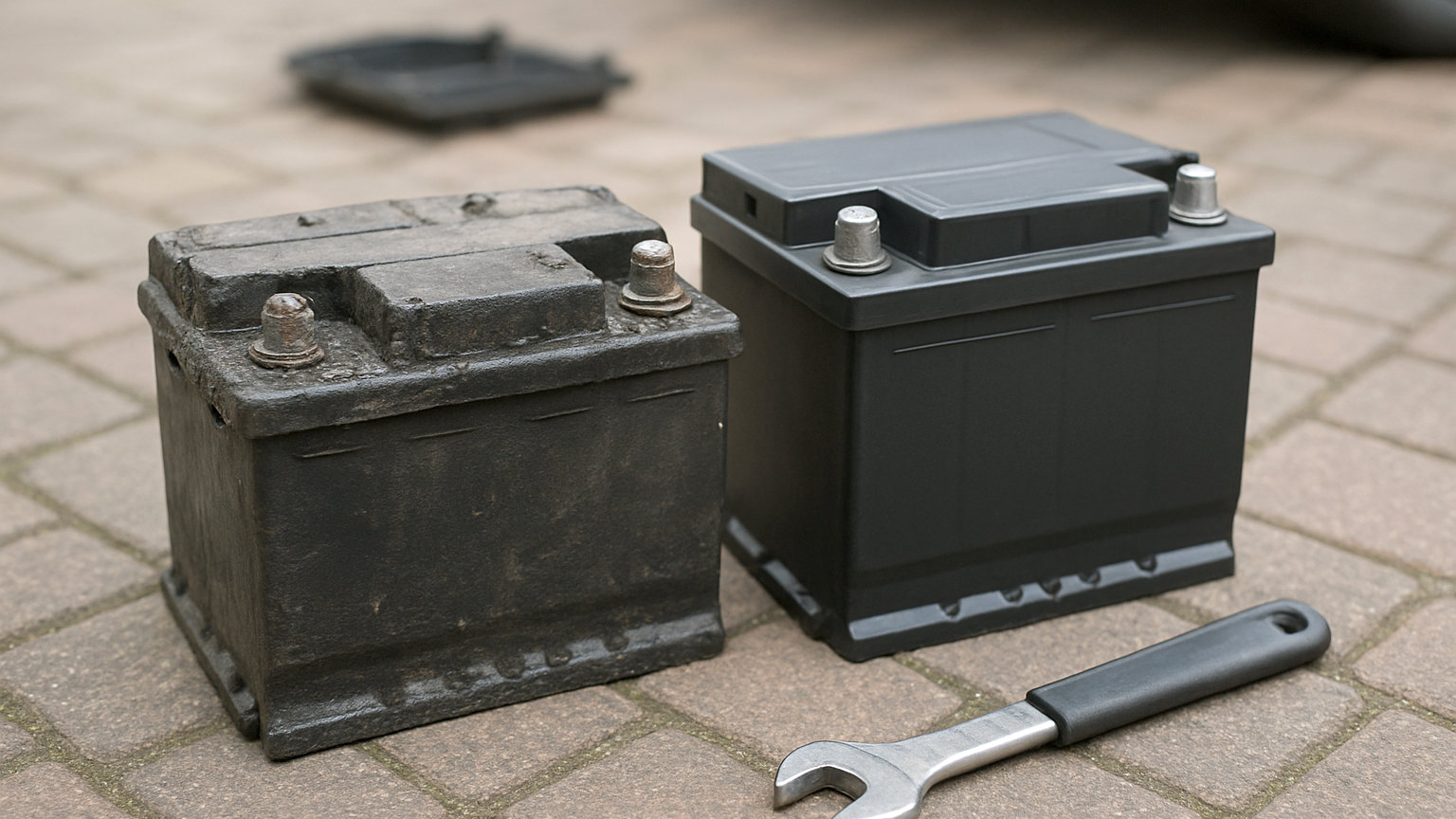
Cold does not usually break a battery so much as expose one that was already failing, and summer heat does more of the actual damage.
Most accessory related faults come from how the thing was wired in rather than from the accessory itself.
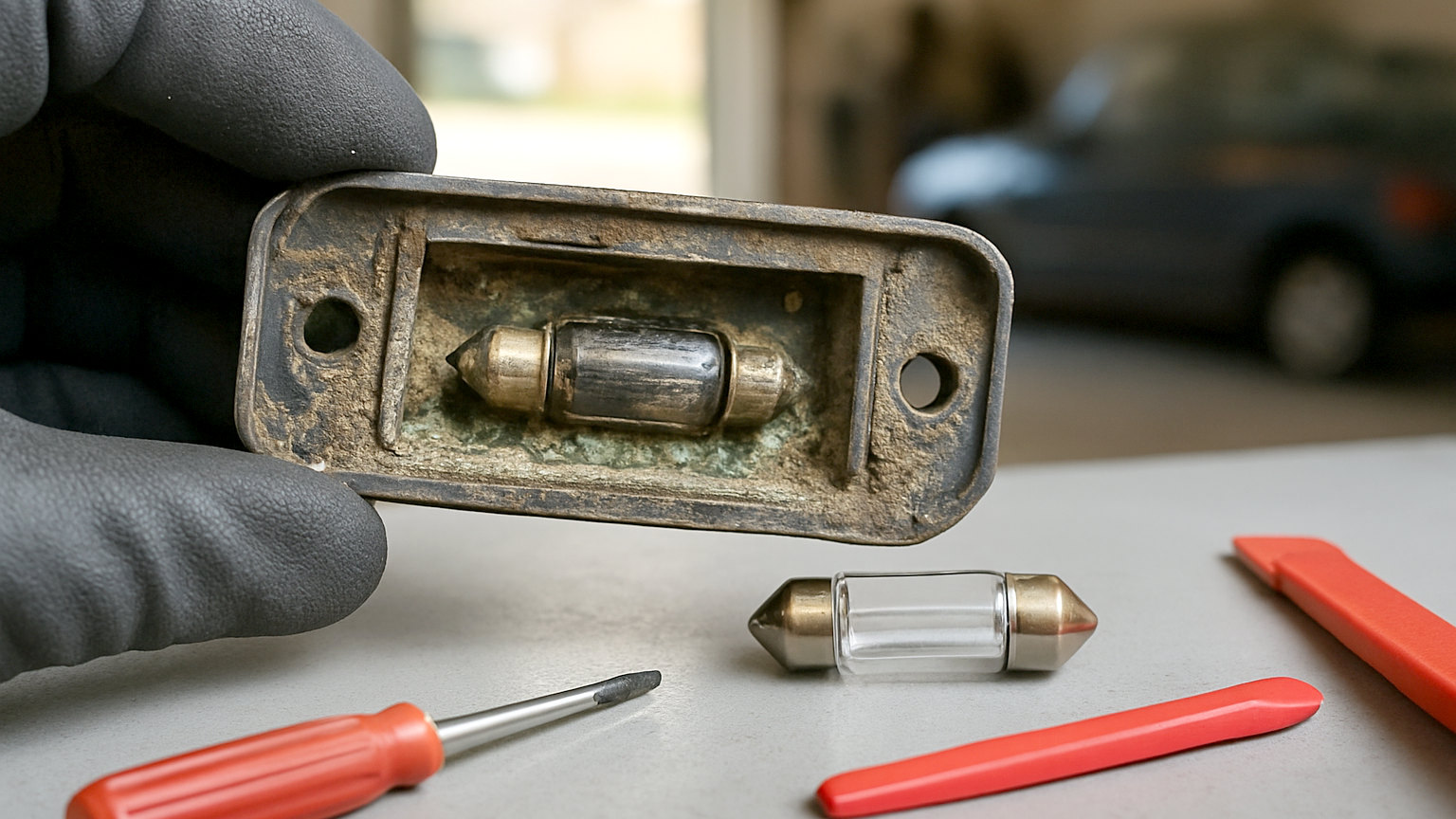
The smallest bulbs on a car fail most often, because they sit in the wettest positions with the poorest seals.
A fault code names a circuit and a condition, not a broken part, and treating it as a shopping list is how people replace three components.