Why Is My Traction Control Light On?
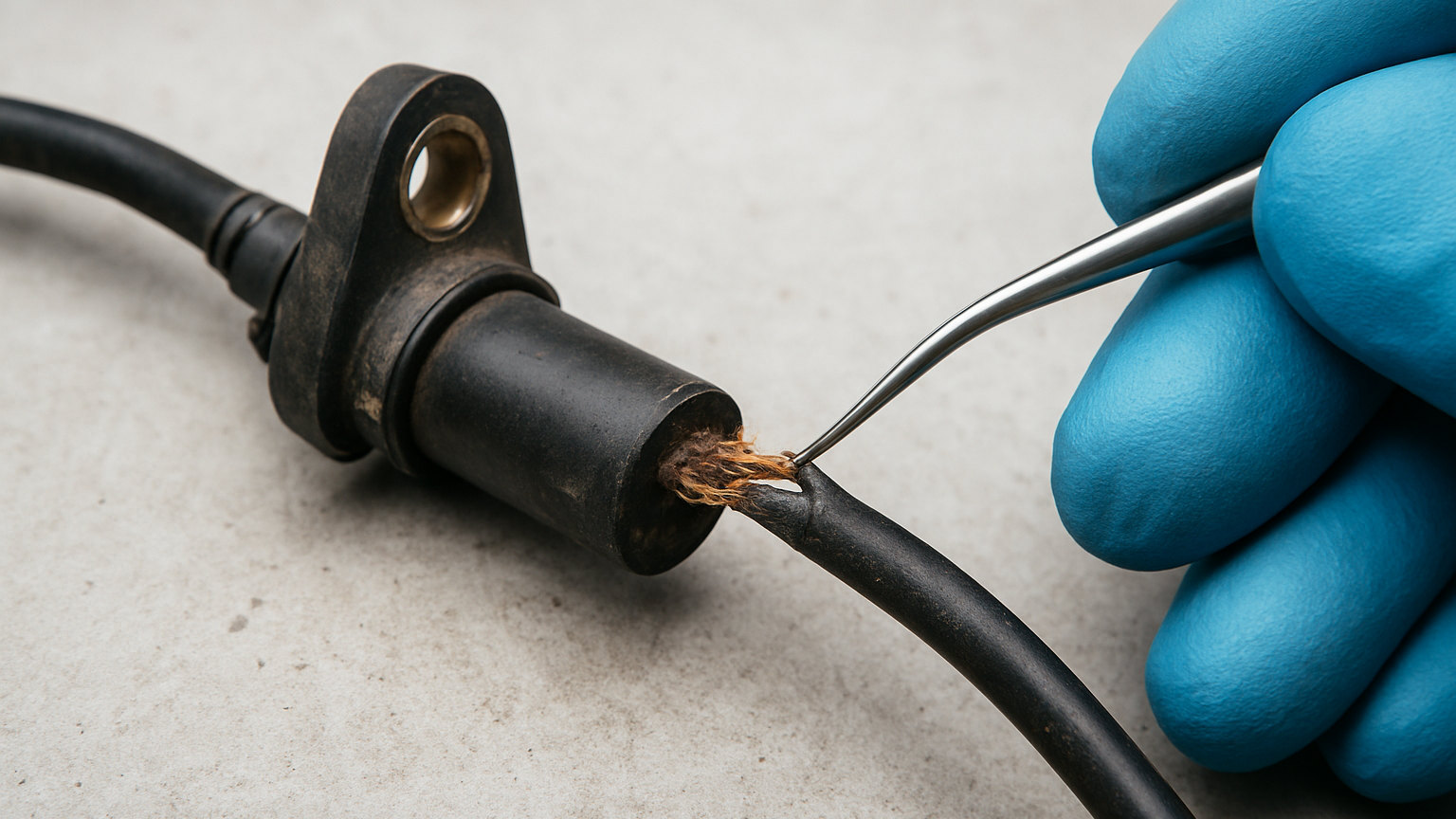
A traction control light that flashes while driving means the system is working. One that stays on means it has switched itself off.
By Car Problems Team
27 Feb 2026

Electrical faults are the ones drivers most often misread, because the same symptom has two completely different price tags behind it. A car that clicks and won’t turn over might need a fifteen-minute battery swap or a starter motor; a battery that keeps going flat is usually not the battery at all. These guides show you how to tell which is which before you spend anything, what each dashboard warning light genuinely means as opposed to what it feels like it means, and which faults are safe to drive on and which are not.
A traction control light that flashes while driving means the system is working. One that stays on means it has switched itself off.
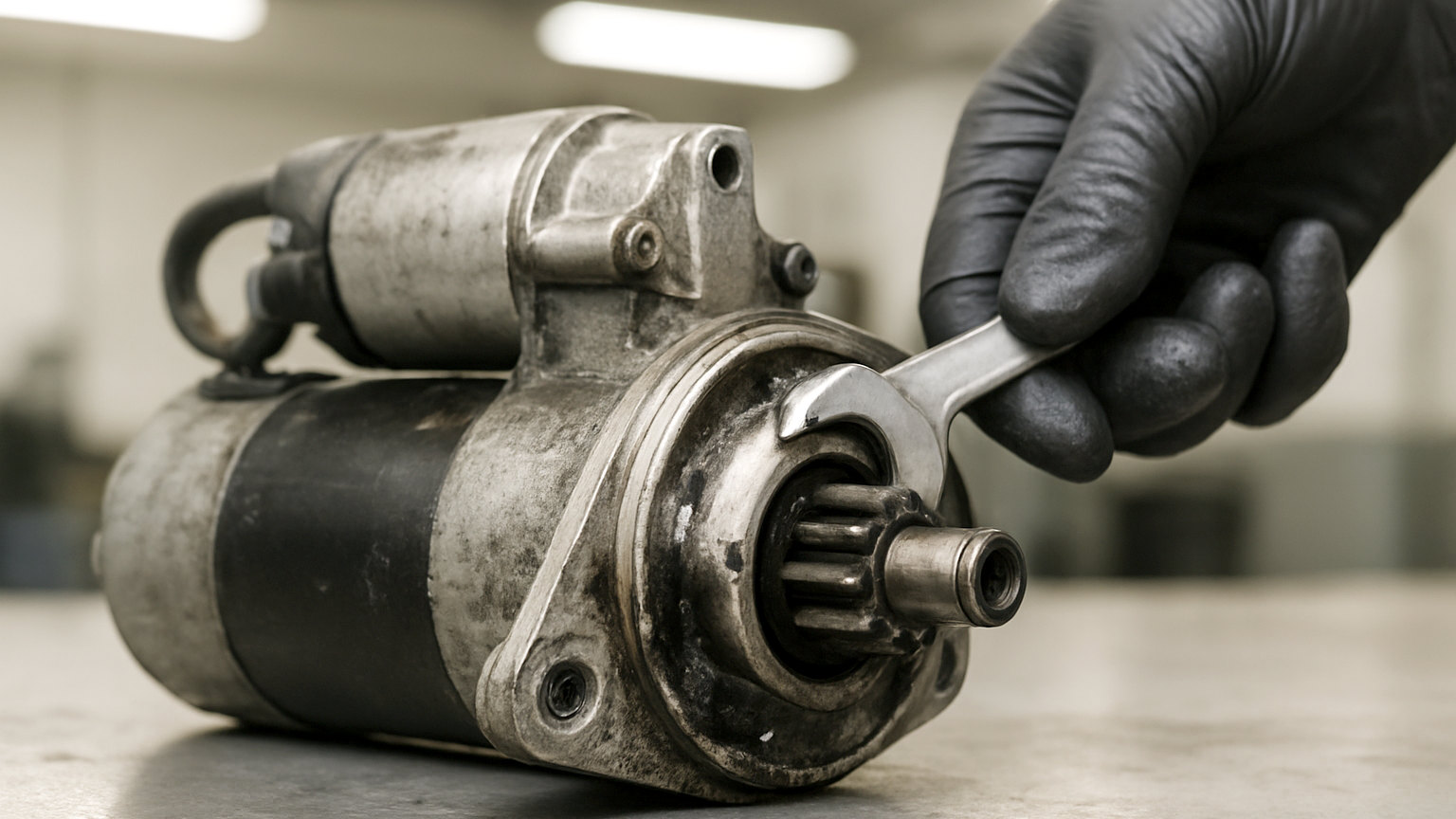
A starter that stays engaged after the engine fires is destroying itself within seconds, and the correct response is to stop the engine immediately.
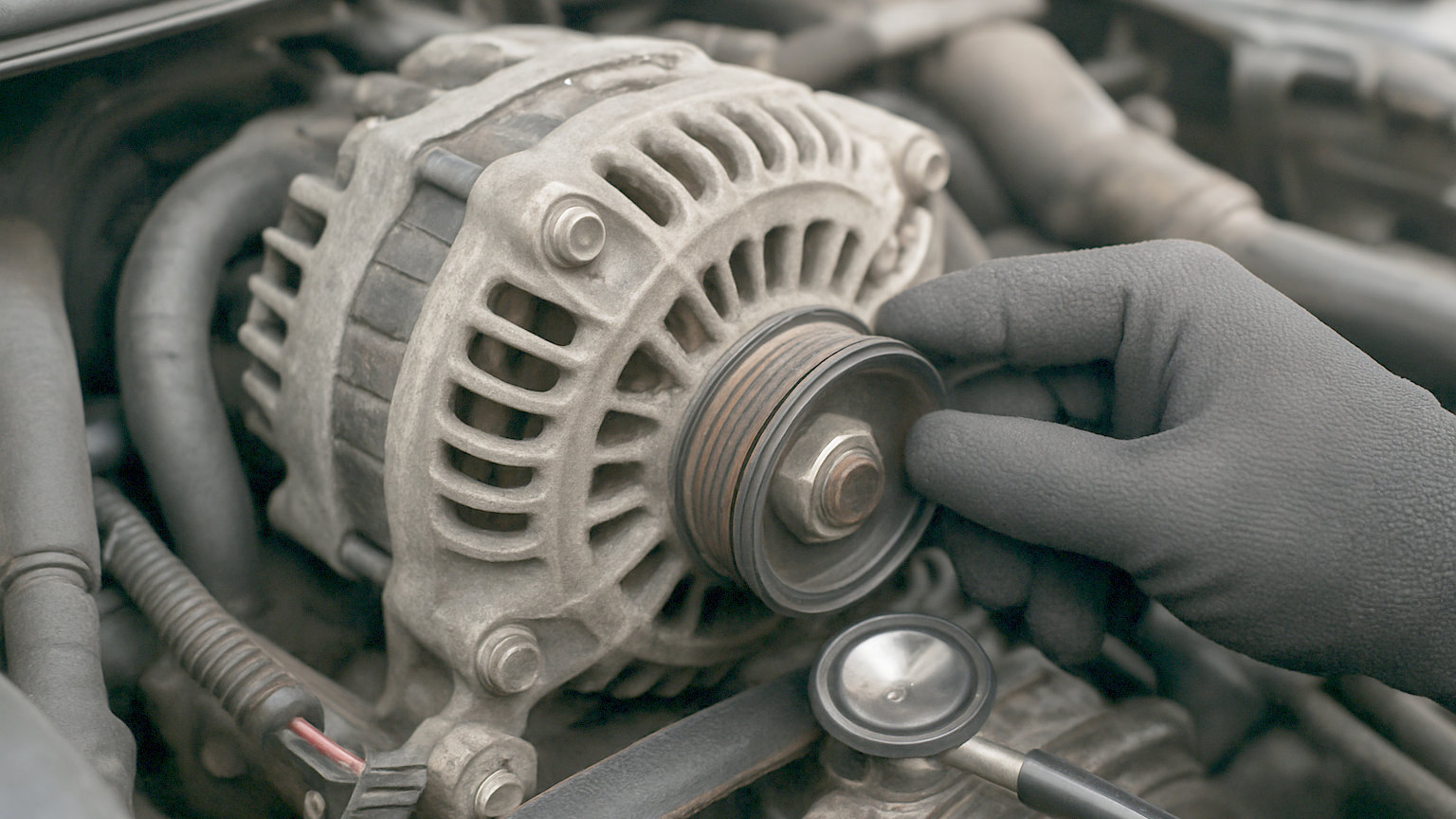
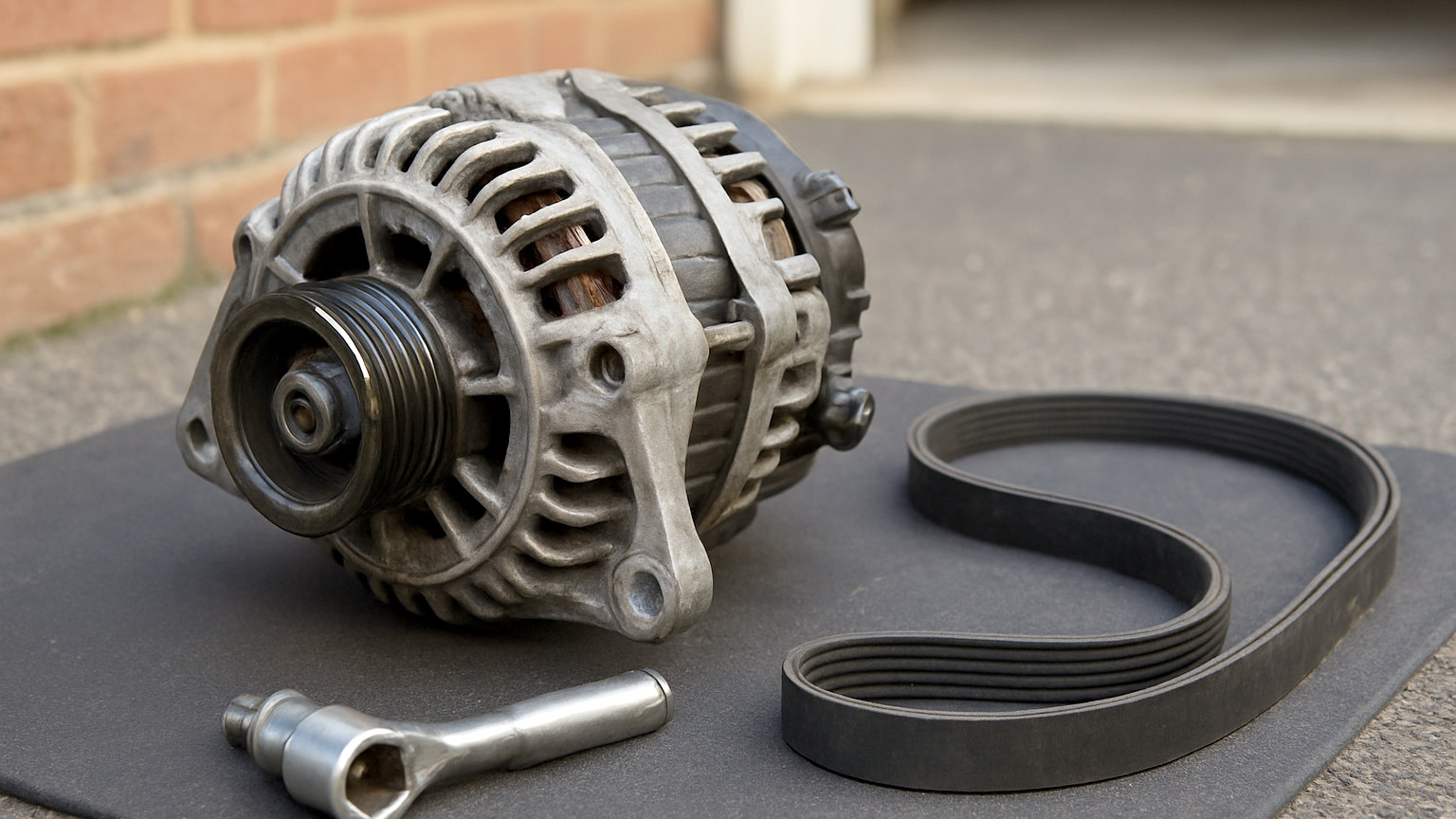
Alternator noise comes from bearings, the pulley or the belt, and which one it is decides whether this is urgent or merely annoying.
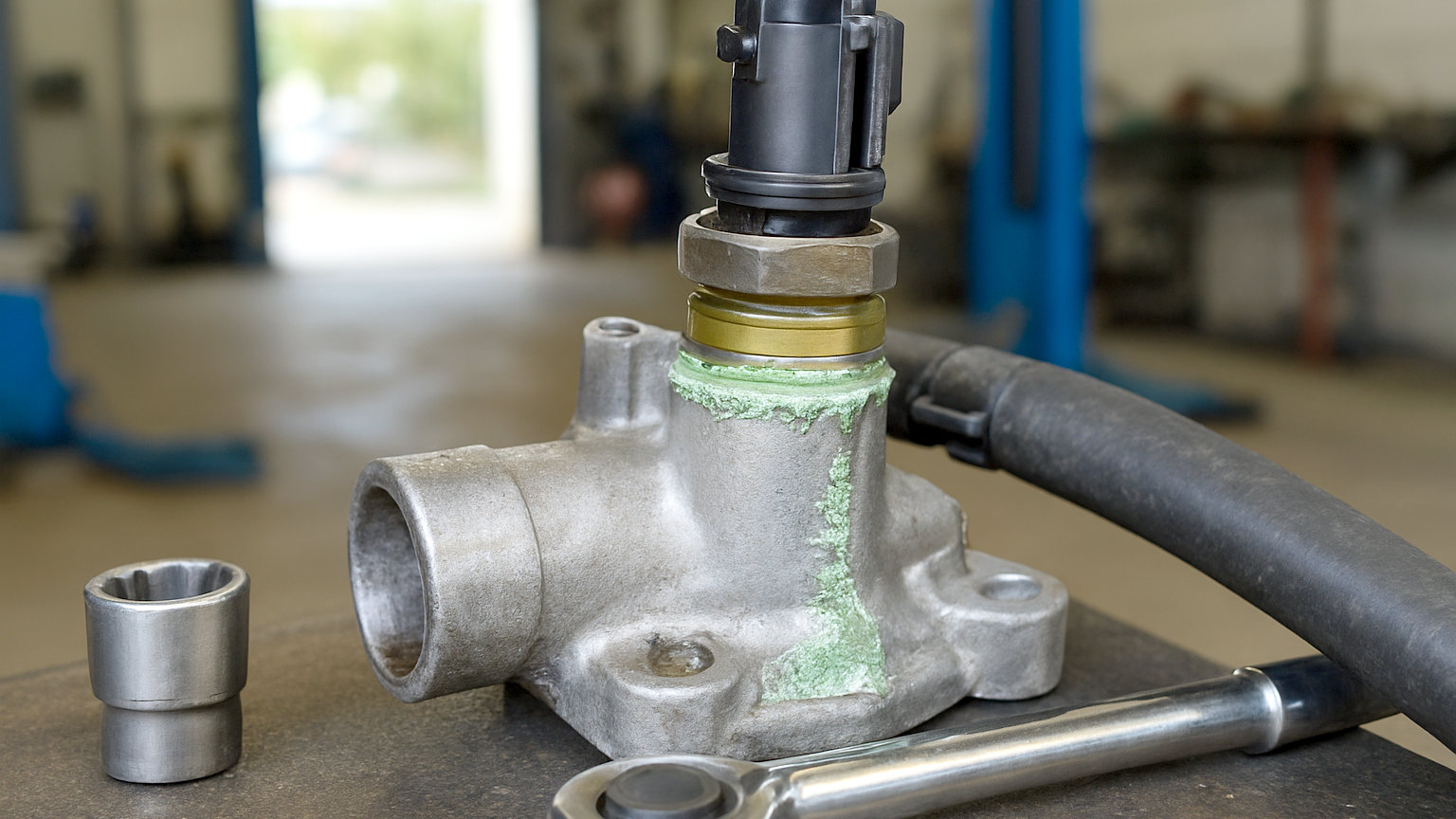
Almost every fuelling decision the engine makes depends on knowing how warm it is, so one wrong reading affects everything at once.
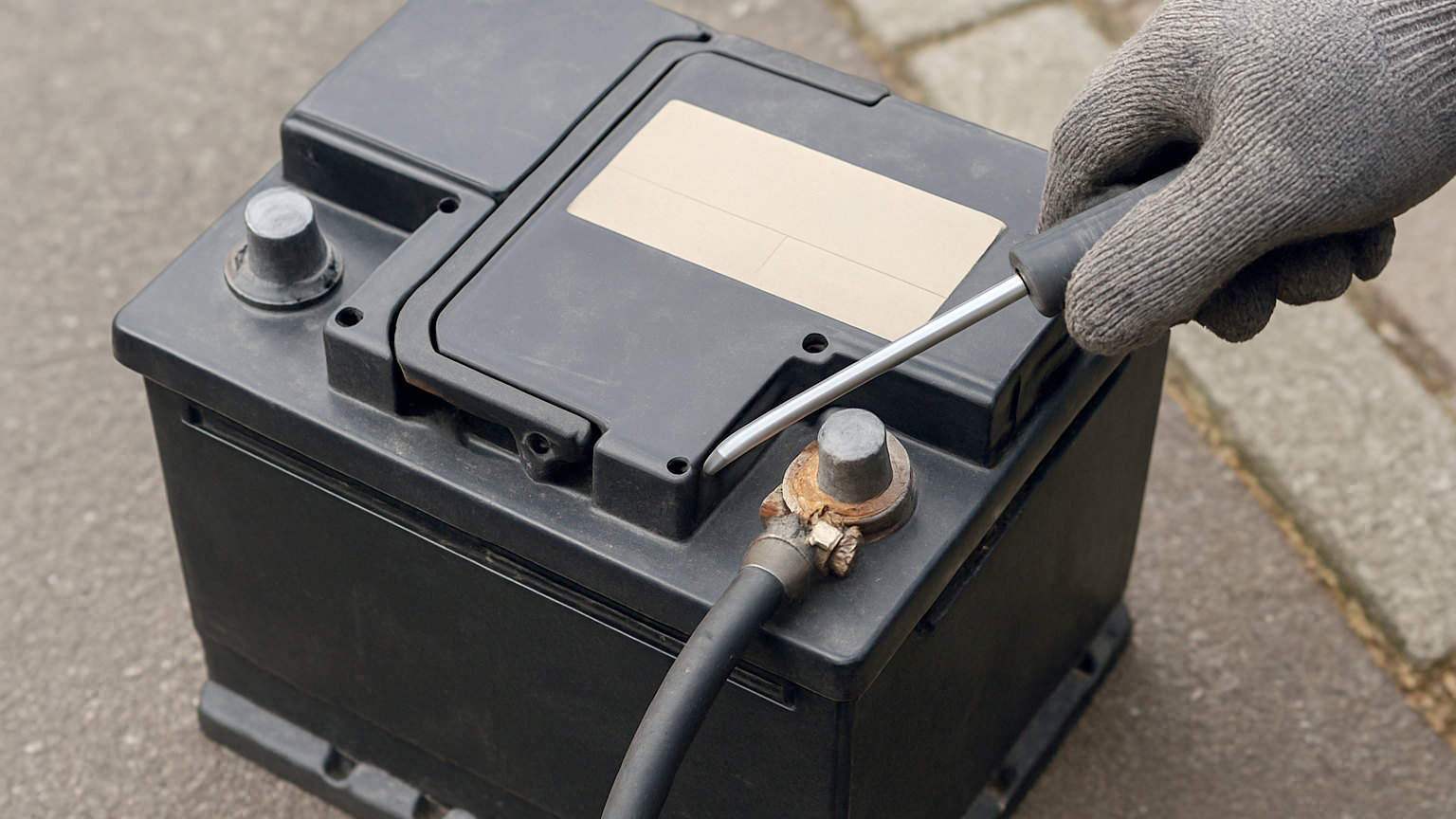
The figures on a battery label describe three different things, and buying on price alone usually means getting one of them wrong.
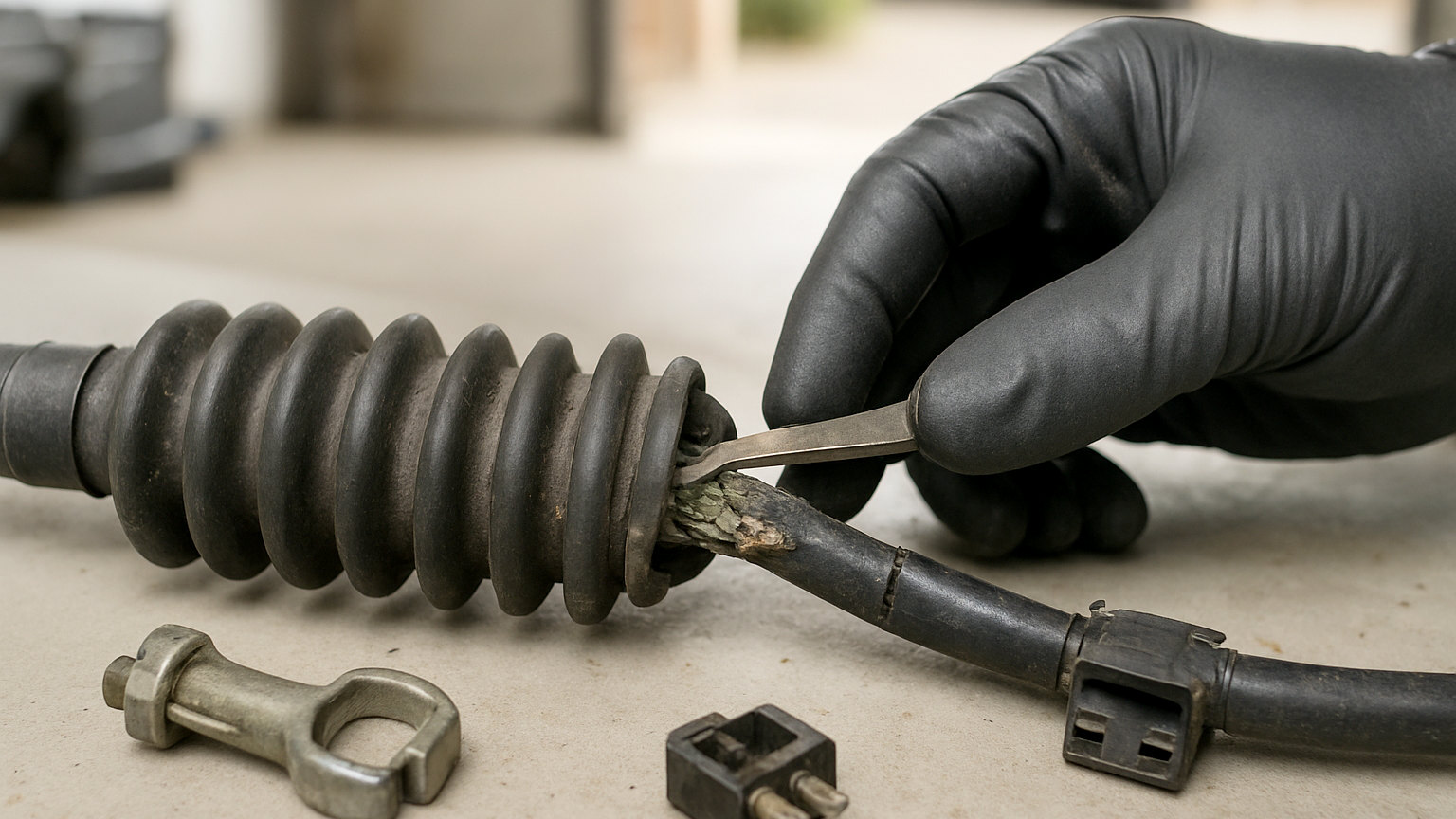
The rubber concertina between the body and the door hides wires that bend every time it opens, and eventually one of them fatigues.
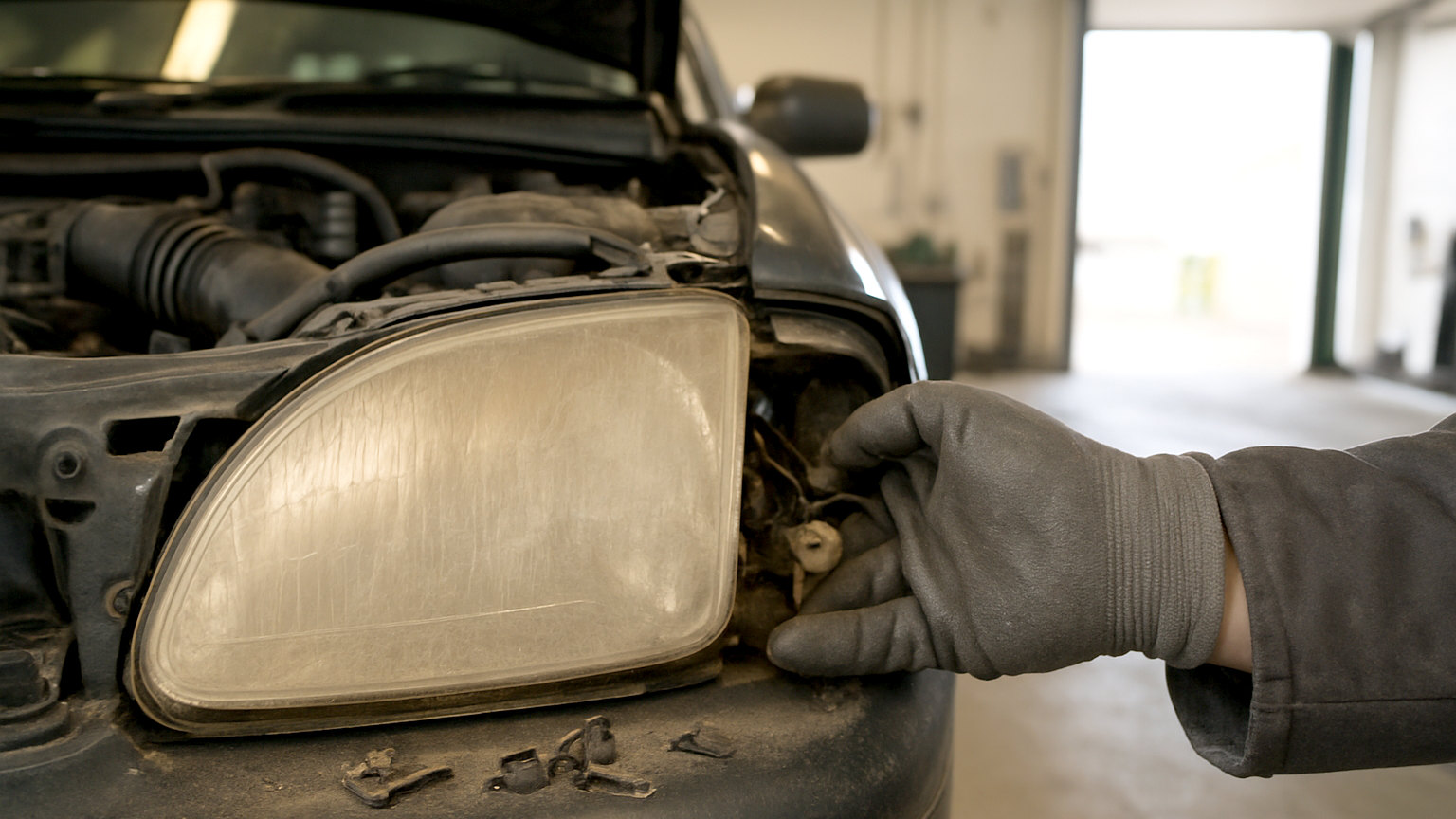
Headlights fade so gradually that most drivers never notice, and the cause is usually the lens or a poor earth rather than the bulb.
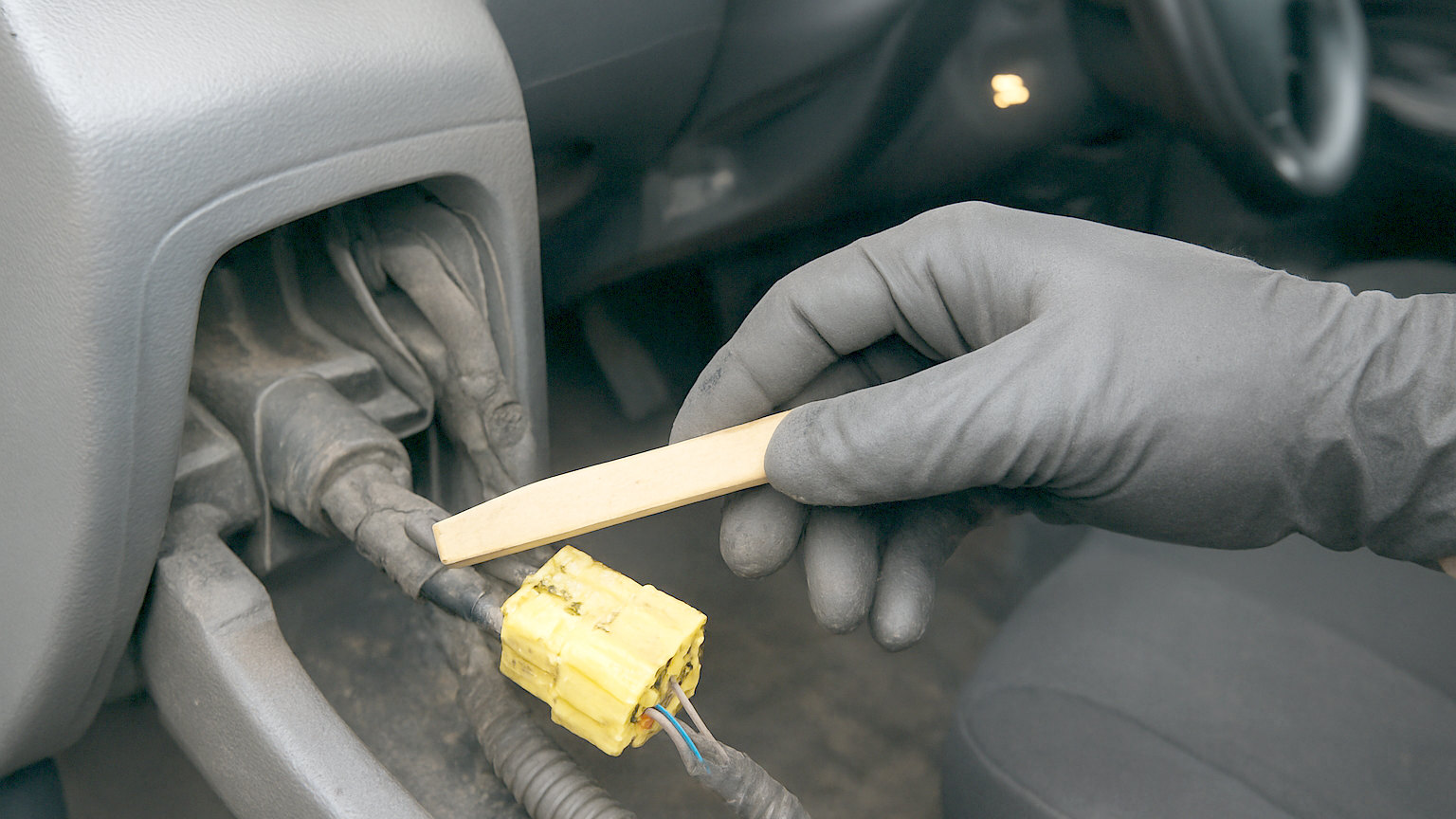
An airbag light means the system has disabled itself, so the airbags may not deploy in a crash and may deploy when they should not.
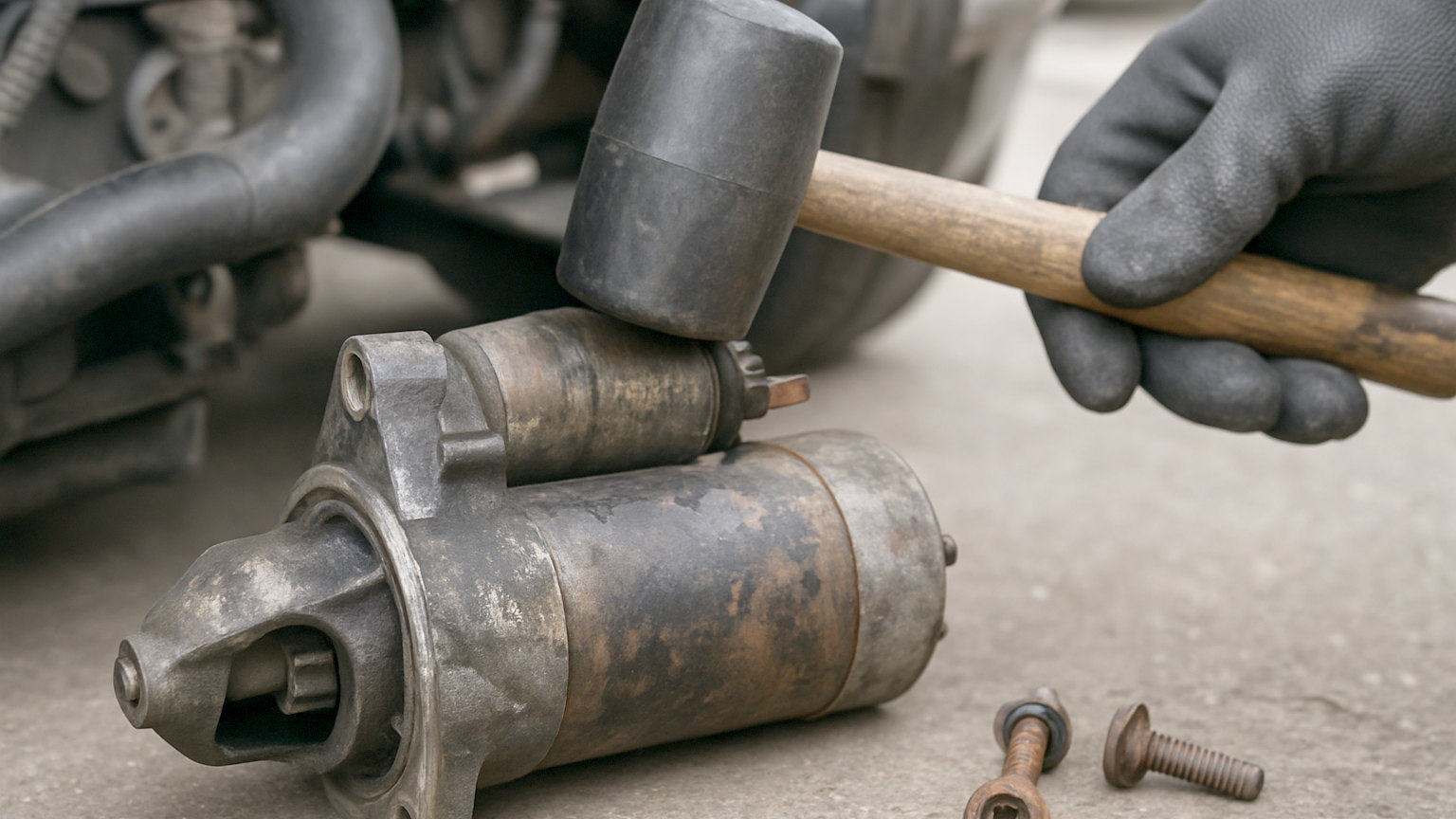
The old mallet trick genuinely works, and the reason it works tells you the starter is finished rather than fixed.
The battery starts the car and the alternator runs it, and understanding that division explains almost every charging fault.