What Are the Symptoms of a Failing Alternator?
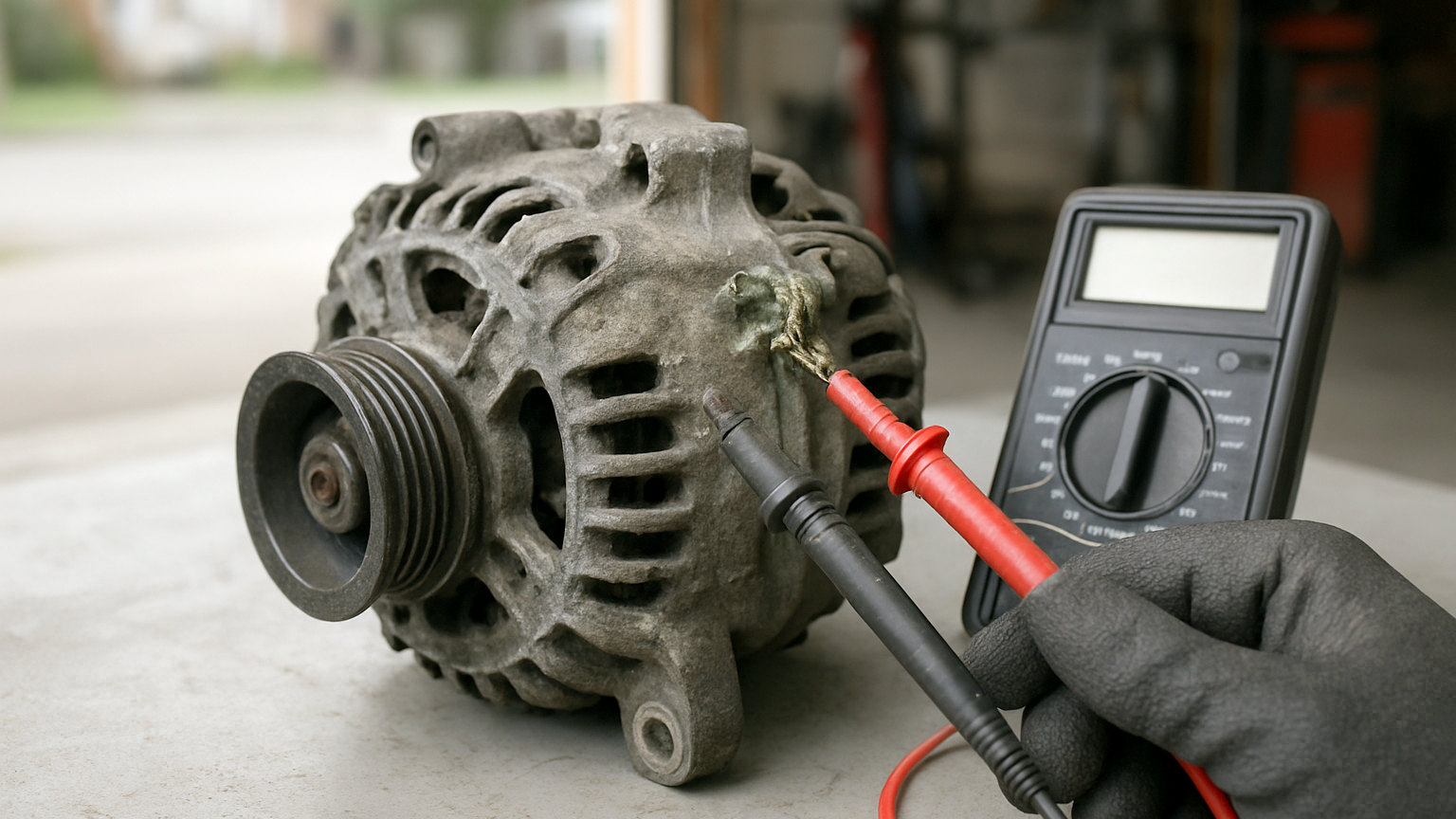
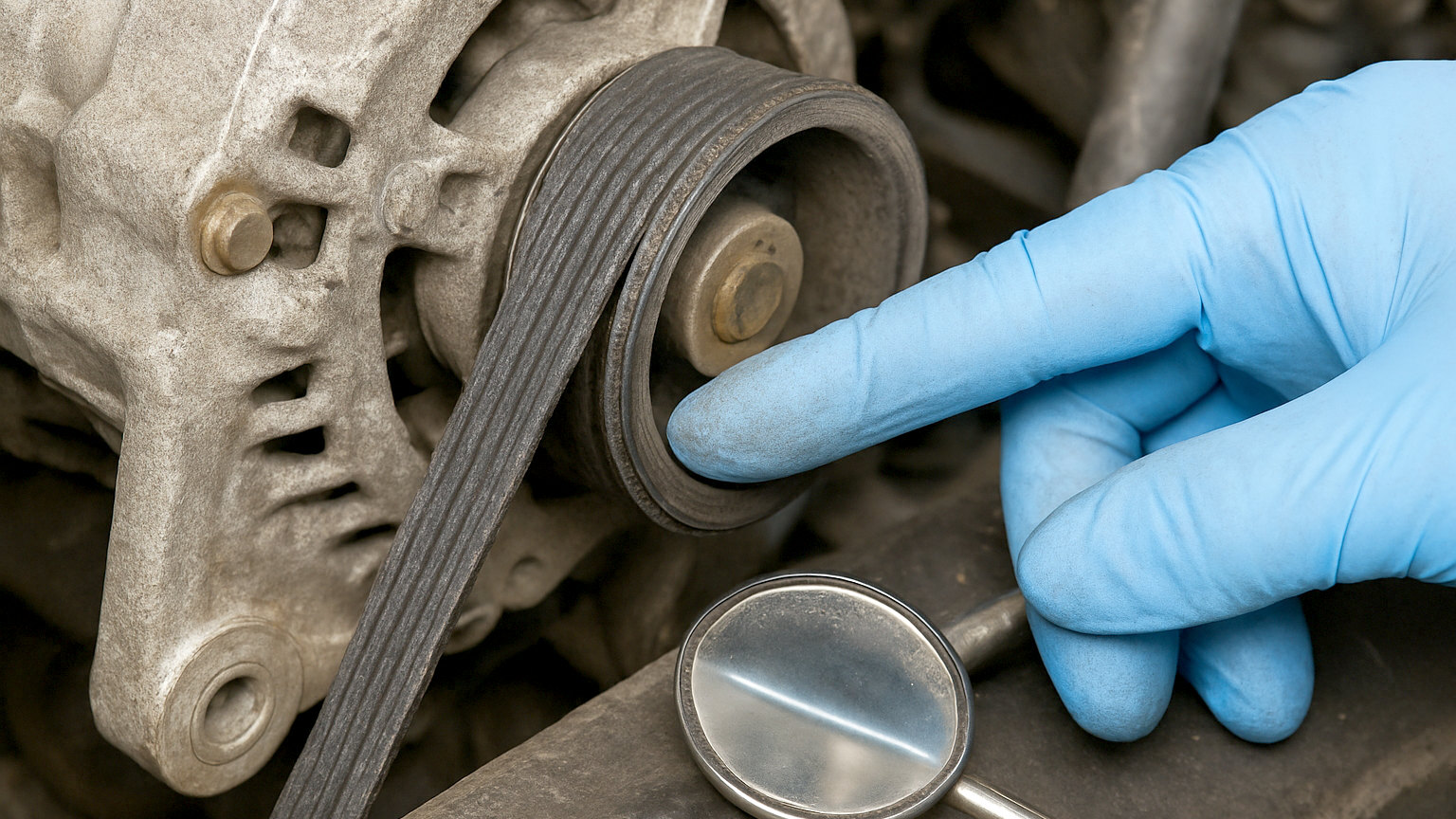
Alternators usually decline rather than stop, and the early signs appear in the parts of the car that need the most current.
By Car Problems Team
28 Jan 2026

Electrical faults are the ones drivers most often misread, because the same symptom has two completely different price tags behind it. A car that clicks and won’t turn over might need a fifteen-minute battery swap or a starter motor; a battery that keeps going flat is usually not the battery at all. These guides show you how to tell which is which before you spend anything, what each dashboard warning light genuinely means as opposed to what it feels like it means, and which faults are safe to drive on and which are not.
Alternators usually decline rather than stop, and the early signs appear in the parts of the car that need the most current.
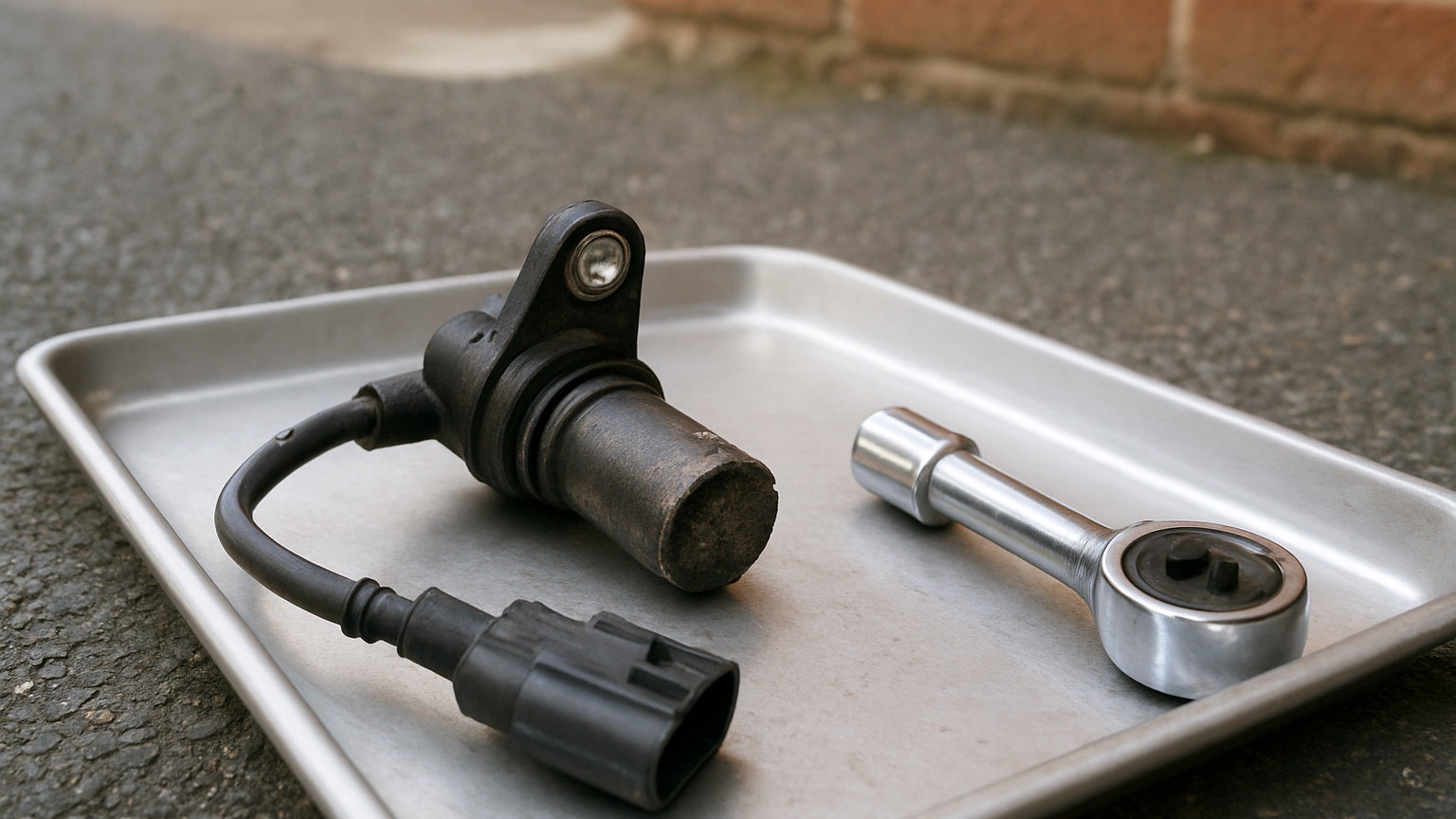
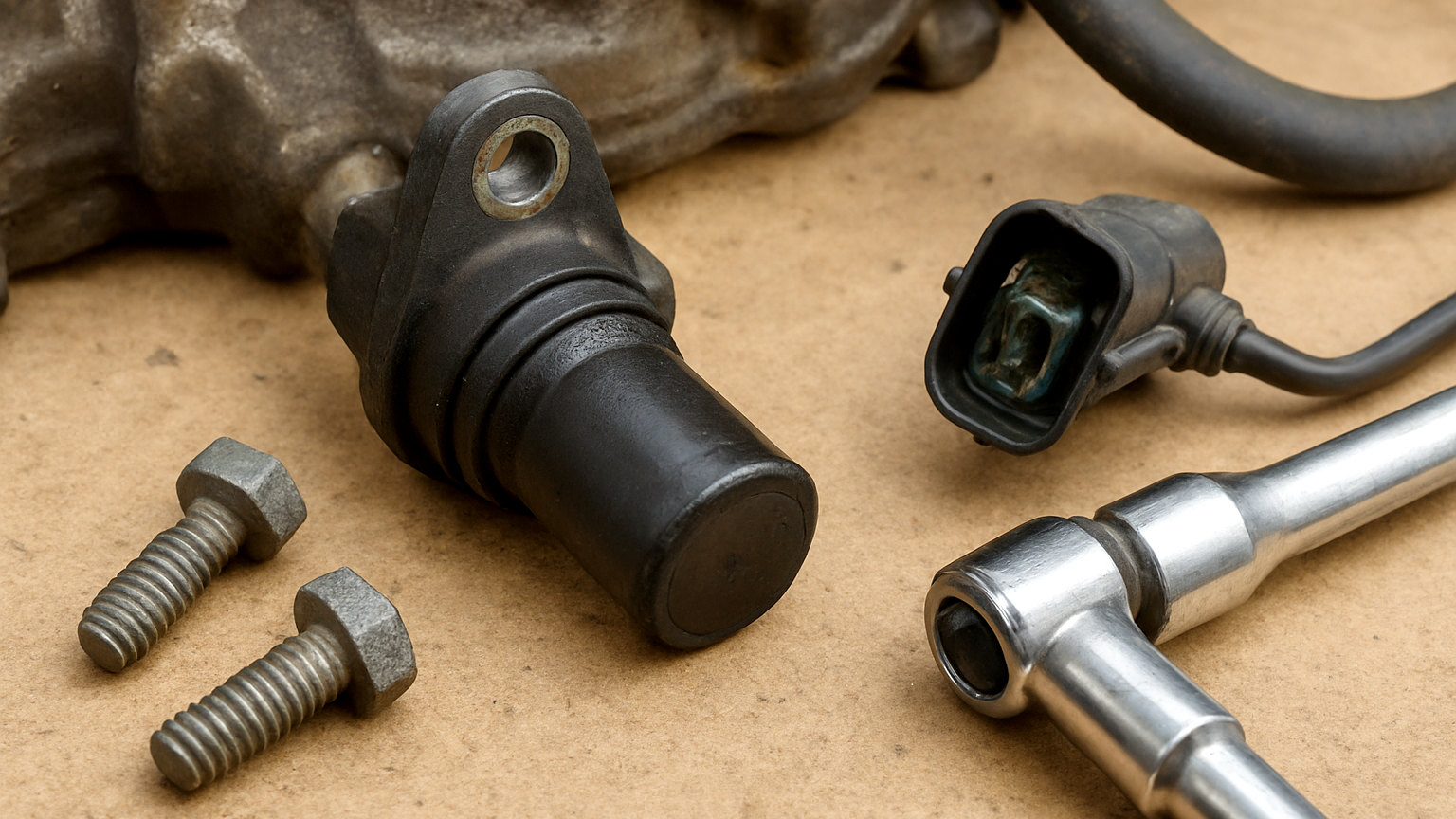
Without the crank sensor the engine management does not know where the pistons are, so fuelling and ignition stop instantly.
Every modern car draws current while parked. The question is whether yours draws a normal trickle or something that empties the battery by Thursday.
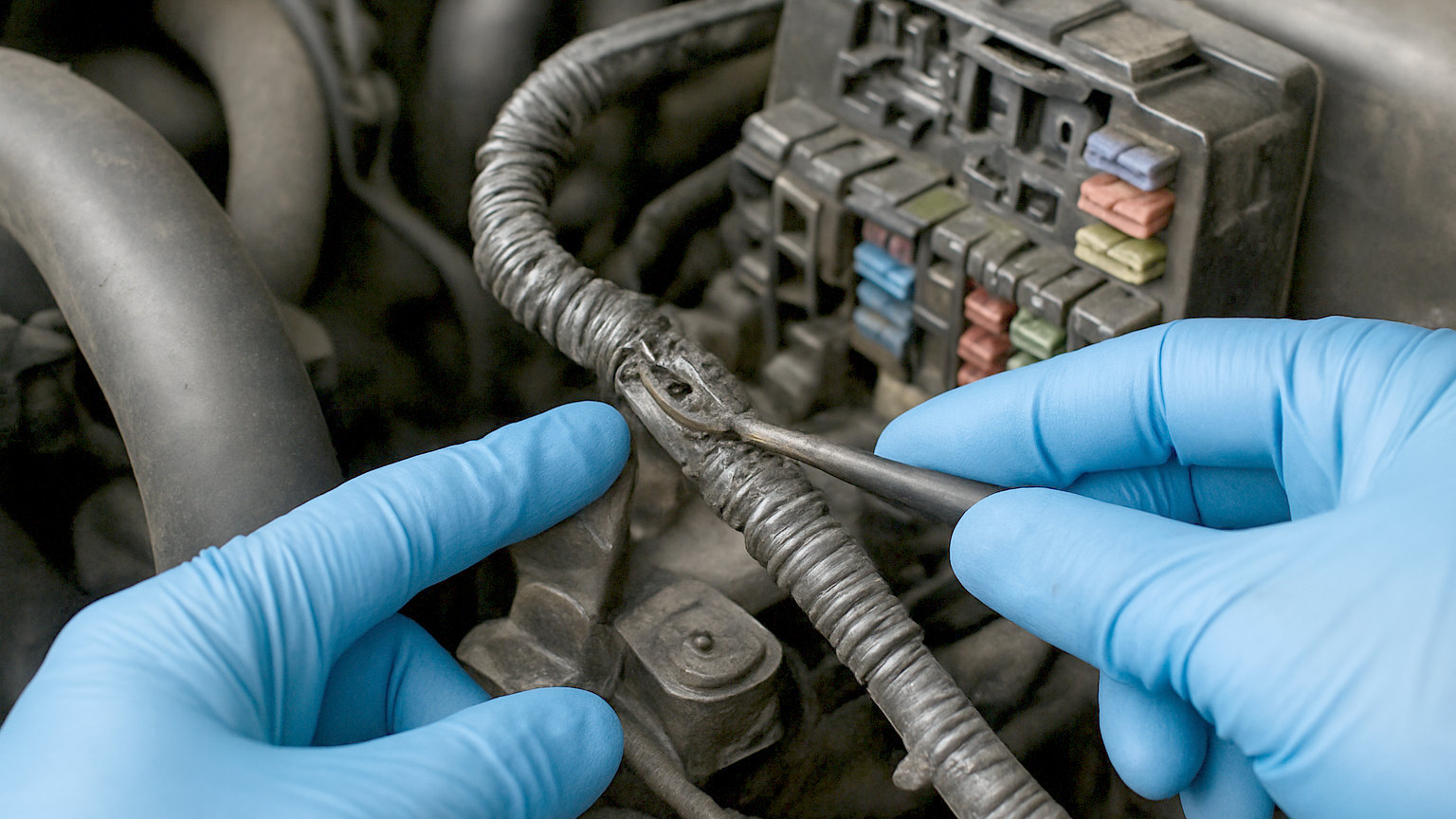
Finding a short is a process of elimination rather than a single test, and doing it in order is what separates an hour from a week.
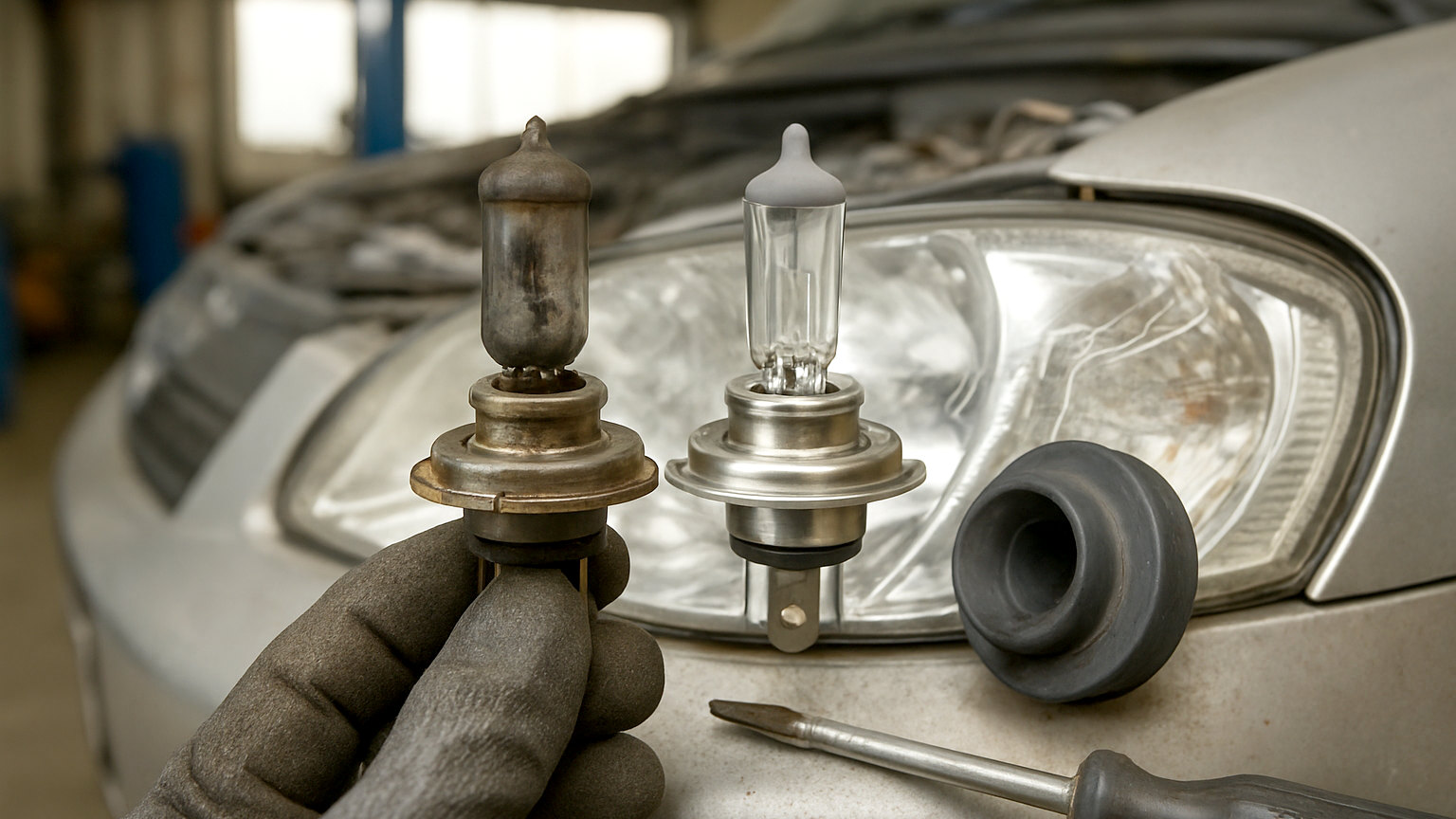
On some cars it is a five minute job through the engine bay, and on others the bumper has to come off, which is worth knowing first.
The engine light covers hundreds of possible faults, which is why it tells you almost nothing until somebody reads the code behind it.
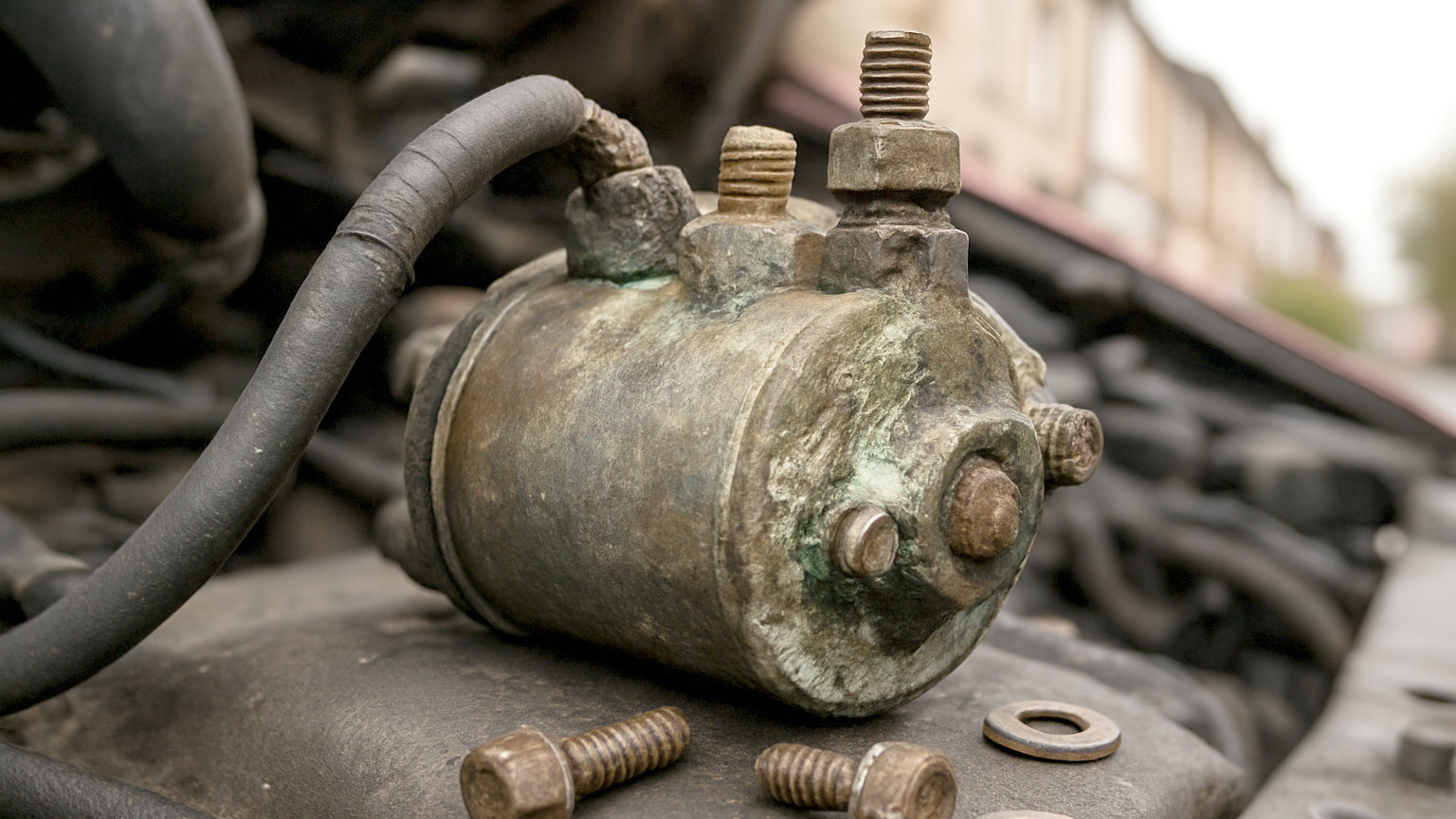
The solenoid is the part that clicks, and the difference between one click and many is the difference between two separate faults.
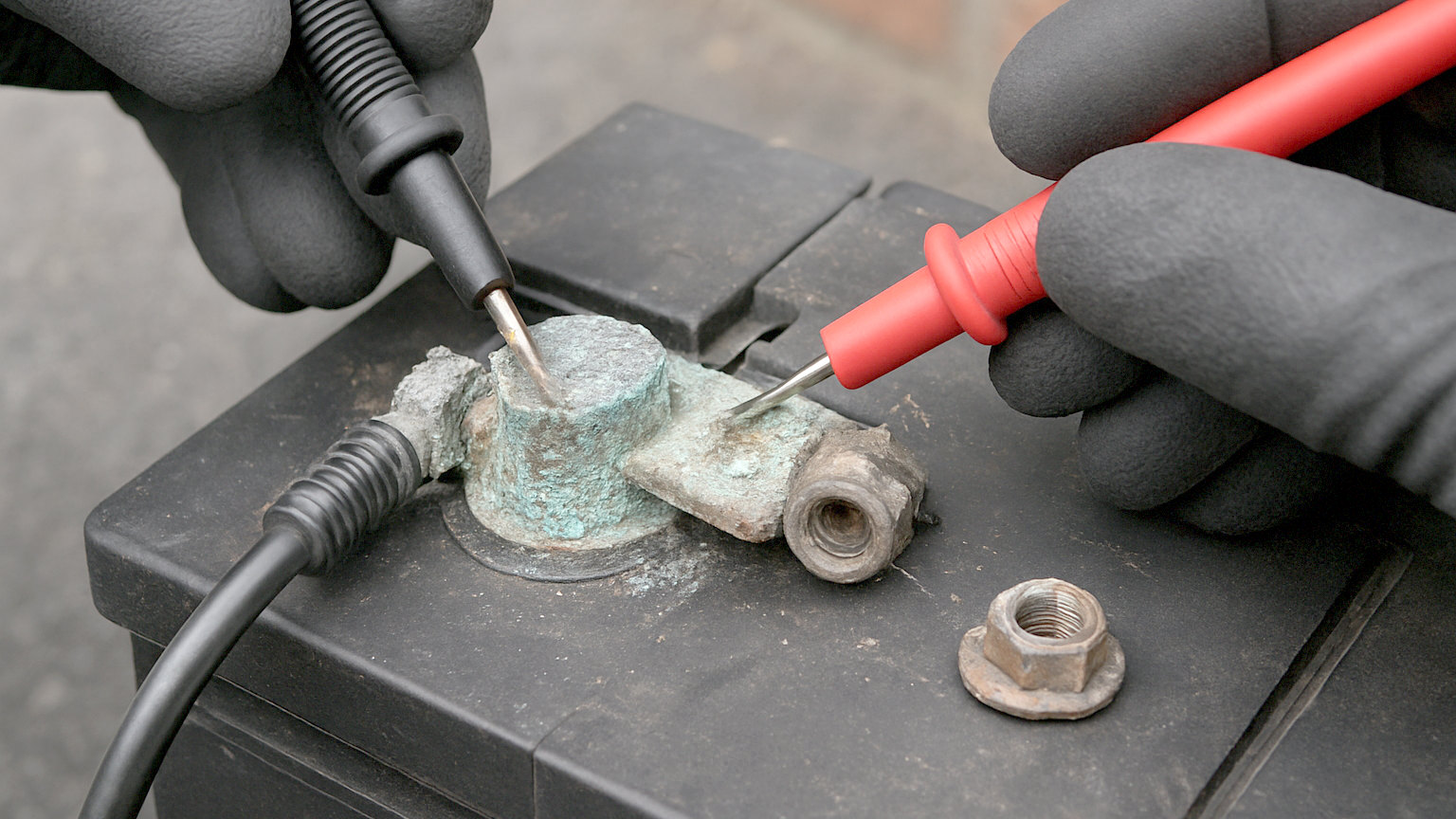
A multimeter across the battery terminals with the engine running answers most of the question in under a minute.
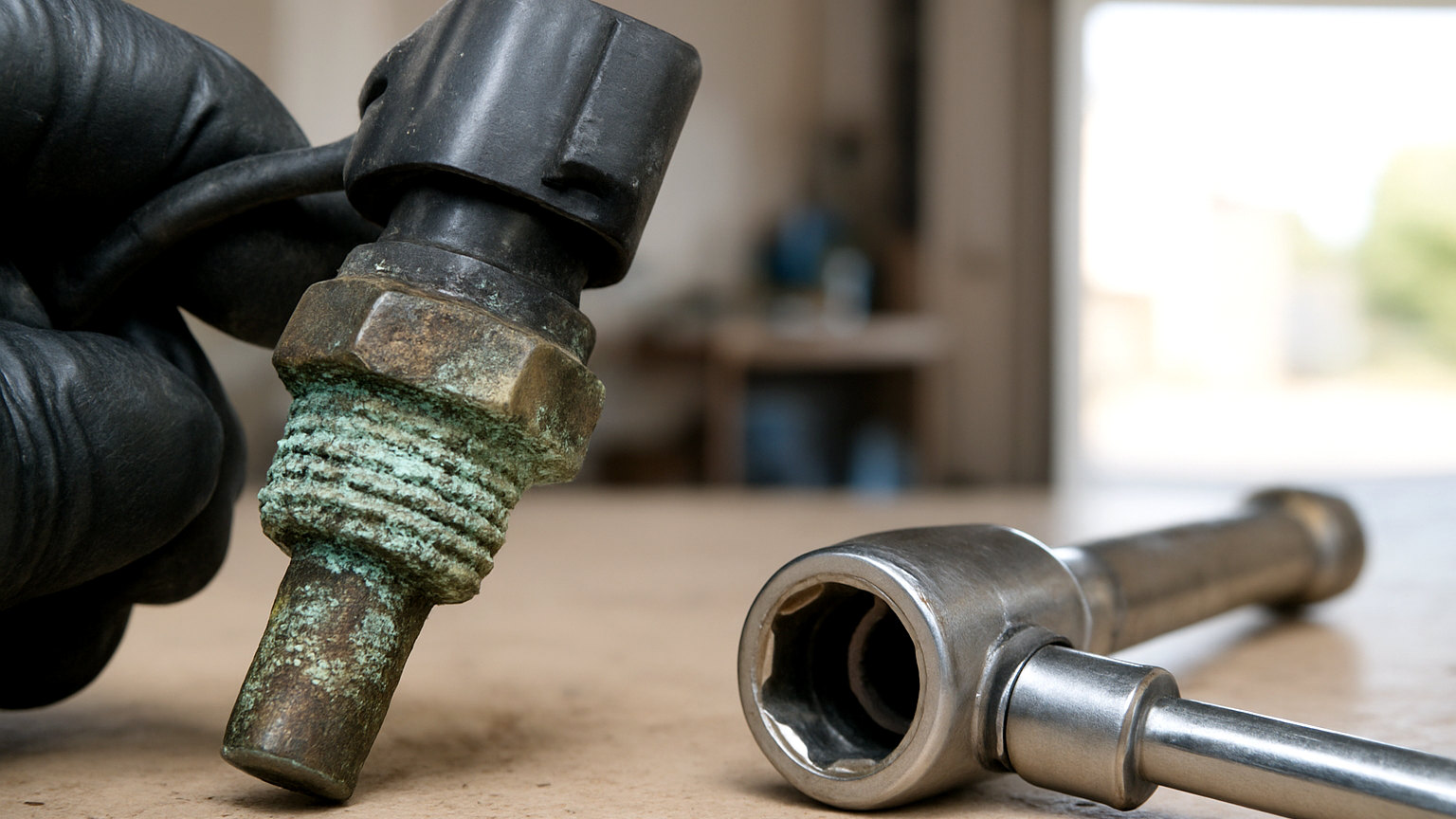
A code names a circuit and a condition, and the sensor is frequently the component reporting the problem rather than causing it.
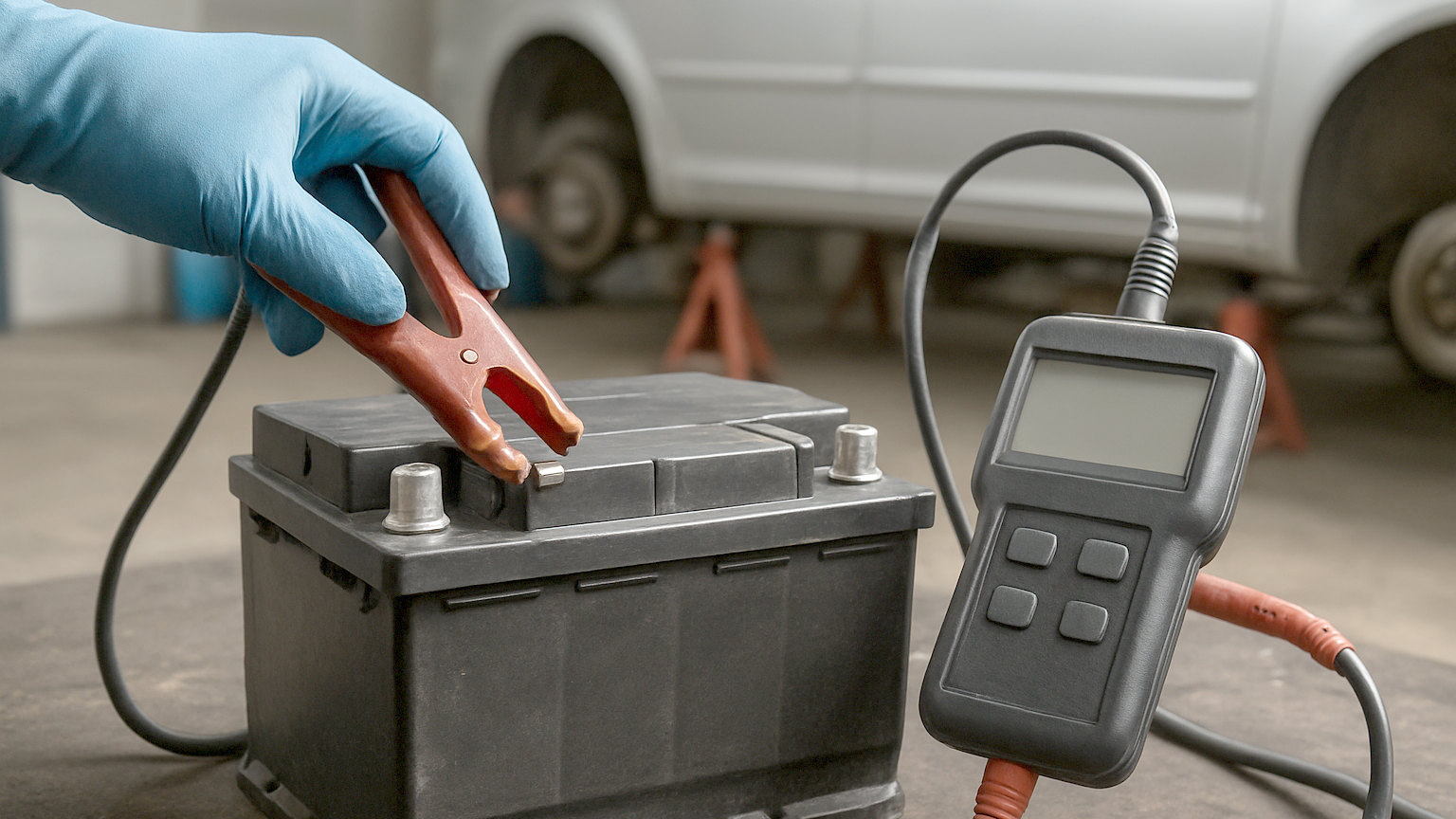
Voltage at rest tells you very little, because the meaningful question is whether the battery holds up under a load it will actually face.