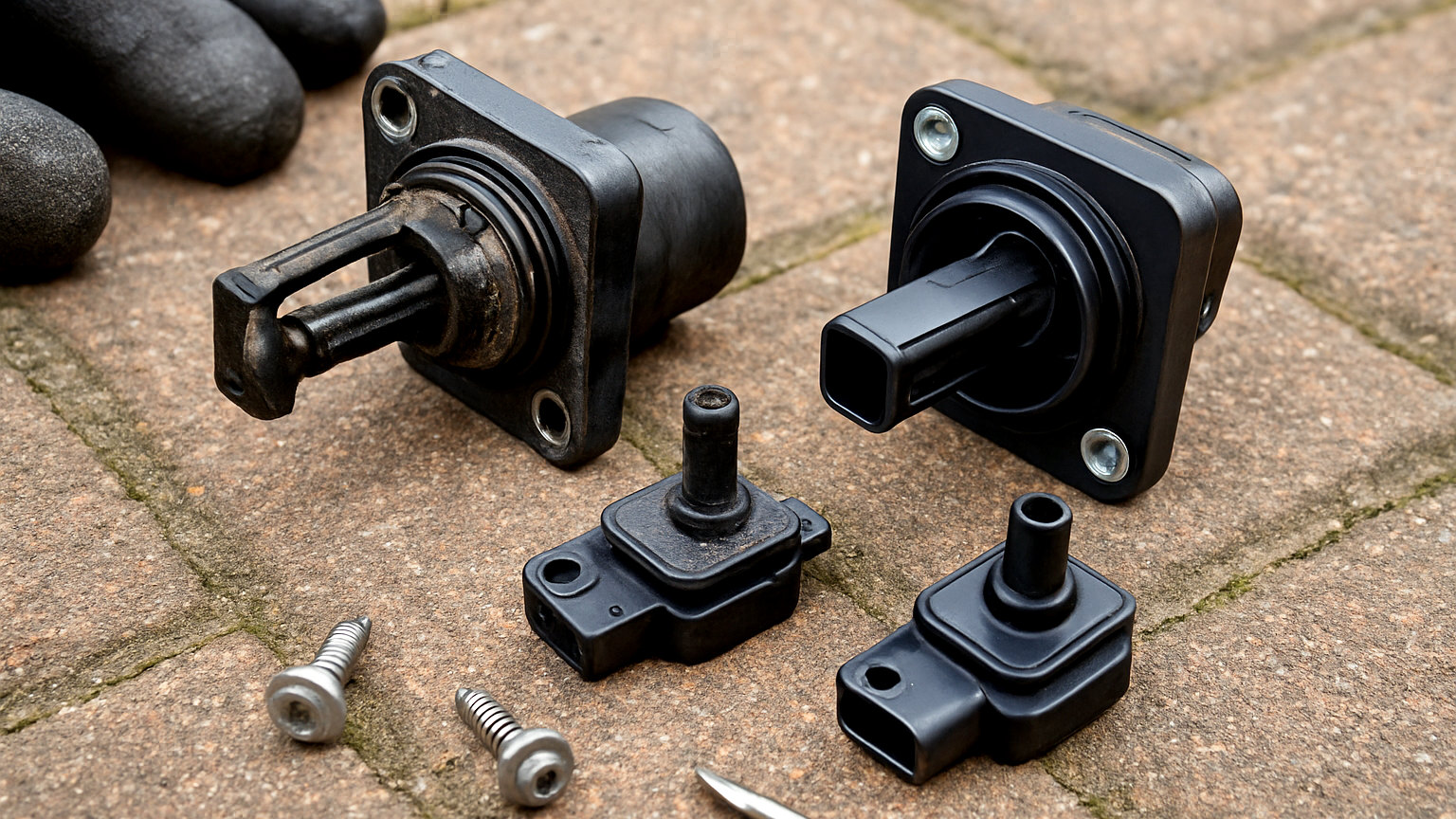
What Is the Difference Between MAF and MAP Sensors?
Both measure how much air the engine is getting, using completely different methods, and the symptoms when they fail overlap considerably.
Electrical faults are the ones drivers most often misread, because the same symptom has two completely different price tags behind it. A car that clicks and won’t turn over might need a fifteen-minute battery swap or a starter motor; a battery that keeps going flat is usually not the battery at all. These guides show you how to tell which is which before you spend anything, what each dashboard warning light genuinely means as opposed to what it feels like it means, and which faults are safe to drive on and which are not.
Both measure how much air the engine is getting, using completely different methods, and the symptoms when they fail overlap considerably.
Most flat batteries recover, but how flat it went and how long it stayed there decides whether you get all the capacity back.
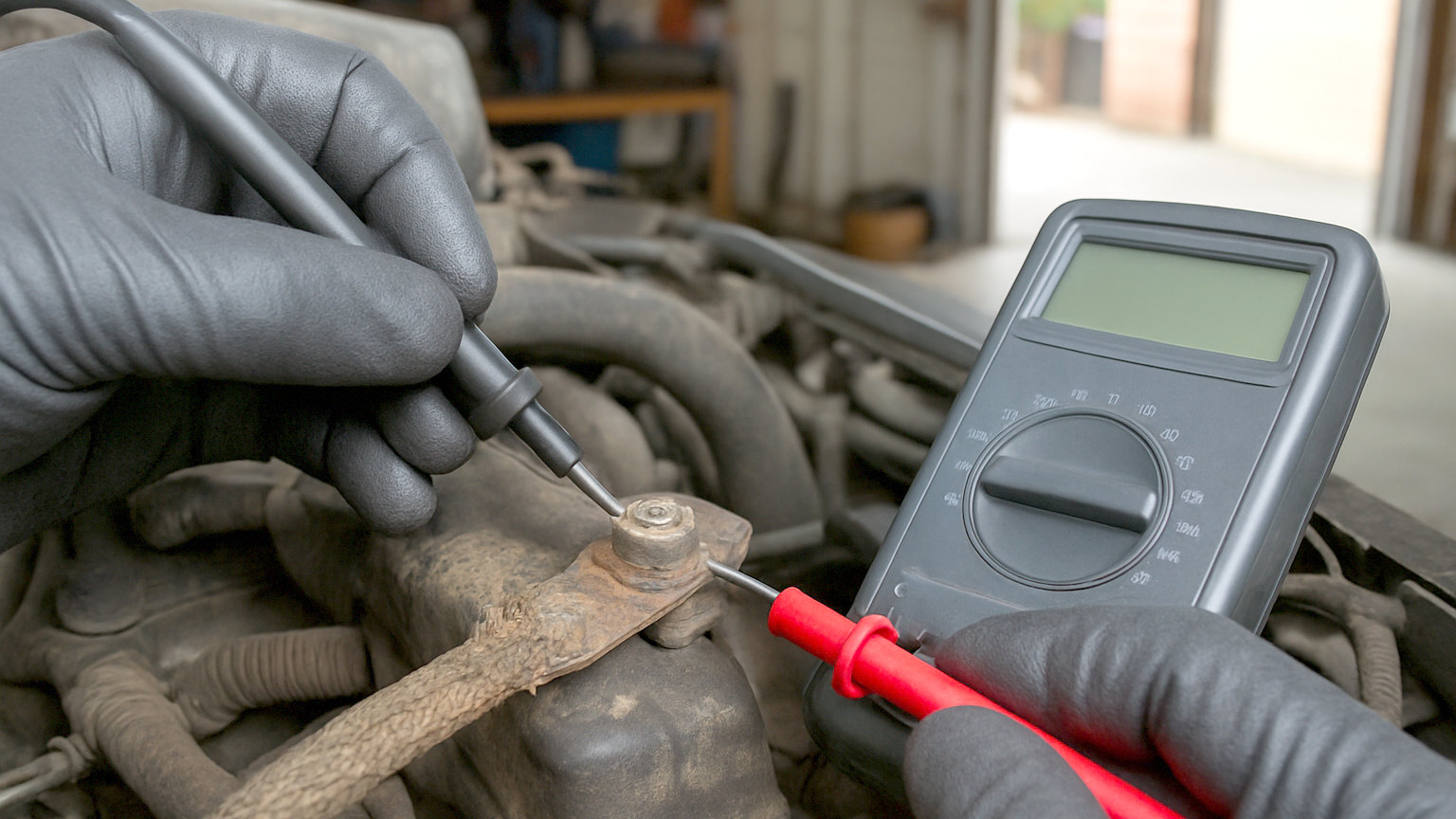
A continuity test tells you a wire is connected. A voltage drop test tells you whether it can actually carry current, which is a different question.
LED retrofit bulbs fit the socket but not the optics, which is why they usually scatter light and fail an MOT.
An ABS light means the anti-lock system has switched itself off, so the brakes still work but they will lock under heavy braking.
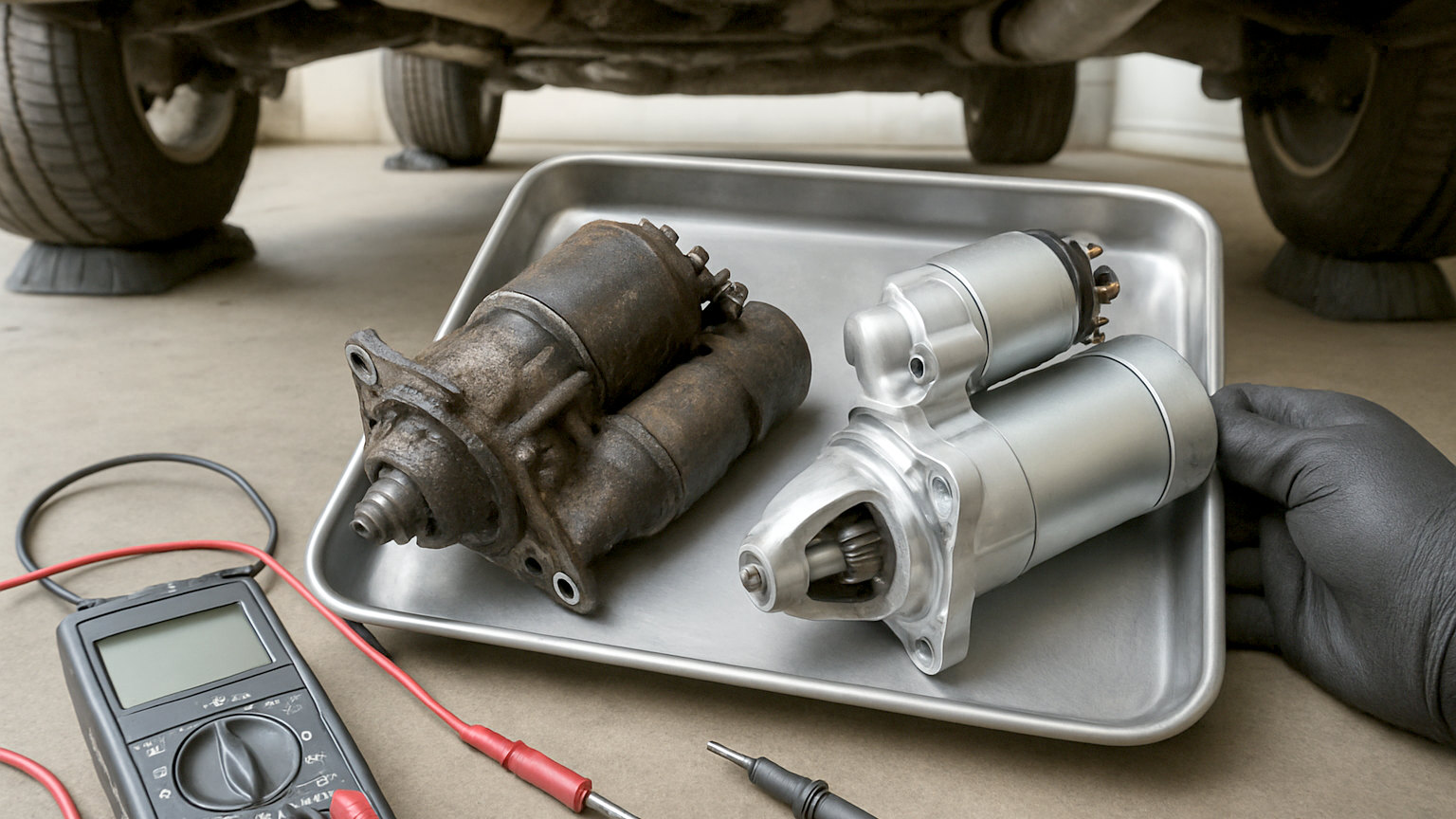
Testing a starter is mostly about measuring voltage in three places while someone turns the key, and it takes a few minutes.
You can drive until the battery runs out and no further, so the real question is how much charge you started with and what is drawing it.
The oxygen sensor is how the engine checks its own work, and when it degrades the fuelling drifts without anything obvious going wrong.
A healthy battery in a healthy car should survive several weeks parked, so failing within seven days points at one of two things.
Water gives electricity an easier path than the one it was meant to take, which is why some faults exist only when it rains.