
A car battery label carries several numbers and most buyers only look at the price. Each figure describes a genuinely different property, and matching them matters, because a battery that is physically the right size can still be electrically wrong for the car. Three numbers do most of the work, and understanding them takes a couple of minutes.
What are cold cranking amps?
Cold cranking amps, usually printed as CCA, measure how much current the battery can deliver at a low temperature while maintaining a usable voltage. It is the figure that determines whether the car will start on a frosty morning, and it is the most important number for a starter battery. Fitting a battery with a lower rating than the manufacturer specified will produce a car that starts fine in summer and struggles in winter, which is a very common and entirely avoidable complaint.
What do amp hours describe?
Capacity, or how much energy the battery stores rather than how fast it can deliver it. A higher amp hour figure means the battery will run the car electronics for longer while parked, tolerate more standing time and cope better with repeated stop-start cycling. It says little about starting performance, which is why a battery can have a good capacity rating and still be a poor choice for cold cranking.
What is reserve capacity?
A related figure, expressed in minutes, describing how long the battery could run essential electrical loads if the alternator failed entirely. It is a useful practical measure and it matters more on modern cars with substantial standing loads. A higher reserve capacity gives more margin for a car that spends periods parked, and it is worth looking at alongside the amp hour figure rather than instead of it.
What is the group or case size?
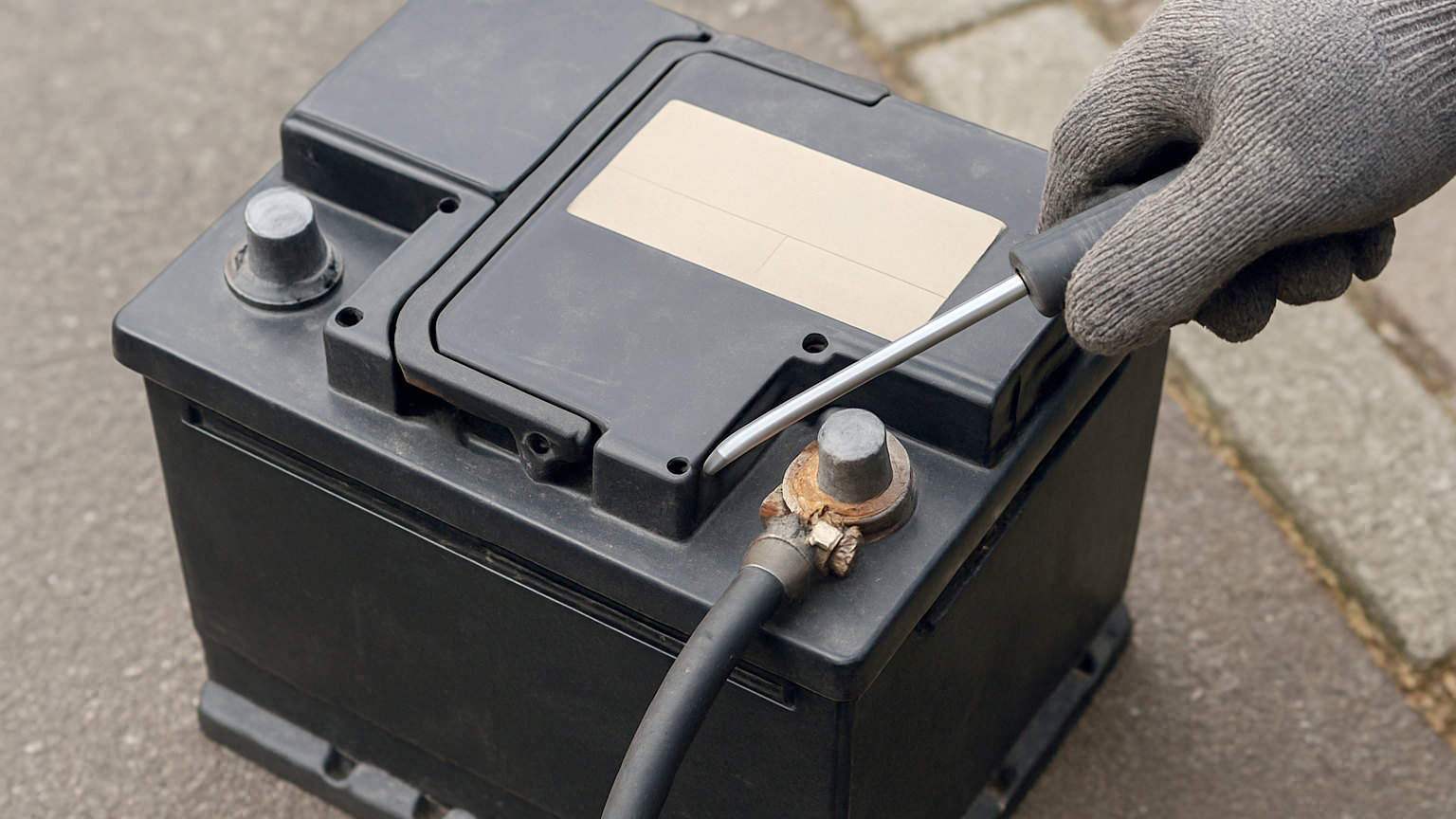
A code describing the physical dimensions, terminal positions and hold down arrangement. It matters because the battery has to fit the tray, the clamp has to secure it, and the leads have to reach the right terminals. Getting this wrong produces a battery that either does not fit or has its terminals on the wrong sides, which either will not connect or forces the leads to be stretched across the top of the battery, which is a short circuit risk.
Which terminal goes where?
Positive and negative posts are not interchangeable, and their positions vary between batteries of the same physical size. The positive terminal is usually slightly larger and marked with a plus symbol and often a red cover. Before buying, note which side the positive sits on when looking at the battery in its normal orientation, since that single detail eliminates a great many otherwise suitable batteries.
Can you fit a battery with a higher rating?
Generally yes, and it does no harm. A battery with more cold cranking amps than specified simply has more in reserve, and the starter only draws what it needs. Higher capacity is similarly harmless provided it physically fits and the charging system is not being asked to do anything unusual. What you should not do is fit a lower rating than specified, or fit a conventional battery where an AGM or enhanced flooded type is required.
How do you find the right specification?
The existing battery label is the simplest source, provided the last one fitted was correct. The handbook lists the specification, and most retailers have a lookup by registration. Take a photograph of the old battery label before removing it, including the ratings, the case code and the terminal layout, because that image answers every question you will be asked at the counter.
One caution on lookups by registration: they occasionally return the wrong result on cars that had several battery options from new, so if the tool suggests something noticeably different from what is currently fitted, trust the old label over the database and check the physical dimensions before paying.


