
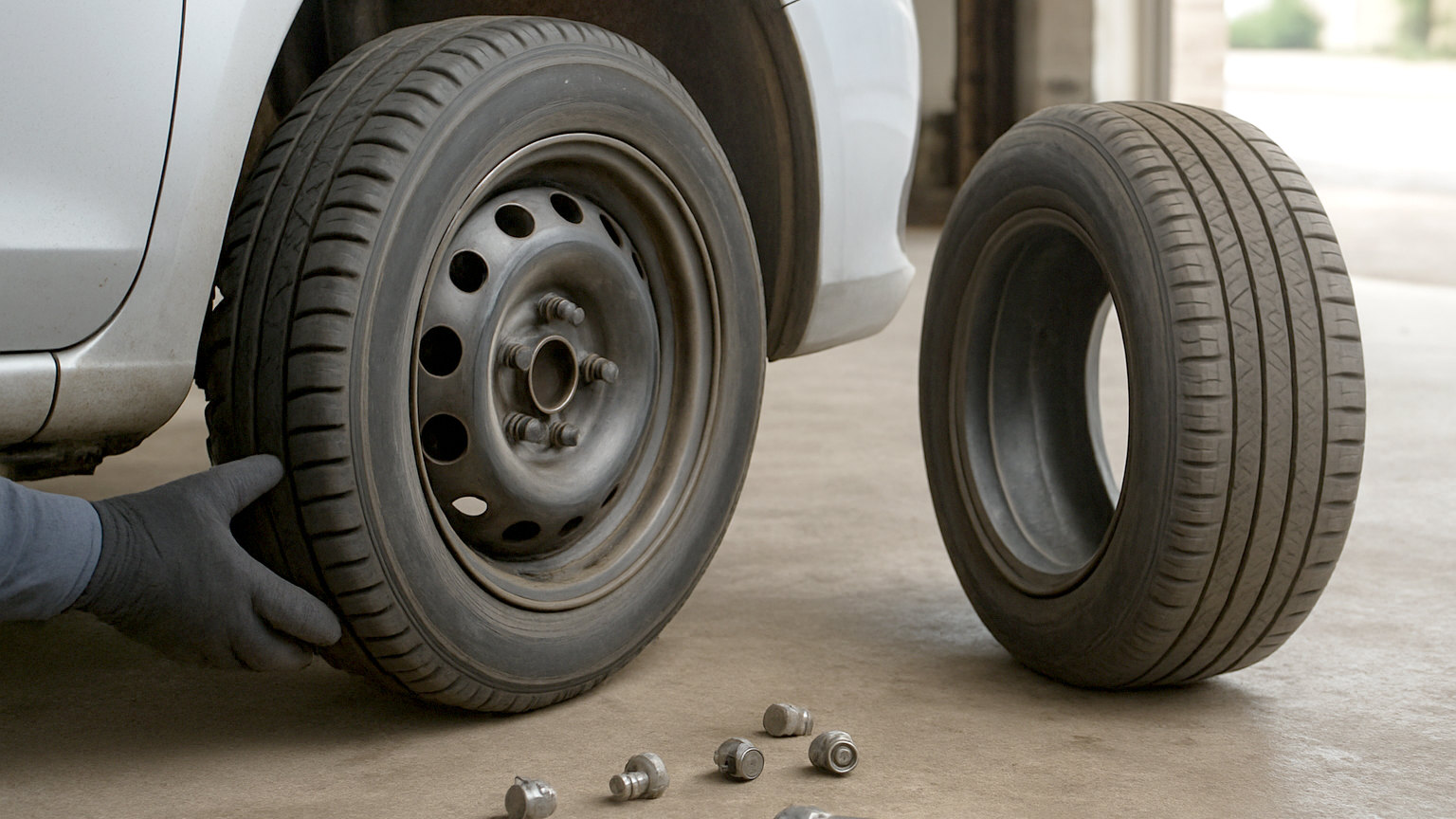
Tyres are the only part of a car that touches the road, and every input the driver makes passes through four contact patches roughly the size of a postcard each. That makes them the component where quality has the most direct effect on safety, and independent testing consistently finds differences between premium and budget tyres that are measured in car lengths rather than percentages.
What do the tests actually show?
The largest differences appear in wet braking and aquaplaning resistance. In magazine and motoring organisation group tests, the gap between the best and worst tyres in the same size, braking from motorway speed on a wet surface, is frequently several car lengths. Dry braking differences are smaller. Since wet conditions are where accidents happen, that gap matters disproportionately.
Is every budget tyre poor?
No, and it is worth being fair about this. All tyres sold for road use must meet minimum standards, and some budget brands perform respectably. The problem is consistency: the budget category contains both competent products and genuinely poor ones, and the price tells you very little about which you are getting. Premium brands are more predictable rather than uniformly superior.
What about mid range brands?
Frequently the best value. Many premium manufacturers own second tier brands that use slightly older technology at a lower price, and those often perform close to the flagship products for meaningfully less money. For a car doing ordinary mileage, a good mid range tyre is usually a better decision than either extreme.
How useful is the EU tyre label?
Useful as a starting point rather than a complete answer. It grades fuel efficiency, wet grip and noise, and the wet grip rating is the one worth weighting most heavily. Its limitation is that it covers a narrow set of tests, so it does not capture handling, aquaplaning resistance or performance as the tyre wears. It is best combined with independent test results.
Do premium tyres last longer?
Often, and that changes the cost comparison. A premium tyre lasting thirty thousand miles against a budget one lasting twenty thousand is not fifty percent more expensive in practice even if it is at the point of purchase. Adding the fitting cost, which is identical either way and is incurred more often with shorter lived tyres, narrows the gap further.
Does it matter more on some cars?
Heavier and more powerful vehicles ask more of their tyres, so the differences show up sooner. So does towing. A light city car driven gently is less demanding, and a competent mid range tyre is entirely adequate. What is never sensible is fitting a tyre with a lower load or speed rating than the vehicle requires in order to save money.
What about matching what is already fitted?
Keeping an axle pair identical matters more than the brand itself. Two different tyres on the same axle, even two good ones, produce uneven grip and unpredictable behaviour. If replacing two, matching them to each other is the priority, and matching all four is better still where the budget allows.
How should you choose?
Look up independent group tests for your tyre size, filter for wet performance, and see which options in your price range perform well. Check the EU label wet grip grade. Buy the best you can reasonably afford rather than the cheapest that fits, and remember that the fitting labour is the same regardless, so the real difference is smaller than the headline price suggests.
Does the same apply to winter tyres?
Even more so, since the whole point of a winter tyre is a compound that performs in the cold, and that is precisely where cheaper manufacturing shows. A budget winter tyre can perform worse than a good all season one. If cold weather grip is the reason for buying them, the brand matters more than usual rather than less, and independent winter tyre tests are worth seeking out specifically.


