
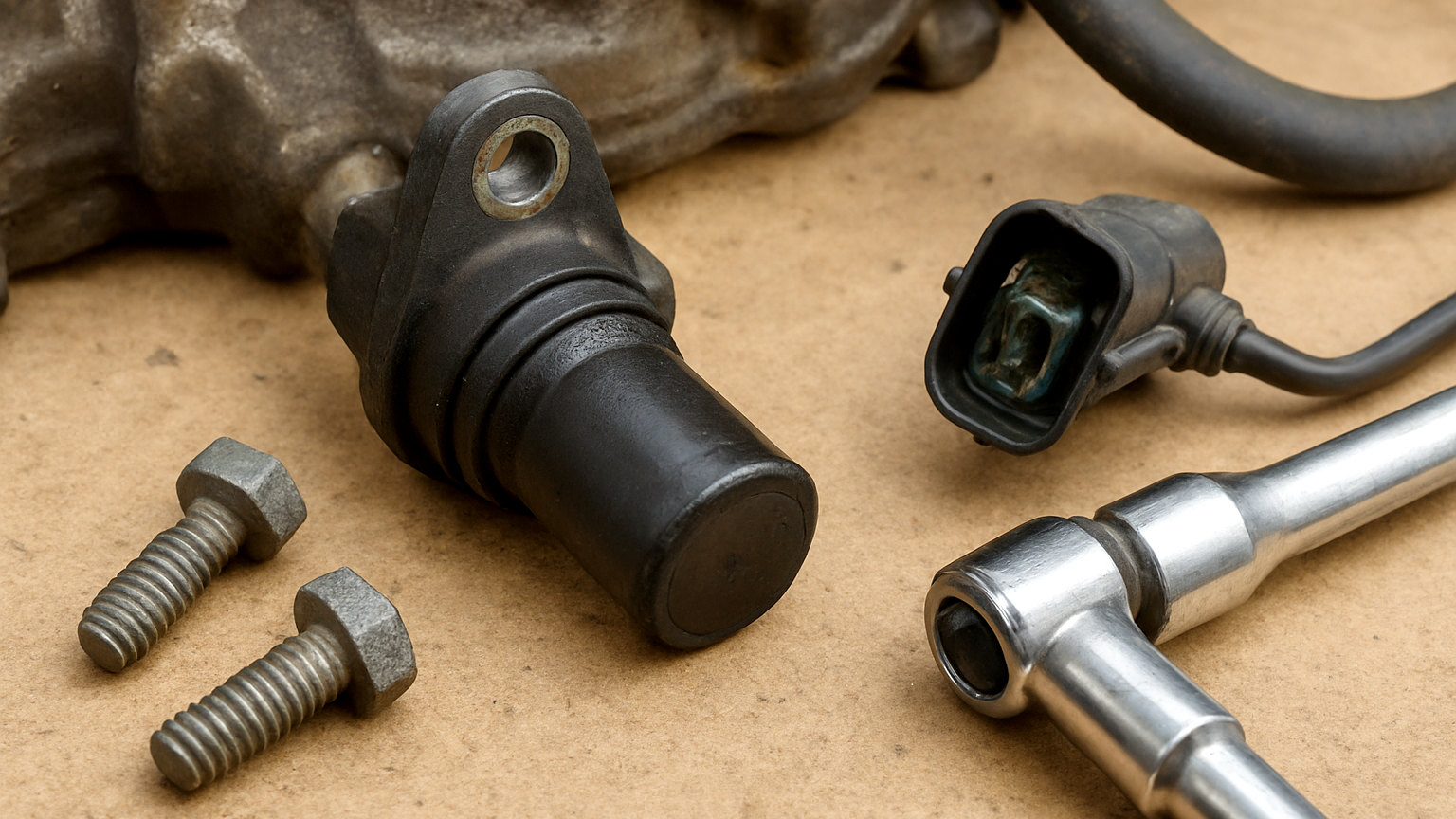
The most expensive habit in modern car ownership is reading a fault code, seeing the name of a sensor in it, and buying that sensor. It works often enough to feel reasonable and fails often enough to be costly. Understanding what a code actually describes explains why, and it changes how you approach every warning light that follows.
What does a fault code actually describe?
A circuit and a condition, not a component. A code naming an oxygen sensor circuit as reading low means the signal on that circuit was below the expected range. That could be a failed sensor, a broken wire, a corroded connector, a poor earth, or a completely healthy sensor accurately reporting an engine that genuinely is running lean for an entirely separate reason. The code cannot distinguish between those.
Why do sensors get blamed so often?
Because they are named. The code text mentions the sensor because that is the circuit being monitored, and a sensor is a tidy, purchasable object with a part number. Wiring, connectors and earths are none of those things. There is also a commercial pressure, since fitting a part produces an invoice while diagnosis produces only a bill for time.
What is the sensor actually doing in most cases?
Its job. A coolant temperature sensor reporting a cold engine on a hot one is faulty. A lean running code from an oxygen sensor on an engine with a split breather hose is a sensor doing exactly what it was fitted to do, reporting a real condition accurately. Replacing it changes nothing, and the light returns within a few drive cycles because the underlying air leak is still there.
How do you tell which situation you have?
Live data. Instead of reading the stored code, look at what the sensor is reporting in real time and ask whether it is plausible. A coolant sensor reading twenty degrees on an engine that has been running for half an hour is clearly wrong. One reading ninety on a hot engine is clearly right, which means the fault lies elsewhere and the code was a symptom rather than a diagnosis.
What is a circuit test?
Measuring the supply voltage, the earth and the signal at the sensor connector, then comparing against specification. It establishes whether the sensor is receiving what it needs and whether its output is reaching the module. A great many sensor codes turn out to be a corroded connector or a damaged wire, and a circuit test finds those in minutes while a parts order does not.
Which codes are most often misread?
Oxygen sensor codes, which frequently reflect a fuelling problem rather than a sensor. Mass airflow codes, which are often caused by unmetered air entering after the sensor. Catalyst efficiency codes, which can indicate a sensor or a genuinely failing converter. Camshaft correlation codes, which usually mean a stretched timing chain rather than a failed sensor. In each case the named part is the messenger.
When is the sensor genuinely at fault?
Frequently enough that it should not be dismissed. Sensors work in hot, dirty, vibrating environments and they do wear out and fail. What matters is confirming it by measurement rather than by inference, either by comparing live data against reality, by testing the circuit, or on some sensors by viewing the signal on an oscilloscope. Confirmation takes minutes and prevents a wasted purchase.
What should you ask a garage?
Whether the sensor was tested or simply named by a code, and what the live data showed. That single question distinguishes diagnosis from substitution. A workshop that has measured the value, checked the circuit and can explain why the reading is implausible is giving you a diagnosis. One that has read a code and quoted for the part named in it may be right, and has not demonstrated it.
What should you do first yourself?
Read the code and the freeze frame data, then search the code alongside your make, model and engine, since many have well documented common causes on particular vehicles. Check the obvious physical possibilities such as split intake hoses and corroded connectors. That costs nothing and frequently identifies the real fault before any part is considered.


