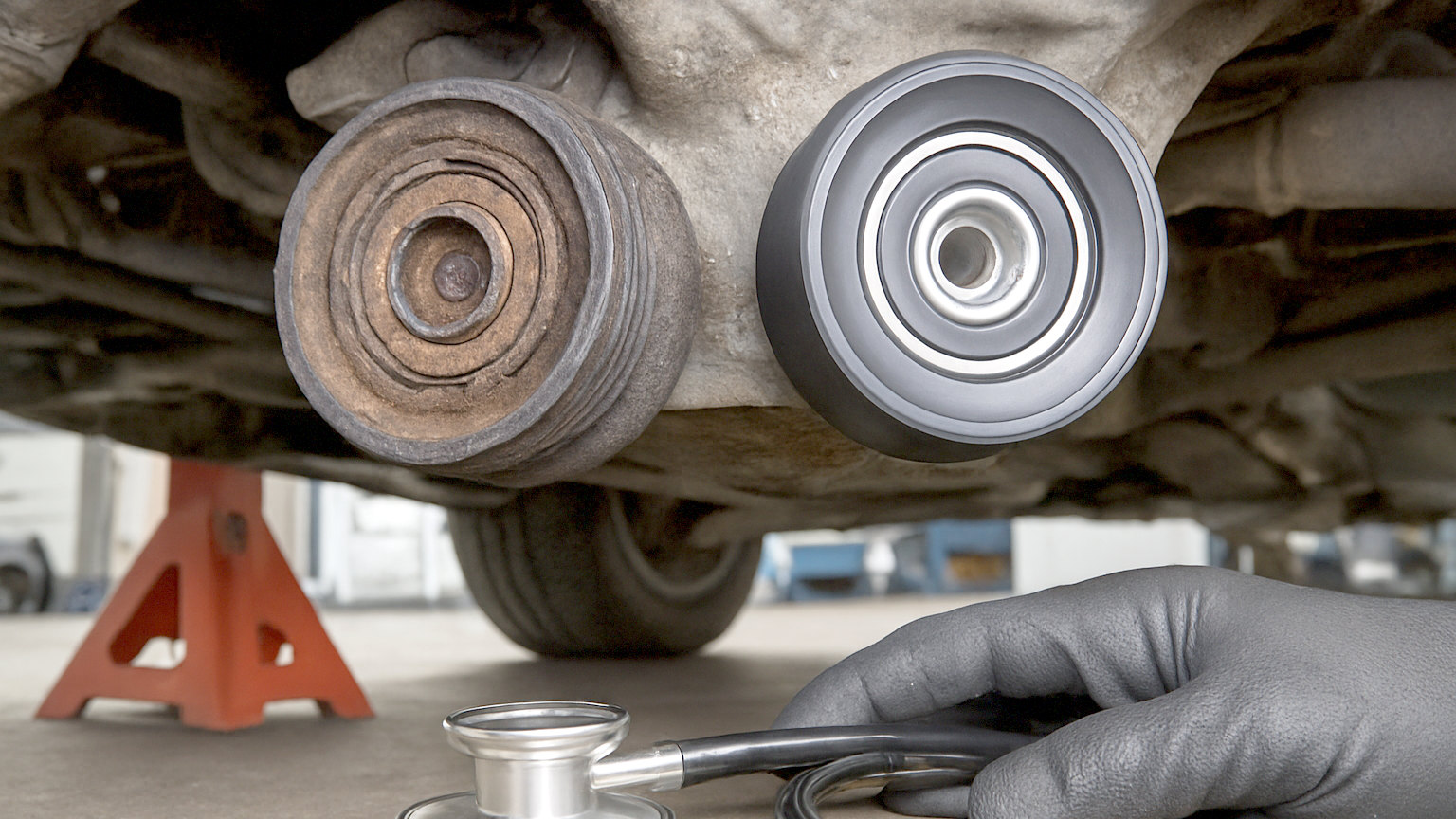
How Do You Work Out Where an Engine Noise Comes From?
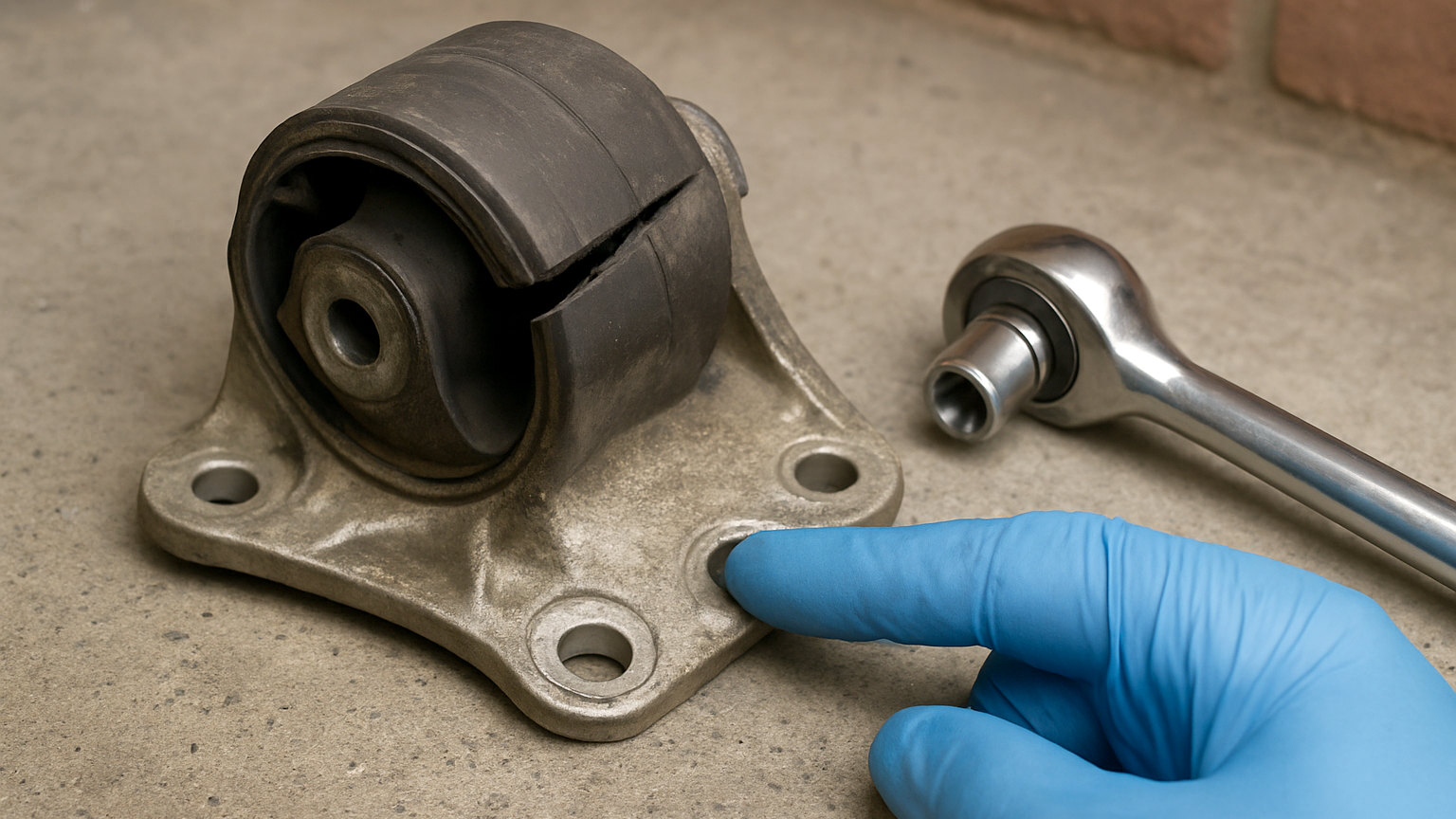
Locating a noise properly is most of the diagnosis, and the questions that do it are about timing and conditions rather than sound description.
Nearly every engine fault announces itself long before it becomes expensive, and almost always as a symptom rather than a diagnosis: a noise that wasn’t there last week, a temperature gauge creeping past halfway, a puff of blue smoke on a cold morning. These guides work backwards from what you can actually see, hear and smell. Each one sets out the likely causes in the order they are worth checking, the few tests you can do on the driveway, and the point at which carrying on driving stops being a saving and starts being a bill.
Locating a noise properly is most of the diagnosis, and the questions that do it are about timing and conditions rather than sound description.
A shaking car and a rough running engine are two different problems, and the test that separates them takes about a minute in a car park.
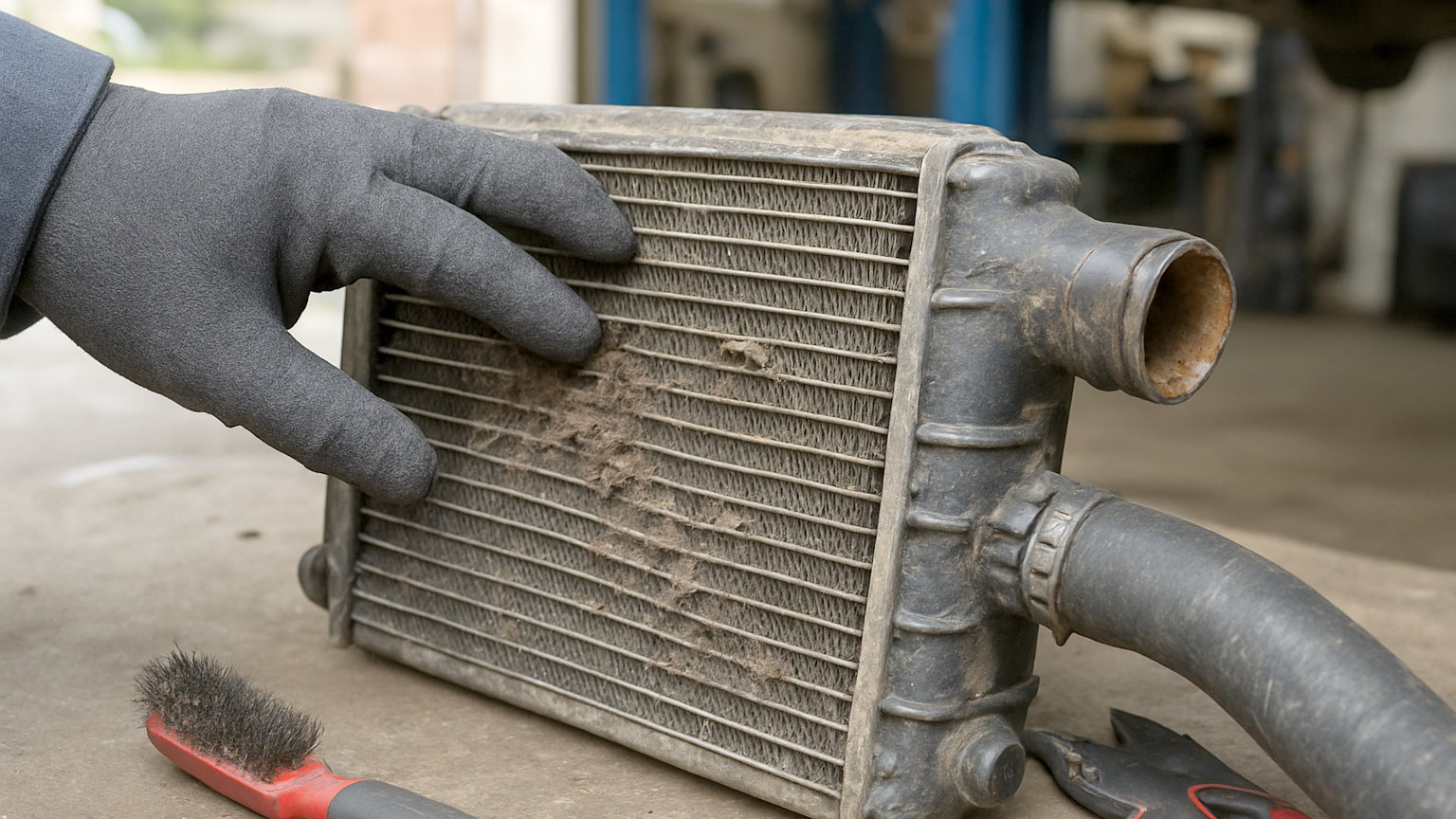
Radiators fail slowly rather than suddenly, blocking with debris on the outside and corrosion sediment on the inside, and both reduce capacity.
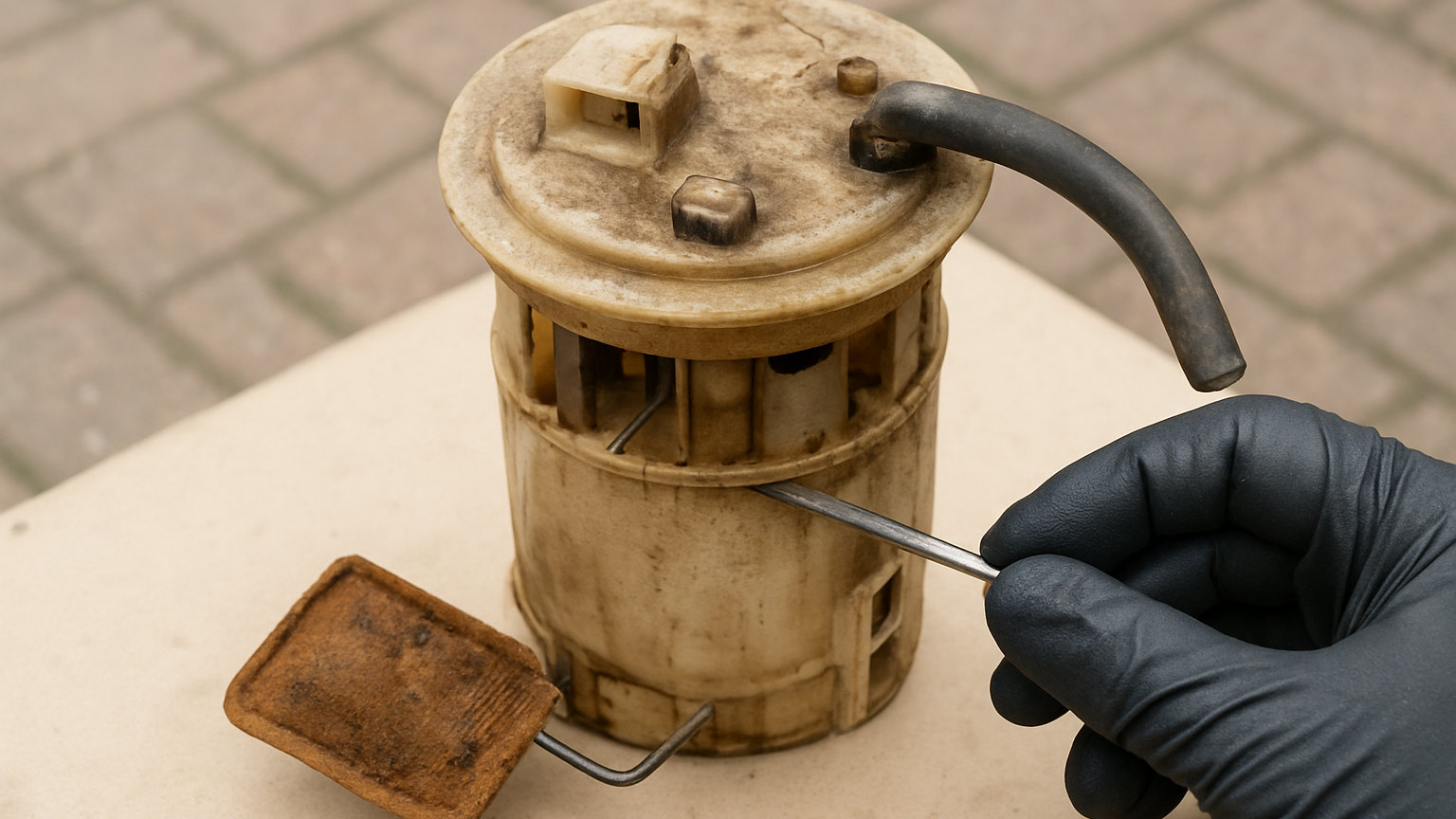
Fuel pumps rarely stop without warning, and the warnings arrive at exactly the moments when the engine is asking for most fuel.
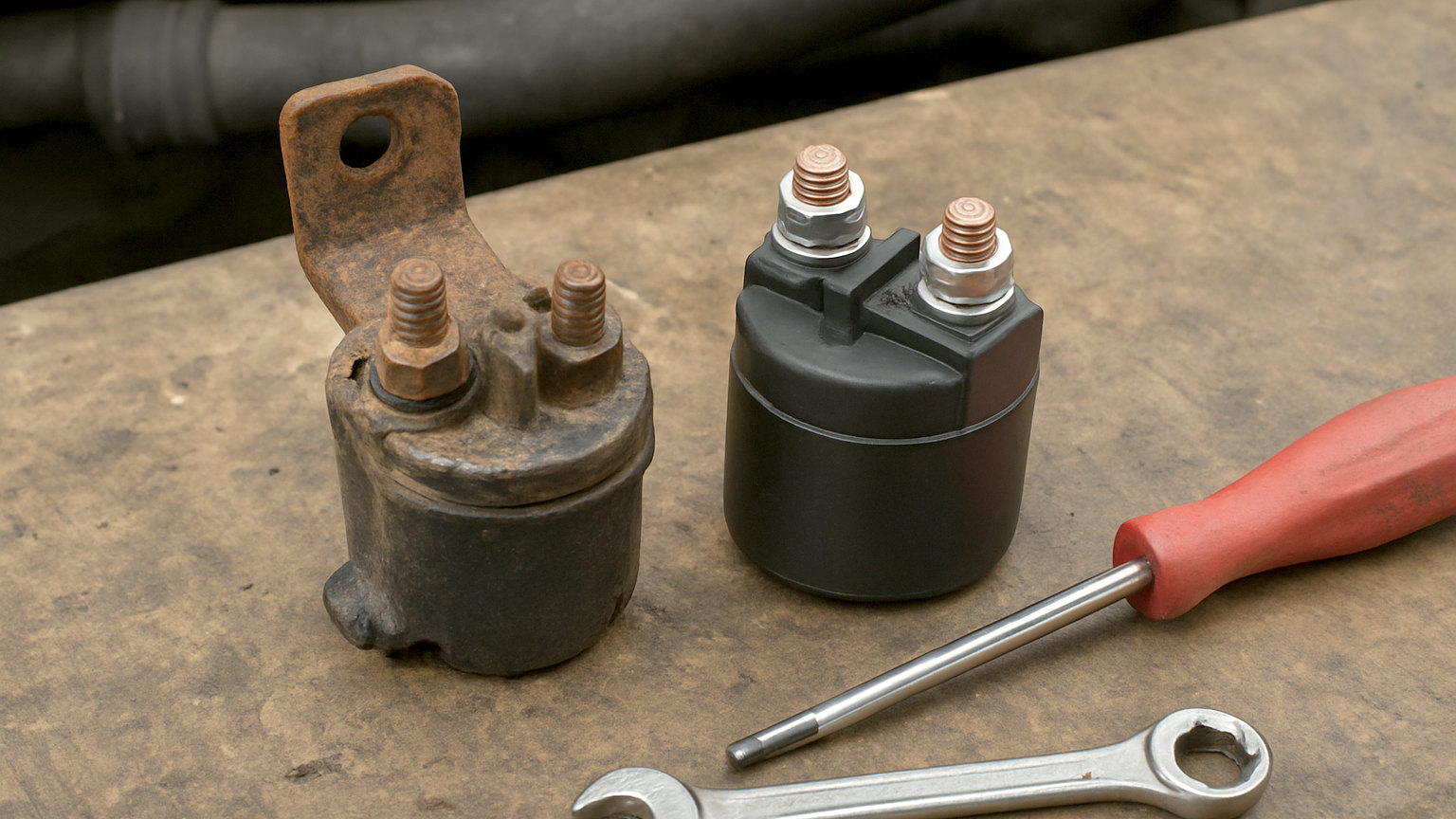
When the dashboard lights up and the key does nothing, the fault is usually in the chain of permissions between the key and the starter.
Running low on oil does damage in a specific order, and knowing that order explains why the warning light comes so late to be useful.
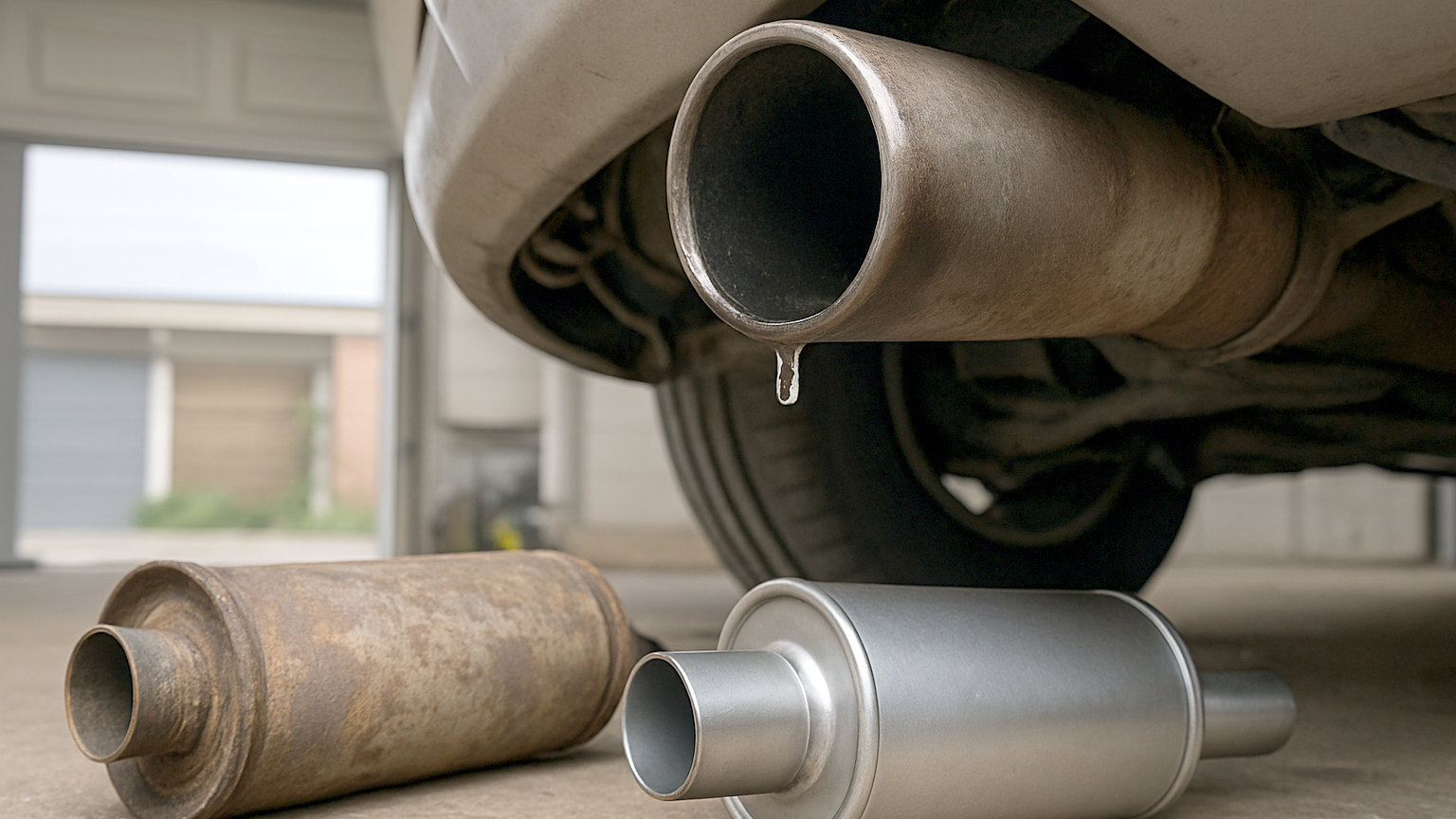
Water from the tailpipe is usually the sign of a healthy engine rather than a failing one, though there is one version worth checking.
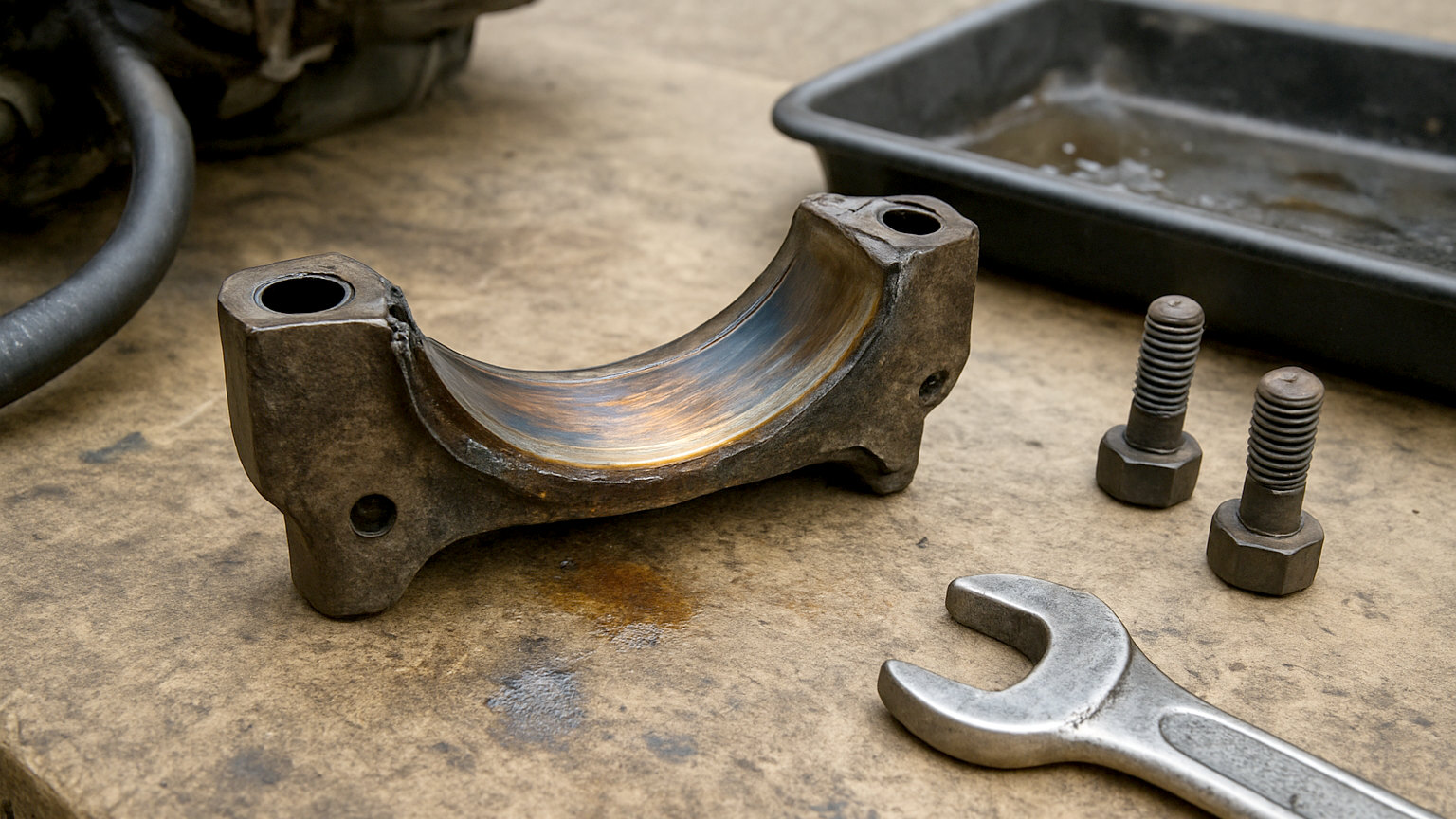
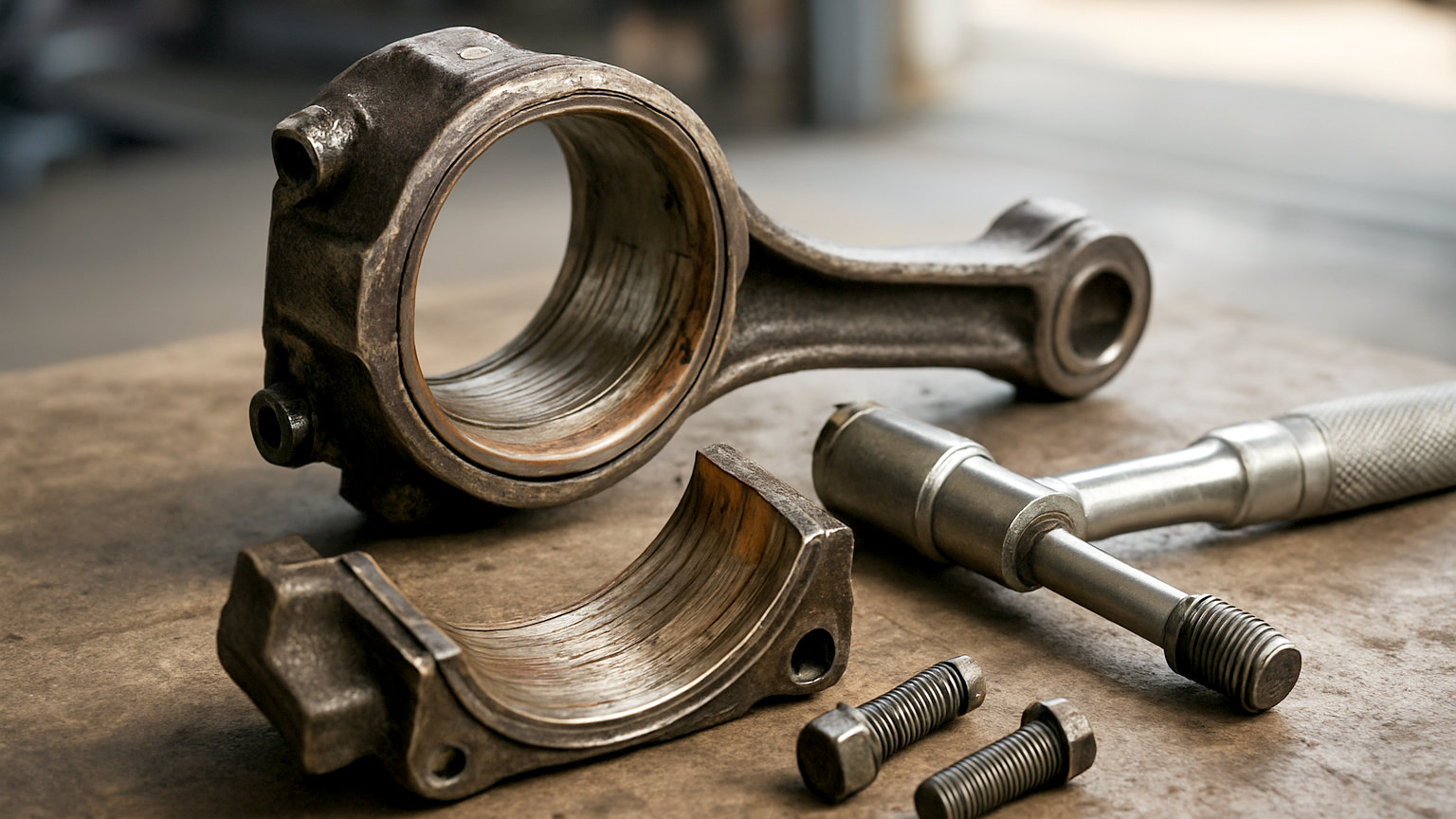
Most engine noises can wait for an appointment. A small number should end the journey at the next safe place, and it is worth knowing which.
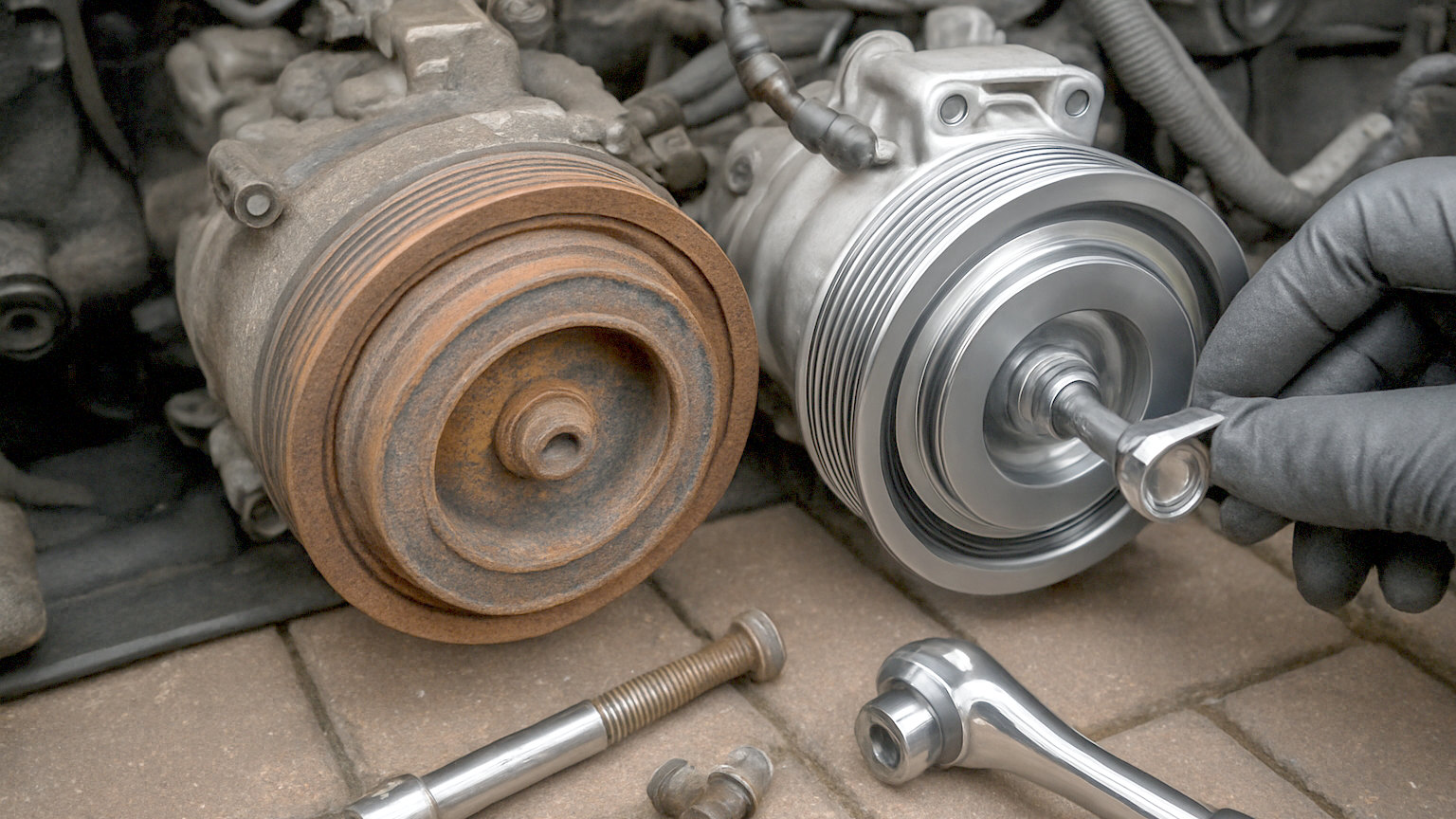
The air conditioning compressor is a real mechanical load, and a car that only stalls with it running has an idle with nothing in reserve.
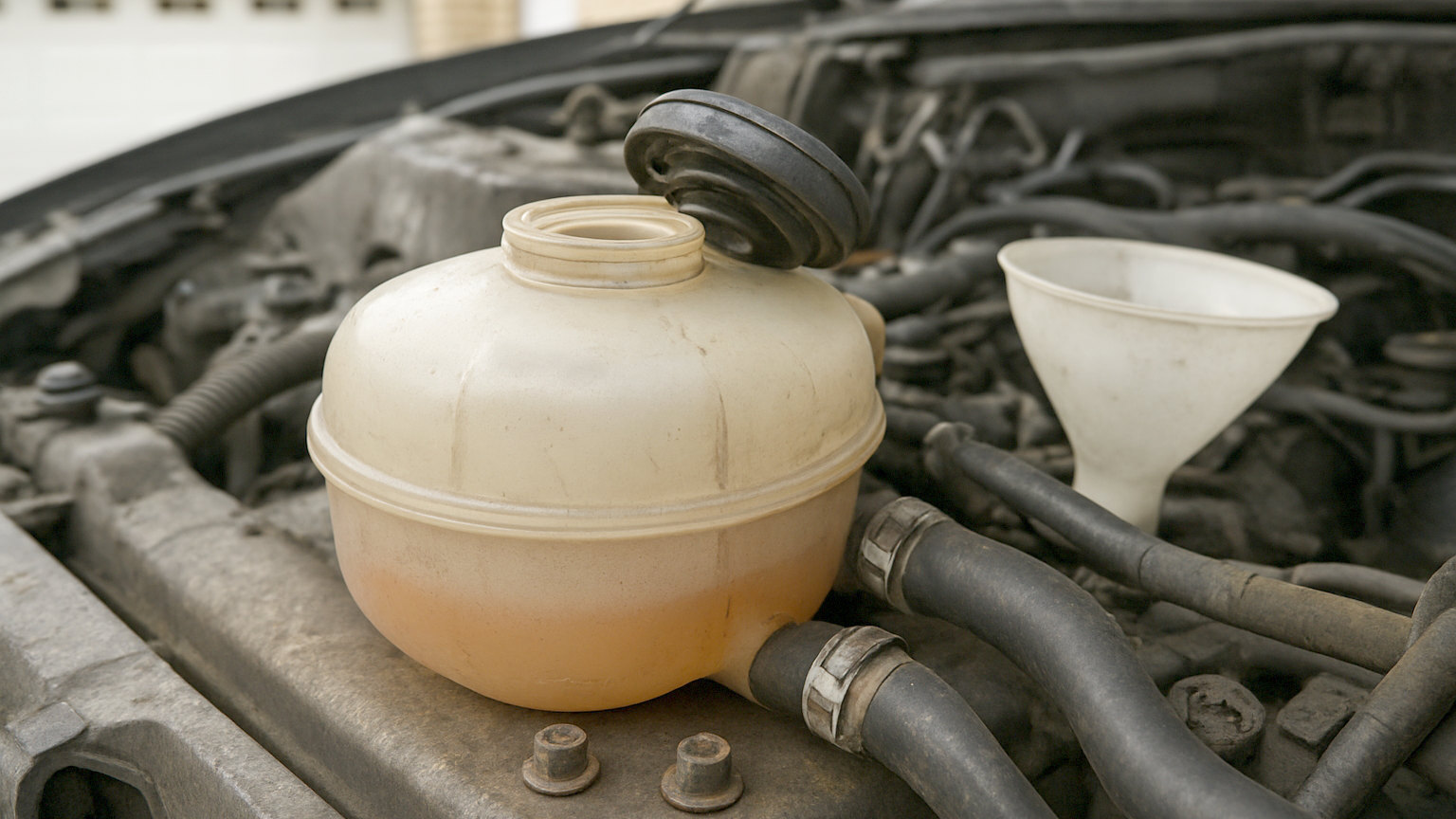
Checking coolant takes two minutes and the only rule that really matters is that the engine must be cold before anything is opened.