Why Does My Engine Rattle on Startup Then Go Quiet?
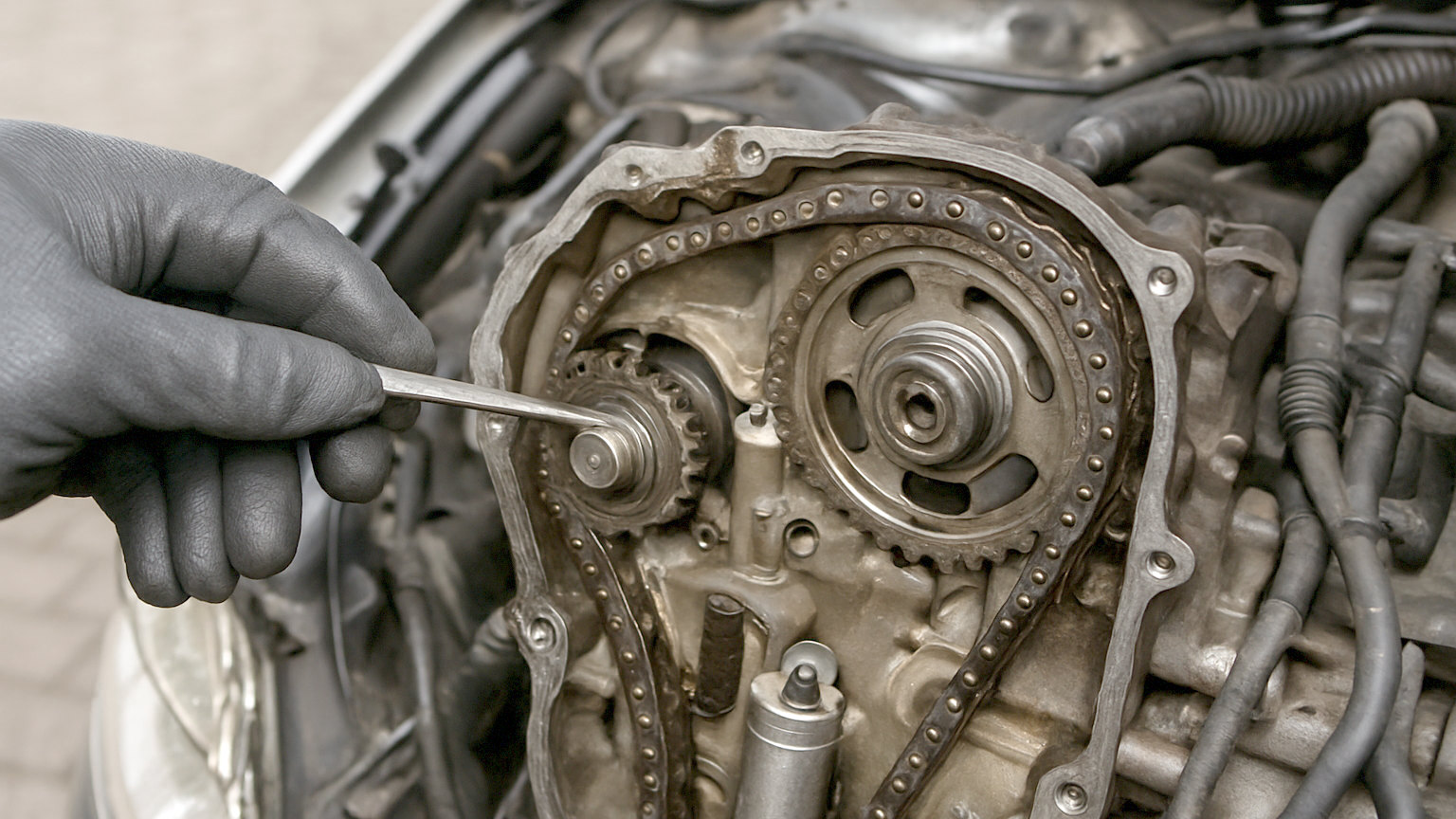
A brief rattle in the first seconds after starting is one of the most important noises a car makes, and it is very often the timing chain.
Nearly every engine fault announces itself long before it becomes expensive, and almost always as a symptom rather than a diagnosis: a noise that wasn’t there last week, a temperature gauge creeping past halfway, a puff of blue smoke on a cold morning. These guides work backwards from what you can actually see, hear and smell. Each one sets out the likely causes in the order they are worth checking, the few tests you can do on the driveway, and the point at which carrying on driving stops being a saving and starts being a bill.
A brief rattle in the first seconds after starting is one of the most important noises a car makes, and it is very often the timing chain.
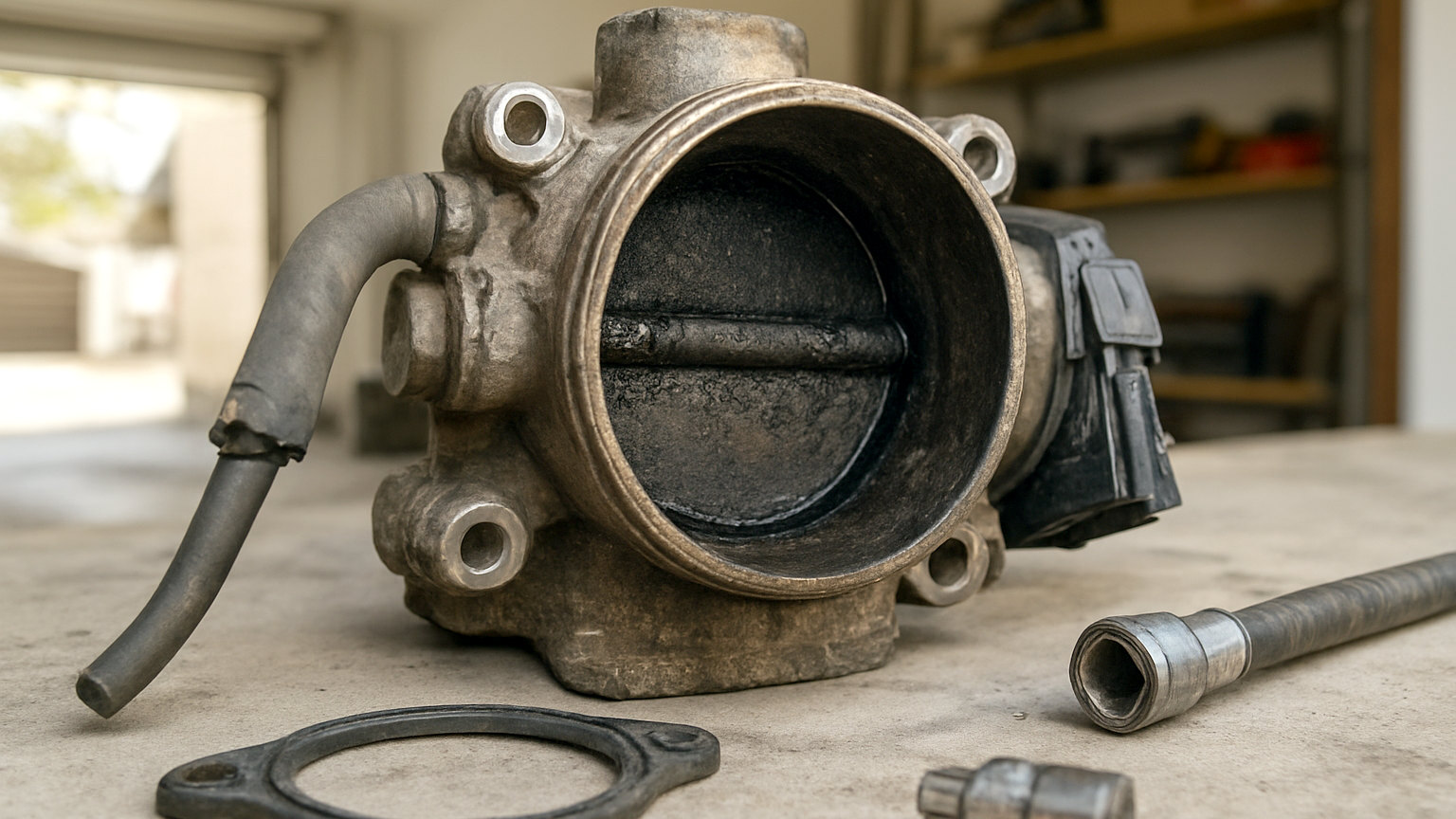
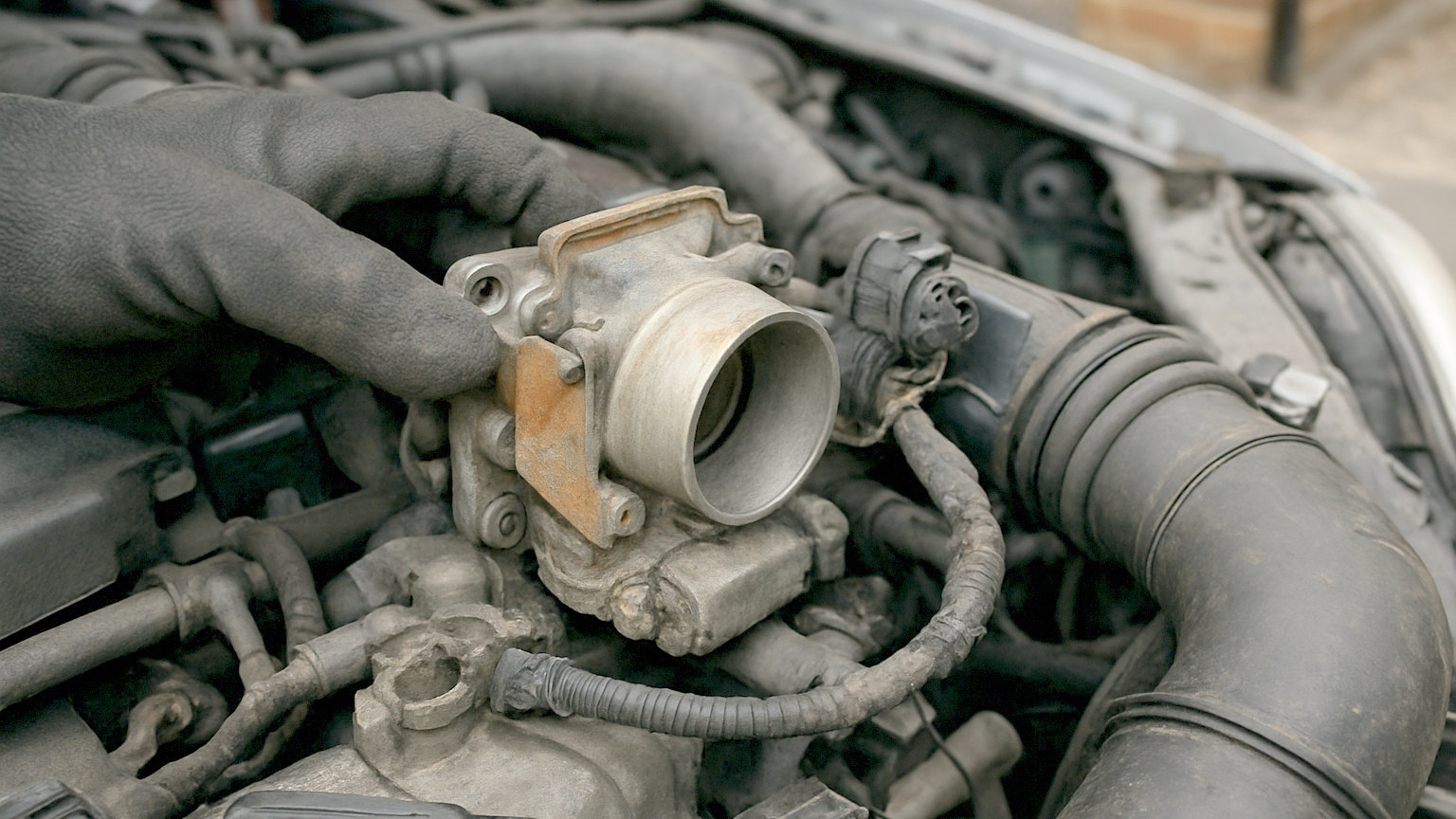
A hunting idle is the management repeatedly correcting itself, which means it is receiving information that does not add up.
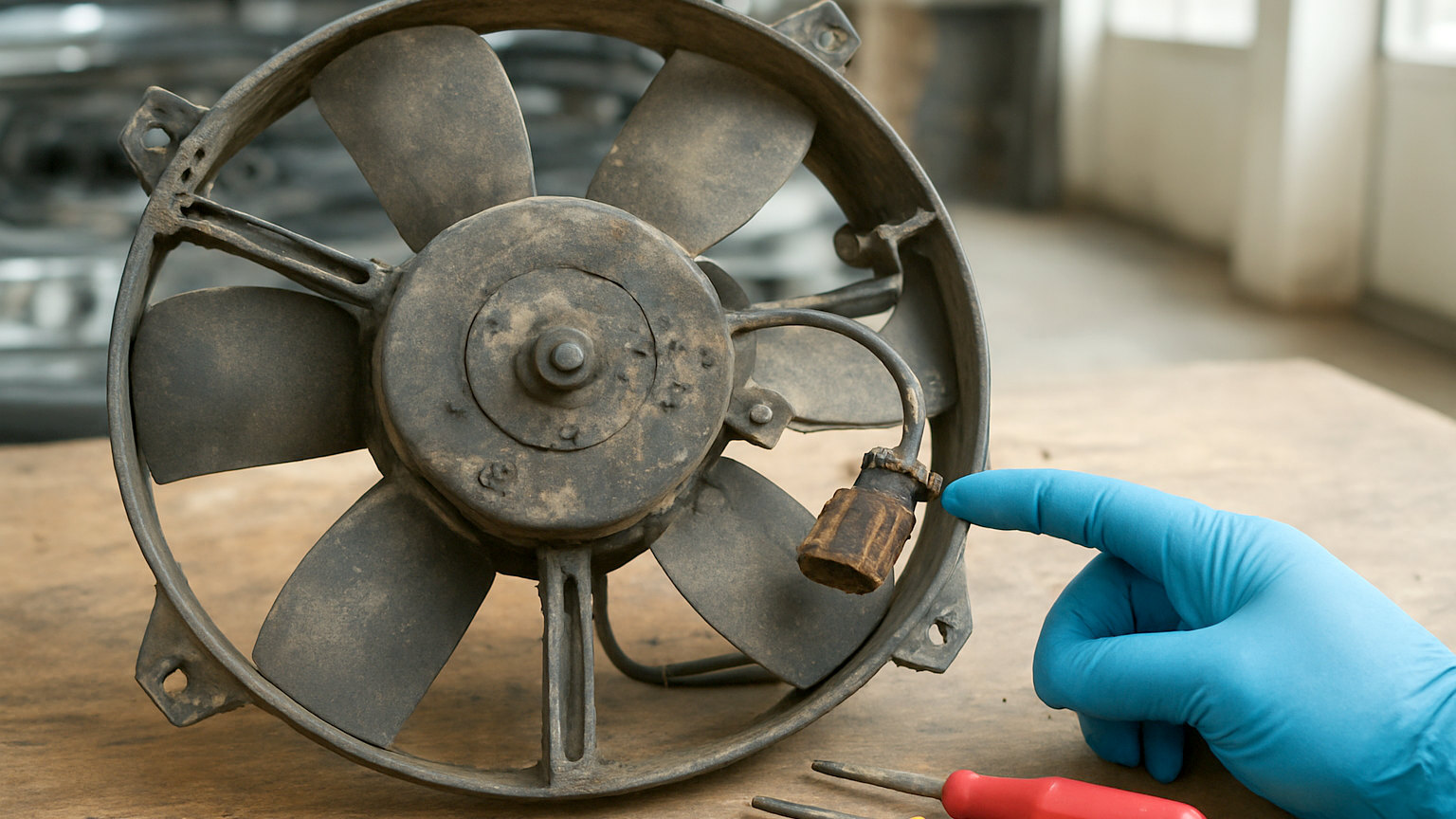
A car that runs cool on the motorway and boils in a queue is describing an airflow problem, and that narrows the list considerably.
Limp mode is the car protecting itself, and it is triggered by a specific recorded fault rather than by a general sense that something is wrong.
An engine that cranks strongly has already ruled out the battery and starter. What is missing is fuel, spark or the timing that ties them together.
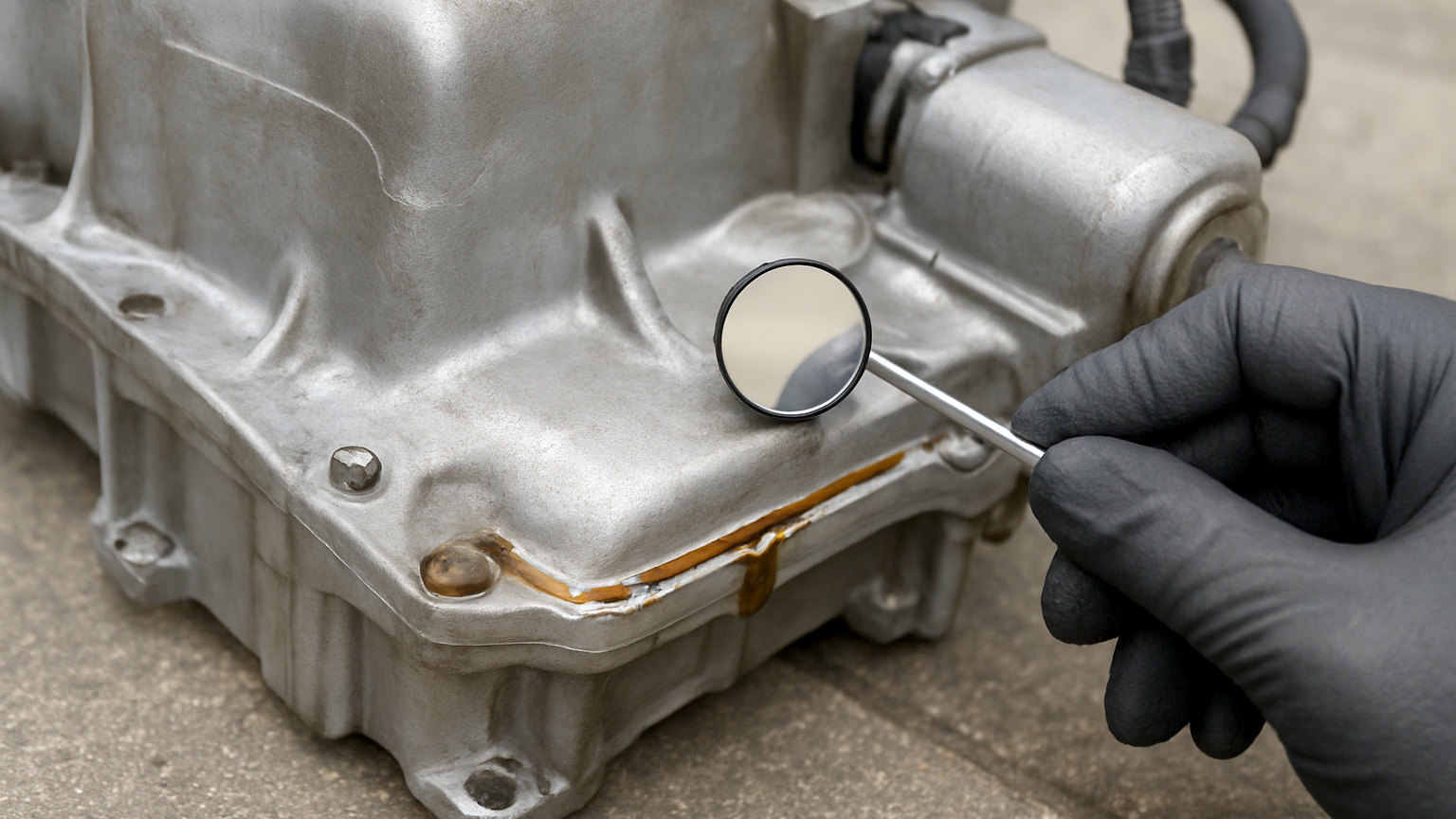
Oil travels a long way before it drips, so the puddle on the drive is rarely underneath the actual leak.
Blue smoke is burning oil, and where the oil is getting in depends almost entirely on when the smoke appears.
Ticking is usually a top end noise, and the usual suspects are lifters, valve clearances, injectors and an exhaust leak pretending to be all three.
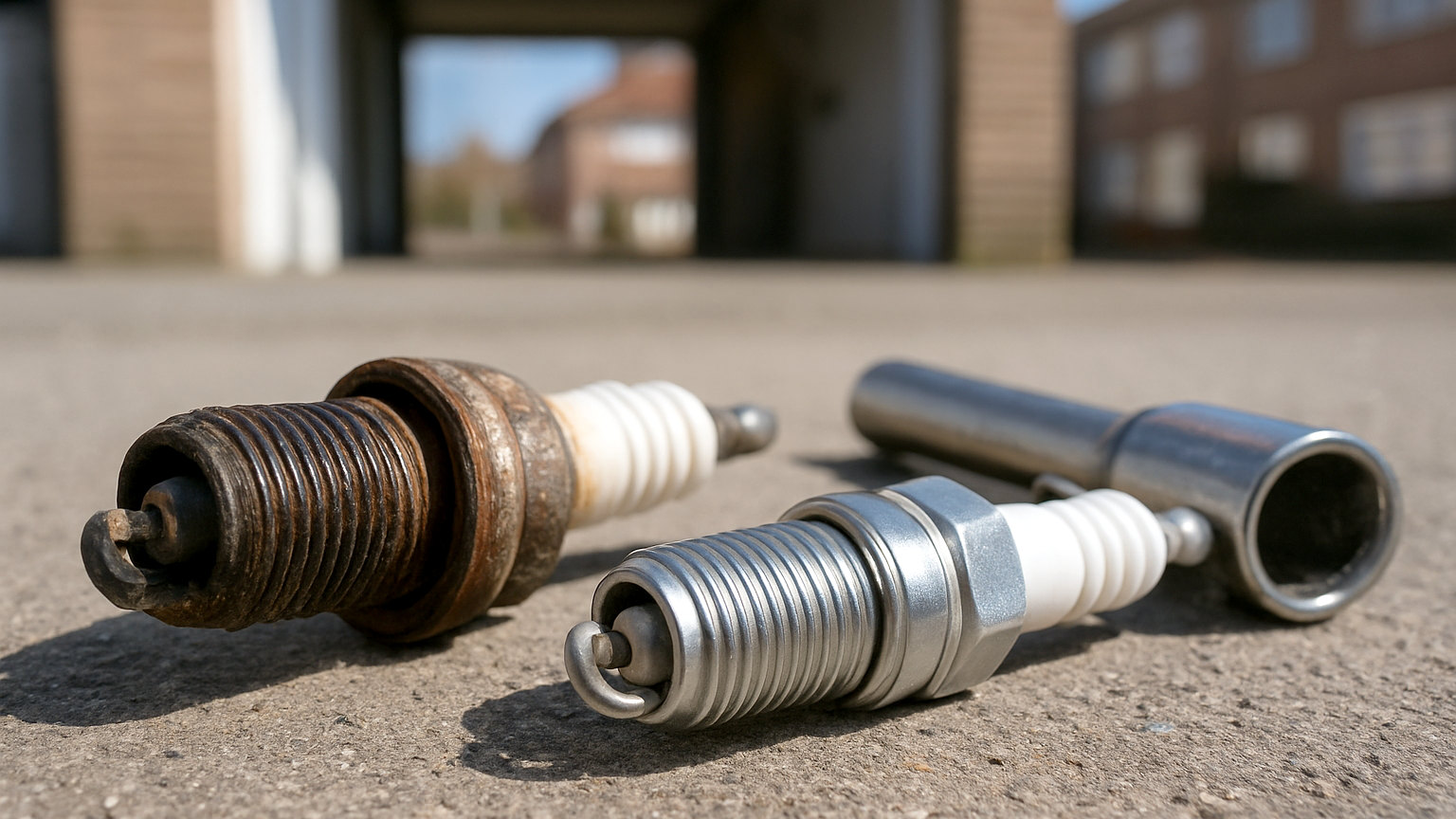
An uneven idle means the cylinders are not contributing equally, and whether it is steady or intermittent points at different sets of causes.
What you do in the next two minutes decides whether this is a small bill or a new engine. The order of actions matters.