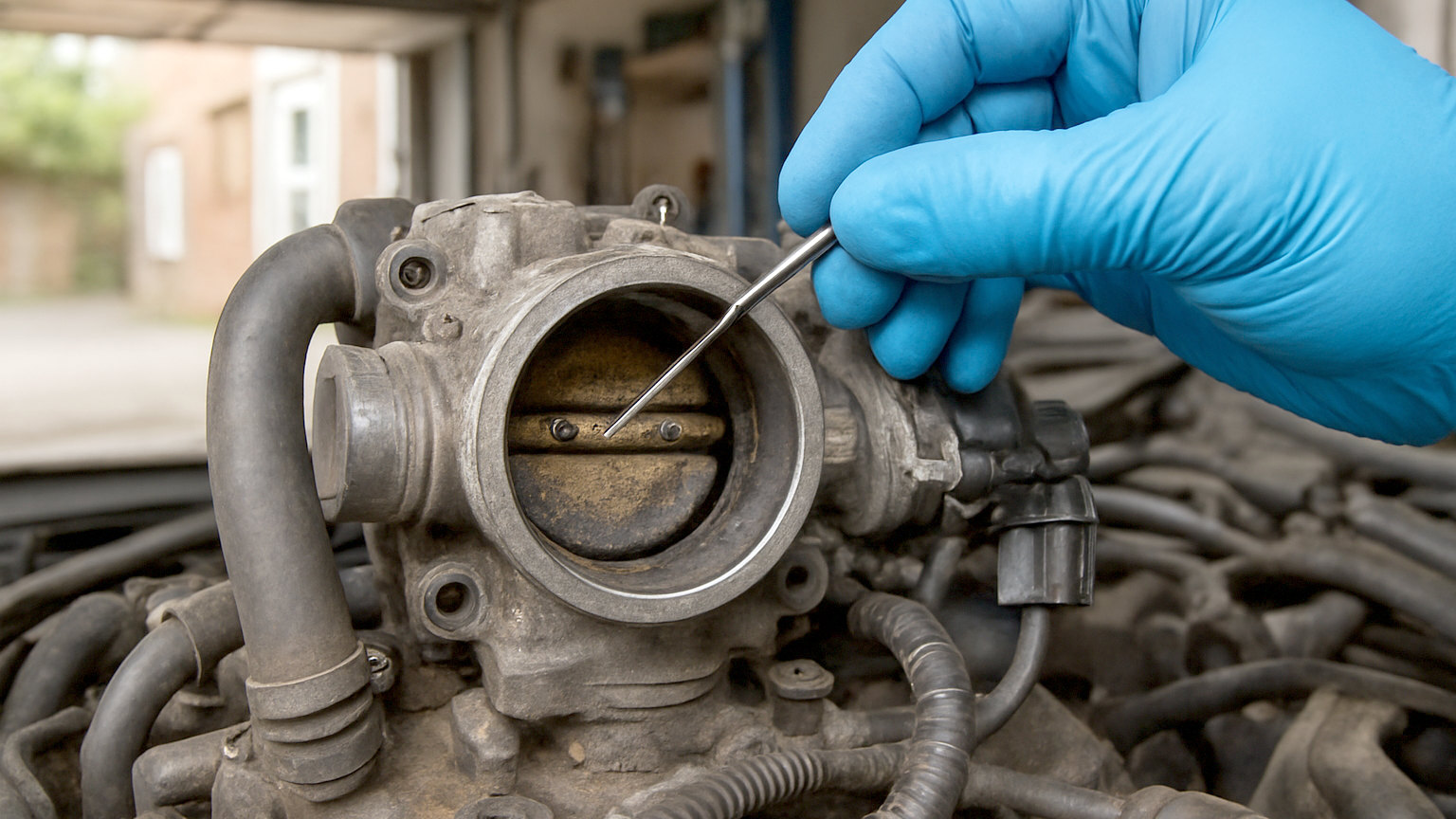
Why Has My Car Lost Power? Where to Start Looking
Power loss is a symptom with a dozen causes, but whether it arrived suddenly or gradually cuts that list roughly in half straight away.
By Car Problems Team
13 Jan 2026

Nearly every engine fault announces itself long before it becomes expensive, and almost always as a symptom rather than a diagnosis: a noise that wasn’t there last week, a temperature gauge creeping past halfway, a puff of blue smoke on a cold morning. These guides work backwards from what you can actually see, hear and smell. Each one sets out the likely causes in the order they are worth checking, the few tests you can do on the driveway, and the point at which carrying on driving stops being a saving and starts being a bill.
Power loss is a symptom with a dozen causes, but whether it arrived suddenly or gradually cuts that list roughly in half straight away.
Fast clicking and one heavy clunk are different faults with different price tags. Here is how to tell which one your car is doing.
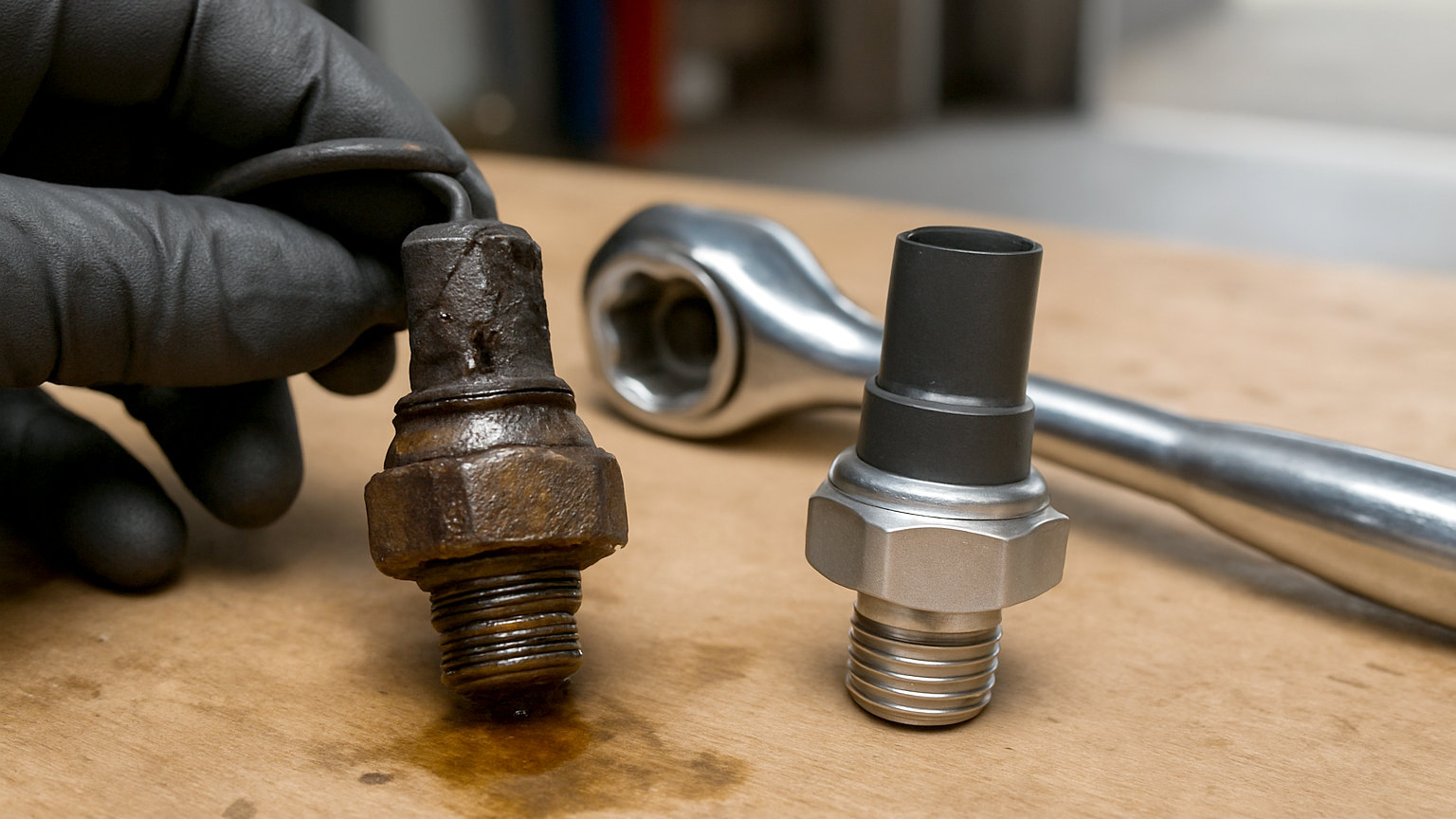
Most cars have two oil warnings that look similar and mean completely different things. Confusing them is how engines get destroyed.
Blue, white and black each mean something entirely different is being burned, and the colour narrows the fault down before anything is inspected.
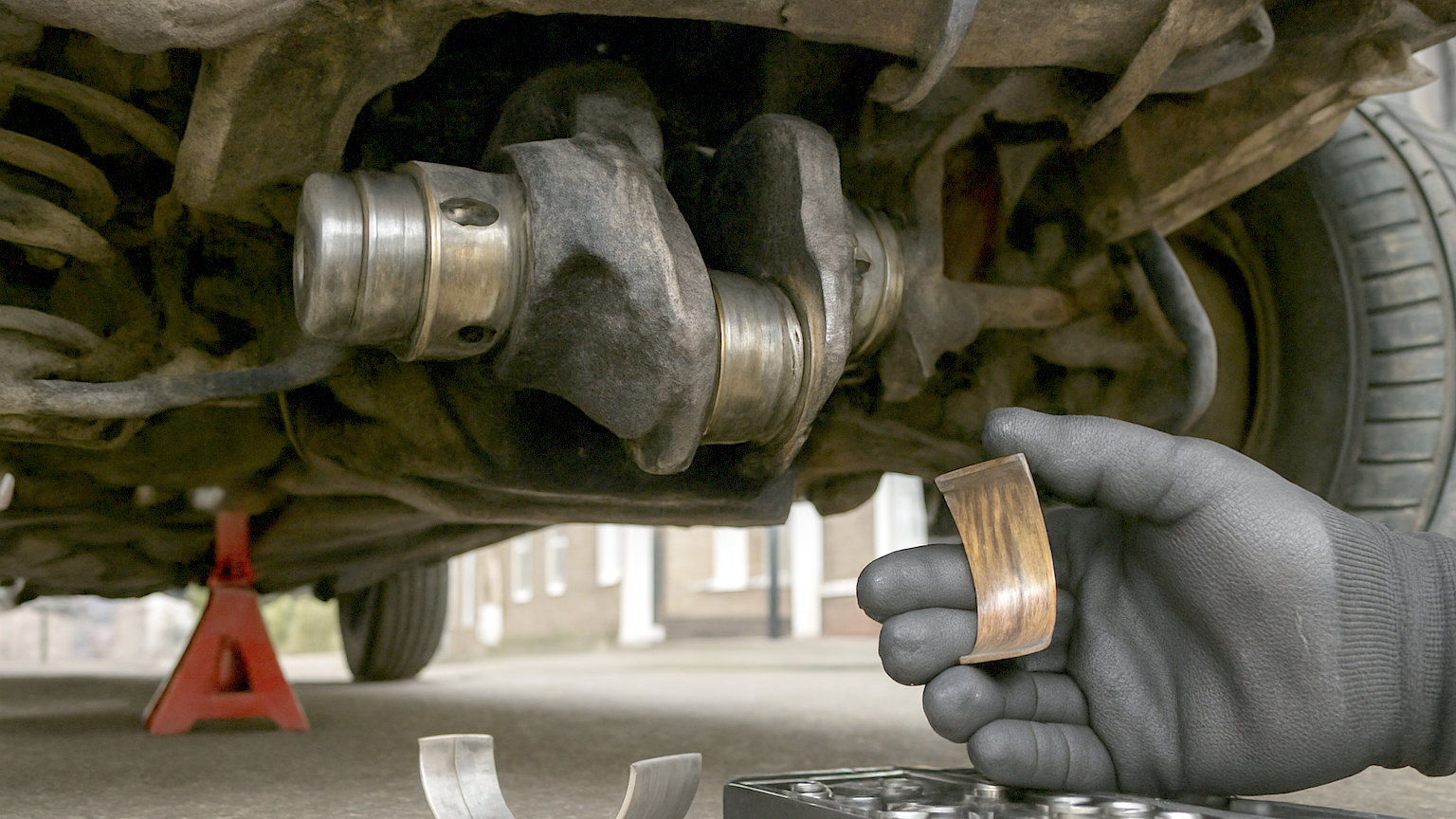
Knocking covers several completely different faults, from cheap fuel through to worn bearings. When it happens tells you which one you have.
Stalling as you slow to a stop is the engine failing at its most vulnerable moment, and the causes are a short and largely inexpensive list.
Overheating has a short list of causes and they are worth checking in a particular order, because the cheapest is also the most common.
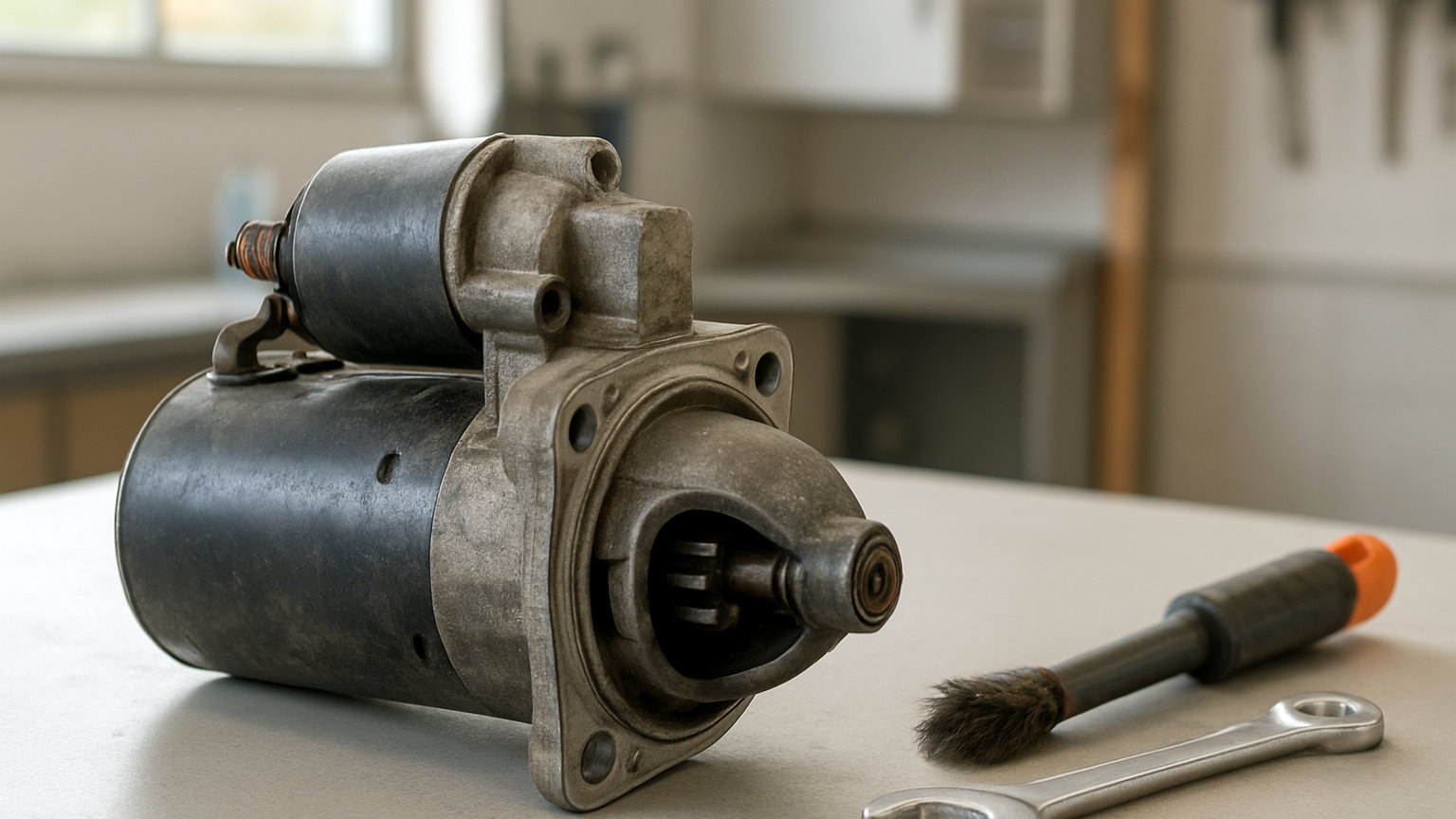
A car that will not start is telling you something specific through the noise it makes. Silence, a click and a spinning engine each point somewhere different.