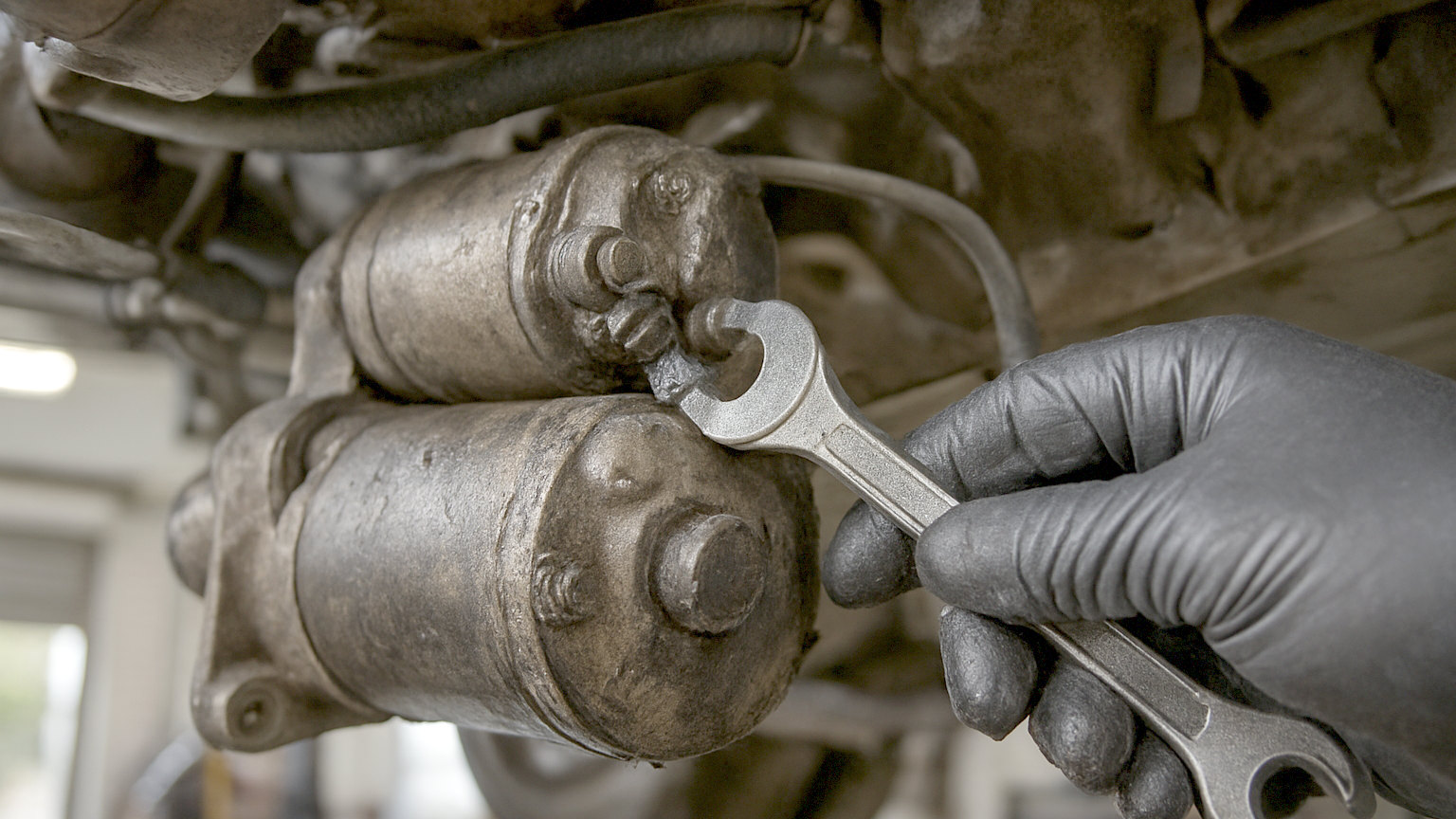
Battery or Starter Motor? How to Tell Which Has Failed
Both faults stop the car in the same place, but the tests that separate them take minutes and can save you replacing the wrong part entirely.
Nearly every engine fault announces itself long before it becomes expensive, and almost always as a symptom rather than a diagnosis: a noise that wasn’t there last week, a temperature gauge creeping past halfway, a puff of blue smoke on a cold morning. These guides work backwards from what you can actually see, hear and smell. Each one sets out the likely causes in the order they are worth checking, the few tests you can do on the driveway, and the point at which carrying on driving stops being a saving and starts being a bill.
Both faults stop the car in the same place, but the tests that separate them take minutes and can save you replacing the wrong part entirely.
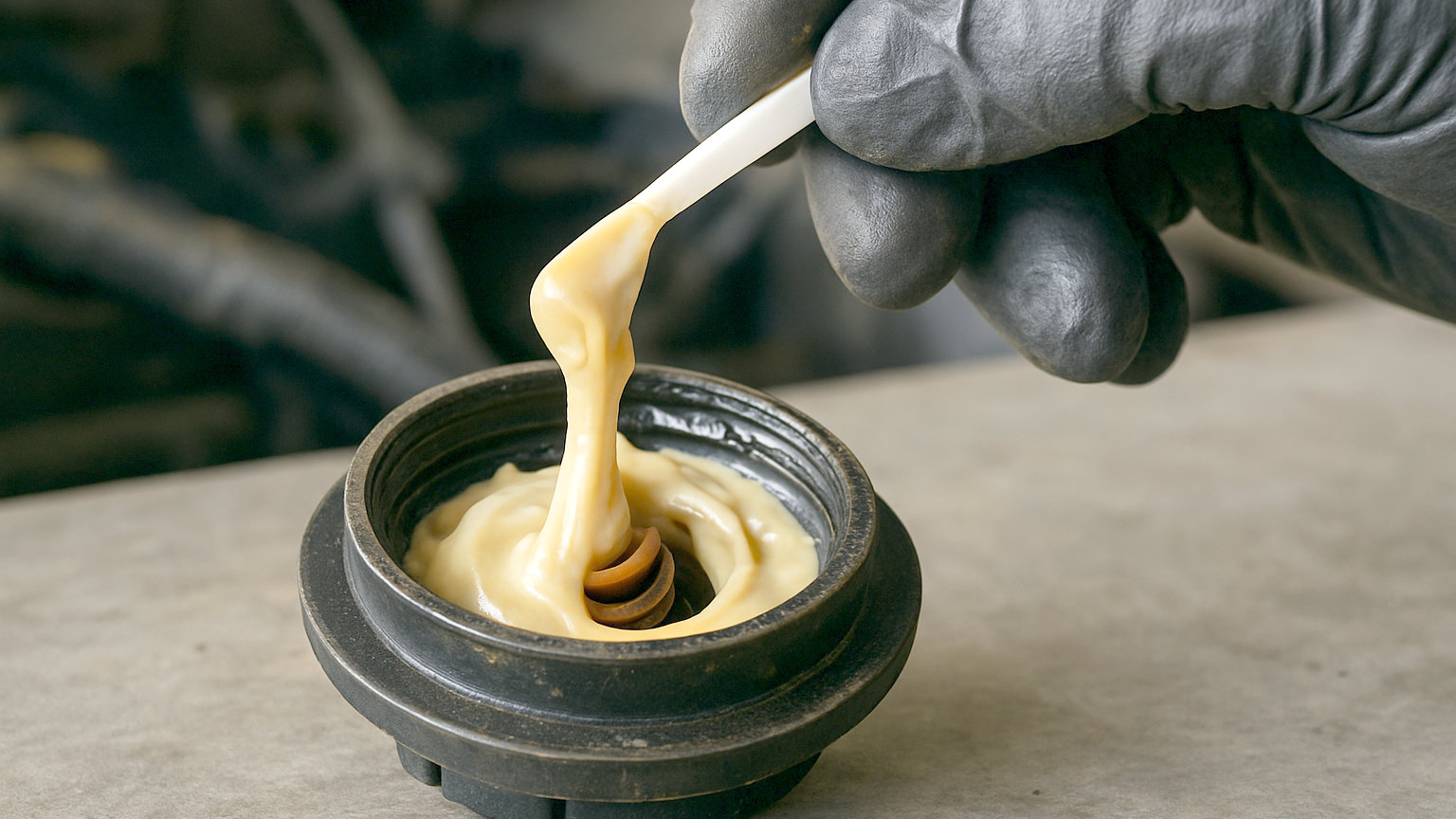
A creamy deposit under the cap terrifies people and is usually condensation. Where it appears and how much there is decides which it is.
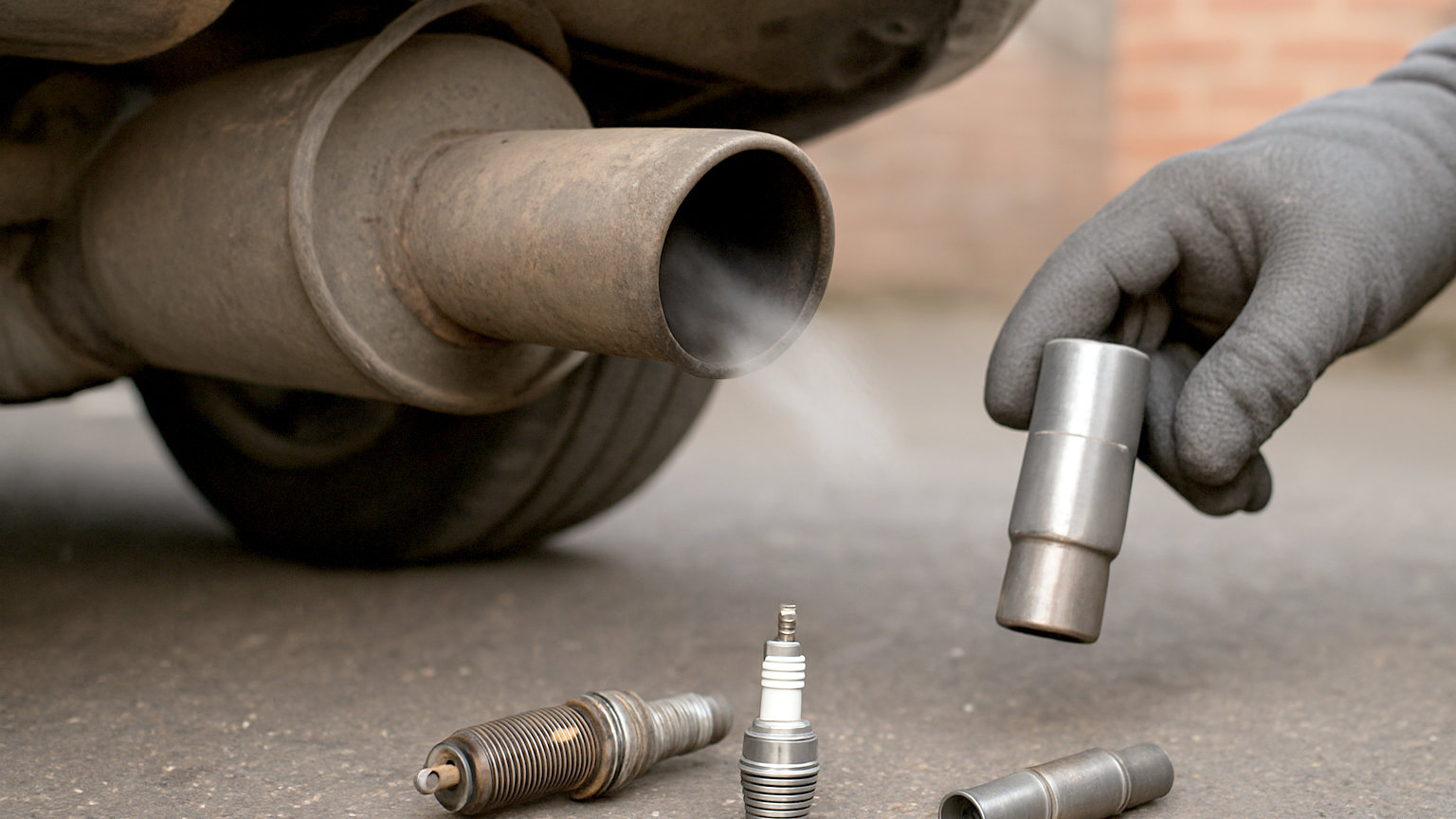
White smoke has three quite different explanations, and only one of them is expensive. Telling them apart takes a few minutes.
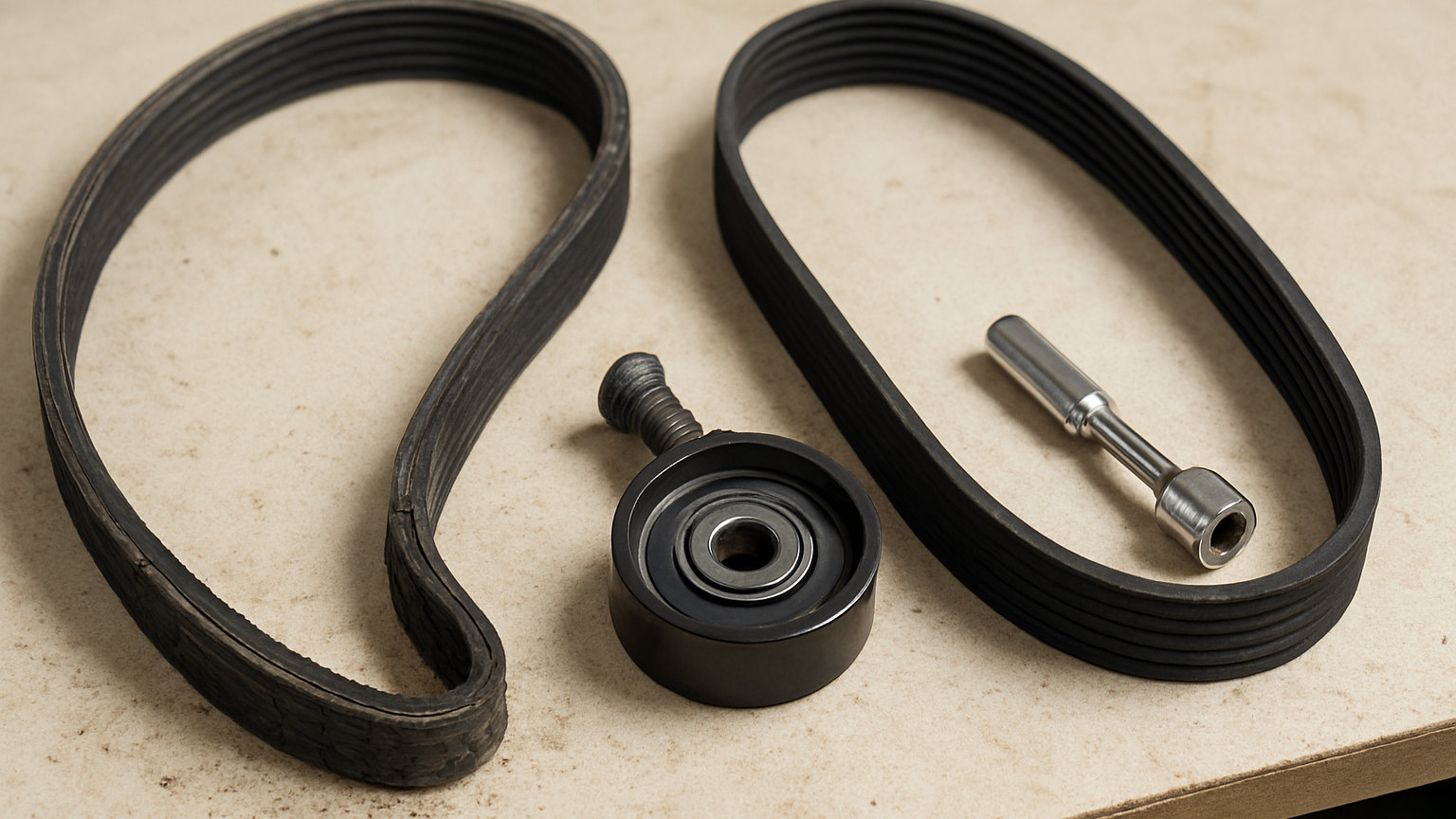
Squealing almost always comes from a belt slipping or a bearing complaining, and the conditions that make it worse point straight at which one.
A fault that only appears in the first few minutes is following the warm-up fuelling map, and that narrows the causes considerably.
A sealed system does not use coolant. If the level keeps dropping and the drive is dry, the coolant is going somewhere less obvious.
Hills reveal power loss that flat roads hide, because they demand sustained high output that a restricted engine simply cannot supply.
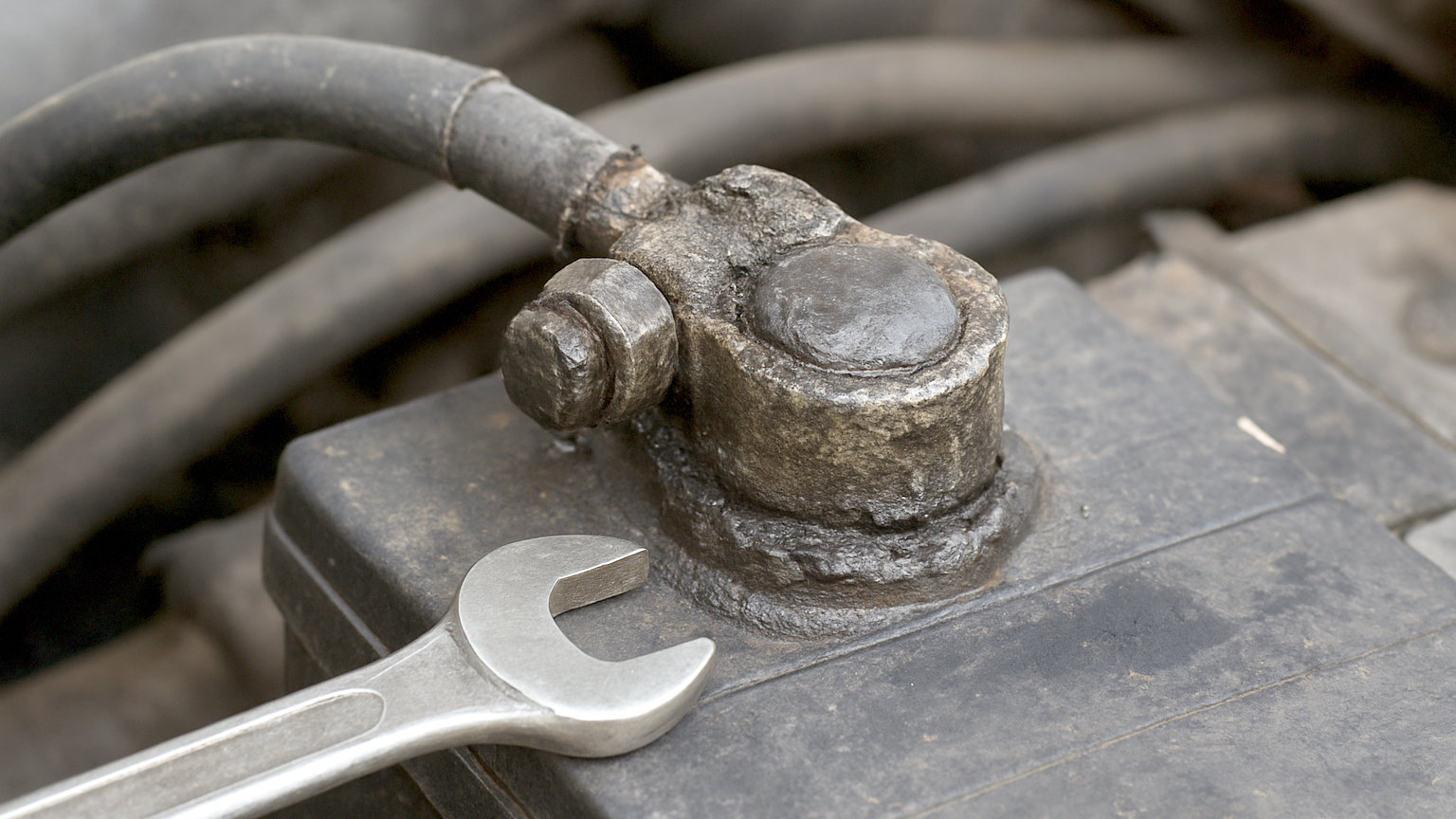
A completely dead car is usually a connection problem rather than a component failure, and the fix is often free.
Oil pressure is not about how much oil is in the engine but about whether it can be forced through the bearings fast enough to keep metal apart.
Black smoke is fuel that never burned, which means the engine is receiving too much of it or not enough air to deal with it.