Why Does My Car Only Overheat on Long Journeys?
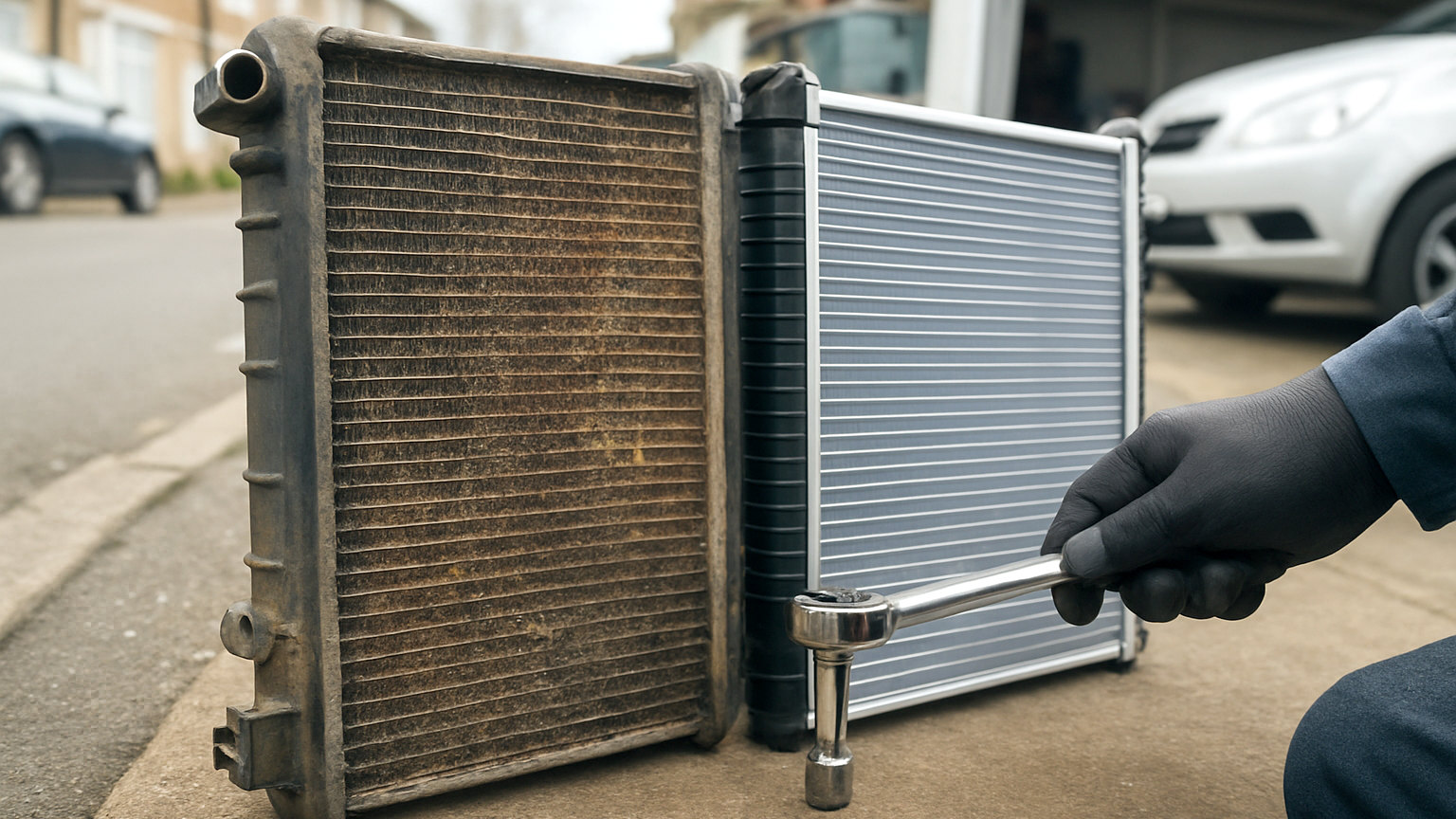
A car that copes with the school run and boils on the motorway has a capacity problem rather than a total failure, and that points somewhere specific.
Nearly every engine fault announces itself long before it becomes expensive, and almost always as a symptom rather than a diagnosis: a noise that wasn’t there last week, a temperature gauge creeping past halfway, a puff of blue smoke on a cold morning. These guides work backwards from what you can actually see, hear and smell. Each one sets out the likely causes in the order they are worth checking, the few tests you can do on the driveway, and the point at which carrying on driving stops being a saving and starts being a bill.
A car that copes with the school run and boils on the motorway has a capacity problem rather than a total failure, and that points somewhere specific.
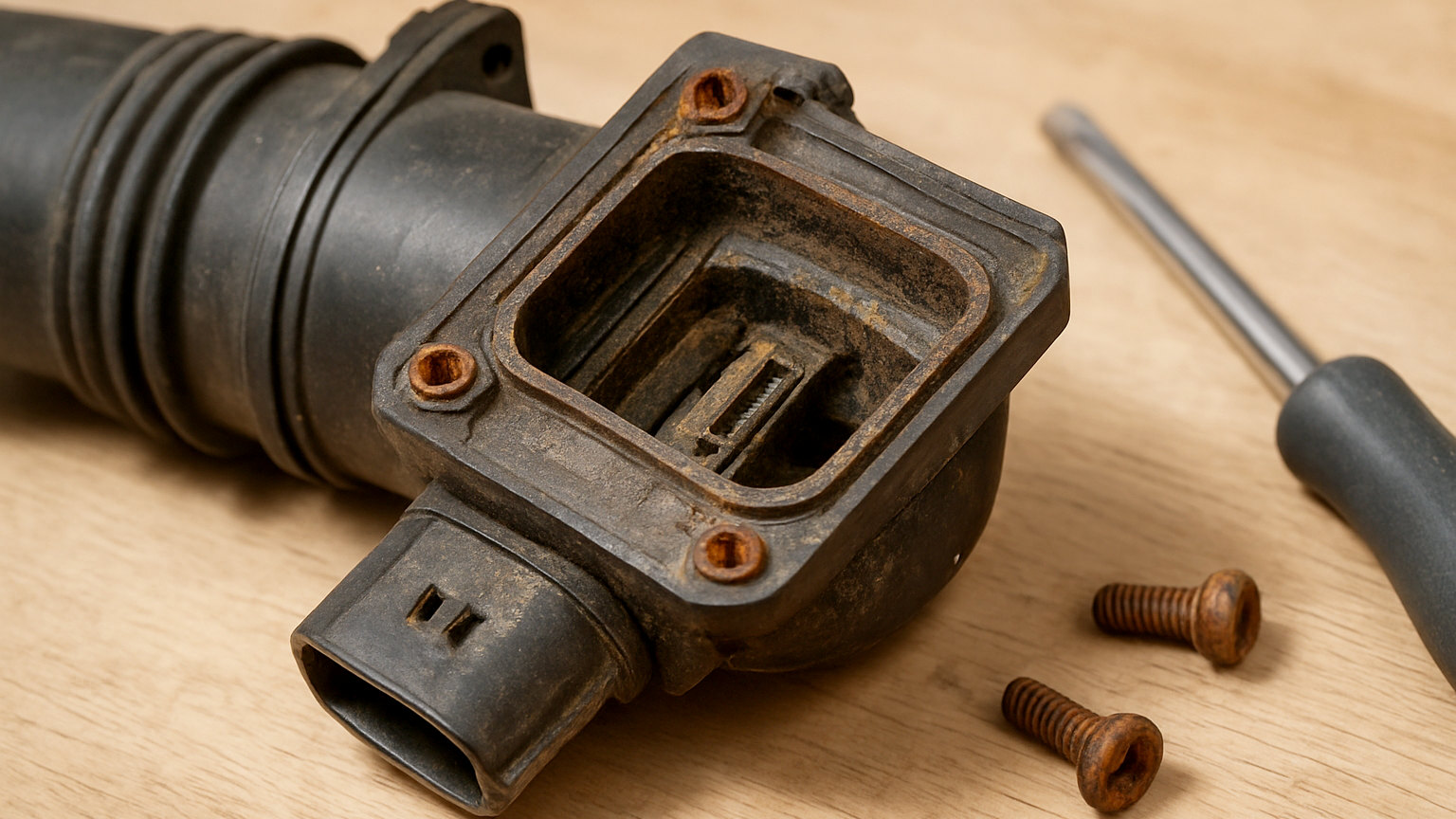
The airflow sensor decides how much fuel the engine gets, so when it reads badly every other calculation the car makes is wrong too.
An engine that catches and dies within seconds has proved it can run. Something is removing fuel, air or permission a moment later.
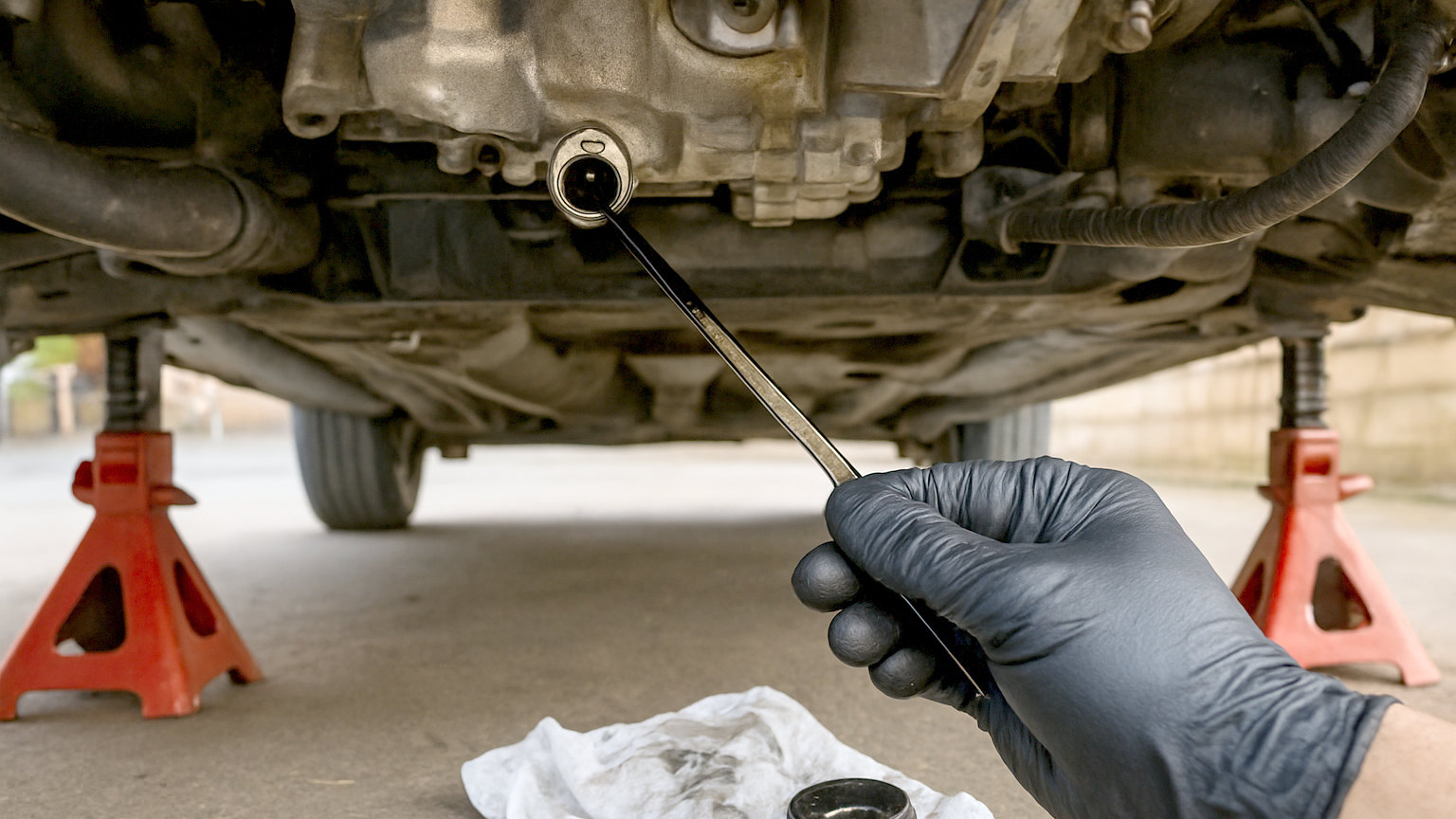
Dark oil is usually the detergents doing exactly what they were designed to do, which makes colour a poor guide to whether a change is due.
The emissions section of the MOT catches smoke in two ways, and understanding both explains why some smoky cars pass and others do not.
Deep rhythmic knocking from low in the engine is the one noise where continuing to drive changes the outcome, and usually not slowly.
A raised idle is normal for the first minute or two, and a problem when it persists. What decides which is how long it lasts.
The honest answer depends on why it is overheating and how hot it has already been, but the safe answer is almost always no.
A stumble in the moment between pressing the throttle and the car responding is a fuelling or ignition problem showing itself at its weakest point.
Working lights and radio prove almost nothing about whether the battery can start the engine, and misreading that costs people money every day.