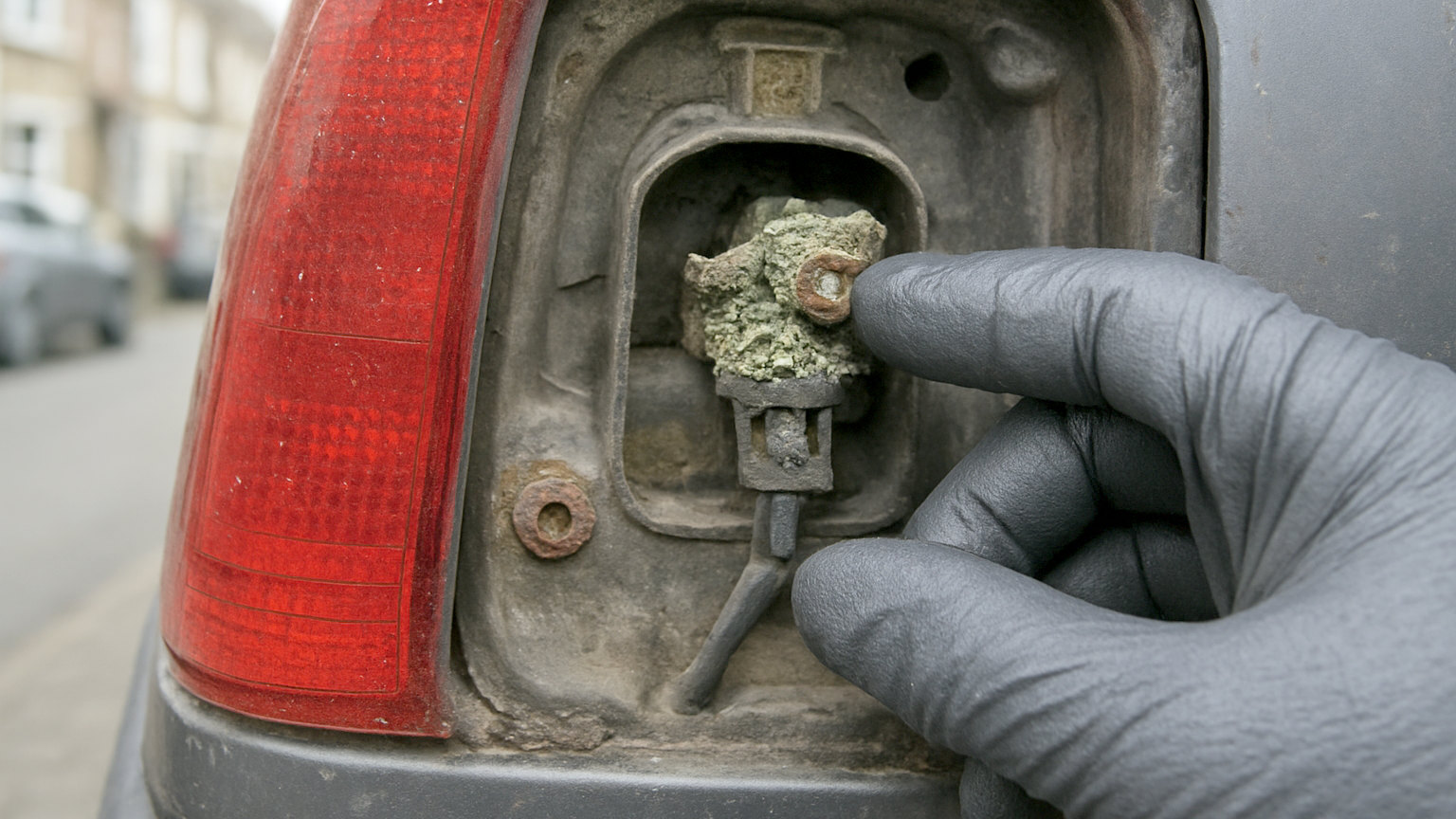
Being quoted a substantial sum to investigate an electrical fault, before any repair has begun, feels unreasonable when the eventual answer might be a corroded earth bolt. Understanding what that time actually buys makes the figure easier to judge, and there are several things an owner can do that genuinely reduce it.
Why is it time rather than parts?
Because the parts in an electrical repair are frequently trivial: a connector, a length of wire, a relay, a fuse. What costs money is finding which one, in a vehicle containing well over a kilometre of wiring and dozens of modules. A mechanical fault often announces its location through noise or leakage. An electrical fault gives no clue about where in the car it lives.
What does a diagnostic charge actually cover?
A technician working systematically with proper equipment and manufacturer wiring data, which is itself an ongoing subscription cost for the workshop. It covers reading every module rather than just the engine, checking supplies and earths, testing under load, and eliminating possibilities in a sensible order. It is skilled work, and the alternative of replacing parts speculatively costs the customer far more.
Why are intermittent faults so much worse?
Because a fault that will not appear cannot be measured. A technician may spend an hour trying to reproduce conditions that occur only on a cold damp morning or over a particular bump. Some faults genuinely cannot be found until they worsen, which is an unsatisfying answer for everyone involved. This is why a car booked in while the fault is present is worth far more than one booked in afterwards.
How can you reduce the bill?
By arriving with information. Note exactly when the fault occurs, what conditions bring it on, which symptoms appear together, and anything that happened beforehand: a flat battery, a jump start, an accessory fitted, work carried out, a water leak, deep water driven through. Take photographs or a short video of the dashboard. Every one of those details eliminates possibilities before anyone lifts a bonnet.
Does the pattern of symptoms help?
Enormously. Several systems failing together points at a shared earth or a supply rather than at each system individually, and mentioning all of the symptoms rather than the most annoying one can turn a day of investigation into an hour. Owners frequently report only the fault that bothers them, which discards the most useful clue available.
Is a specialist better value than a general garage?
Often, for wiring faults specifically. An auto electrician has the equipment, the diagrams and, importantly, experience of where particular models fail, which converts a search into a check of two or three known locations. A general workshop may be excellent mechanically while lacking the tools and the time for network diagnosis. It is reasonable to ask what equipment they have.
Should you agree to an open ended investigation?
Agree a limit and a review point instead. A common arrangement is an initial period of diagnostic time, after which the workshop reports what has been found and what further time is estimated. That protects both sides, and a workshop unwilling to work that way on an intermittent fault is worth thinking about carefully.
Why not just replace the likely part?
Because in electrical faults it is unusually likely to be wrong. A code names a circuit rather than a component, and connectors, earths and wiring cause the majority of faults attributed to the parts they feed. Speculative replacement on electrical work regularly costs more than the diagnosis would have, and leaves the original fault in place.
Is it worth it on an older car?
Usually, since the repair itself is often cheap once the fault is located, and the alternative is a car with faults that spread. Where diagnosis costs approach the value of the vehicle, it is a fair conversation to have with the workshop about how far to go. What is rarely sensible is paying for repeated small investigations at different garages, each starting again from nothing.