
Understeer is what happens when the front tyres run out of grip before the rear ones, so the car travels wider through a corner than the steering input asks for. It is the most common handling limit on ordinary road cars, and it is deliberate. Manufacturers design cars to understeer because it is the more predictable and more recoverable of the two ways a car can run out of grip.
What does it feel like?
The steering goes light and the car runs wide, so you find yourself adding more lock without the car turning any more sharply. In severe cases the front tyres squeal. The important characteristic is that the car keeps pointing roughly where it was pointing, which is why it feels alarming rather than frightening and why it is the safer of the two behaviours.
Why do manufacturers design it in?
Because the instinctive reaction of an average driver, which is to lift off the accelerator, happens to be broadly the correct response. Lifting off transfers weight forward onto the front tyres, giving them more grip and restoring steering. Oversteer requires a counterintuitive response, so building in understeer means the natural reaction improves the situation rather than worsening it.
What causes excessive understeer?
Front tyres that are worn, underinflated or of a different specification from the rears. A car carrying weight at the front. Alignment that has drifted. Worn front dampers letting the tyres bounce. And the most common of all, simply entering a corner faster than the conditions allow, which is a driver input rather than a fault with the car.
How do tyres affect it?
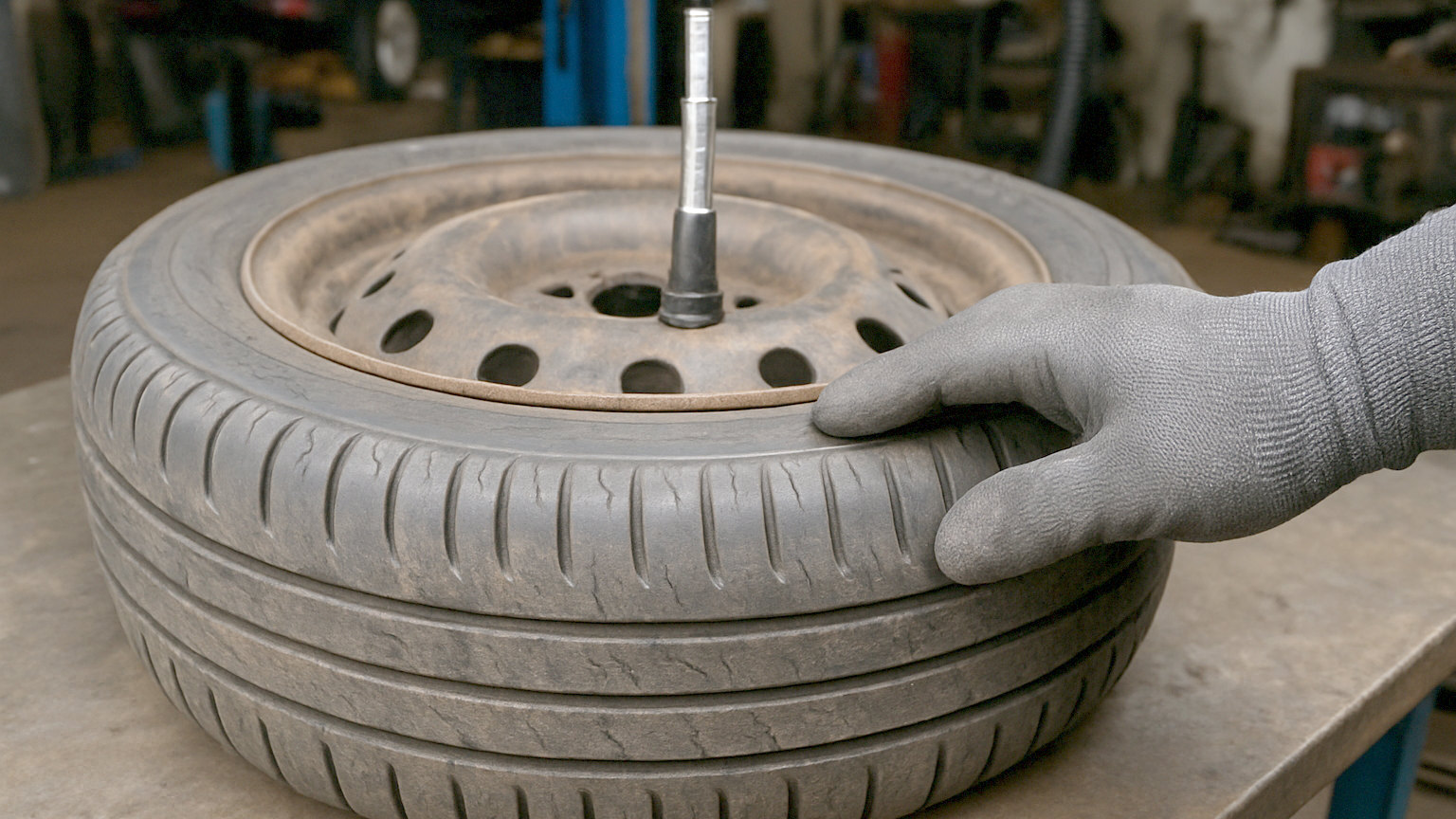
Considerably. Because tyres are usually replaced in axle pairs, a car often runs newer rubber on one axle and worn rubber on the other. New tyres on the rear with worn ones at the front produces noticeably more understeer, particularly in the wet. That is a trade off worth understanding, since the alternative arrangement produces a far less forgiving car.
What is the correct response?
Ease off the accelerator smoothly rather than braking hard, and reduce the amount of steering lock slightly rather than adding more. Adding lock beyond the point where the tyres have lost grip achieves nothing and delays recovery. As speed falls the front tyres regain grip and the car begins to turn again, at which point steering can be reapplied progressively.
Why does adding more lock not help?
Because a tyre generates its maximum cornering force at a particular slip angle, and beyond that the force falls away rather than increasing. Once the front tyres are past that point, turning the wheel further reduces grip. It is entirely counterintuitive, which is why unwinding a little lock feels wrong and is usually the right thing to do.
Is it worse in the wet?
Substantially, since available grip is lower and the front tyres reach their limit sooner. Standing water makes it worse again, and if the fronts aquaplane the car will not respond to steering at all until they regain contact. That combination is why wet weather demands lower cornering speeds rather than simply more care with the throttle.
What should you check on the car?
Tyre pressures and tread depth first, comparing front and rear. Whether the front tyres match each other and are the correct specification. Whether the dampers are worn, since poor damping lets the front tyres lose contact over bumps. And the alignment, since incorrect front toe or camber changes how the front axle behaves at the limit.
Is it always a fault?
Frequently not. Every car understeers eventually, and reaching that point usually means the corner was entered faster than the conditions allowed. What is worth investigating is understeer that has increased without any change in how you drive, since that points at tyres, dampers or geometry rather than at the road.
Comparing how the car feels on a familiar road over time is more reliable than any single impression, since the change is usually gradual enough to be missed day to day.


