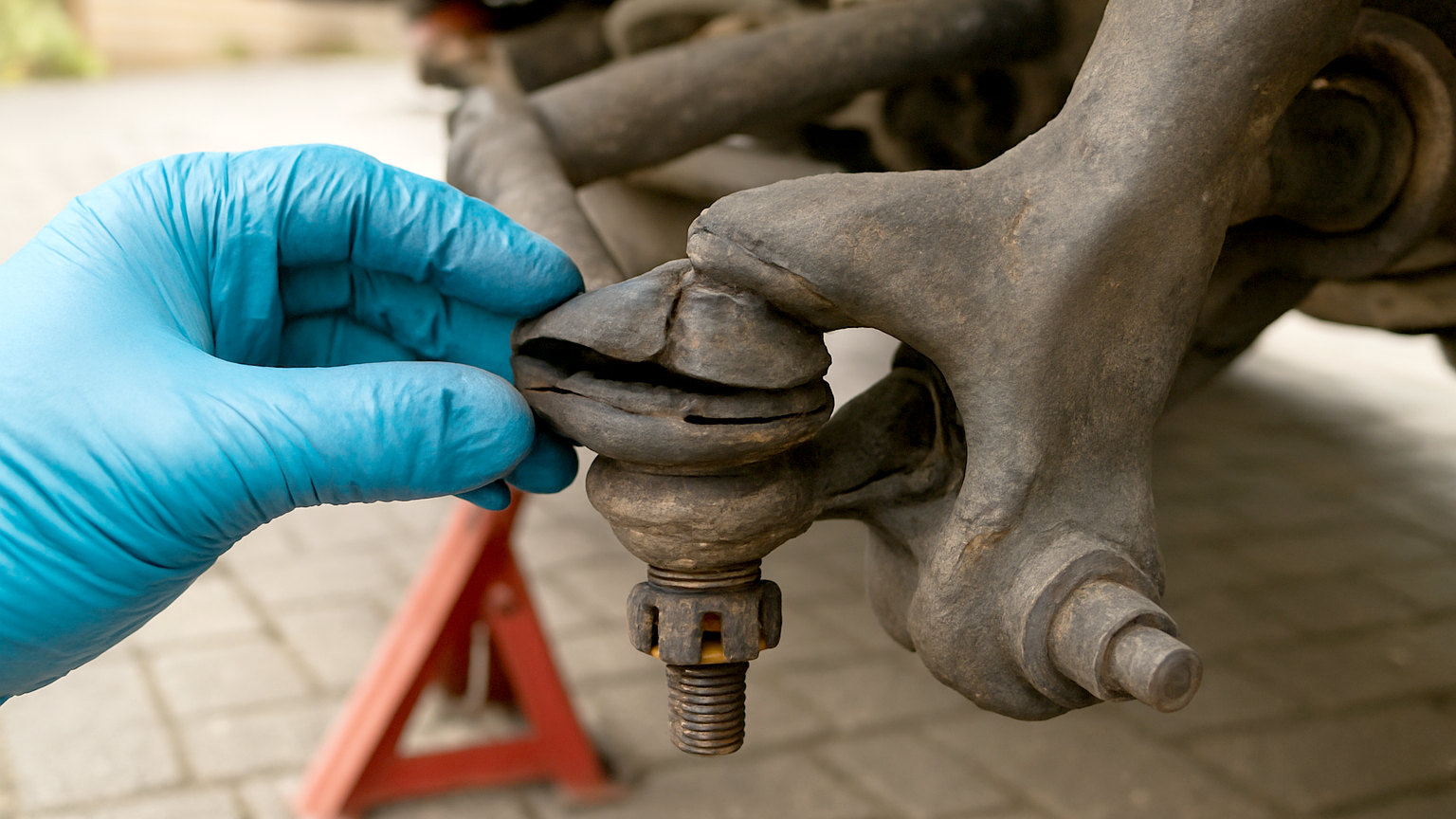
What Is a Track Rod End and How Does It Fail?
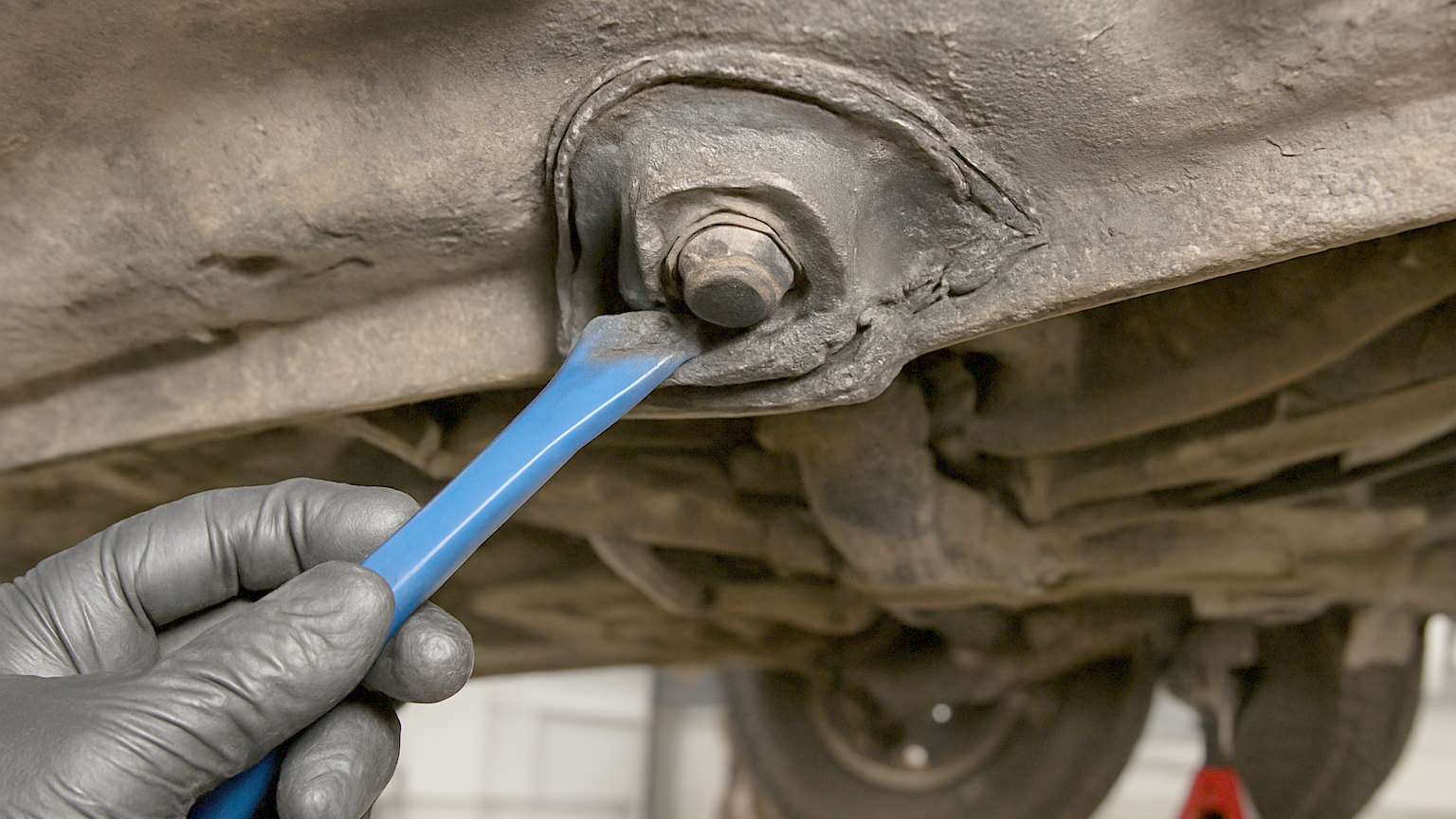
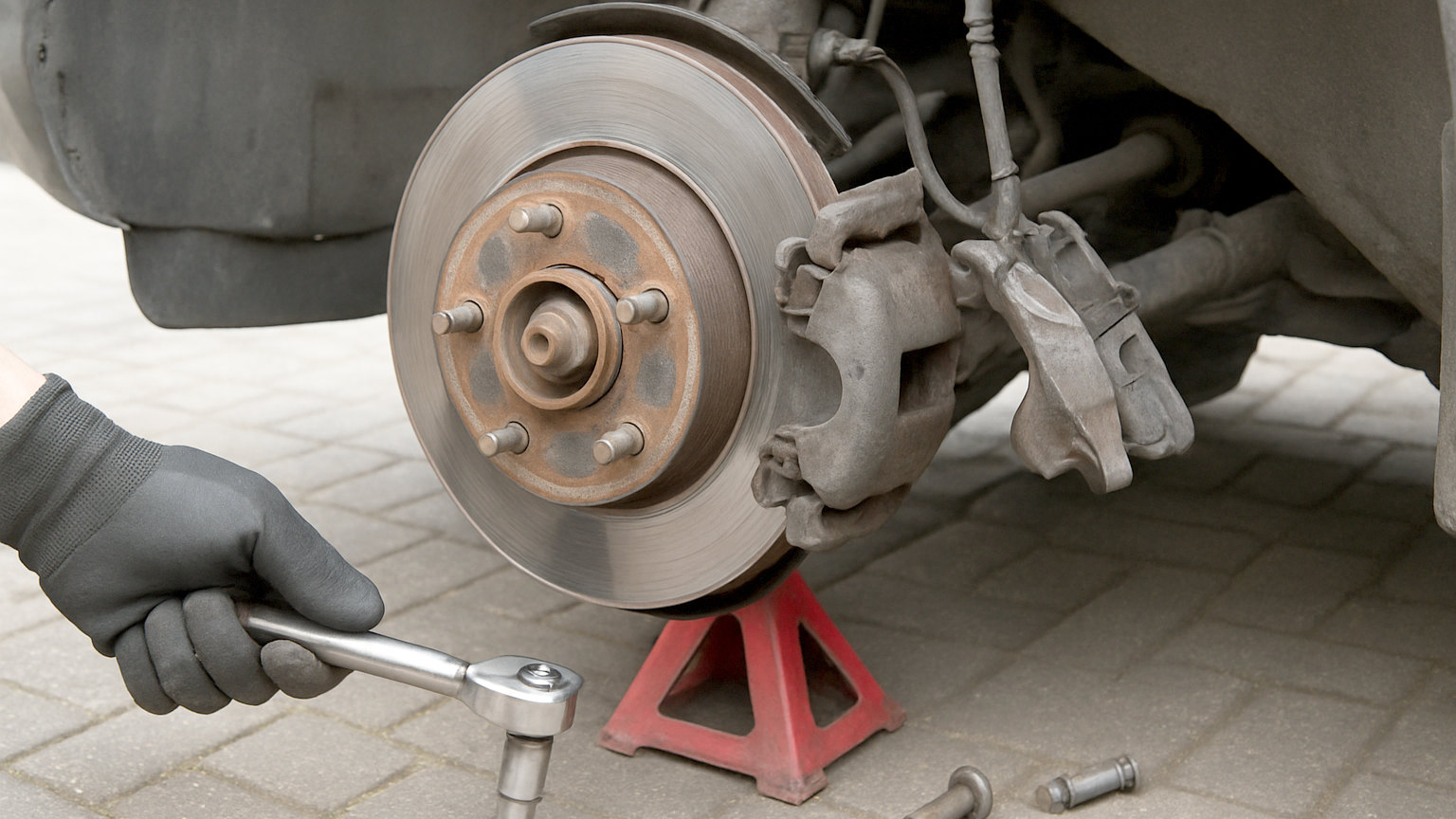
A track rod end is a small ball joint carrying every steering input to the wheel, and its rubber boot is what decides how long it lasts.
By Car Problems Team
25 Feb 2026

This is everything between the engine and the road: the gearbox, the clutch, the steering and the suspension. It is also where symptoms travel furthest from their cause, which is why a vibration felt through the steering wheel so often turns out to have nothing to do with the steering. These guides start with where and when you feel the problem - at a particular speed, only under braking, only on full lock - because that pattern narrows the cause faster than any parts list, and it is the same thing a decent mechanic will ask you first.
A track rod end is a small ball joint carrying every steering input to the wheel, and its rubber boot is what decides how long it lasts.
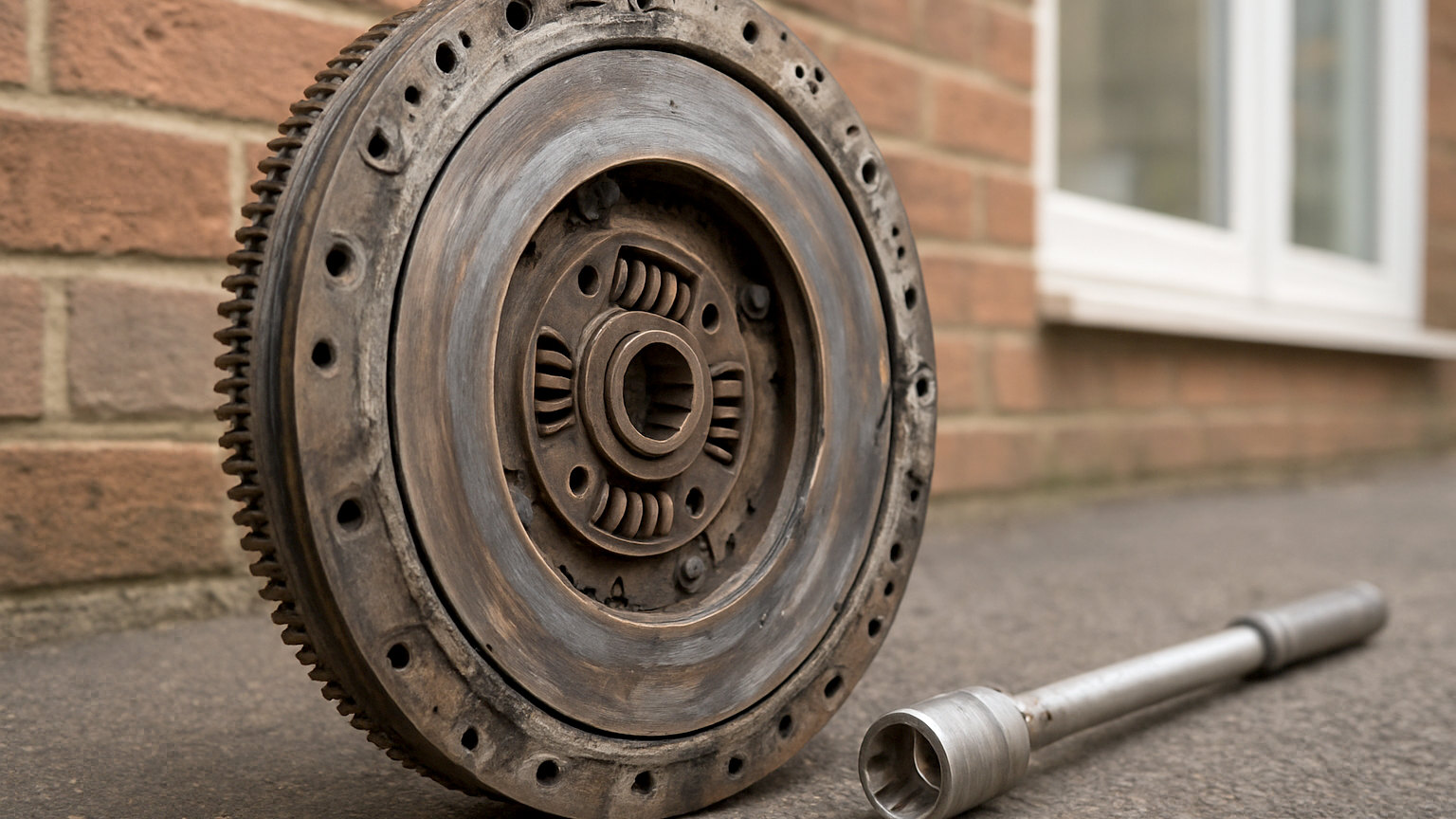
A dual mass flywheel absorbs the vibration modern diesels produce, and it does so using springs that wear out.
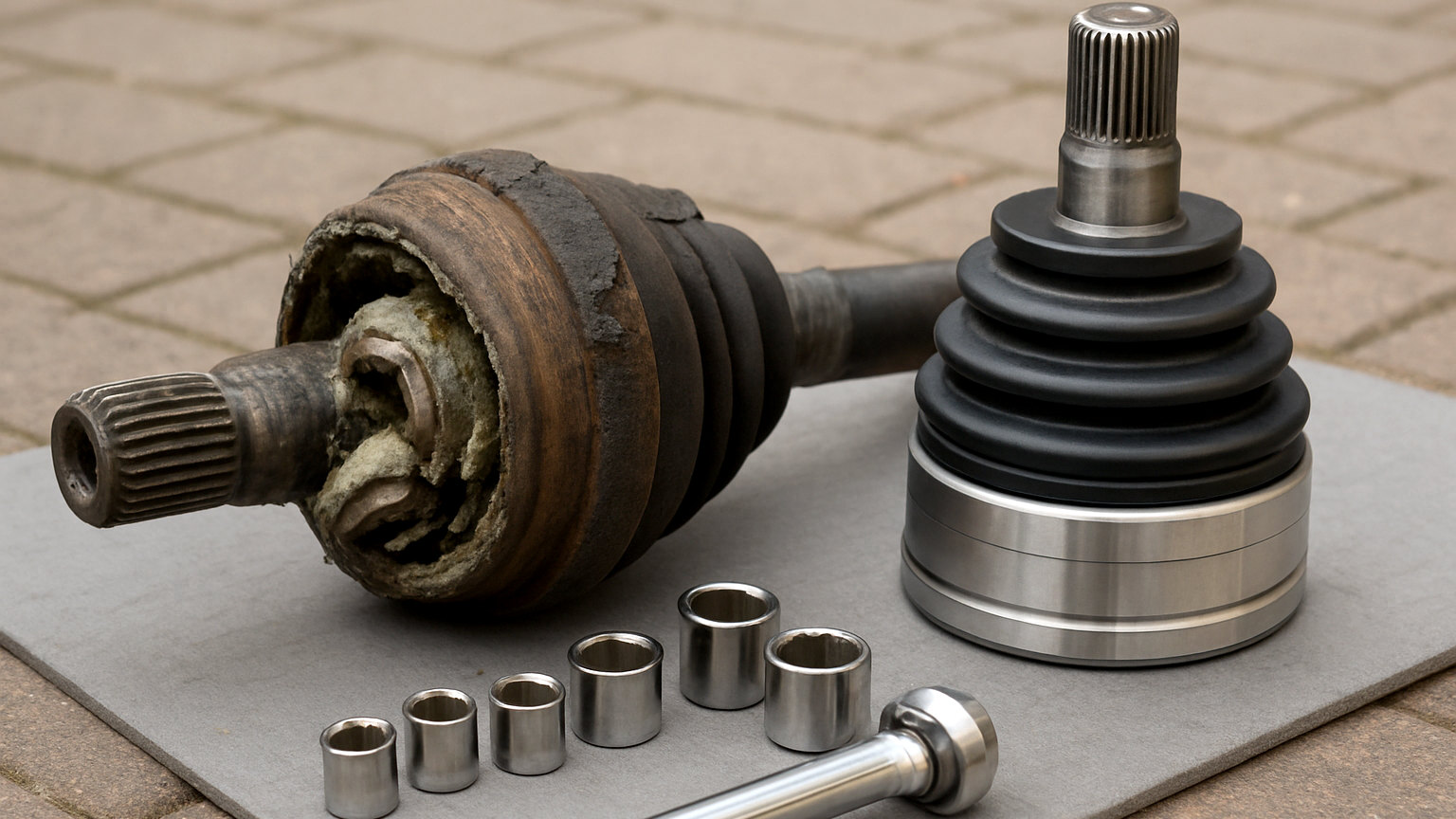
Sealed for life means the life the manufacturer had in mind, and that is frequently shorter than the life you intend the car to have.
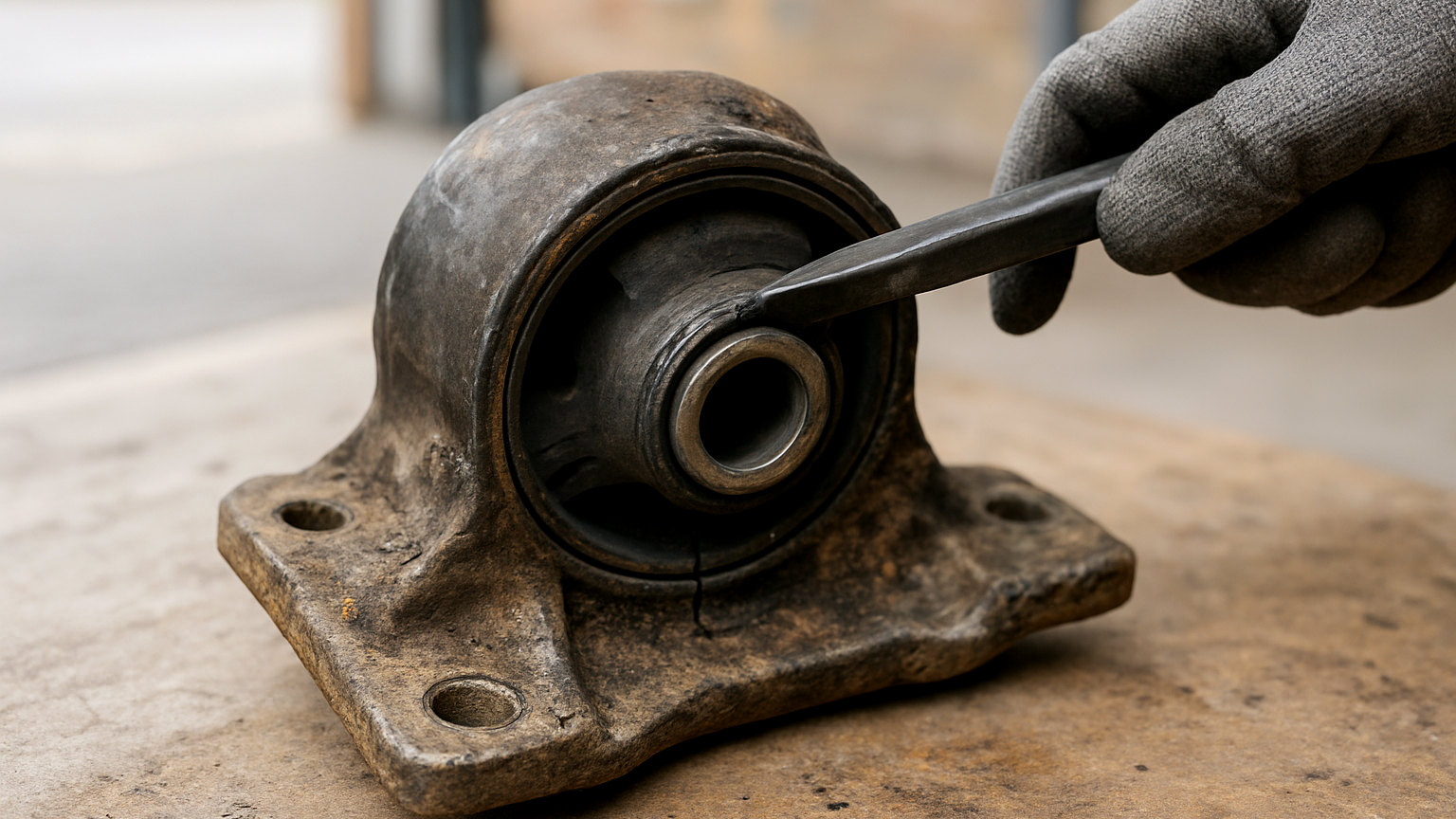
A clunk or lurch as the car first moves is play being taken up somewhere in the driveline, and it is usually mounts or joints.
Wind noise appears at a threshold speed and rises sharply with it, and the usual causes are seals, trim and things bolted to the roof.
A vibration that appears under power and disappears when you lift off is something in the driveline taking up play under load.
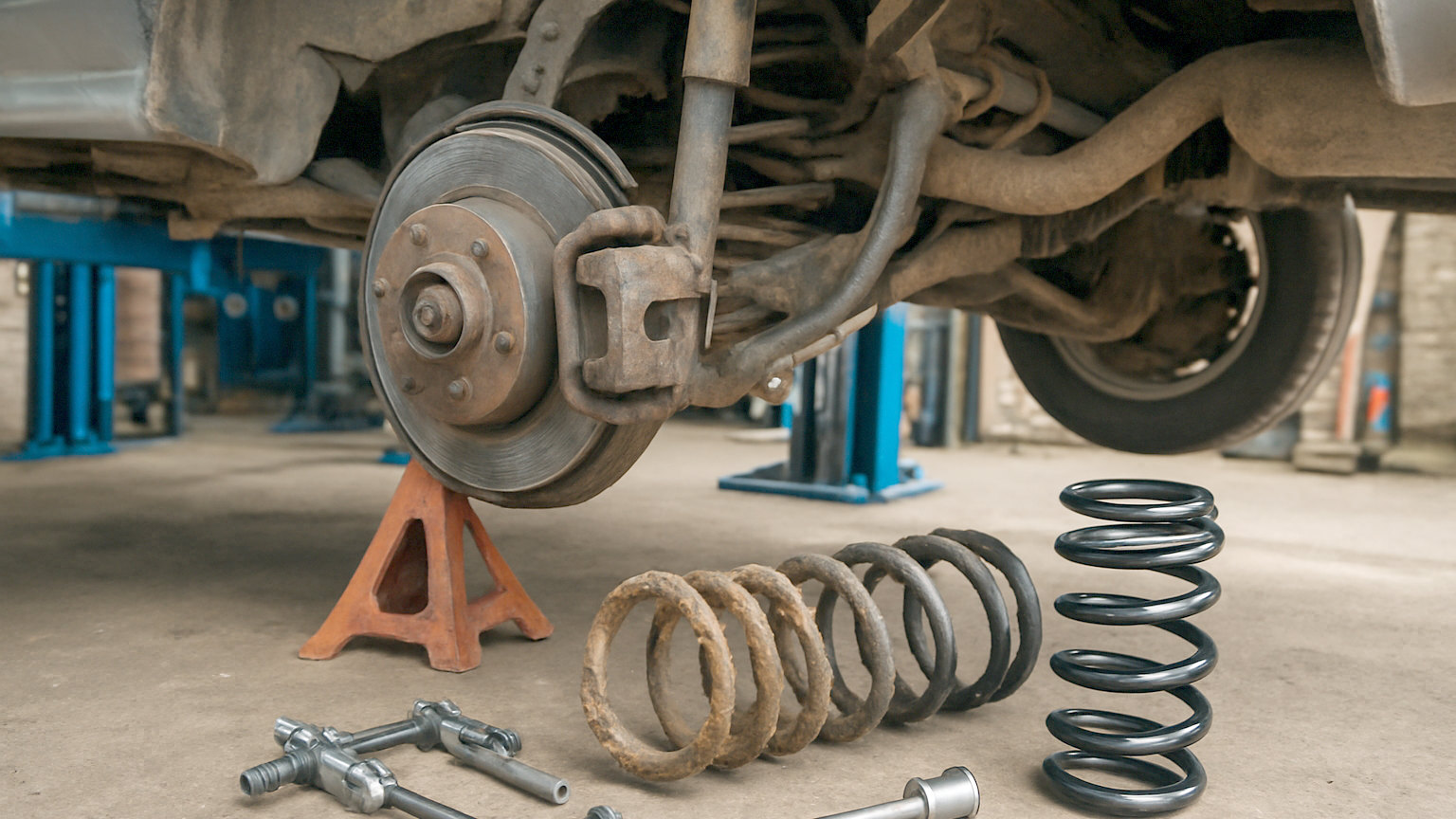
An uneven stance means one corner is supporting less than it should, and a broken or sagging spring is the usual reason.
A car that will not hold a straight line is either being pulled by something or failing to self centre, and the two have different causes.
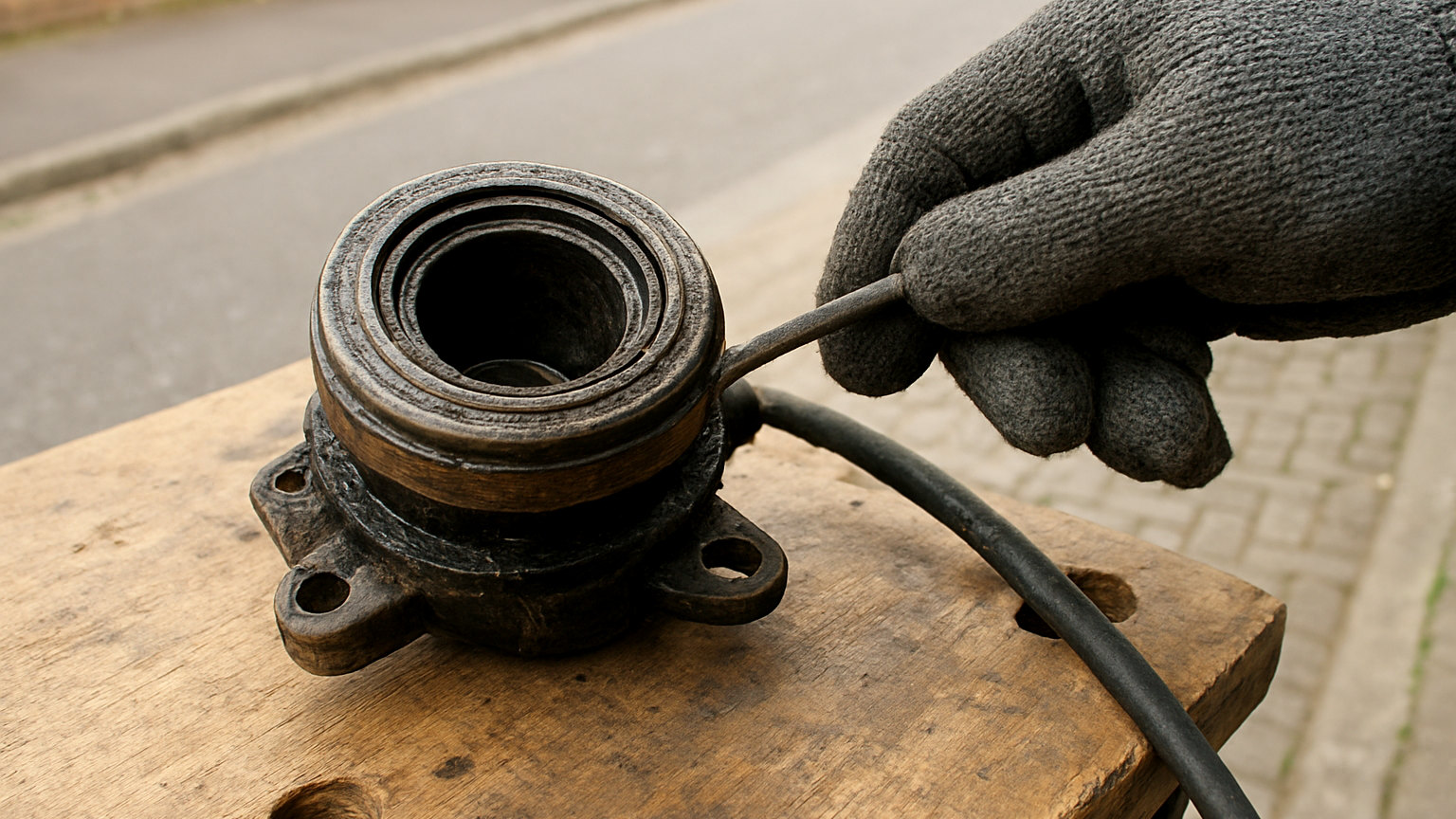
Whether a noise appears with the pedal up or down identifies which component is making it, and that distinction is nearly always decisive.
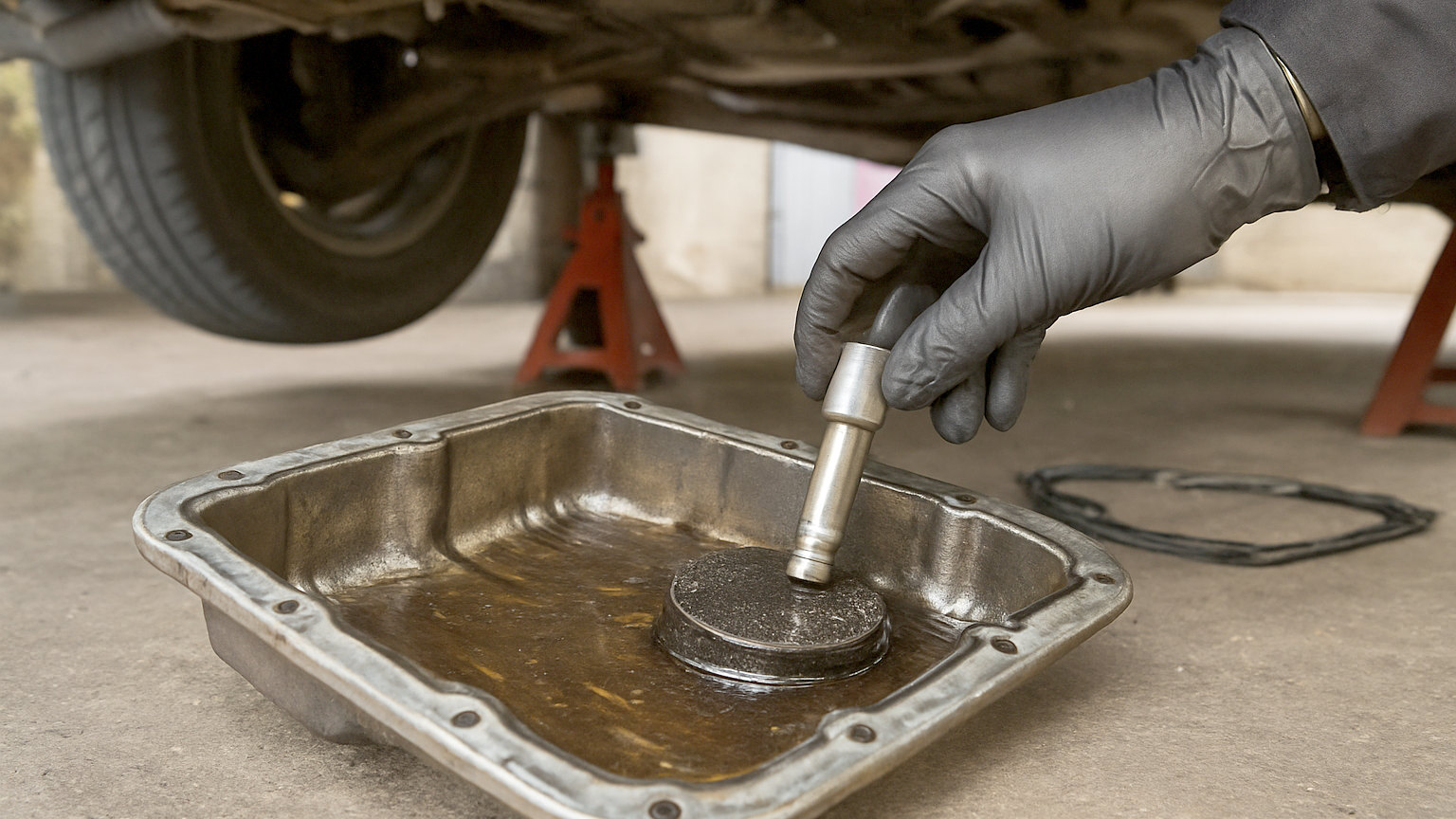
The colour, smell and contents of the fluid are the closest thing to an internal inspection without opening the gearbox.