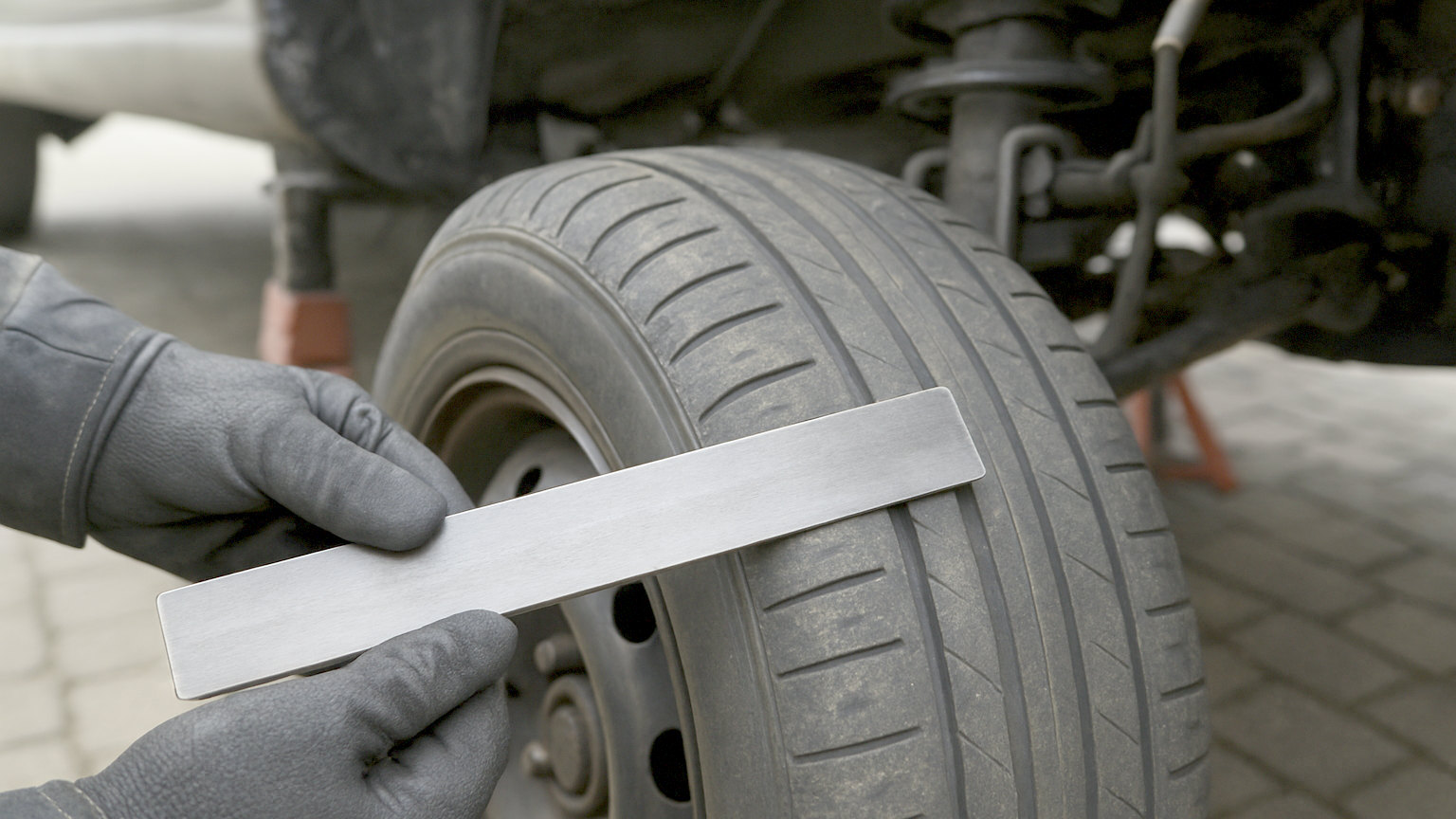
Why Does My Car Vibrate Only When Cold?
A shake confined to the first mile is usually tyres taking a temporary set or an engine running its cold start strategy.
By Car Problems Team
27 Mar 2026

This is everything between the engine and the road: the gearbox, the clutch, the steering and the suspension. It is also where symptoms travel furthest from their cause, which is why a vibration felt through the steering wheel so often turns out to have nothing to do with the steering. These guides start with where and when you feel the problem - at a particular speed, only under braking, only on full lock - because that pattern narrows the cause faster than any parts list, and it is the same thing a decent mechanic will ask you first.
A shake confined to the first mile is usually tyres taking a temporary set or an engine running its cold start strategy.
There is no service interval for dampers, which is why they are replaced when they leak rather than when they stop working.
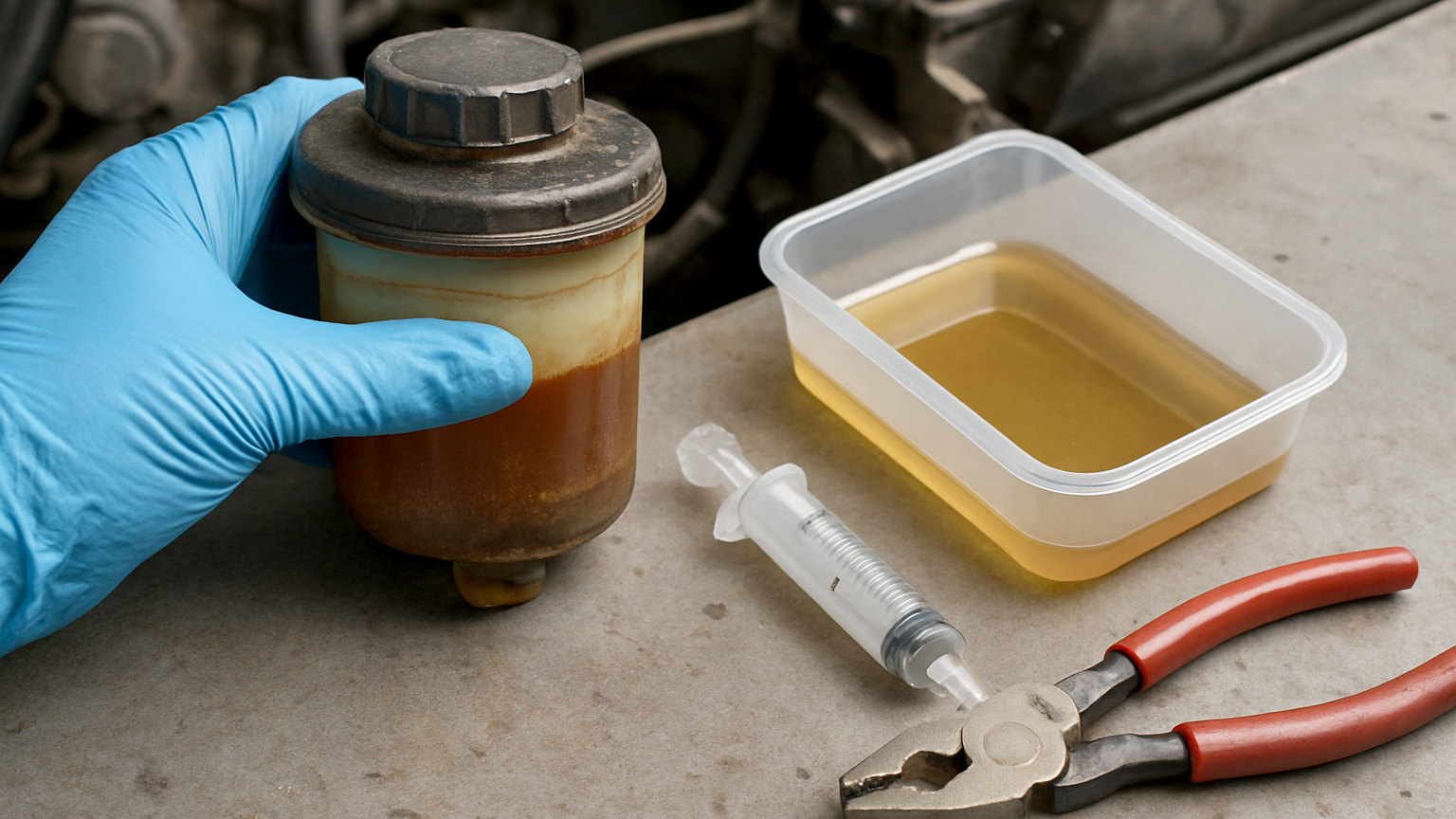
Steering fluid is a hydraulic medium, a lubricant and a coolant at once, and almost nobody changes it because no interval is published.
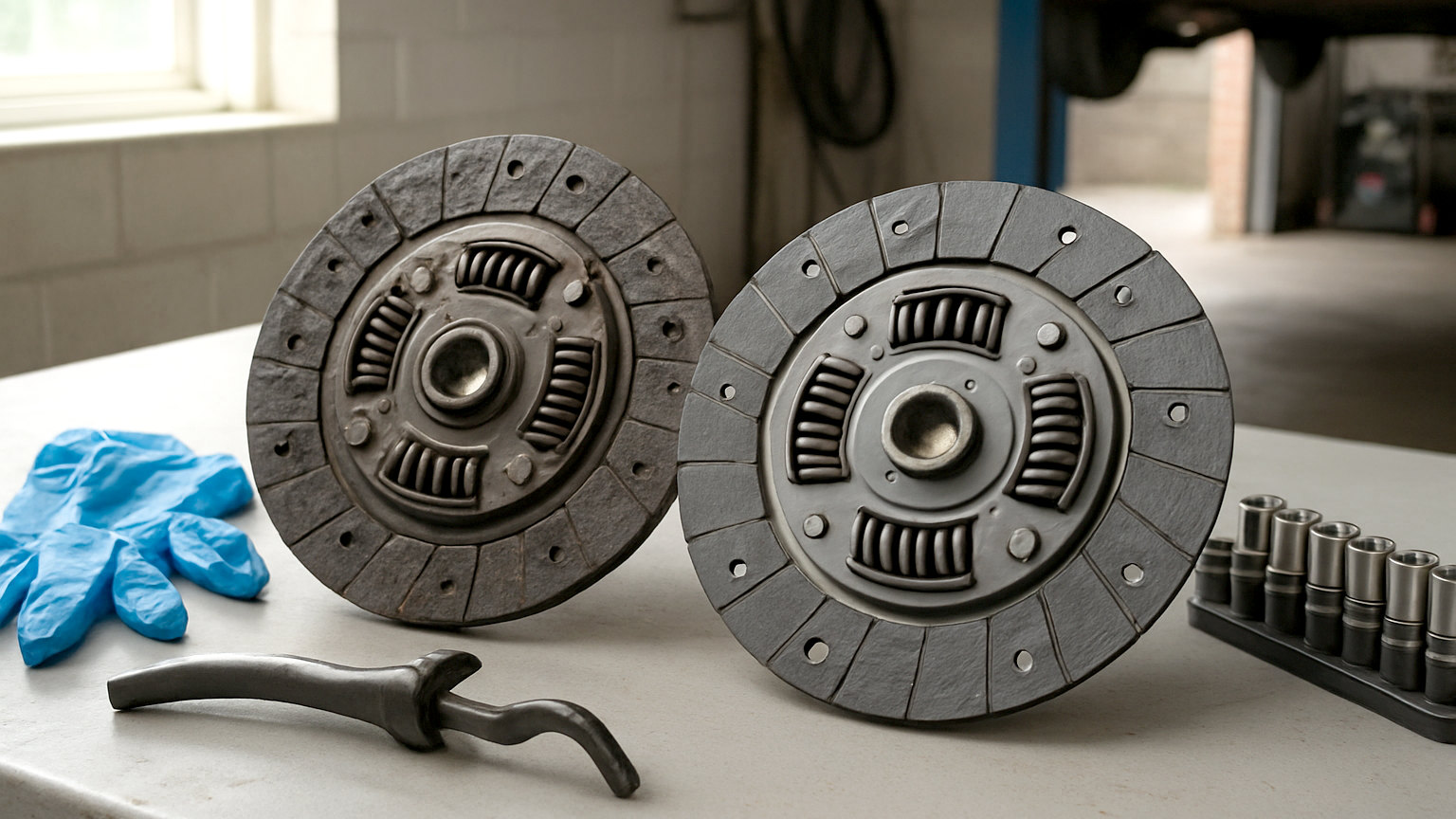
Oil on a friction plate cannot be cleaned off, so a leaking seal will destroy a new clutch as quickly as it destroyed the old one.
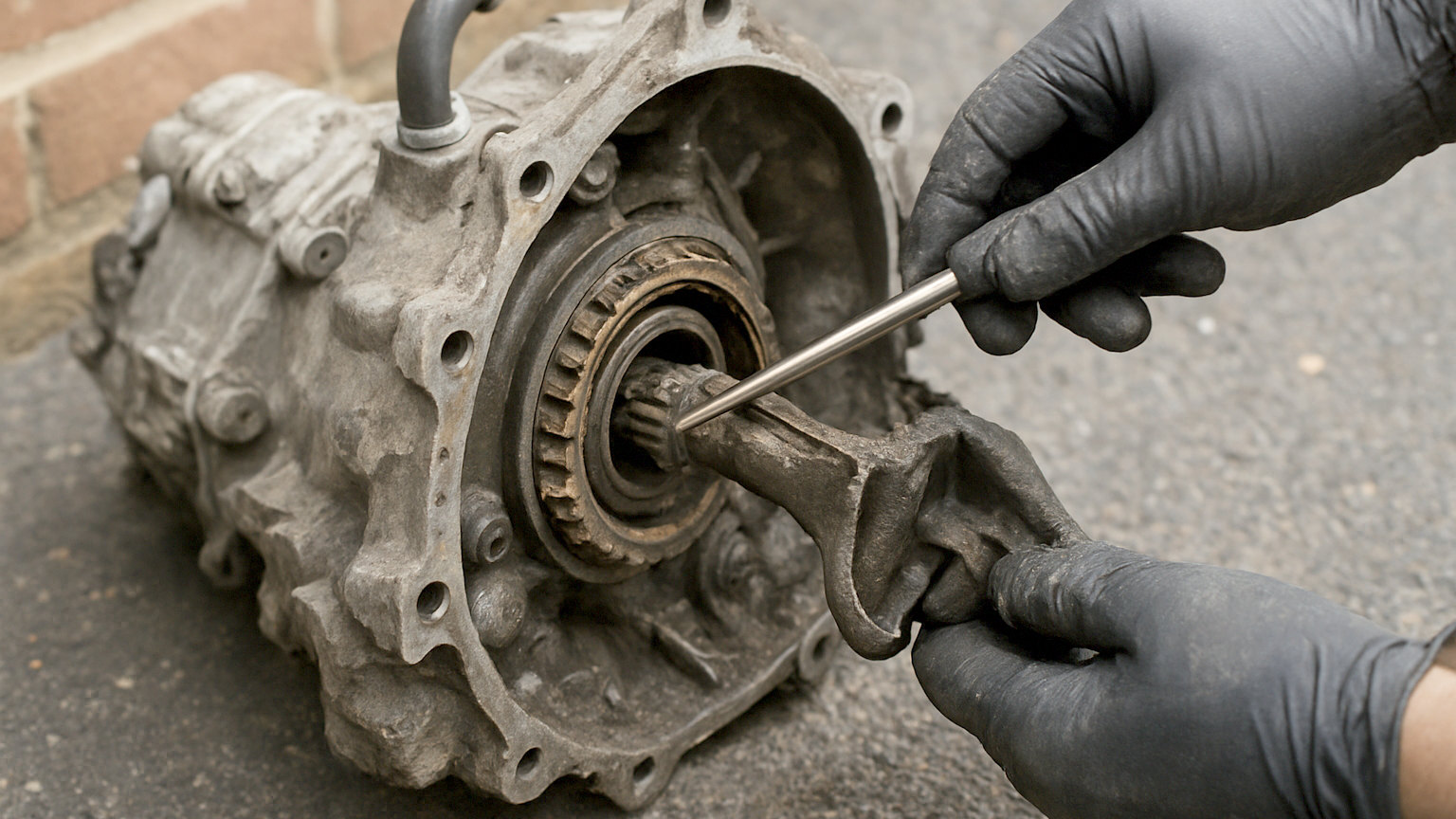
Second gear crunches first because it does the hardest work, and whether the cause is the synchro or the clutch depends on how you change.
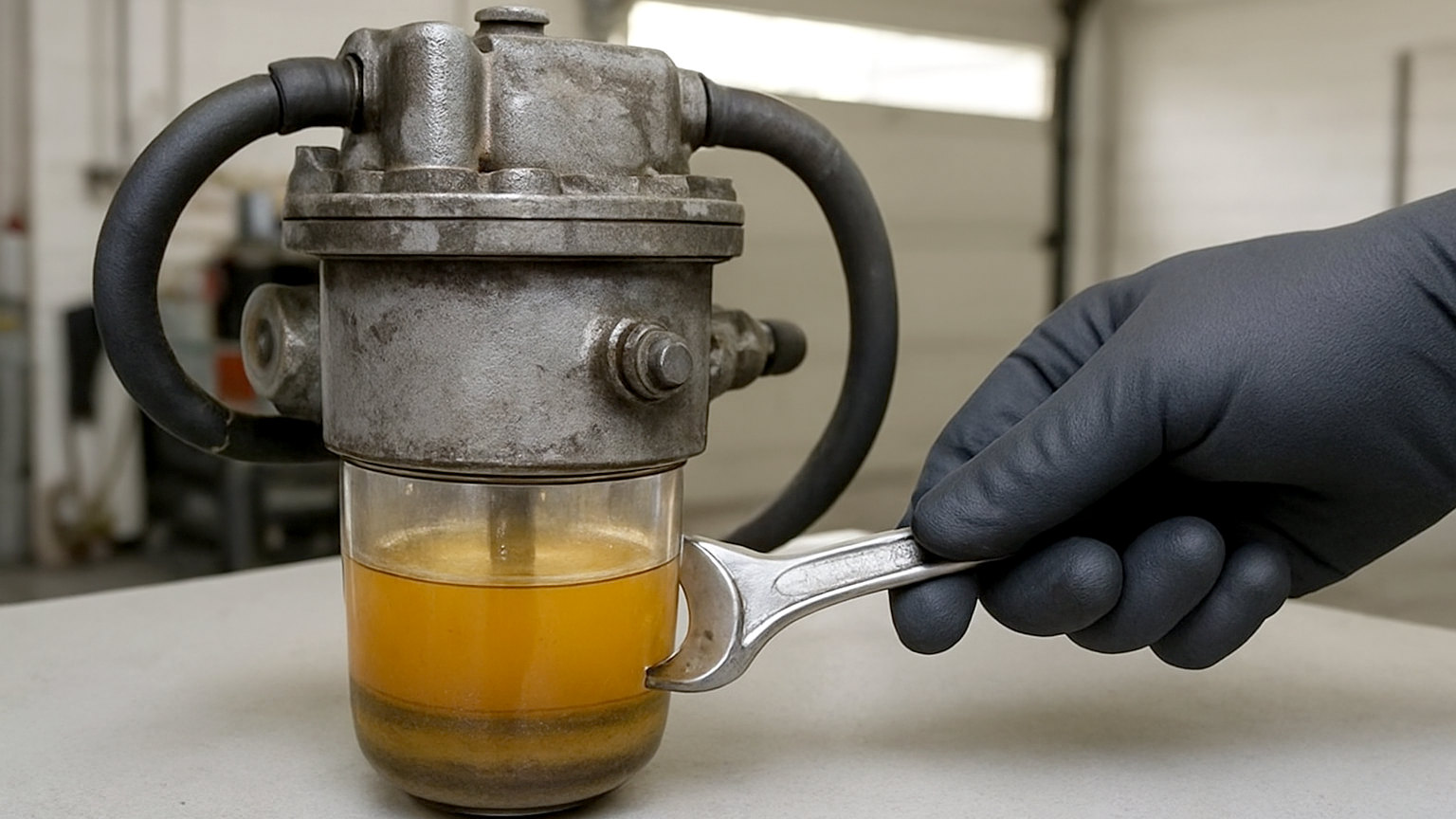
Contaminated fuel genuinely does cause juddering, and the timing relative to your last fill is what distinguishes it from a mechanical fault.
Grinding means metal contacting metal where it should not, and it is one of the few noises that justifies stopping to look.
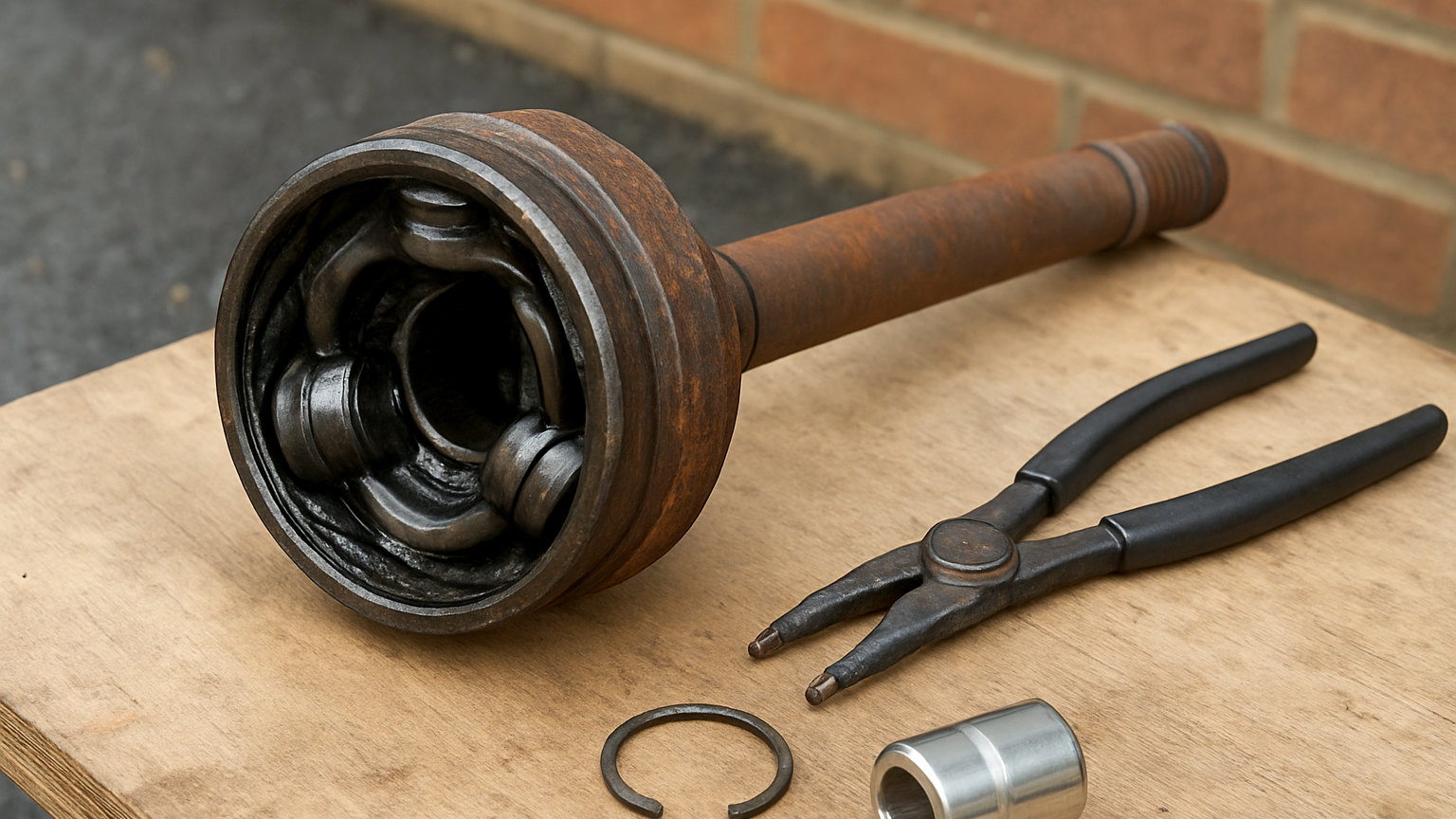
Outer joints click on lock and inner joints vibrate under load, and the difference between those two symptoms is genuinely diagnostic.
Tyres record what the suspension has been doing, and the pattern of wear points at which component is responsible.
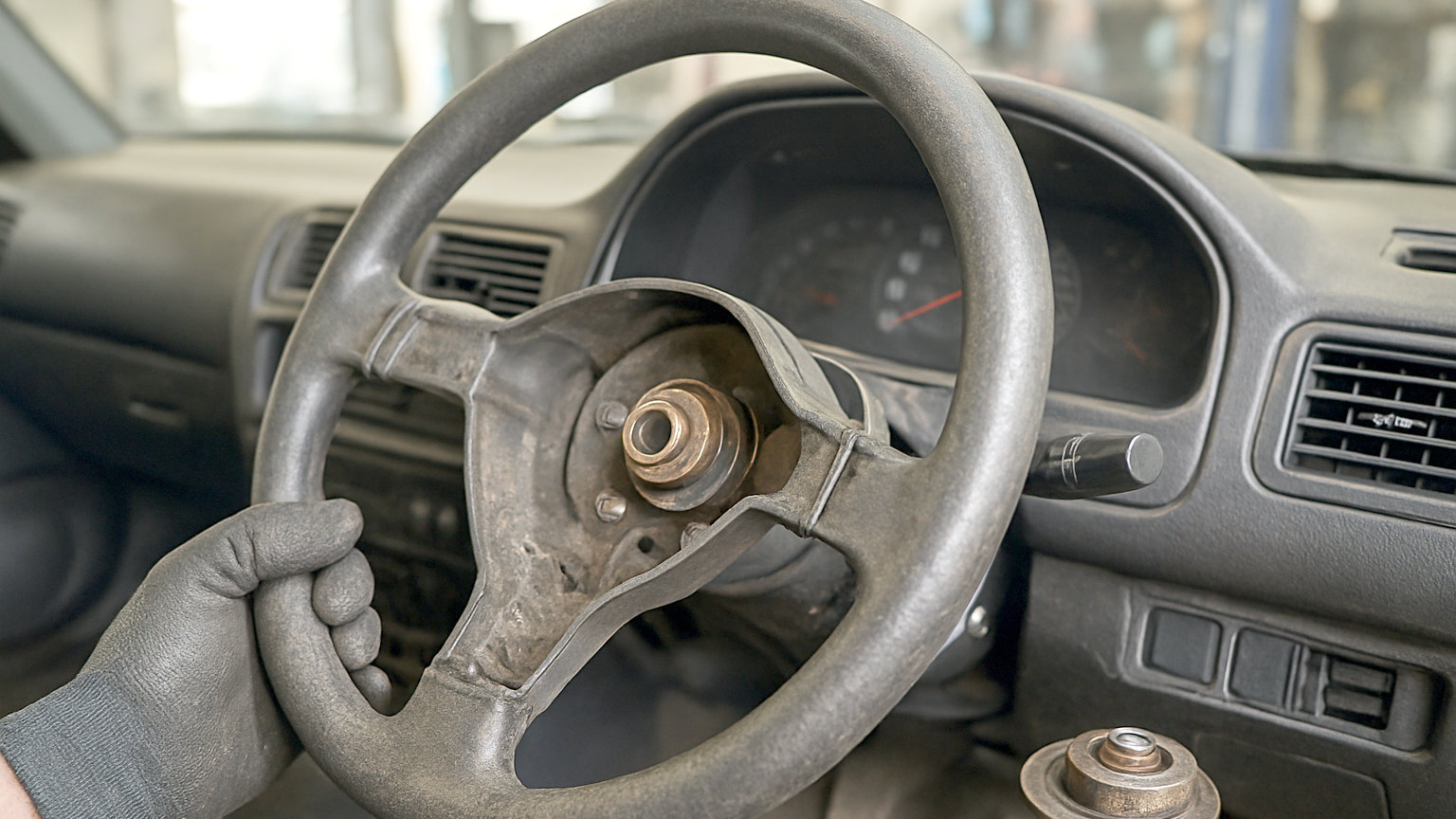
A wheel that sits crooked while the car travels straight means the alignment has been set with the steering in the wrong position.