Why Does My Suspension Knock Over Bumps?
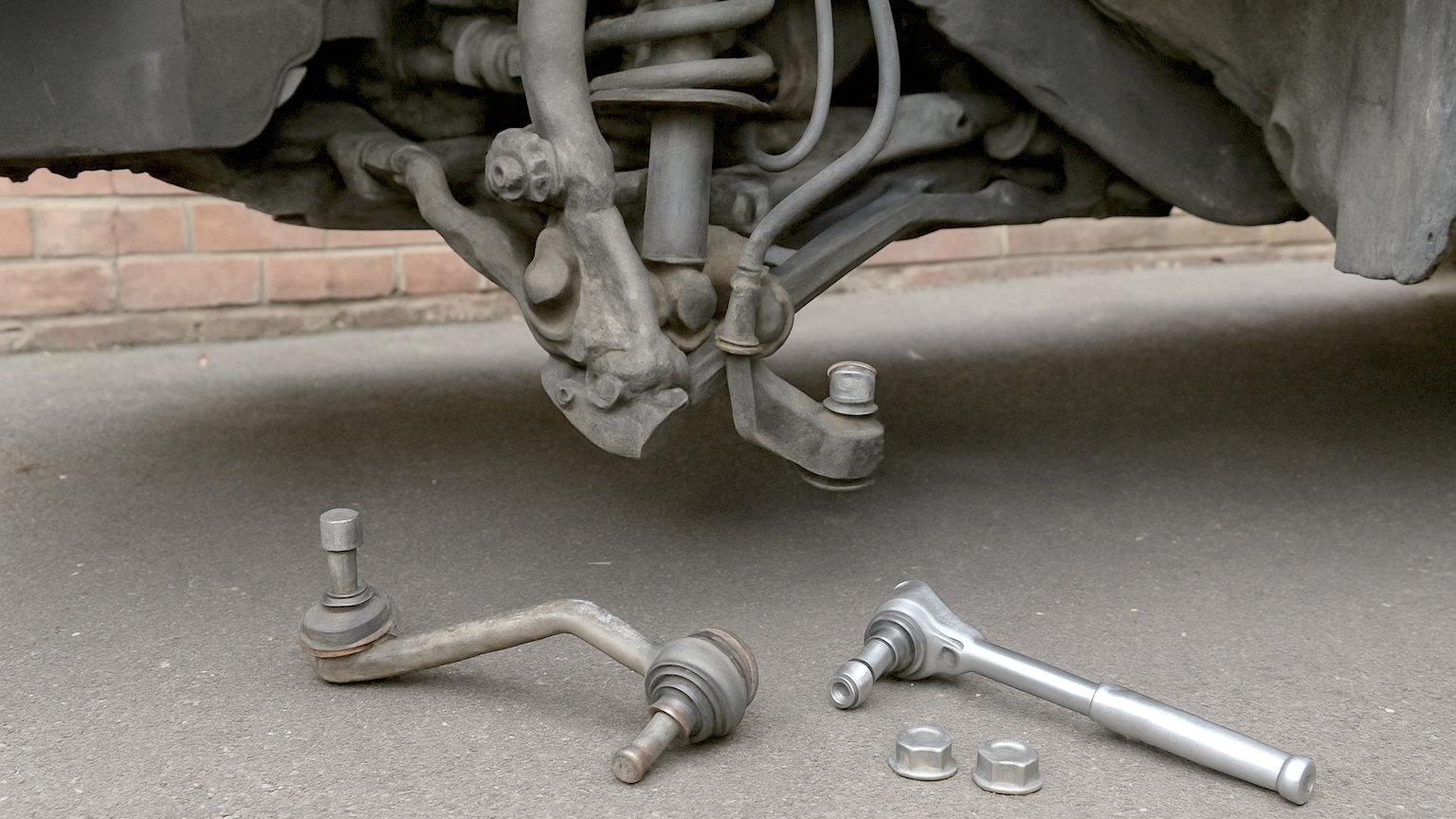
Knocking over bumps means something has play that is being taken up sharply, and the cheapest suspect is usually the right one.
By Car Problems Team
5 Feb 2026

This is everything between the engine and the road: the gearbox, the clutch, the steering and the suspension. It is also where symptoms travel furthest from their cause, which is why a vibration felt through the steering wheel so often turns out to have nothing to do with the steering. These guides start with where and when you feel the problem - at a particular speed, only under braking, only on full lock - because that pattern narrows the cause faster than any parts list, and it is the same thing a decent mechanic will ask you first.
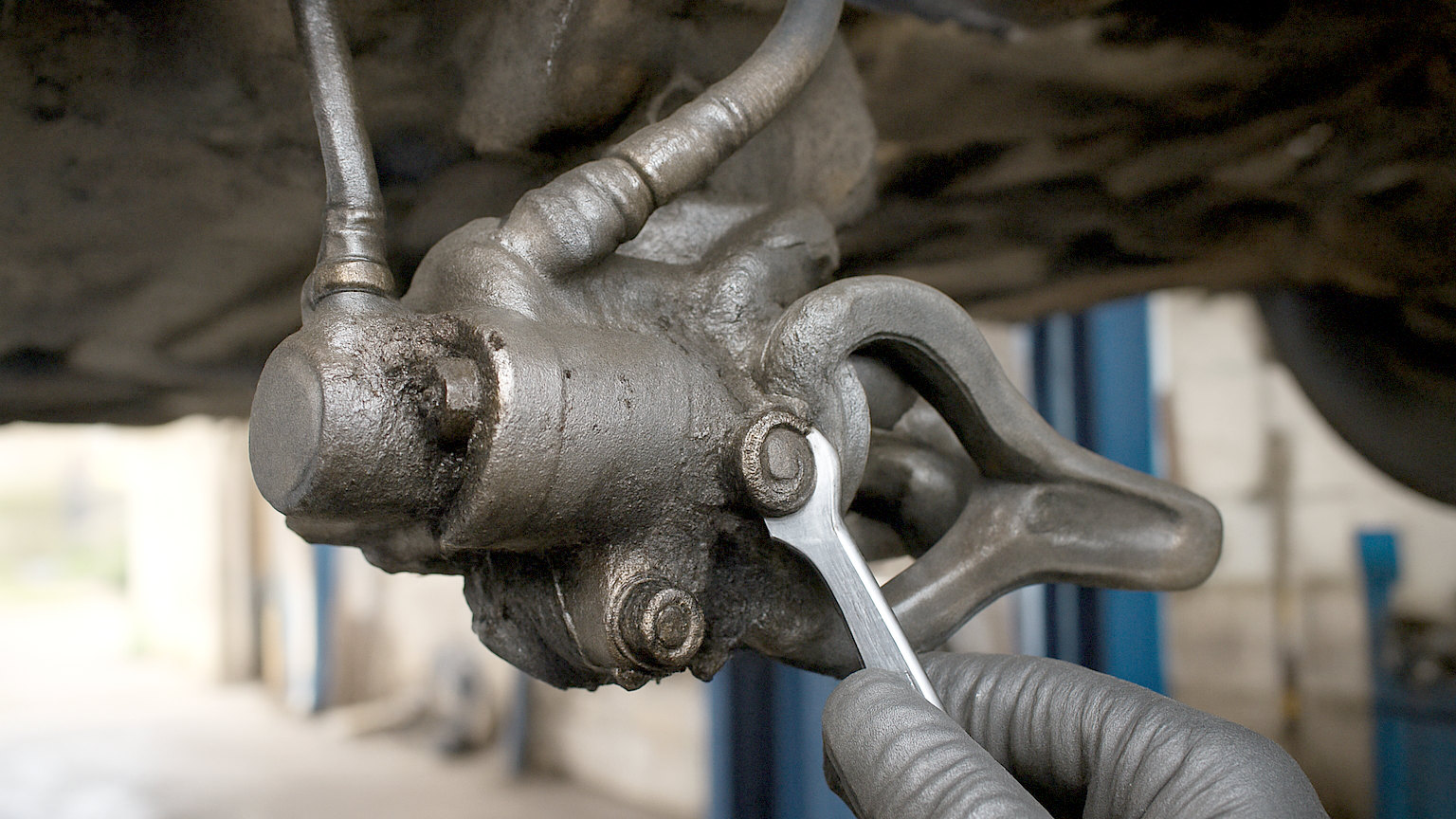
Knocking over bumps means something has play that is being taken up sharply, and the cheapest suspect is usually the right one.
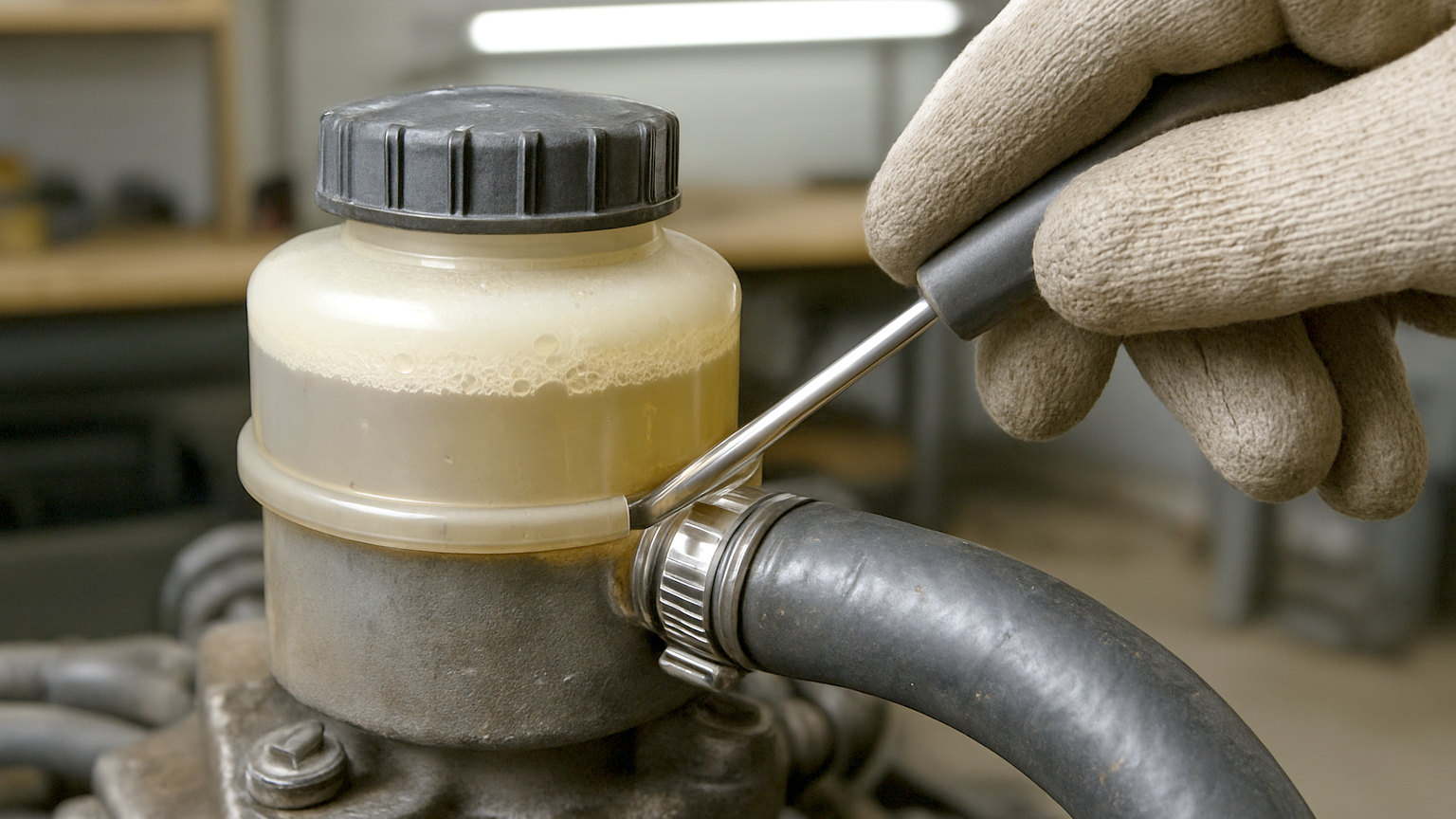
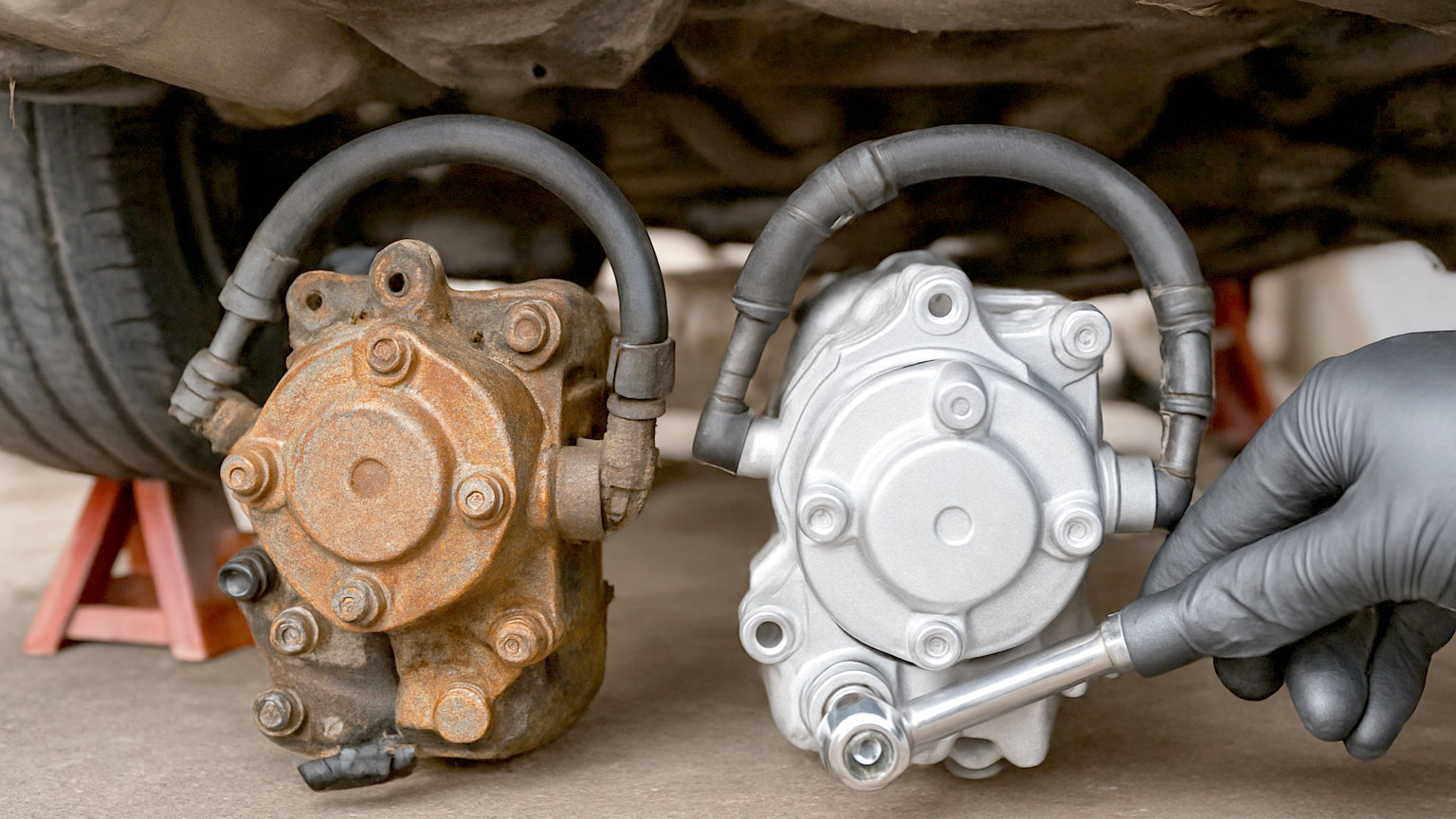
A whine that rises on lock is a hydraulic pump complaining, and the usual cause is air in the fluid rather than a failing pump.
The direction the biting point has moved tells you whether the friction material is wearing or the hydraulics are failing.
A gear that pops out under load is a mechanical wear problem inside the box, and it is one of the few that is genuinely unsafe.
A car that surges rhythmically at constant throttle is being fuelled inconsistently, and the pattern of the surge points at the cause.
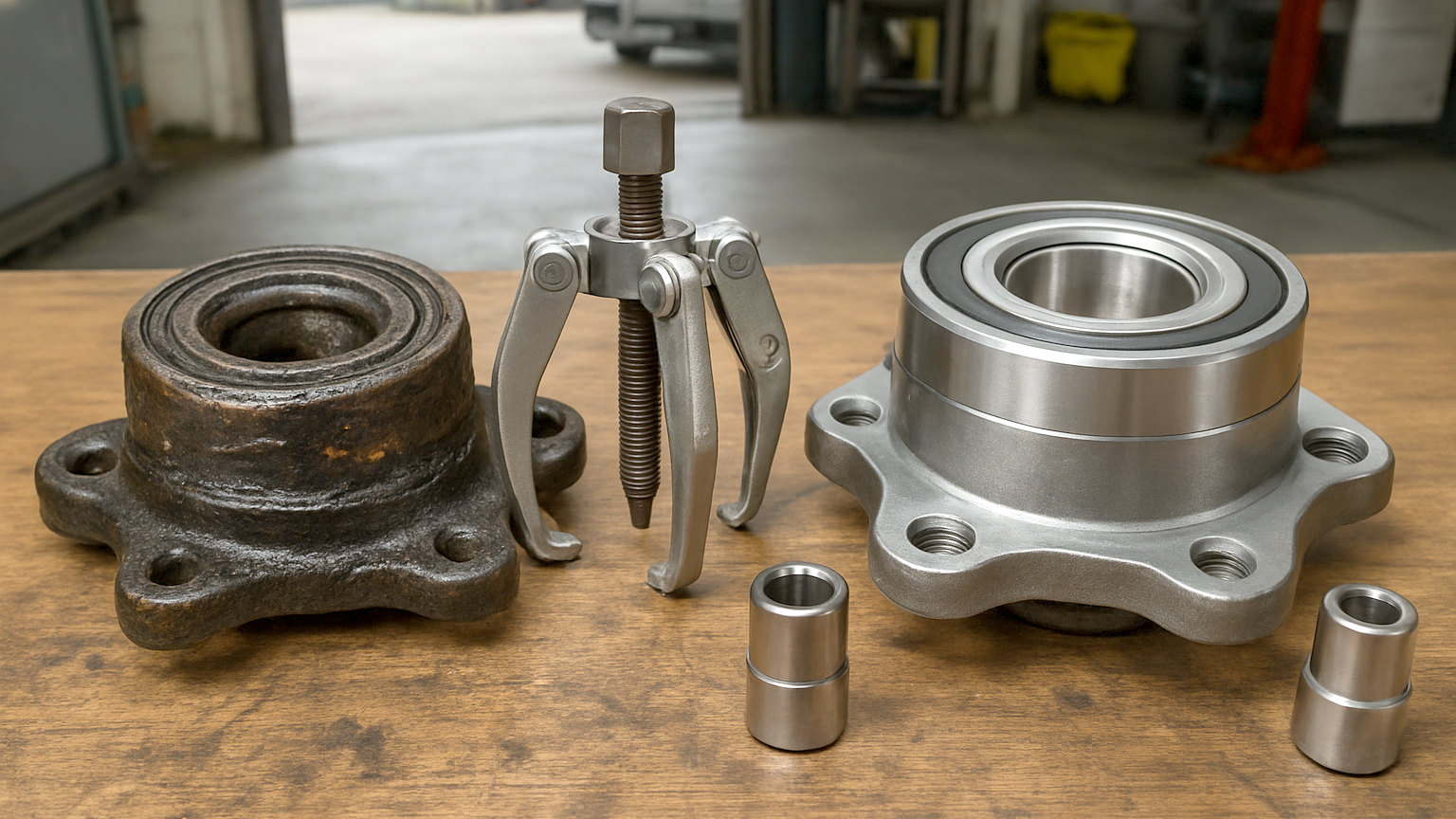
A hum that rises with road speed and changes when you corner is the classic wheel bearing signature, though tyres produce something similar.
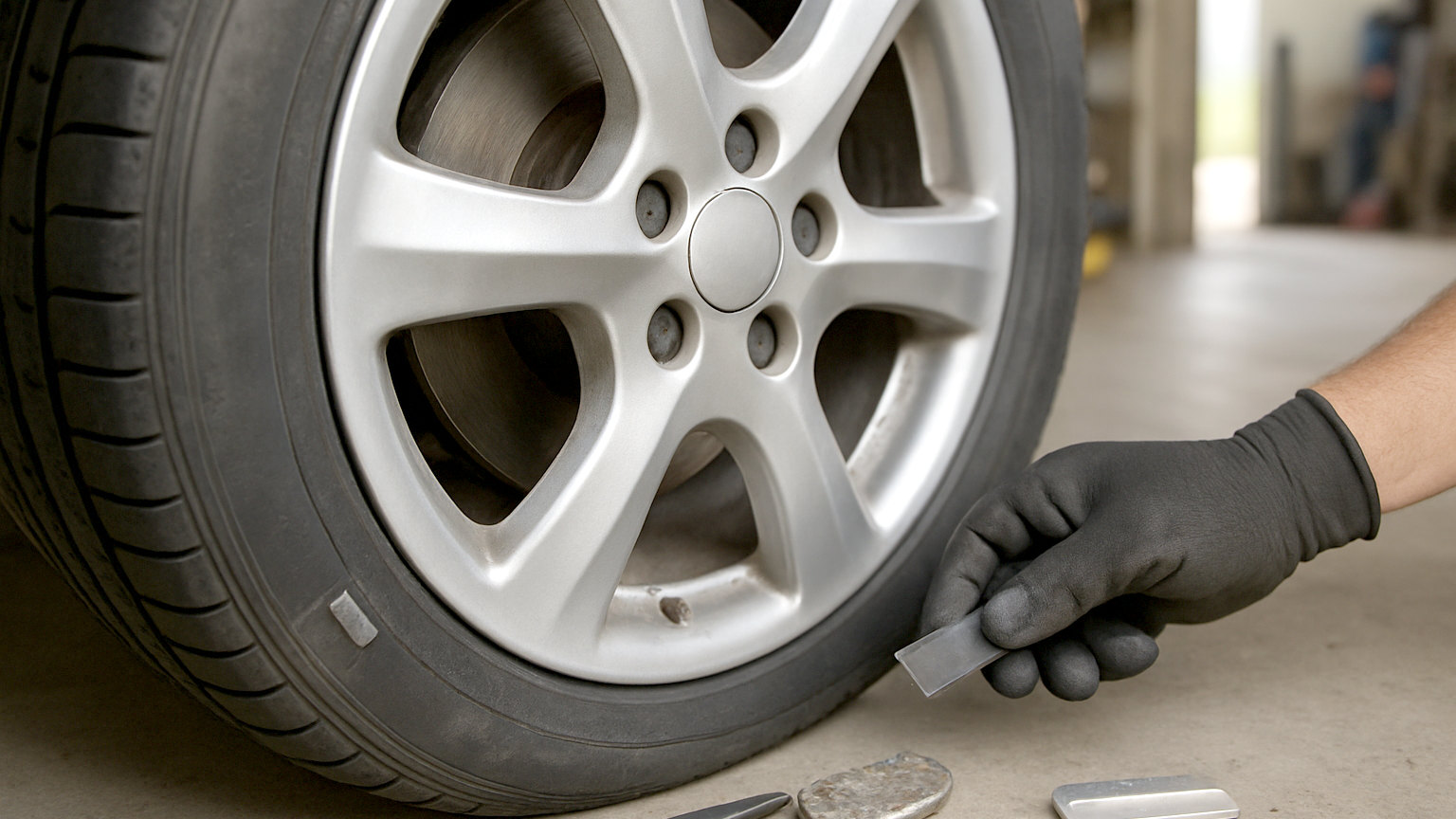
A shake through the wheel in a particular speed band is the classic signature of front wheel imbalance, but it is not the only possibility.
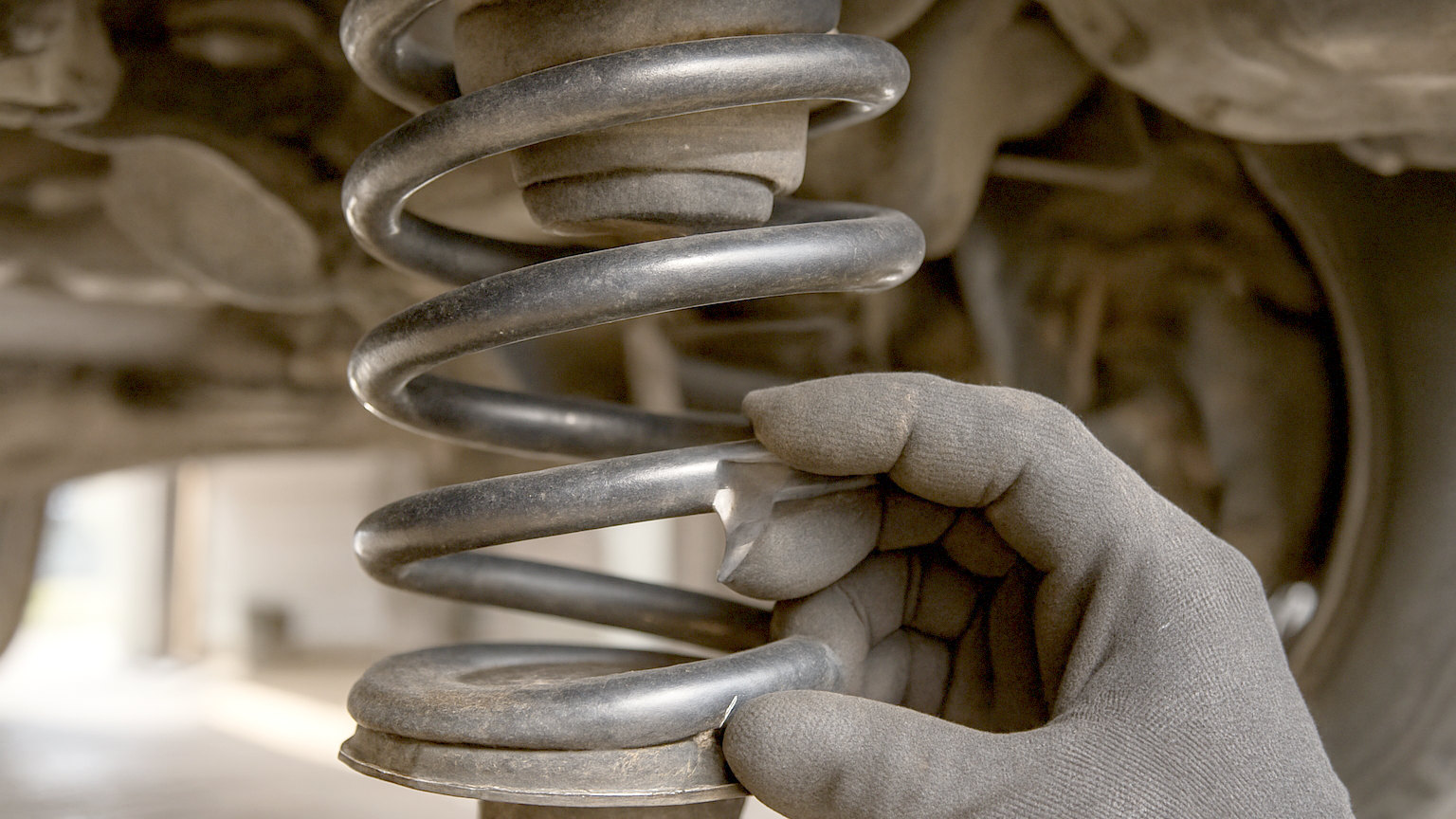
Coil springs break more often than people expect, usually at the bottom coil, and the noise is distinctive once you know it.
Electric systems replaced pumps and hoses with a motor and a module, which removed some faults and introduced an entirely new set.
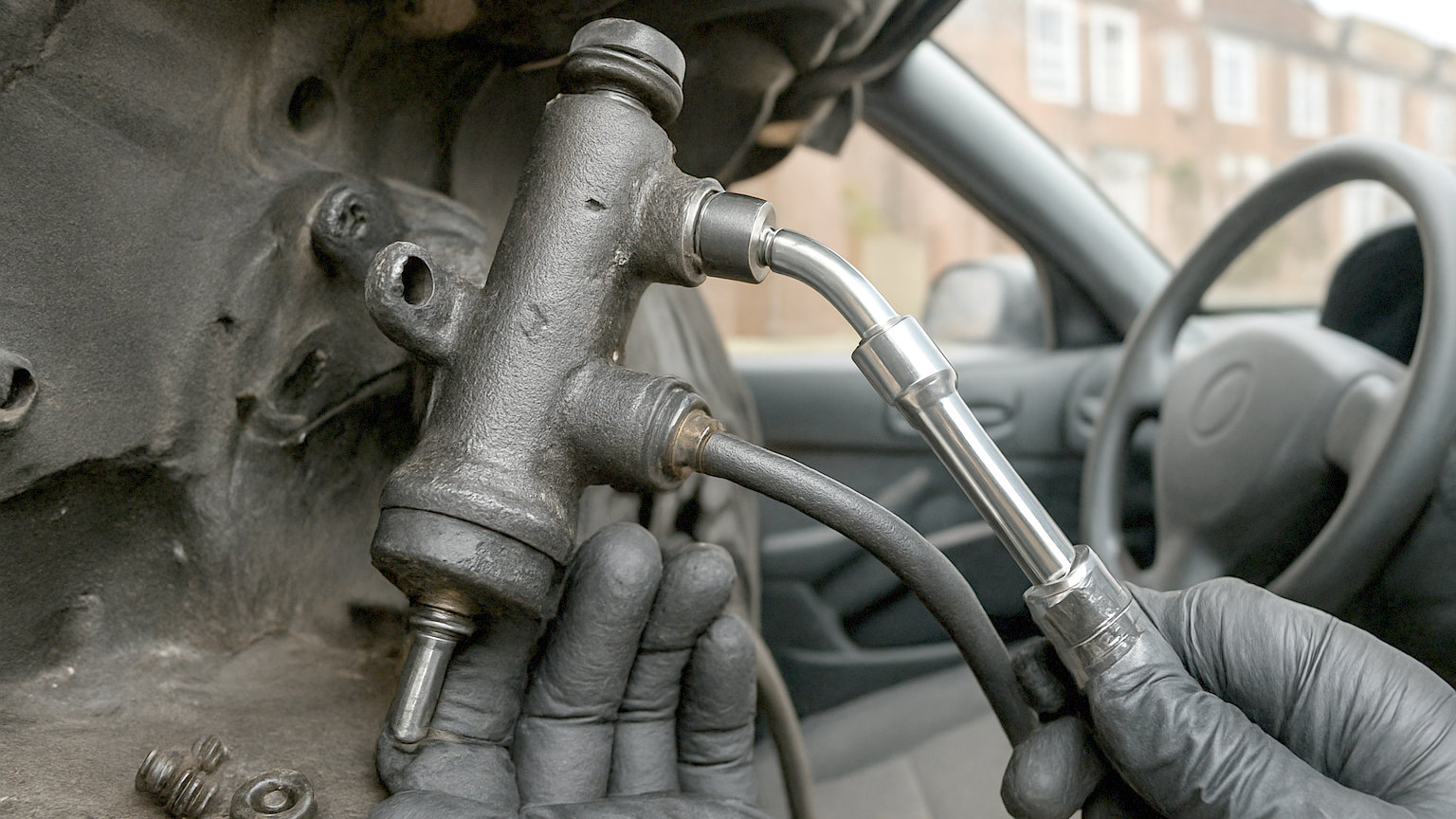
A pedal that sinks or feels spongy is a hydraulic problem rather than a worn clutch, and hydraulic parts cost a fraction of a replacement.