What Causes a Clutch to Drag or Not Release?
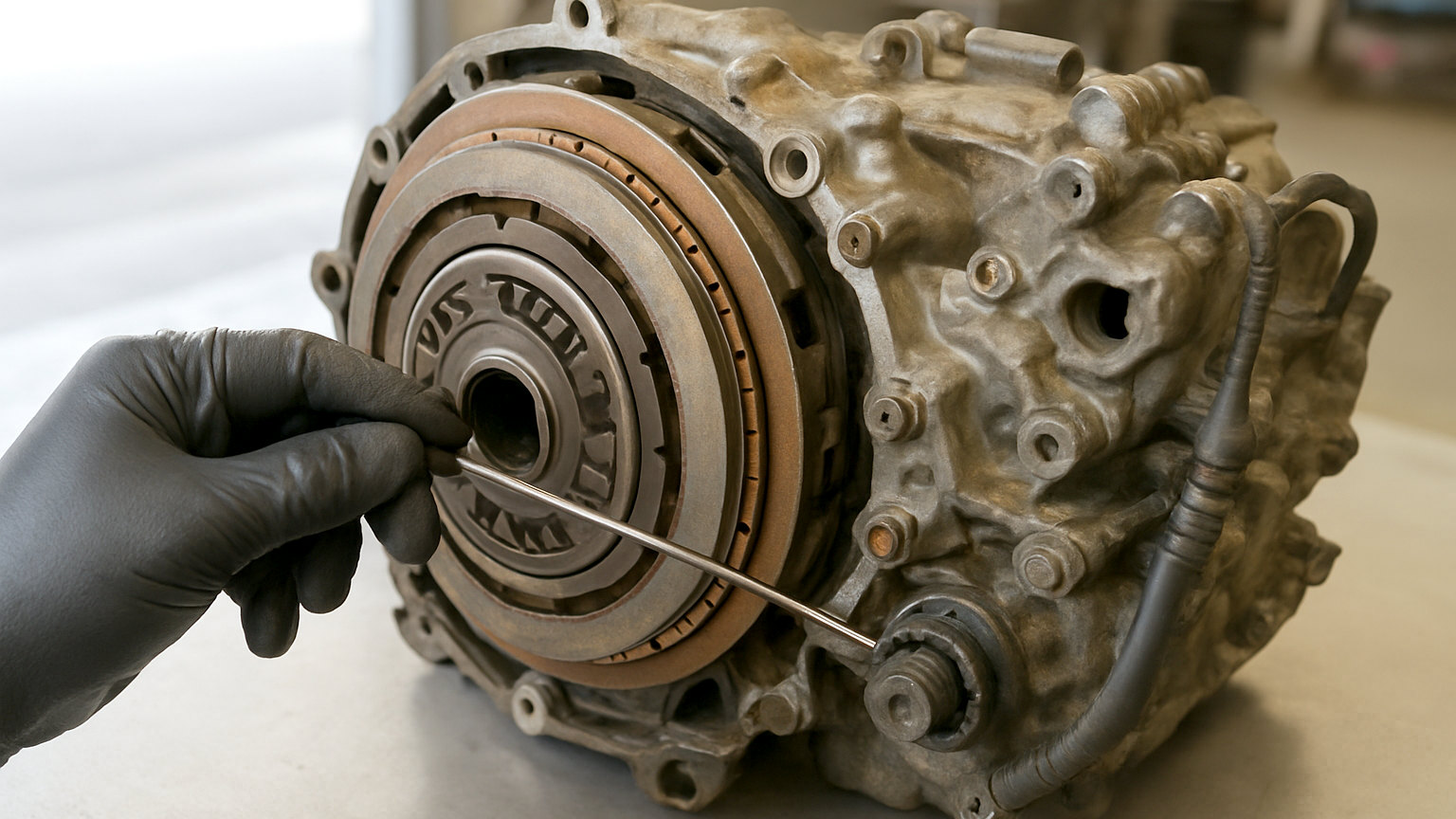
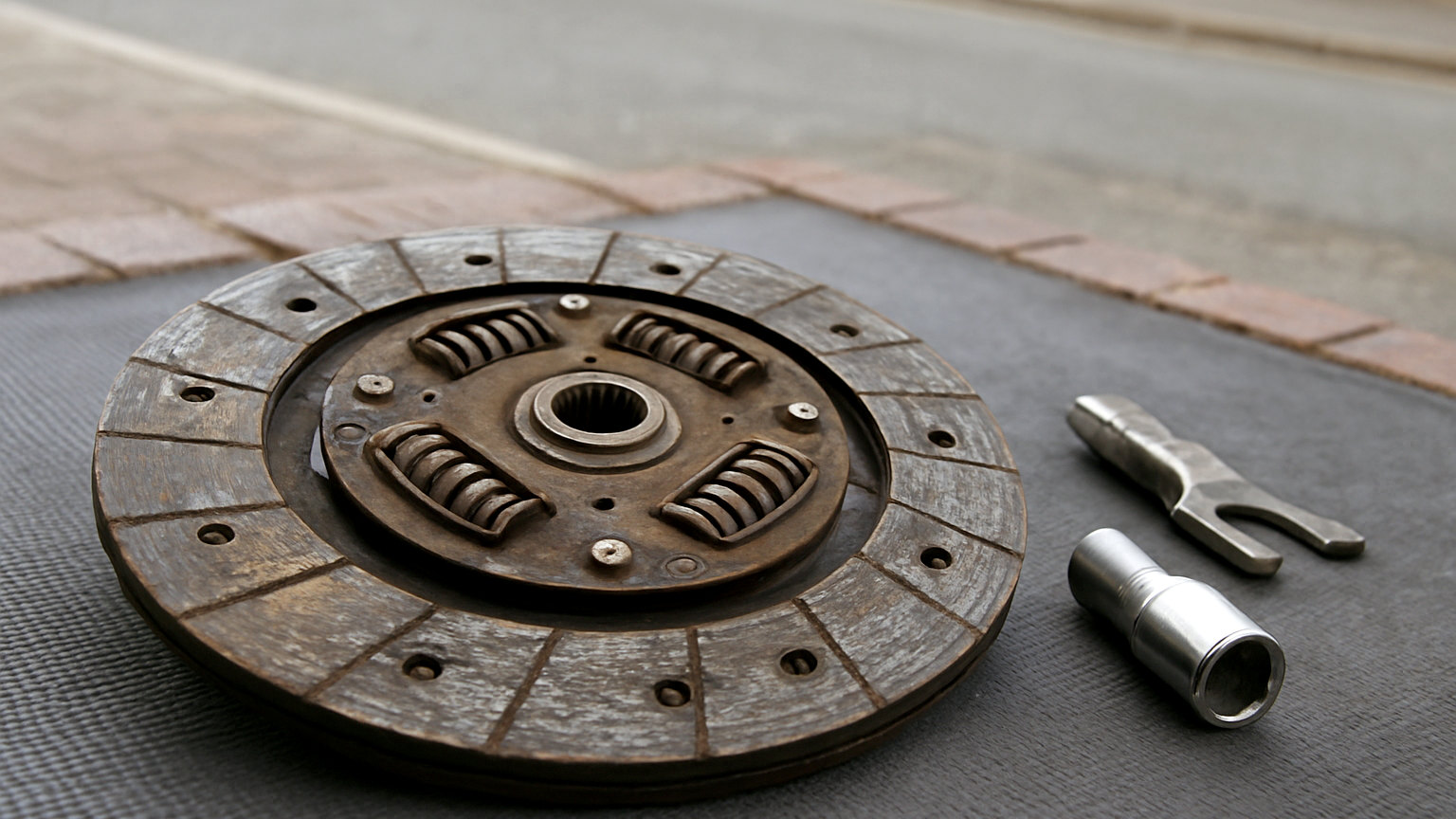
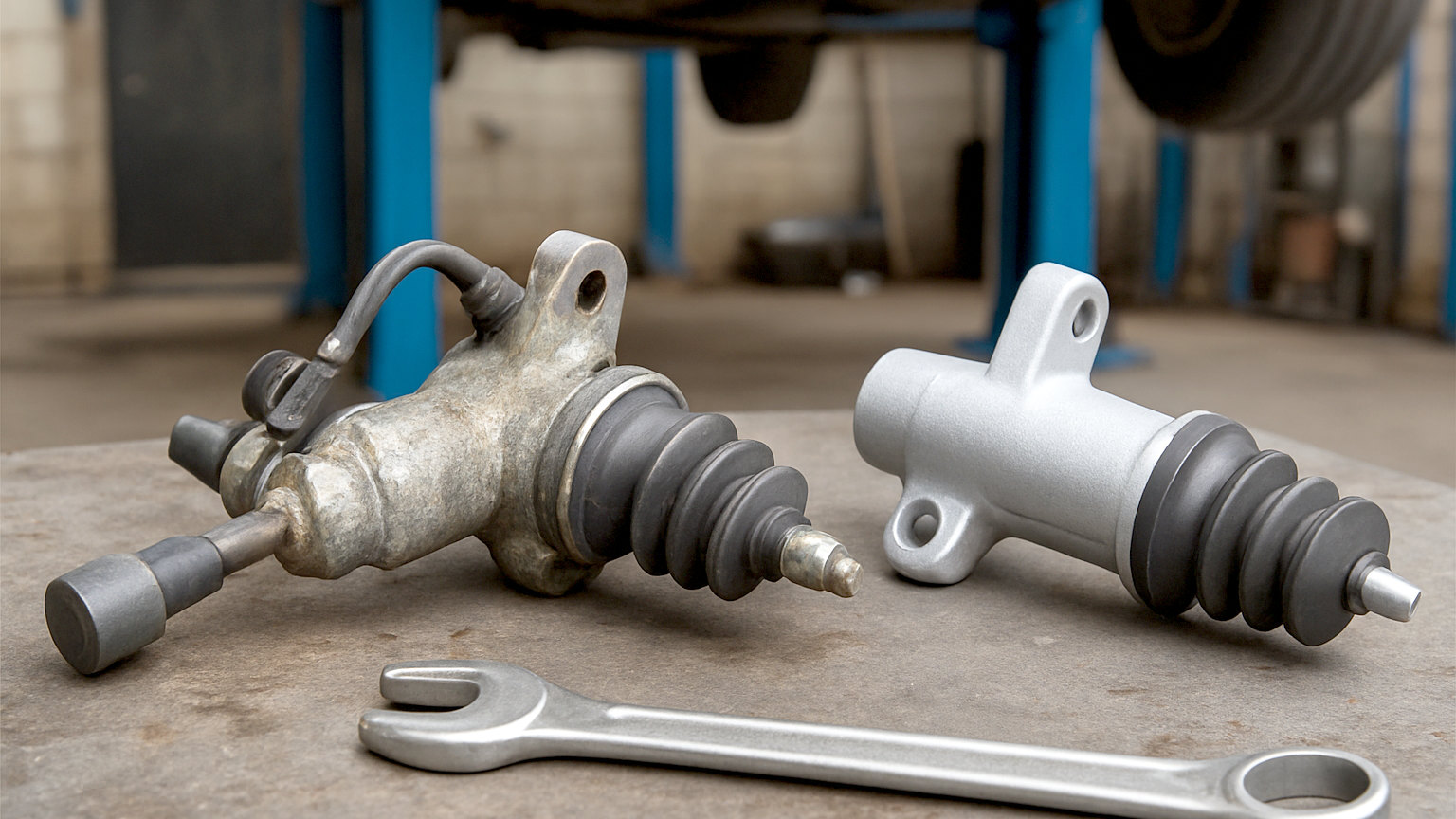
A clutch that will not fully release makes gears difficult and grinds synchromesh, and it is usually hydraulic rather than worn out.
By Car Problems Team
17 Mar 2026

This is everything between the engine and the road: the gearbox, the clutch, the steering and the suspension. It is also where symptoms travel furthest from their cause, which is why a vibration felt through the steering wheel so often turns out to have nothing to do with the steering. These guides start with where and when you feel the problem - at a particular speed, only under braking, only on full lock - because that pattern narrows the cause faster than any parts list, and it is the same thing a decent mechanic will ask you first.
A clutch that will not fully release makes gears difficult and grinds synchromesh, and it is usually hydraulic rather than worn out.
Dual clutch boxes behave like a manual with a robot operating it, and low speed judder usually means clutch wear or a mechatronic fault.
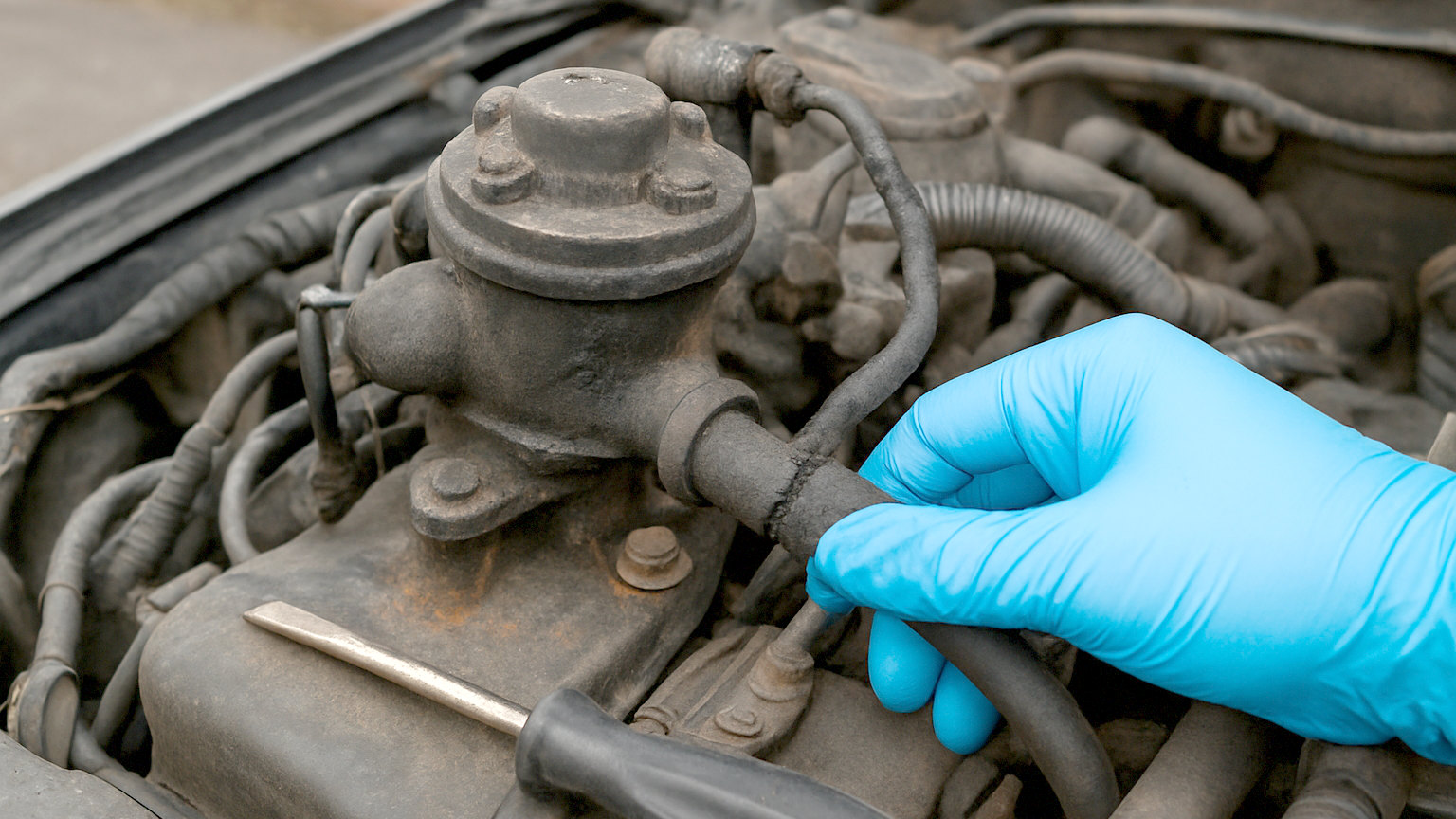
Diesels produce their torque low down, which means faults in fuelling, boost or exhaust recirculation show up first at low revs under load.
Interior rattles are maddening out of proportion to their importance, and they are found by pressing rather than by listening.
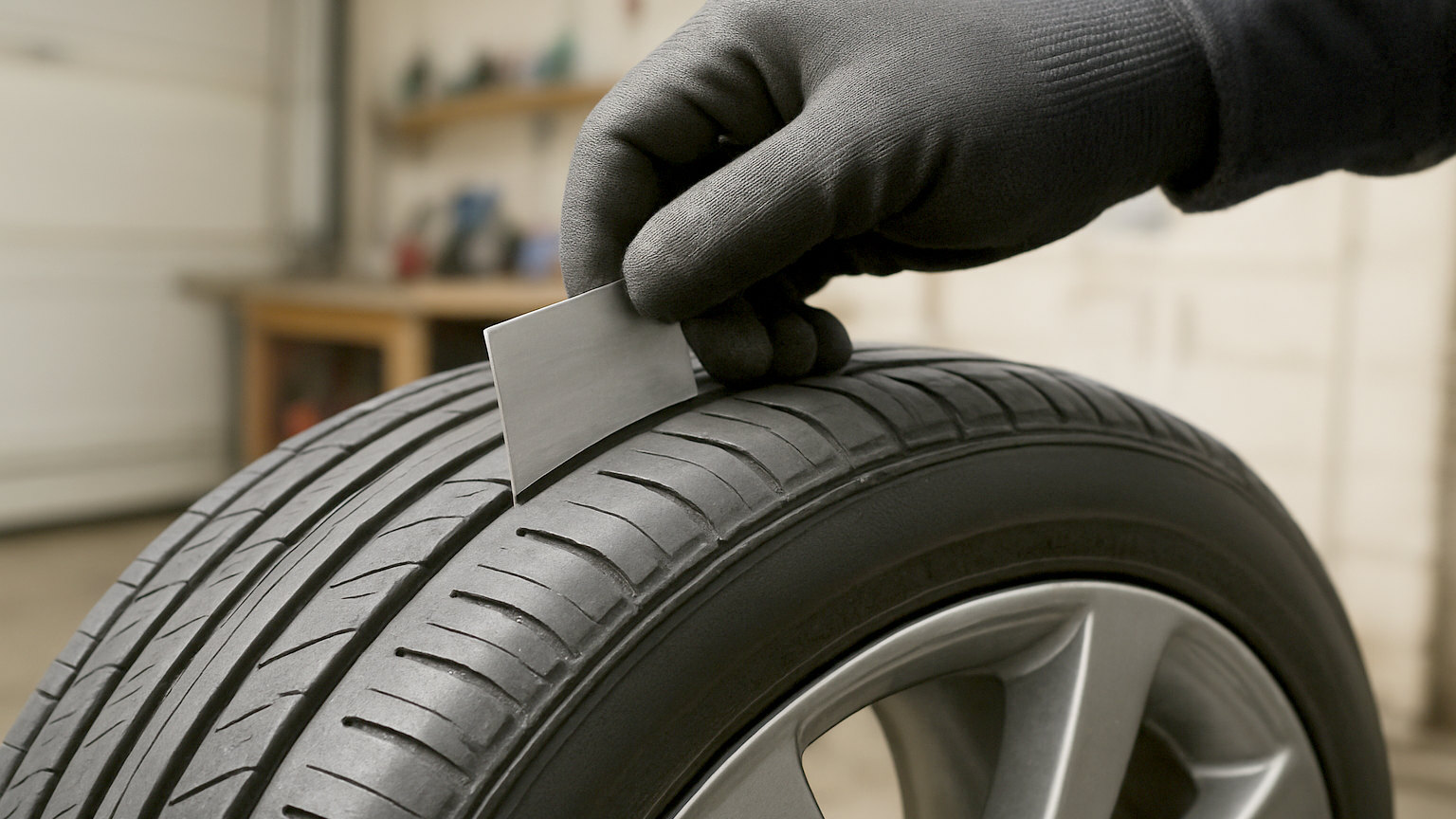
Balancing corrects mass distribution and nothing else, so a tyre that is not round or not uniform will vibrate however well it is balanced.
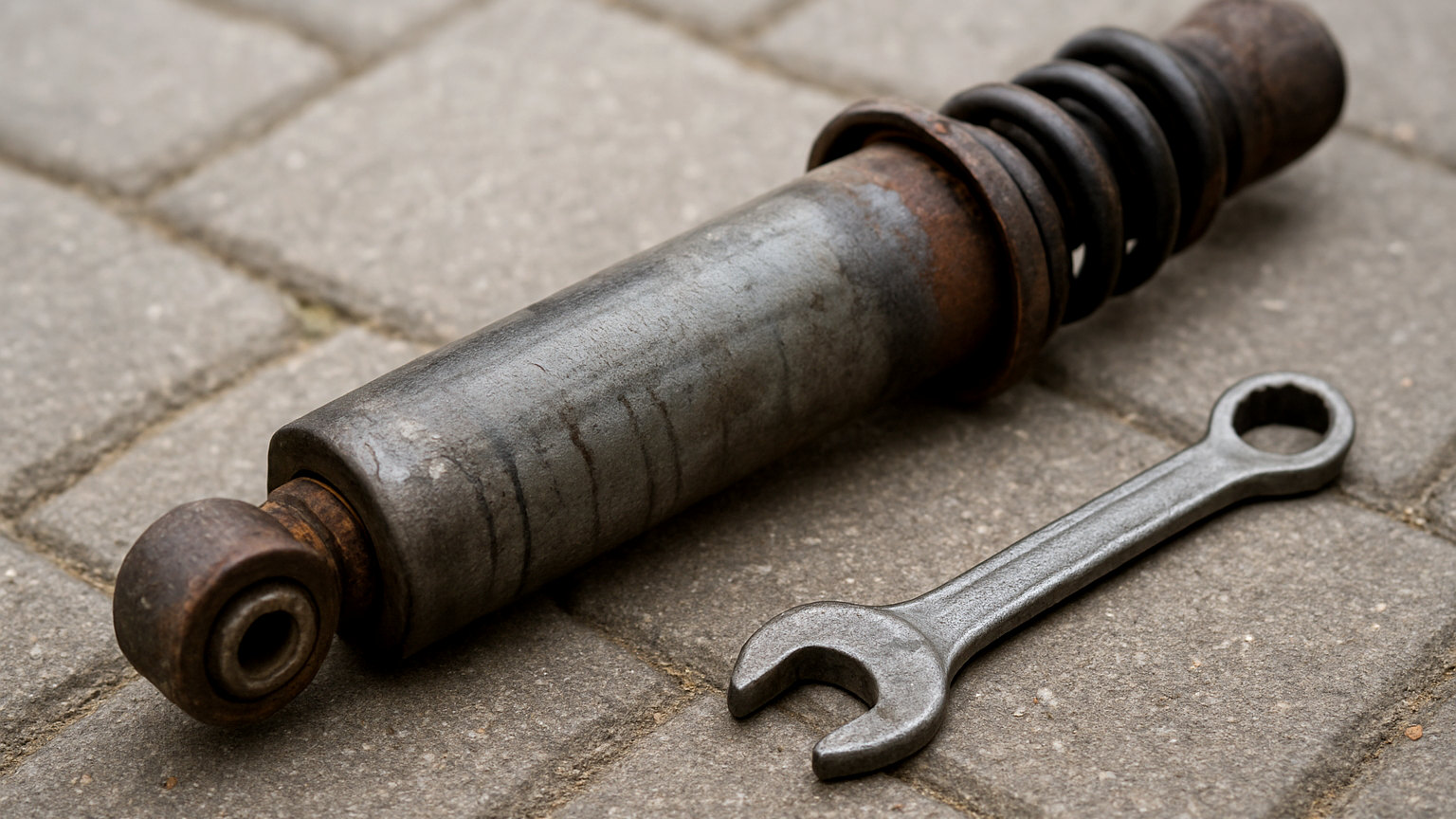
A car that keeps moving after the road has stopped is not controlling its springs, and that is the definition of worn damping.
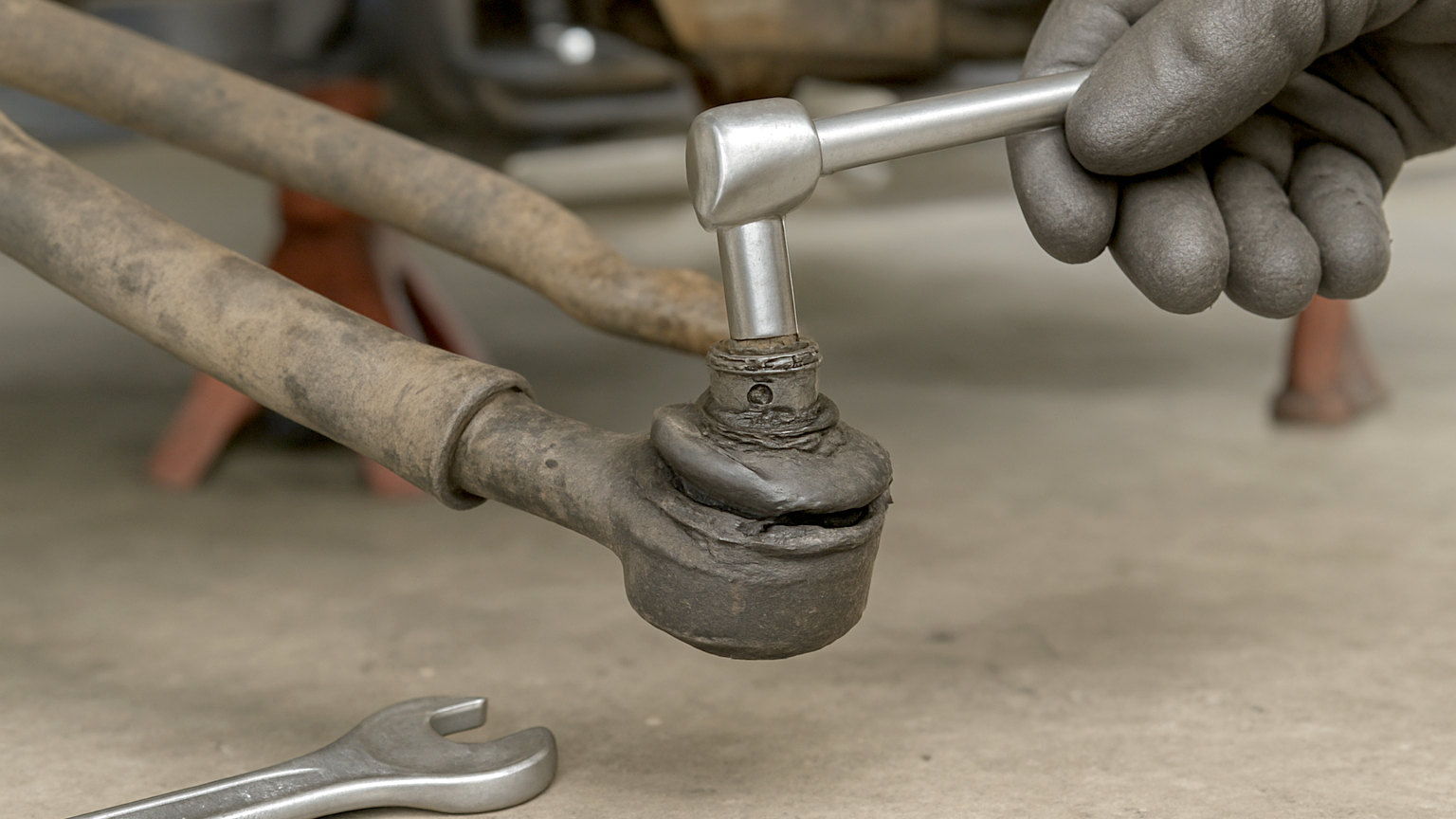
A knock that appears on lock or over bumps while turning is a worn joint announcing itself, and where it comes from narrows it quickly.
A burning clutch smell is friction material overheating, and while one occasion is survivable, repeated overheating glazes the surface permanently.
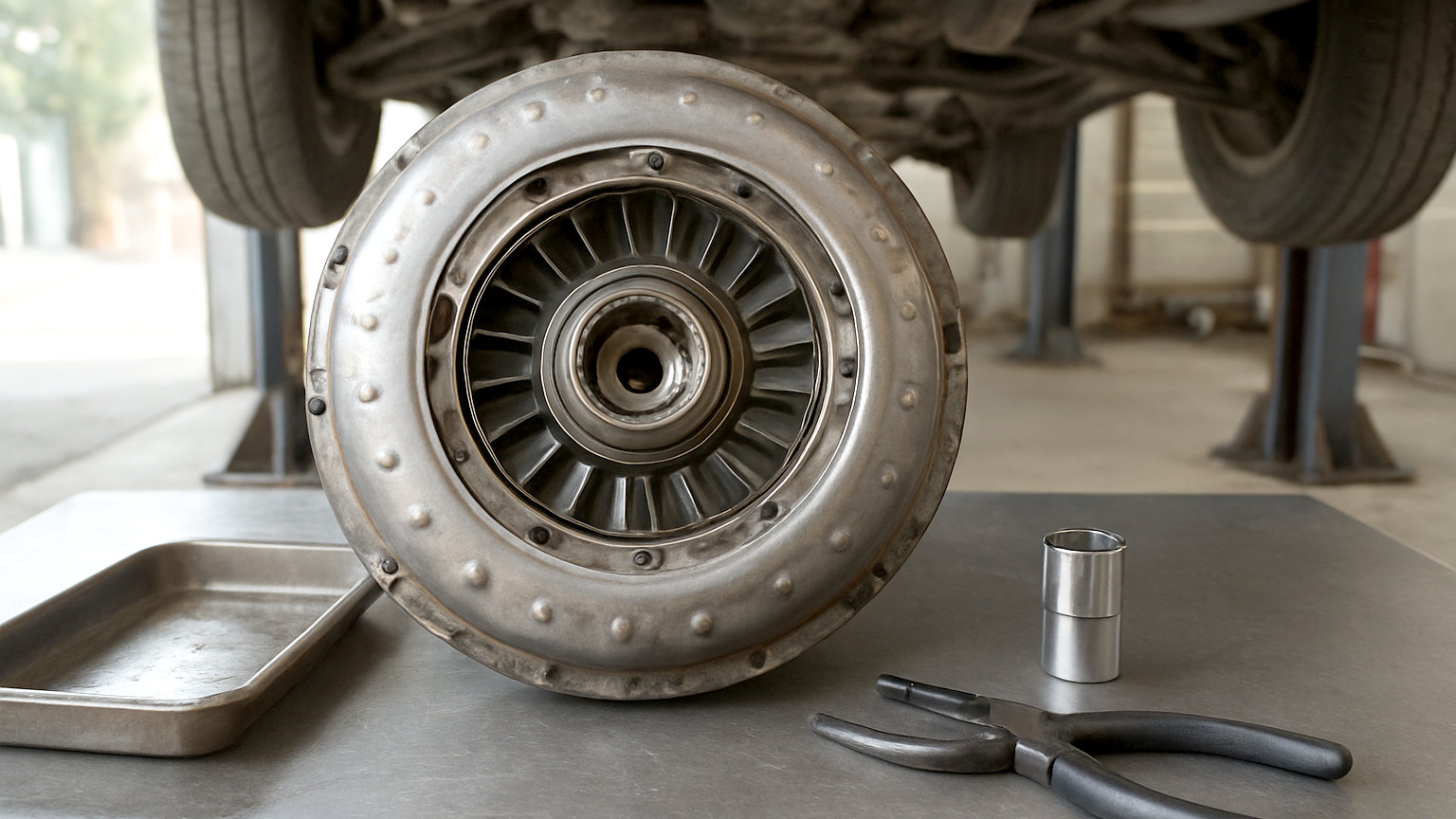
The torque converter is a fluid coupling that replaces the clutch, and its lock-up mechanism is what usually gives trouble rather than the coupling itself.
Shunt is the fore and aft rocking that happens when you move between accelerating and coasting, and it exposes every clearance in the driveline.