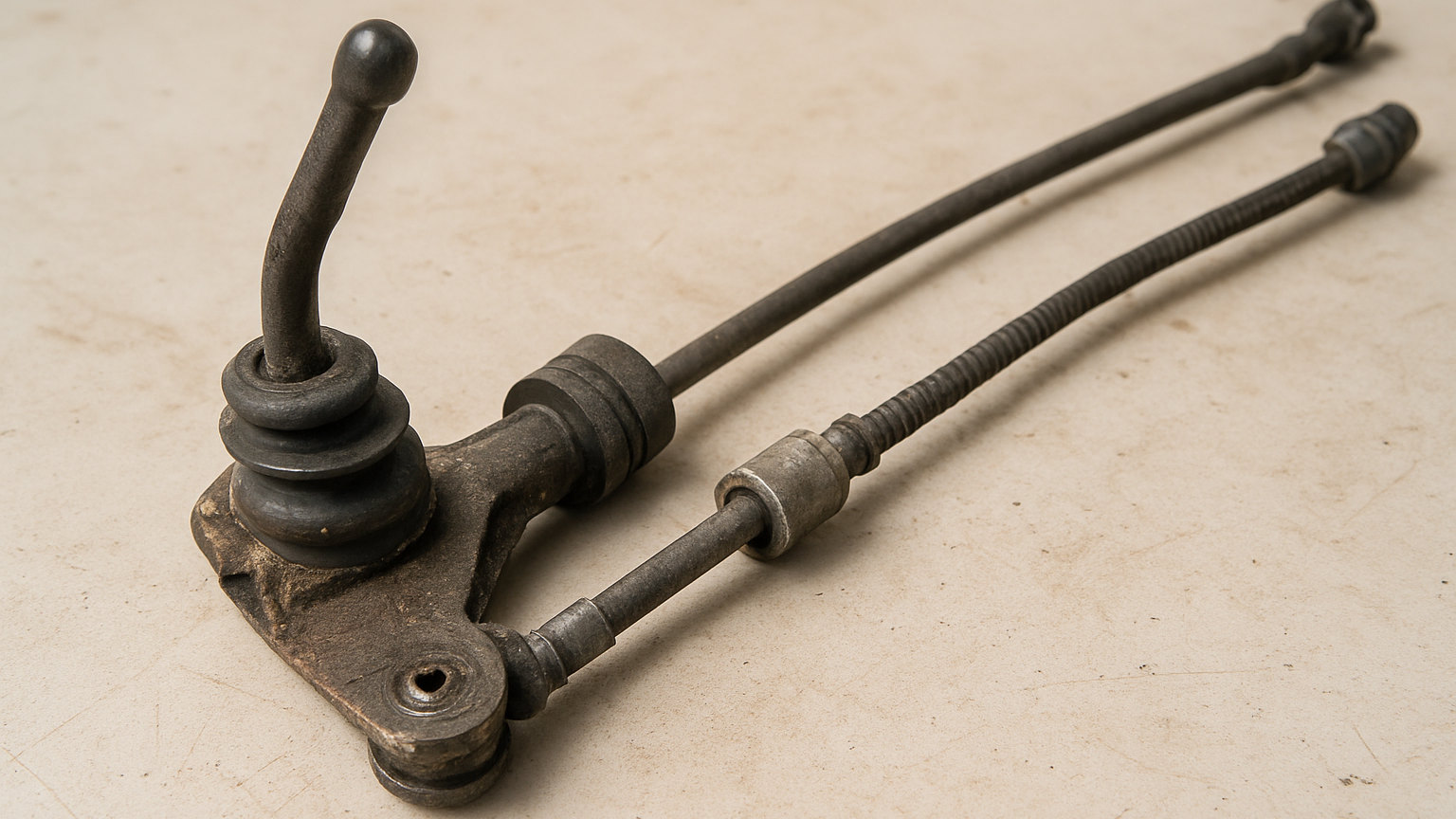
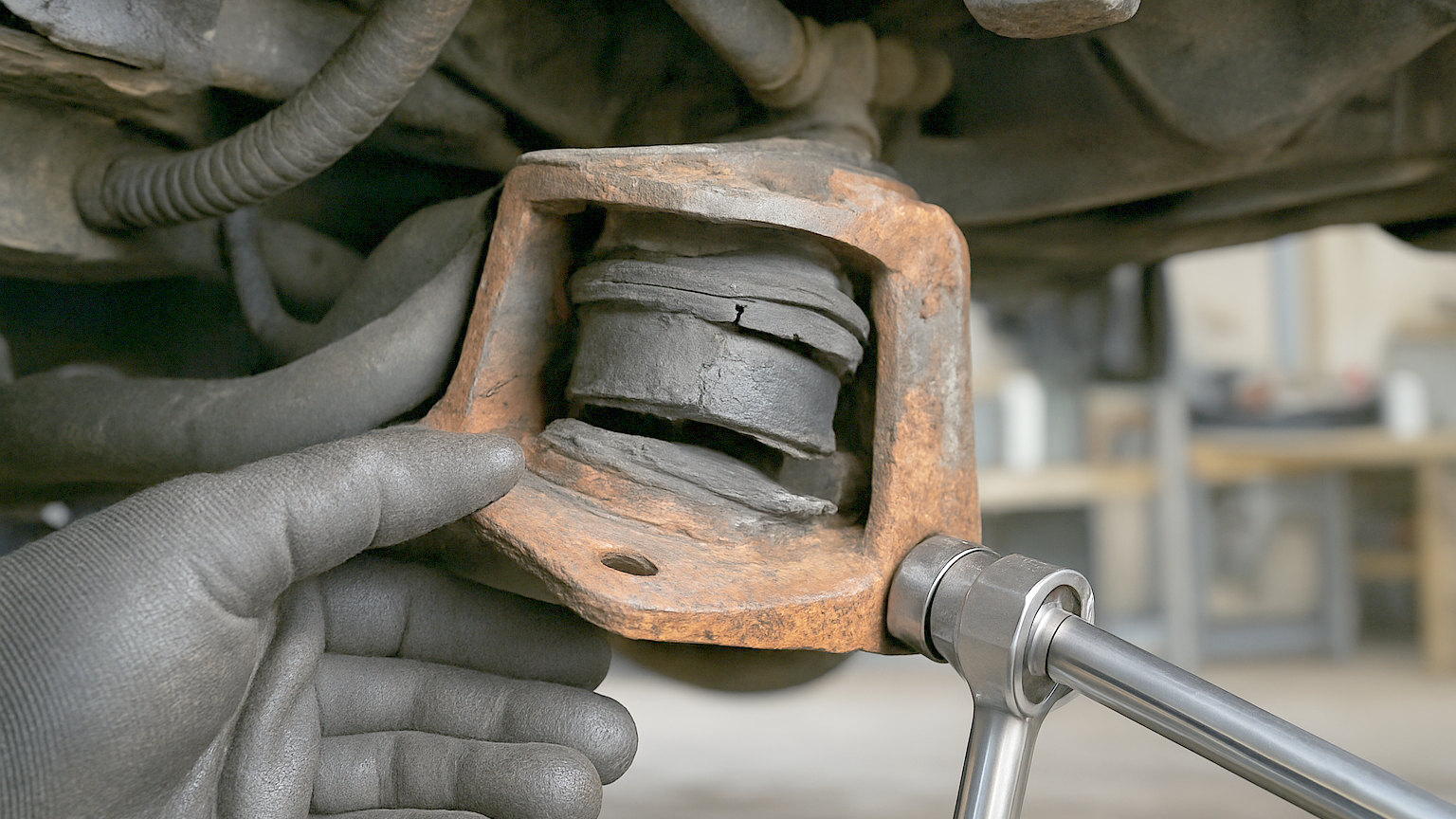
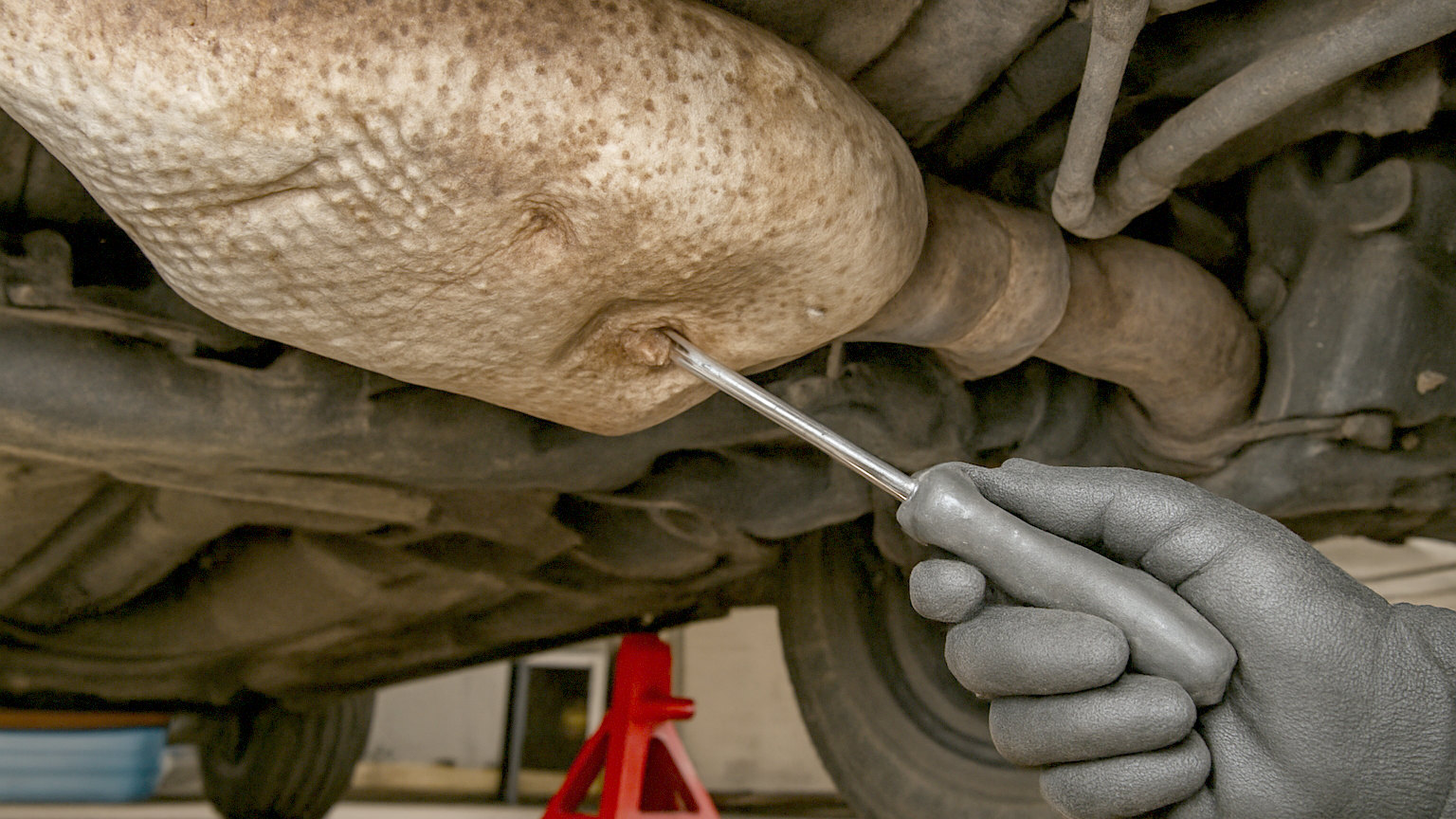
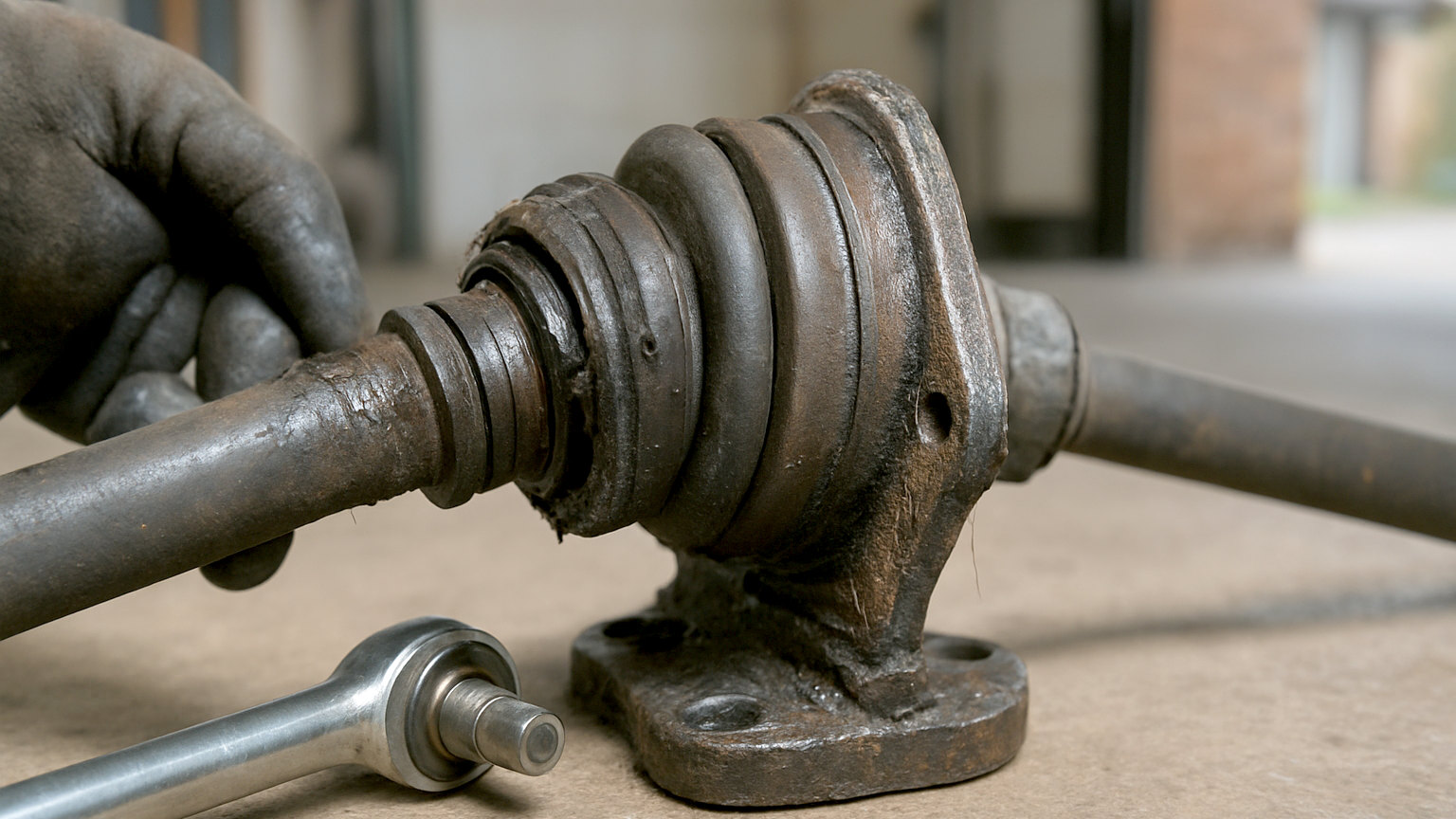
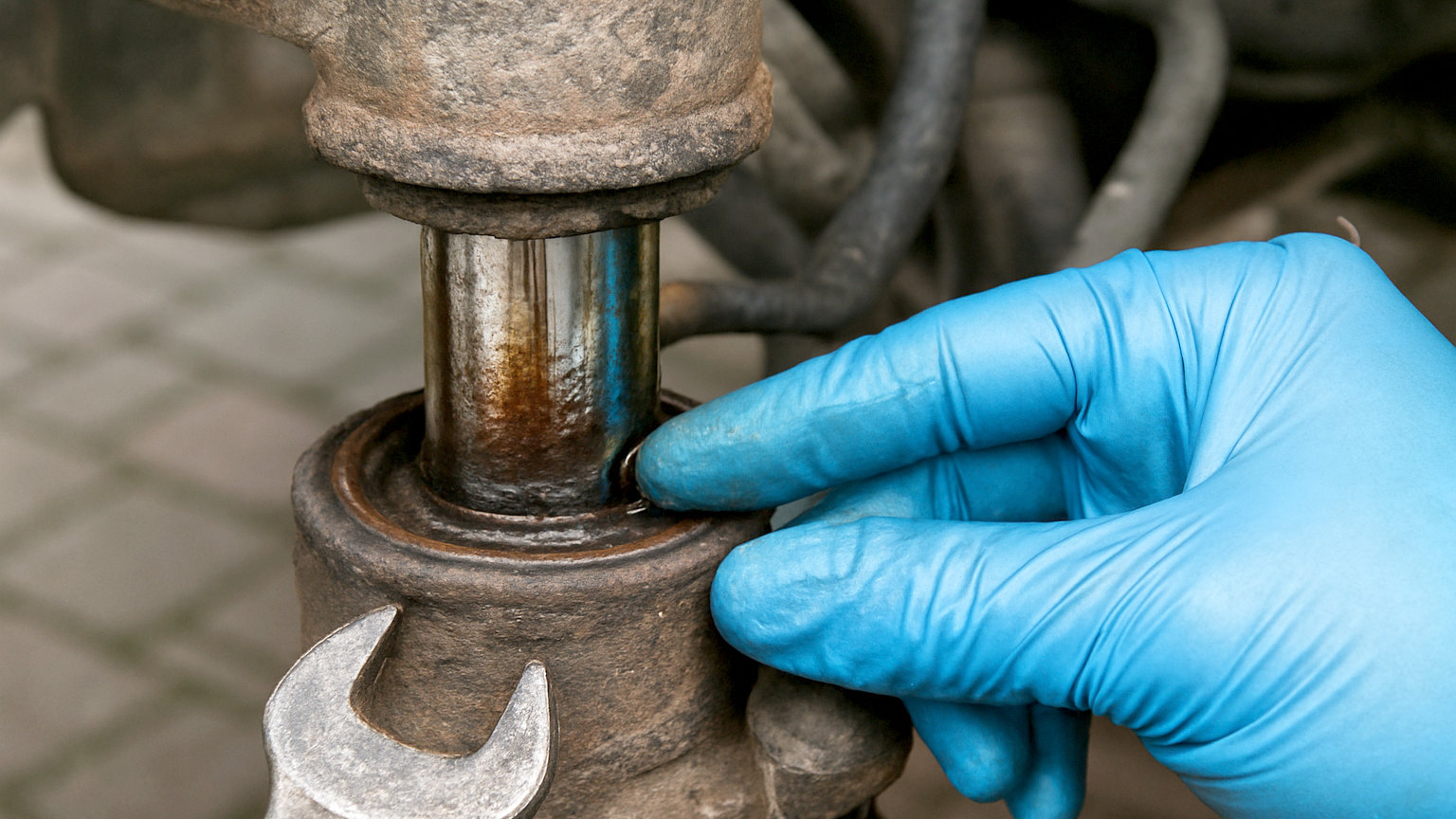
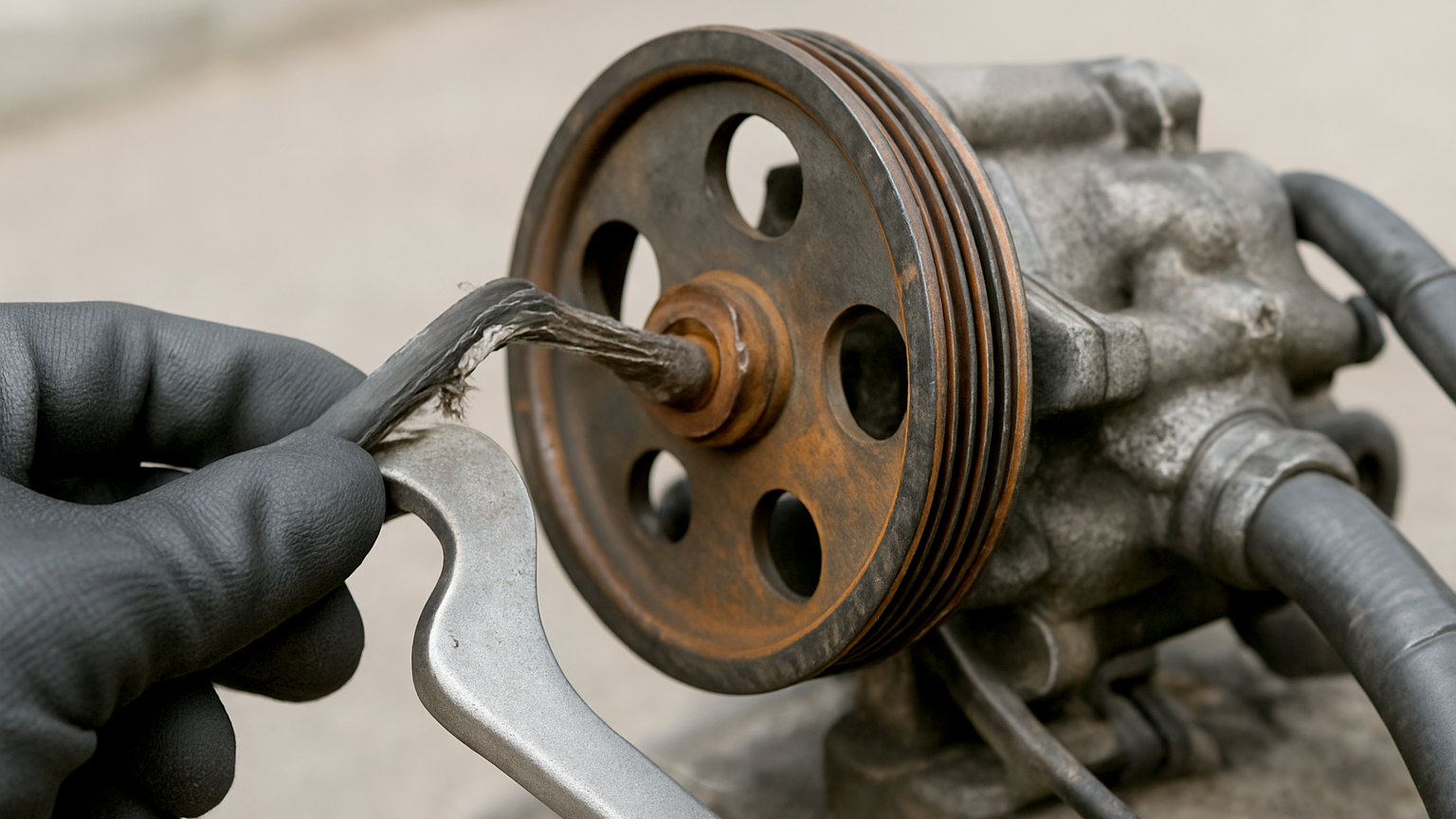
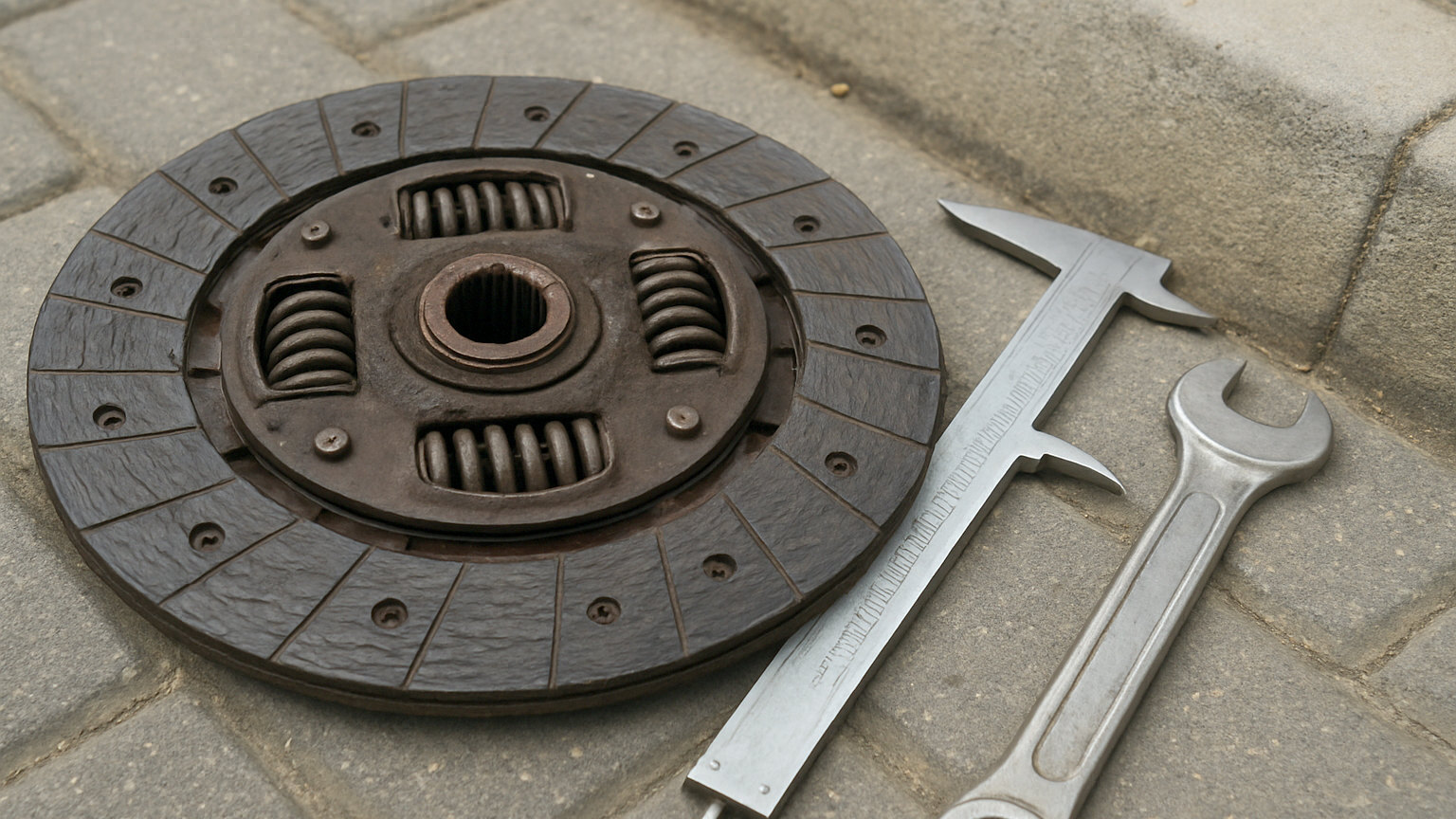
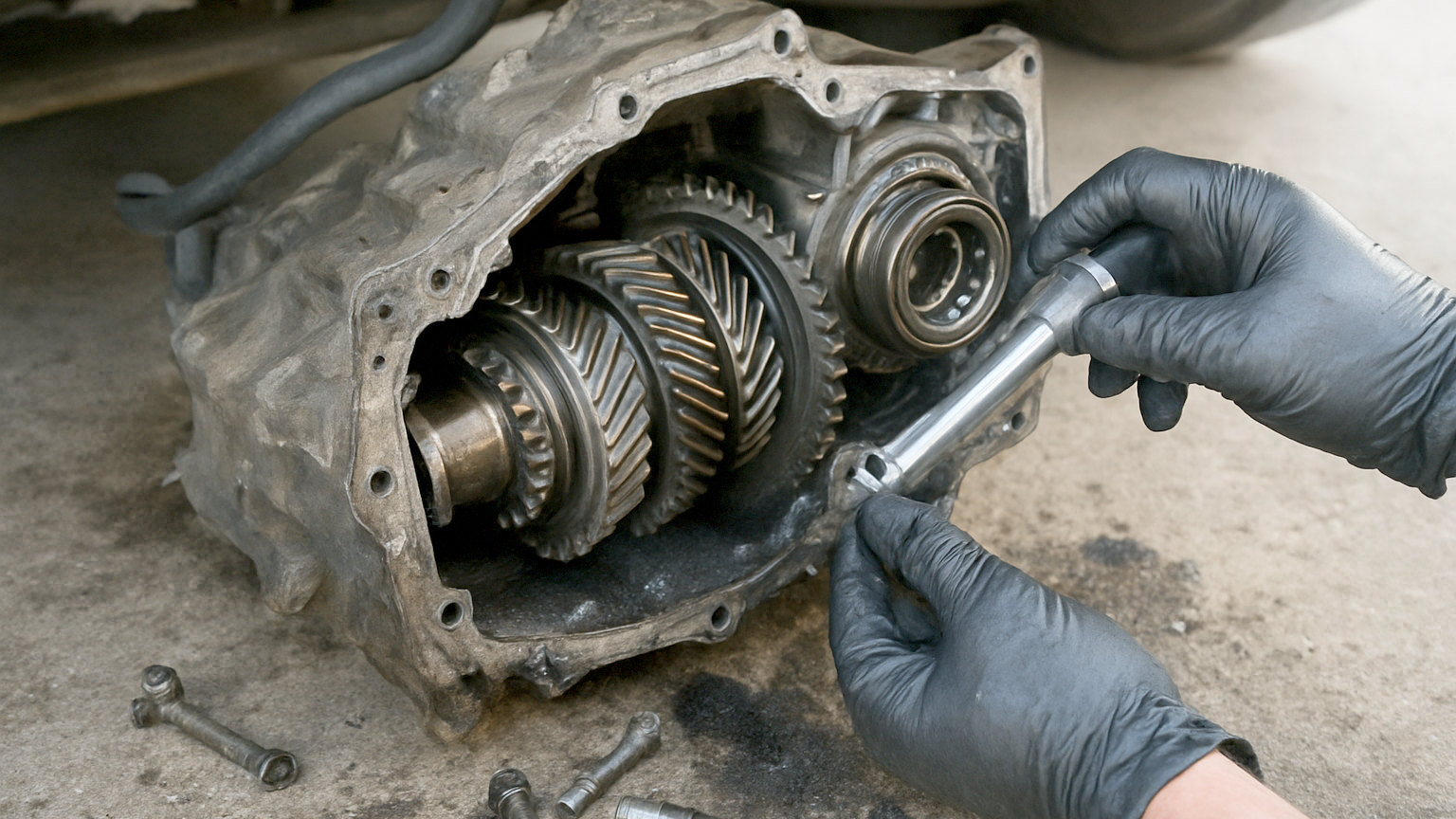
This is everything between the engine and the road: the gearbox, the clutch, the steering and the suspension. It is also where symptoms travel furthest from their cause, which is why a vibration felt through the steering wheel so often turns out to have nothing to do with the steering. These guides start with where and when you feel the problem - at a particular speed, only under braking, only on full lock - because that pattern narrows the cause faster than any parts list, and it is the same thing a decent mechanic will ask you first.
Jerking under acceleration means power is arriving unevenly, and the rev counter usually tells you whether the engine or the transmission is responsible.
A whine that follows road speed rather than engine speed is coming from the transmission, and which gears it appears in narrows it further.
By Car Problems Team19 Jan 2026
Newsletter
One fault, explained properly, most weeks
A new guide most weeks across starting problems, warning lights, noises and the things that go wrong with age - plus the seasonal ones, because batteries, tyres and heaters all pick their moment.