
Persistent leaks and flood damage are two quite different things, and they are frequently confused. A car that lets water in through a blocked drain is a repair job that no insurer will be involved in. A car that has been submerged is a different matter entirely, and it is one of the more consequential things to check when buying used.
Is a leak covered by insurance?
Generally not, since it is a maintenance and wear issue rather than accidental damage. Motor policies cover sudden and unforeseen events, not a seal that has perished or a drain that has blocked. Where a leak results from accident damage or from work carried out badly by a garage, the position is different and worth pursuing.
What happens with flood damage?
Insurers treat it seriously because water reaching the electrics, the interior and sometimes the engine causes problems that emerge over months rather than immediately. A car that has been submerged above the sills is frequently written off even where it appears to run, since the long term reliability of corroded connectors and soaked modules cannot be guaranteed.
What are the write off categories?
Categories describing whether a vehicle is repairable and whether it may return to the road. The distinction that matters to a buyer is between structural and non structural damage, and whether the car has been repaired to a proper standard. A flood damaged car may be recorded under a non structural category despite having very extensive electrical damage.
How do you spot a flood damaged car?
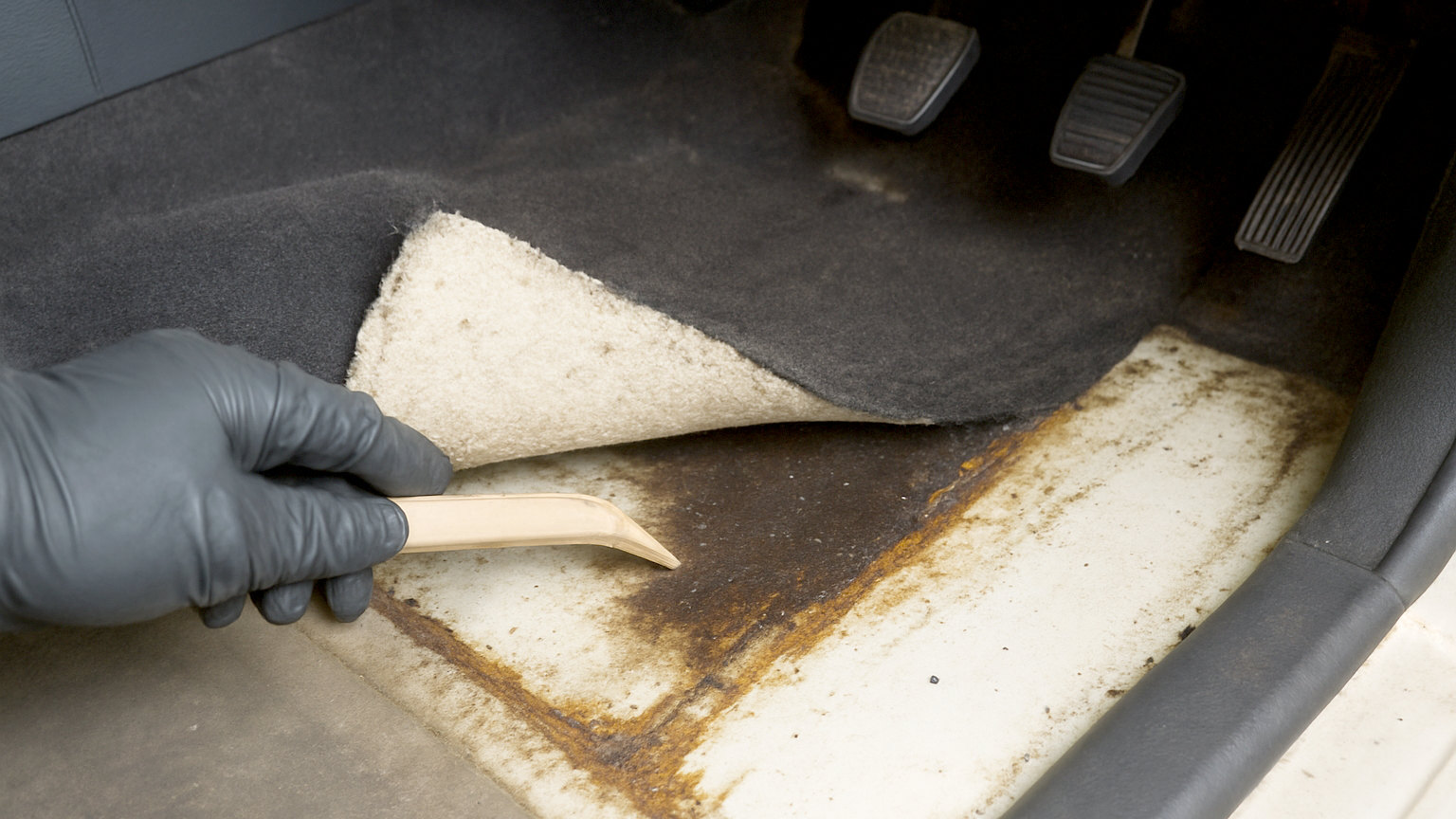
Lift the carpets and check the underlay, and look under the spare wheel. Look for silt or a tide mark in the boot well, under the seats and inside the doors. Check for corrosion on seat rails, seat belt mechanisms and screw heads in the footwells. A musty smell that persists after the car has been aired is a strong indicator.
What else gives it away?
Mismatched or unusually new carpets in an older car. Fogging inside light units. Corroded connectors visible under the dashboard. Electrical faults that come and go. And a vehicle history check, which is worth doing on any used purchase and which will usually reveal an insurance write off record.
Why does it matter so much?
Because water damage to electronics is progressive. A connector that got wet a year ago may work perfectly today and fail next winter as corrosion advances. Modules that survived initially fail later. Buying a flood damaged car frequently means a sequence of expensive and confusing faults, which is why they are discounted so heavily.
Should you ever buy one?
Only with a clear understanding of what was done, at a price reflecting the risk, and ideally where the water was clean rather than salt or sewage. Salt water is considerably more damaging. For most buyers the sensible answer is to walk away, since the saving rarely compensates for the uncertainty.
What about declaring a leak when selling?
A known leak should be disclosed, since a buyer discovering a soaked carpet shortly after purchase has a legitimate complaint and misdescription can be actionable. Fixing it properly beforehand is usually the better route commercially, since a damp smell reduces the price by more than the repair would have cost.
What should a buyer do?
Lift the carpets, check the spare wheel well, smell the car after it has been closed up overnight, and run a history check. Those four steps take very little time and they identify both a current leak and a past flood. On any car being viewed in dry weather, they matter more rather than less.
A car that has been valeted immediately before viewing deserves particular attention, since a fresh fragrance is an easy and inexpensive way to disguise a damp interior for the hour or so you spend looking around it.
Asking directly whether the car has ever suffered water ingress is worth doing as well, since a straight question sometimes produces a straight answer and it establishes what was said if a problem emerges later.


