
A car whose clock returns to a default time and whose radio presets disappear is telling you something quite specific: the system has lost power completely at some point. Infotainment units retain settings on a permanent supply that stays live with the ignition off, and losing that supply, even momentarily, resets everything.
What is a permanent live?
A supply that remains connected regardless of the ignition position, feeding the memory in modules that need to retain settings. The clock, radio presets, seat memories and various learned values all depend on it. It is separate from the switched supply that turns the system on, which is why a car can play the radio perfectly and still forget everything overnight.
What causes it to be lost?
A battery that is failing and dropping below the voltage modules need, particularly overnight in cold weather. A loose or corroded battery terminal that breaks contact momentarily over a bump. A poor earth connection. A failing fuse contact. Or a wiring fault in the permanent supply circuit itself, which is the least common of the four.
Is the battery the usual answer?
Frequently, and it is worth testing before anything else. A battery that has lost capacity can hold enough charge to start the car while falling below the threshold modules need during a cold night. The symptom often appears in winter and improves in spring, which is a strong indication that the battery rather than the wiring is at fault.
How do you check the terminals?
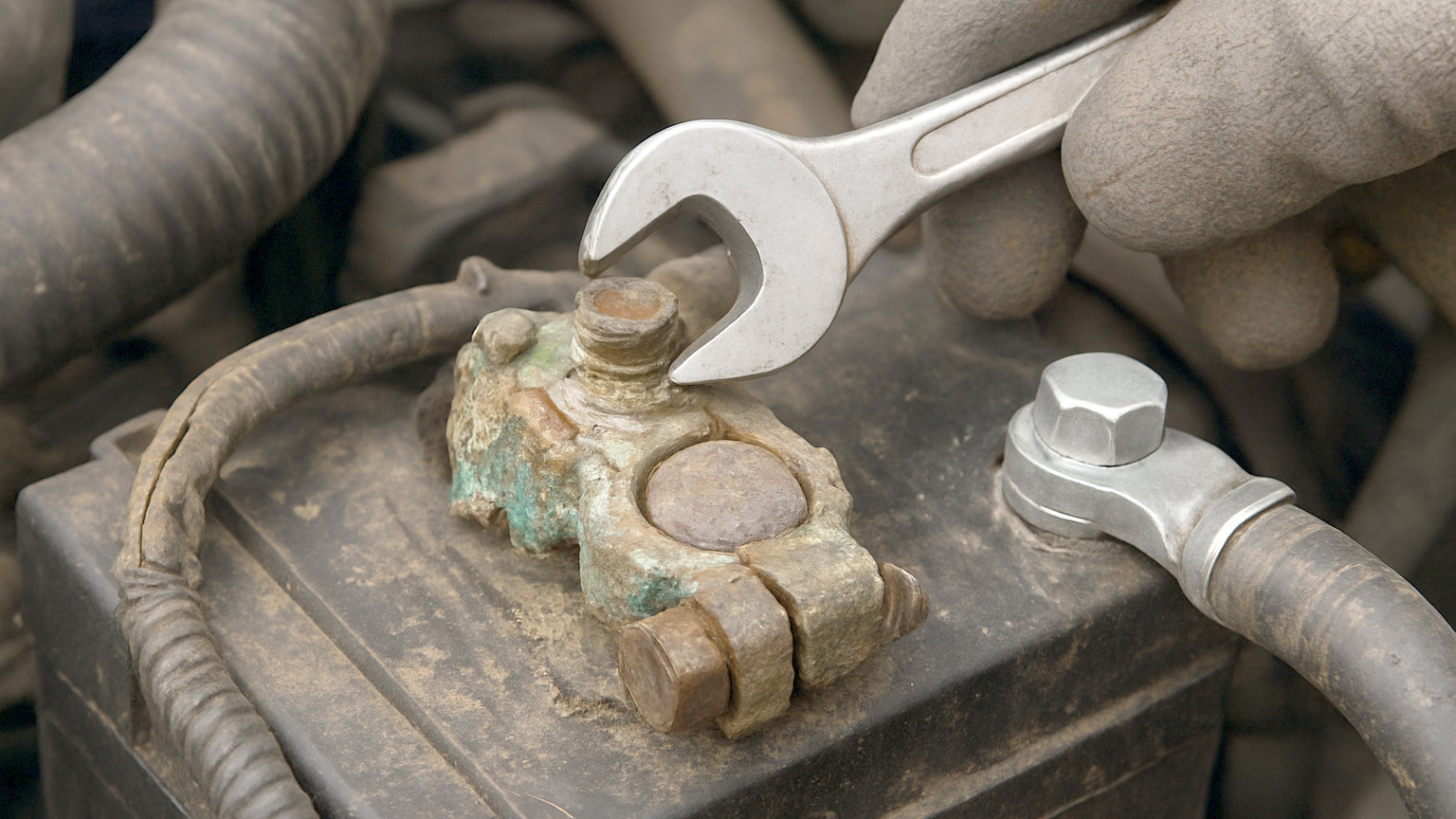
By trying to twist each one by hand with the ignition off. Any movement at all means it is not tight enough. Corrosion around the posts, visible as a white or green powder, adds resistance and should be cleaned off with the terminals removed. It is a five minute job and it resolves a meaningful proportion of these complaints.
Does it happen after other work?
Frequently, if a fuse was removed or a connector disturbed and not seated properly. A fuse that is not making firm contact in its holder produces exactly this intermittent loss. If the symptom began shortly after any electrical work, checking that the fuses and connectors in that area are properly home is the obvious first step.
Do other symptoms appear alongside?
Usually. A car losing its permanent supply also loses window one touch calibration, seat memories, and sometimes the transmission adaptations, which produces harsh shifting for a while afterwards. Several of those appearing together confirms a supply problem rather than a fault in the radio itself.
Will the radio need a code?
On some older cars, yes, and it is worth locating the code before investigating further. It is often on a card in the service book or stored on a label. Modern systems generally do not require one, since they are paired to the vehicle electronically rather than protected by a code the owner has to keep.
How urgent is it?
More than the inconvenience suggests. A battery weak enough to reset the electronics is close to leaving you stranded, and repeated low voltage events are hard on modules. Treating a resetting clock as an early warning of a battery approaching the end of its life is the sensible reading, rather than as a curiosity about the radio.
What should you check in order?
Battery condition first, since it is the most likely answer and a test is quick and often free. Then the terminals and earth connections for tightness and corrosion. Then any fuse in the permanent supply circuit. Only when those are clear is it worth looking for a wiring fault, which is the least common of the four and the most time consuming to trace.
Noting whether it happens only after the car has stood overnight, or after every single journey, is useful information since the first points at the battery losing capacity and the second at a loose connection somewhere.


