
An engine that spins over strongly and evenly has already answered the two easiest questions for you. The battery has enough power and the starter motor is doing its job, which removes the most common no-start causes from the list entirely. What remains is a shorter and more interesting list: the engine is not getting fuel, it is not getting a spark, or it is not being told when to deliver either of them.
How do you tell whether fuel is reaching the engine?
Turn the key to the position just before cranking and listen for two or three seconds of buzzing from the rear of the car or under the back seat. That is the fuel pump pressurising the rail, and on most cars it happens every time the ignition is switched on after a period of rest. Complete silence there suggests a failed pump, a pump relay, or the fuse that feeds it, all of which produce a car that cranks endlessly and never catches.
There is also a much simpler cause that dignity prevents people from checking. Fuel gauges fail, senders stick, and a car that reads a quarter full can genuinely be empty. If the car has recently been filled and refused to start straight afterwards, misfuelling is worth considering seriously before anything is dismantled.
What stops the spark on a petrol engine?
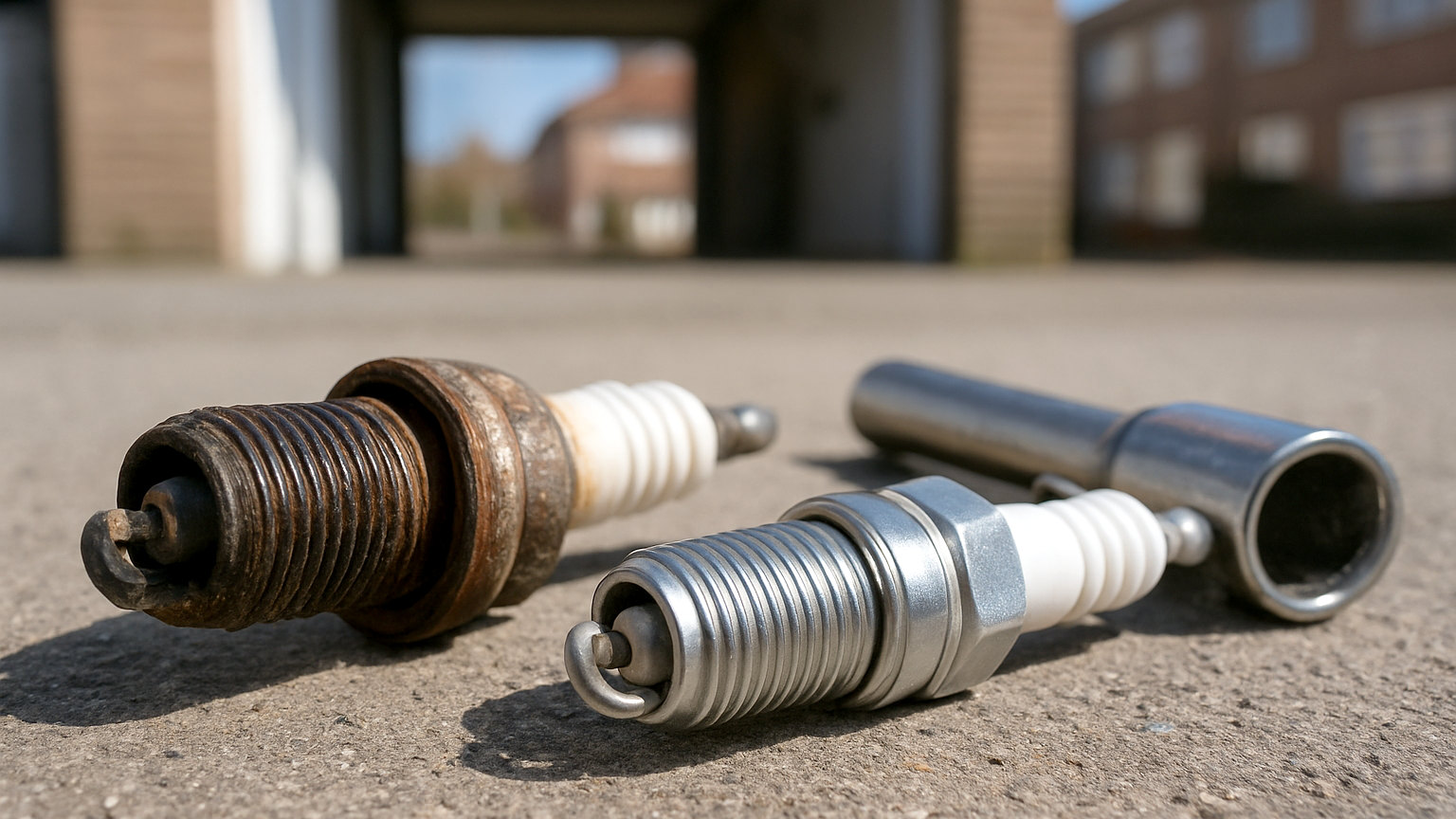
Petrol engines need a spark delivered at precisely the right moment, and modern ignition systems fail in ways that are invisible from outside. Coil packs can break down, though usually they take one cylinder at a time and cause a misfire rather than a total no-start. Spark plugs that are worn out or soaked with fuel after repeated failed attempts will refuse to fire until they are dried or replaced, which is why extended cranking often makes a bad situation worse.
Why do crank and cam sensors cause this exact symptom?
The crankshaft position sensor tells the engine management where the pistons are, and without that signal the system does not know when to inject fuel or fire the coils. The result is textbook: strong cranking, no firing, and frequently no warning light beforehand. Crank sensors are notorious for failing when hot and working again once the car cools, so a no-start that resolves itself after an hour by the roadside is a strong hint in that direction.
Cam sensors can produce similar behaviour, and on engines with a timing belt or chain, a component that has jumped a tooth will also present as strong cranking without firing. That last possibility is the serious one, and it often comes with a cranking noise that sounds different from usual, faster or smoother than the engine normally turns.
Which diesel faults look like this?
Diesels have no spark to lose, so cold starting depends on glow plugs heating the combustion chambers first. When they fail, the engine cranks well, produces clouds of white unburnt fuel, and either refuses to start or catches roughly and stumbles. Diesels are also unforgiving about air getting into the fuel system, which is why running one completely dry often means it will not restart on the key alone even after refuelling.
Could it be the immobiliser rather than the engine?
Many cars will crank normally with an unrecognised key while quietly refusing to fuel the engine, which produces a fault that feels mechanical but is not. Look for a key or padlock symbol on the dashboard, flashing rather than steady, and try the spare key before assuming the worst. A key with a failing transponder or a flat fob battery is a far cheaper explanation than a fuel pump.
What should you avoid doing?
Cranking repeatedly floods the cylinders, washes oil from the bores and flattens the battery, turning one fault into three. Limit attempts to about ten seconds with a rest between them, and if there is any sound of the engine turning faster or more freely than normal, stop entirely and have it looked at before the damage spreads.


