
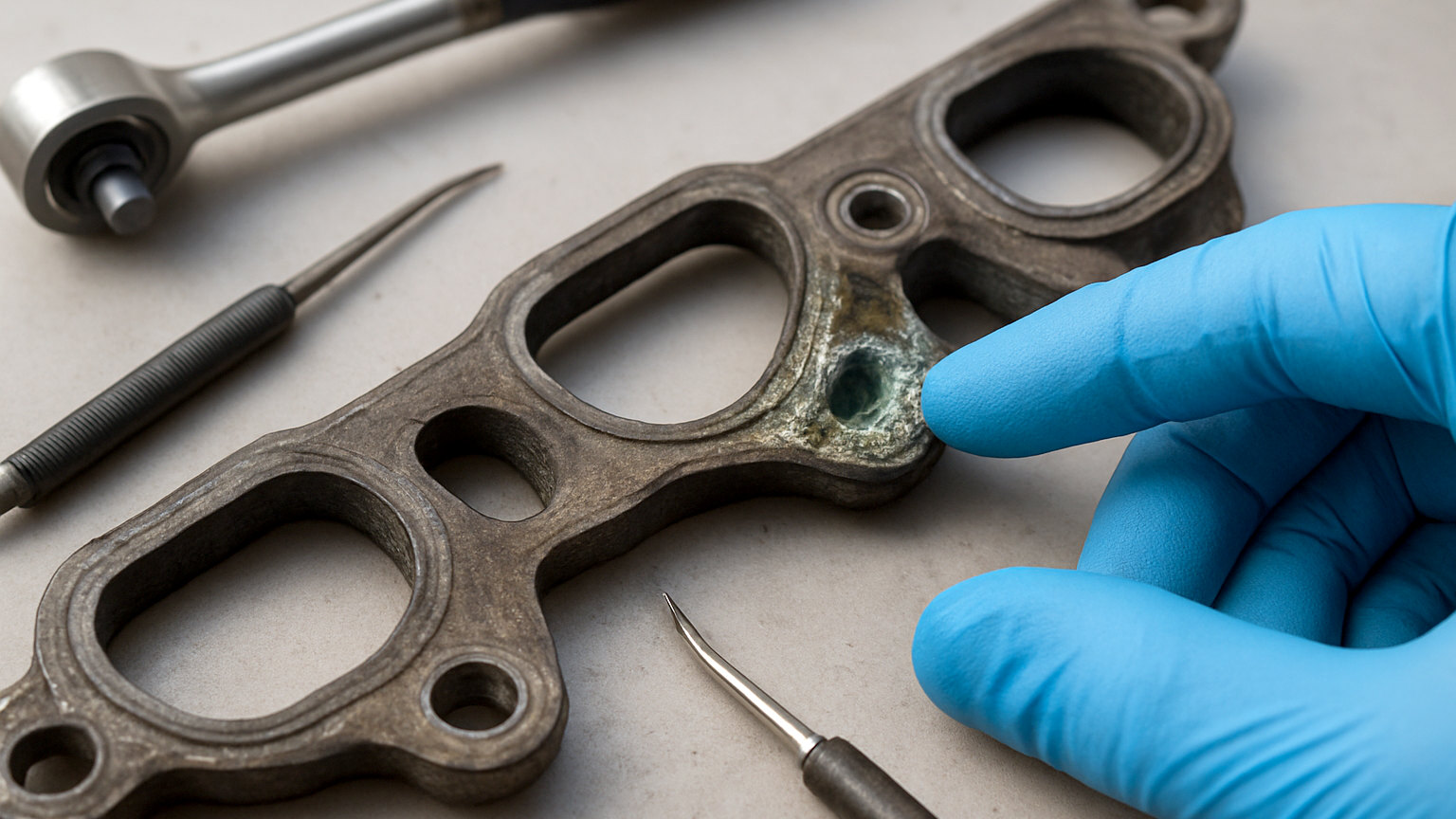
A smooth idle depends on every cylinder producing an equal contribution at very regular intervals. When one falls short, or when the mixture is inconsistent from one cycle to the next, the result is the shaking and uneven note that drivers describe as lumpy. Because idle is the lowest load an engine ever runs at, weaknesses show up there long before they affect anything else, which makes a rough idle an early warning rather than a nuisance.
Is one cylinder misfiring or is the whole engine unhappy?
This is the first distinction to make. A single misfiring cylinder produces a rhythmic, pronounced shake with a distinctive uneven beat, and usually stores a fault code naming that cylinder. An engine where all cylinders are running but running badly produces a more general roughness with no clear pattern. The first points at ignition, injection or compression on one cylinder; the second points at something affecting the whole engine such as an air leak or a fuelling fault.
What are the ignition causes?
Worn spark plugs are the most common cause of rough idle on a petrol engine and are frequently many thousands of miles overdue. Failing coil packs typically cause a misfire that comes and goes, often worse when cold or damp. On older engines, perished HT leads let the spark leak away, and this is often visible as faint arcing if you look at the engine bay in the dark with the engine running. All of these are inexpensive relative to the disruption they cause.
How do air leaks cause roughness?
Air entering after the airflow sensor is not measured, so the engine runs leaner than the management believes. At idle the total airflow is so small that even a modest leak represents a large percentage error, which is why an air leak that is undetectable at speed produces a rough and unstable idle. Split breather hoses, cracked intake ducting, a failed inlet manifold gasket and a leaking brake servo hose are the usual sources, and many are audible as a hiss.
What about fuel side causes?
Injectors that have partially blocked or that leak slightly deliver an uneven charge, which shows most clearly at idle when the quantities involved are tiny. Low fuel pressure has the same effect. On direct injection engines, carbon deposits on the inlet valves disturb airflow into the cylinder and are a well known cause of rough idling as mileage rises. These faults usually develop gradually, so the idle has often been slowly deteriorating for months before anyone acts.
Could it be mechanical rather than fuelling?
Yes, and this is where a compression test earns its money. A burnt valve, a worn valve seat, a failed head gasket between two cylinders or a jumped timing chain all produce a rough idle that no amount of plug changing will cure. The clue is usually that the roughness is present cold and hot, does not respond to any of the cheap fixes, and often comes with a loss of power. A compression test settles it in half an hour.
Is the engine actually rough or just shaking?
A useful distinction that saves a lot of wasted work. Worn or collapsed engine mounts transmit normal engine vibration into the body, so the car shakes at idle while the engine itself is running perfectly evenly. The clue is that the note sounds smooth even though the car does not feel it, and that the shaking is worse in gear at a standstill than in neutral. Mounts are a mechanical repair rather than an engine tuning problem.
Where should you start?
Have the codes read and the fuel trim values looked at, since those reveal whether the engine is compensating for a lean or rich condition. Check the plug replacement history. Listen for hissing and inspect the intake hoses. Those three steps cost very little and cover the majority of rough idle causes, and they give a garage far more to work with than an appointment booked for a car that runs a bit lumpy.


