
It feels like solid evidence. The radio plays, the interior light is bright, the dashboard lights up, so the battery must be fine and the problem must be something expensive. This is one of the most common false conclusions in motoring, and it leads to a great many perfectly healthy starter motors being replaced. Understanding why requires nothing more than knowing how much electricity each of those things actually uses.
Why do lights and radio prove so little?
A car radio draws a couple of amps. An interior light draws less than one. A set of headlights might draw ten. A starter motor turning a cold engine draws somewhere between one hundred and fifty and four hundred amps, which is a completely different order of demand. A battery with reduced capacity can comfortably run every small load in the car while being nowhere near capable of the enormous, brief surge the starter needs. Nothing you can hear or see on the dashboard tests that.
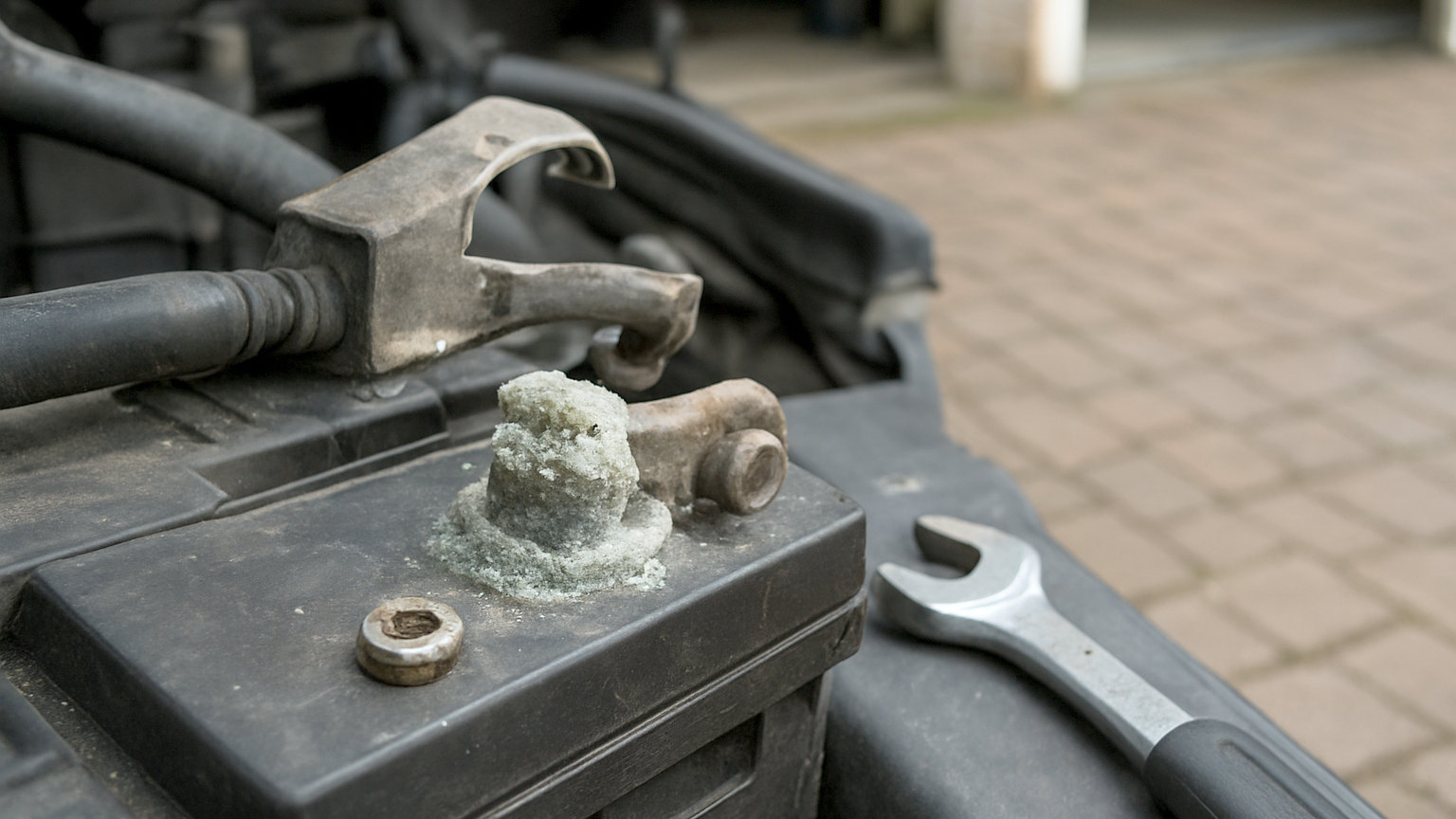
The same logic applies to corroded terminals and poor earth connections. A joint that has degraded to the point where it can only pass a few amps will happily power the radio and appear entirely normal, while completely failing to deliver what the starter requires. This is why cleaning terminals is always the first job, however healthy the electrics appear.
How can you test the battery properly?
The useful measurement is voltage under load, not voltage at rest, which is why garages use load testers rather than a simple meter reading. Without one, the practical version is to watch the dashboard lights as you turn the key: if they collapse the moment the starter is asked to work, the battery cannot sustain current under demand. Most garages and parts retailers will run a proper load test free of charge, and that removes all the guesswork in a few minutes.
What if the battery genuinely is fine?
If a load test passes and the terminals are clean, attention moves to the starter circuit. That includes the heavy cable from the battery to the starter, the solenoid, the motor itself, and the small trigger wire that comes from the ignition switch. It also includes the earth path, which returns current through the engine block and body straps. A fault anywhere in that loop produces exactly this symptom while leaving the radio unaffected.
Could the ignition switch be at fault?
Ignition switches wear internally, and they can continue supplying the accessory and ignition positions while failing to make the final connection that triggers the starter. The clue is usually a switch that feels different in the last few degrees of travel, or a car that starts if the key is wiggled or held in a particular position. On cars with a start button, the equivalent faults sit in the brake pedal switch or the clutch switch, both of which must be satisfied before the car will crank.
What about the immobiliser?
Security systems are designed to leave the car looking alive while preventing it from starting, so a working radio is entirely consistent with an immobiliser fault. Look for a key or car outline symbol on the dashboard, flashing rather than steady, and try the spare key. A transponder that has failed or a fob battery that has died will produce a car that seems perfectly healthy and refuses to do anything when the key is turned.
Where should you begin?
Clean the terminals, check the earth straps, try the spare key, and get a free battery load test before spending anything at all. Those four steps cost nothing and resolve the majority of cases where the radio works and the engine does not. Only when all four have come back clear is it reasonable to start thinking about the starter motor, and even then a garage should confirm it with a voltage drop test rather than replacing the part on suspicion alone. Working in that order costs nothing and prevents the most expensive mistake in this whole category of fault.


