
A car that jerks under acceleration is delivering power unevenly, and the first question is whether the engine is producing it unevenly or the transmission is transmitting it unevenly. Those are separate problems with separate repairs, and there is a straightforward way to tell them apart from the driving seat before anybody looks under the bonnet.
What does the rev counter tell you?
A great deal. If the revs jerk in sympathy with the car, rising and falling with each surge, the engine is producing power unevenly. If the revs rise smoothly while the car surges, or flare briefly without the speed following, something between the engine and the wheels is slipping or engaging unevenly. Watching the needle during the fault is the single most useful observation available.
What are the engine side causes?
A misfire is the most common, from worn spark plugs, a failing coil pack or a blocked injector, and it usually comes with a fault code naming the affected cylinder. Fuel delivery problems produce jerking that is worse under load, whether from a blocked filter, a weakening pump or an air leak drawing unmetered air into the intake. On turbocharged cars, a boost leak or a sticking turbo actuator produces surging under acceleration.
What are the transmission side causes?
On a manual, a clutch that is slipping or juddering, or a worn dual mass flywheel. On an automatic, worn clutch packs, degraded fluid, a failing solenoid or a torque converter lock-up clutch that is not engaging cleanly. On a dual clutch gearbox, clutch wear or adaptations that have drifted. Each produces a jerk that is unrelated to how smoothly the engine itself is running.
Does the engine management light help?
Enormously, and it should always be read rather than assumed. A stored code naming a cylinder points straight at ignition or injection. A code relating to fuel trims points at air leaks or fuelling. A transmission code points the other way entirely. Even where no light is showing, misfire counters and freeze frame data are recorded and worth asking for.
Is it worse in a higher gear?
A useful test. Accelerating in a high gear from low revs puts the engine under maximum load, which reveals both misfires and clutch slip. If the revs climb faster than the speedometer during that test, the clutch or the transmission is slipping. If the car shudders while the revs and speed rise together, the engine is misfiring. It takes one quiet stretch of road.
Could it be something outside both?
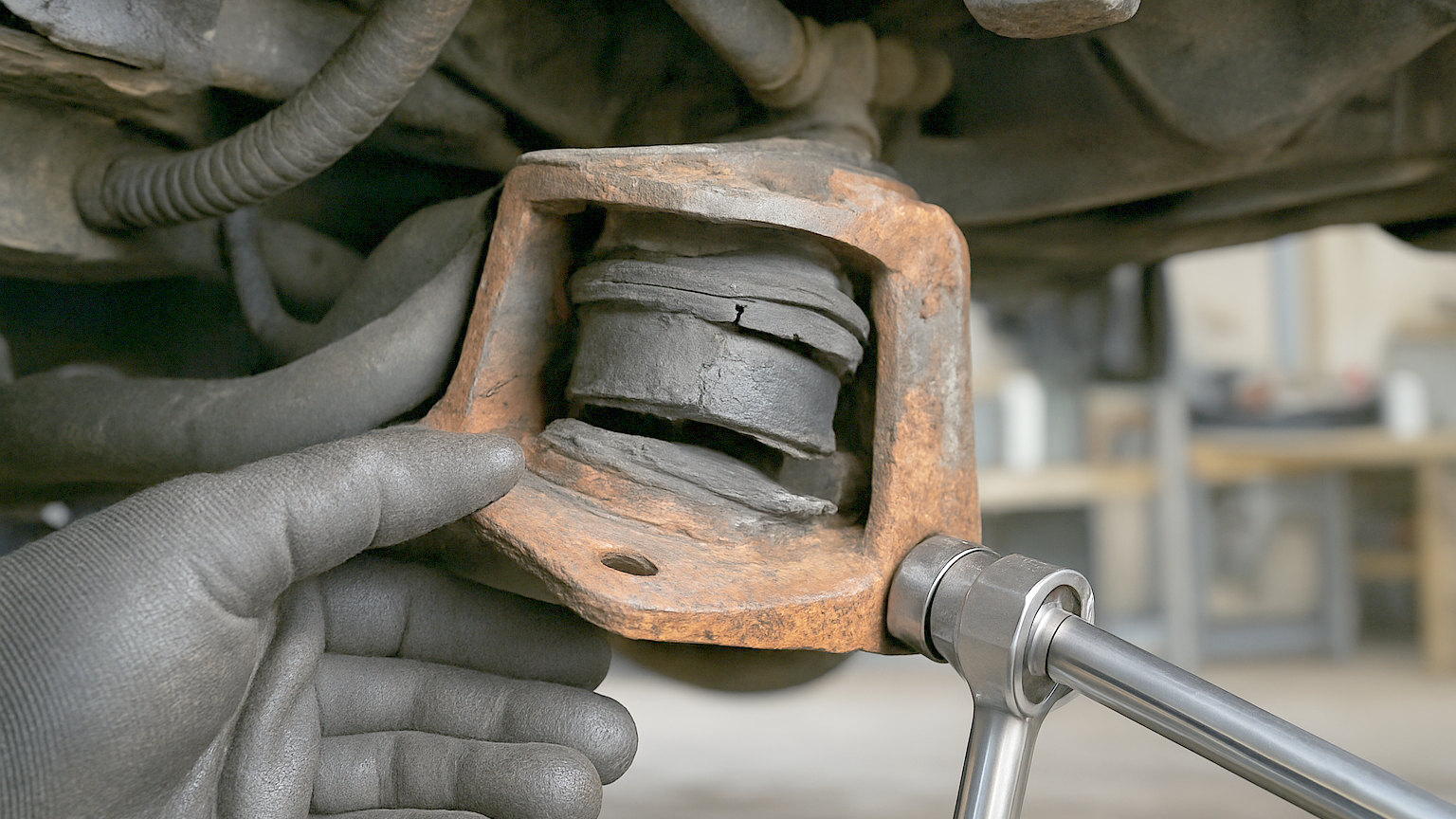
Occasionally. Worn engine or gearbox mounts allow the powertrain to move as torque is applied, producing a shudder that feels like a driveline fault. A worn inner driveshaft joint produces vibration under acceleration that eases when you lift off. A dragging brake makes a car feel as though it is fighting itself. All are worth eliminating since all are cheaper than the alternatives.
Does the fuel matter?
It can, and it is worth considering if the problem began within a tank of an unfamiliar forecourt. Contaminated or water affected fuel produces misfiring and jerking under load, and on a diesel it can damage the injection system. Running the tank down and refilling somewhere busy is inexpensive and occasionally resolves the whole complaint before any diagnosis is needed.
What should you check first?
Have the fault codes and fuel trims read even if no light is showing, check when the spark plugs and fuel filter were last replaced, and do the high gear test to establish whether anything is slipping. Those three steps cost very little and they separate the engine from the transmission, which is the distinction that determines everything that follows.
Is it safe to keep driving?
In the short term usually, with one important exception. If the engine management light is flashing rather than steady, a misfire severe enough to damage the catalytic converter is happening, and driving on will add the cost of a converter to the original repair. Reduce power, keep the journey short and get it looked at rather than continuing normally.


