
Trying to locate a car noise by listening for direction is one of the least productive things you can do, because sound travels through the structure of a car and emerges somewhere quite different from where it started. A noise from a rear wheel bearing frequently sounds as though it is coming from the front passenger footwell. What actually locates a noise is the set of conditions that produce it.
Does it follow road speed or engine speed?
This is the first and most valuable question, and it is answered in thirty seconds. Reach a speed where the noise is clear, then select neutral and coast. A noise that continues unchanged while the engine drops to idle is road speed related, which points at wheels, tyres, bearings, brakes or the driveline. One that fades with the revs belongs to the engine or something it drives. Almost every subsequent question depends on which of those two you have.
Does it change when you turn?
A noise that alters as the car is loaded to one side in a gentle sweeping curve usually indicates a wheel bearing, since cornering transfers weight onto or off the failing side. A clicking that appears only at full lock under power points at an outer driveshaft joint. A creak or knock when turning at low speed suggests a top mount or a steering component. Turning is one of the most informative tests available and it needs nothing more than a quiet road.
Does it happen over bumps?
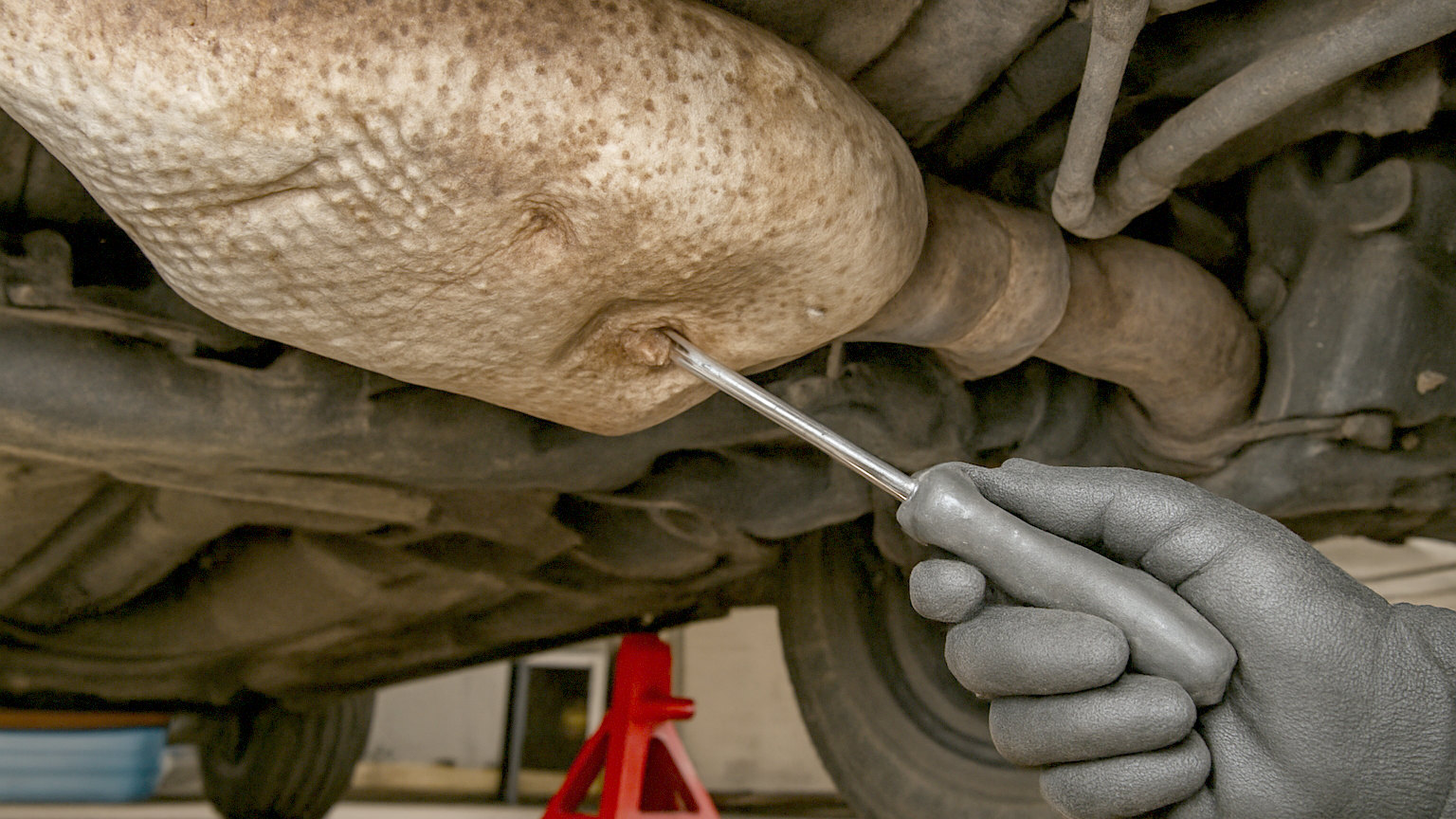
Noises that appear only over uneven surfaces are suspension or loose components, because they need movement to produce them. A sharp metallic knock suggests drop links or ball joints, a duller thud suggests bushes, and a rattle that sounds hollow is often a heat shield or an exhaust mounting. Driving slowly over a speed bump with the windows down, approaching at a slight angle so one wheel crosses at a time, usually identifies the corner.
Does braking or accelerating change it?
A noise present only under braking is a brake noise by definition, and the same logic applies to acceleration, which loads the driveline and the engine mounts. A noise that appears when you lift off but not when you accelerate is worth noting particularly, since that reversal of load reveals play in joints that a static inspection can easily miss. Testing the same road speed under power and on a trailing throttle separates these cleanly.
Is it there when the car is stationary?
A noise audible with the car parked and the engine running eliminates everything connected to the wheels immediately. That includes belt driven components, exhaust rattles, engine mounts and anything resonating in the engine bay. Turning the steering lock to lock while stationary adds top mounts and power steering to the list of things you can test without moving.
Does temperature or weather affect it?
Noises that appear only when cold and disappear once warm usually indicate clearances closing as metal expands, which points at exhaust manifold leaks, engine internals or dry rubber components. Noises that appear in the wet suggest brake surface rust or electrical tracking. A pattern linked to temperature or weather is genuinely diagnostic and it is the sort of detail owners forget to mention.
Can you use a helper?
It is by far the most effective approach and it is free. Having a passenger listen from the rear seat, or standing outside while the car is driven slowly past on a quiet road, resolves front from rear far better than anything you can judge from the driving seat. For engine bay noises, a second person operating the throttle while you listen with the bonnet up, standing well clear of the belts and fan, is equally useful.
What should you record?
The speed, the conditions, whether it follows road or engine speed, what you were doing when it appeared, and anything that changed shortly beforehand such as a service, new tyres or a kerb impact. A short video with a phone captures the noise itself, which matters because faults have a habit of falling silent the moment a car is booked in and the mechanic goes out in it.


