
A gearbox that resists being put into gear feels like an expensive problem and frequently is not. The gearbox itself is only one of three things that must work correctly for a gear to engage cleanly, and the other two, the clutch and the selector linkage, are both cheaper and more likely. The pattern of which gears resist, and when, distinguishes them.
Why is the clutch the first suspect?
Because if the clutch does not fully disengage, the input shaft is still being driven by the engine, and asking the synchromesh to match speeds against engine torque is more than it was designed for. The classic sign is a car that goes into gear perfectly with the engine switched off and fights you with it running. That single test takes seconds and points straight at the clutch or its hydraulics.
What causes a clutch to drag?
Low fluid or air in the hydraulic system, a failing master or slave cylinder, a stretched or badly adjusted cable on older cars, or a worn clutch assembly. Hydraulic faults often show as a pedal that feels soft, sinks slowly to the floor, or has a biting point that has moved. Checking the clutch fluid level is a two minute job and worth doing before anything else.
How do worn synchros behave?
Synchromesh rings match the speed of the gear to the shaft before the teeth engage, and when they wear the gear resists or crunches as it goes in. The distinguishing feature is that it is speed dependent: a worn synchro allows a slow gentle change and objects to a quick one. Second gear is usually affected first, and downshifts are worse than upshifts because the speed difference is greater.
Why does first gear behave differently?
On many gearboxes first has no synchromesh at all, or a weaker arrangement, because it is normally selected from stationary. Difficulty getting into first while moving is therefore often normal rather than a fault. Difficulty getting into first at a standstill, with the car stopped and the clutch down, points at the clutch dragging rather than at the gearbox.
What does a linkage problem look like?
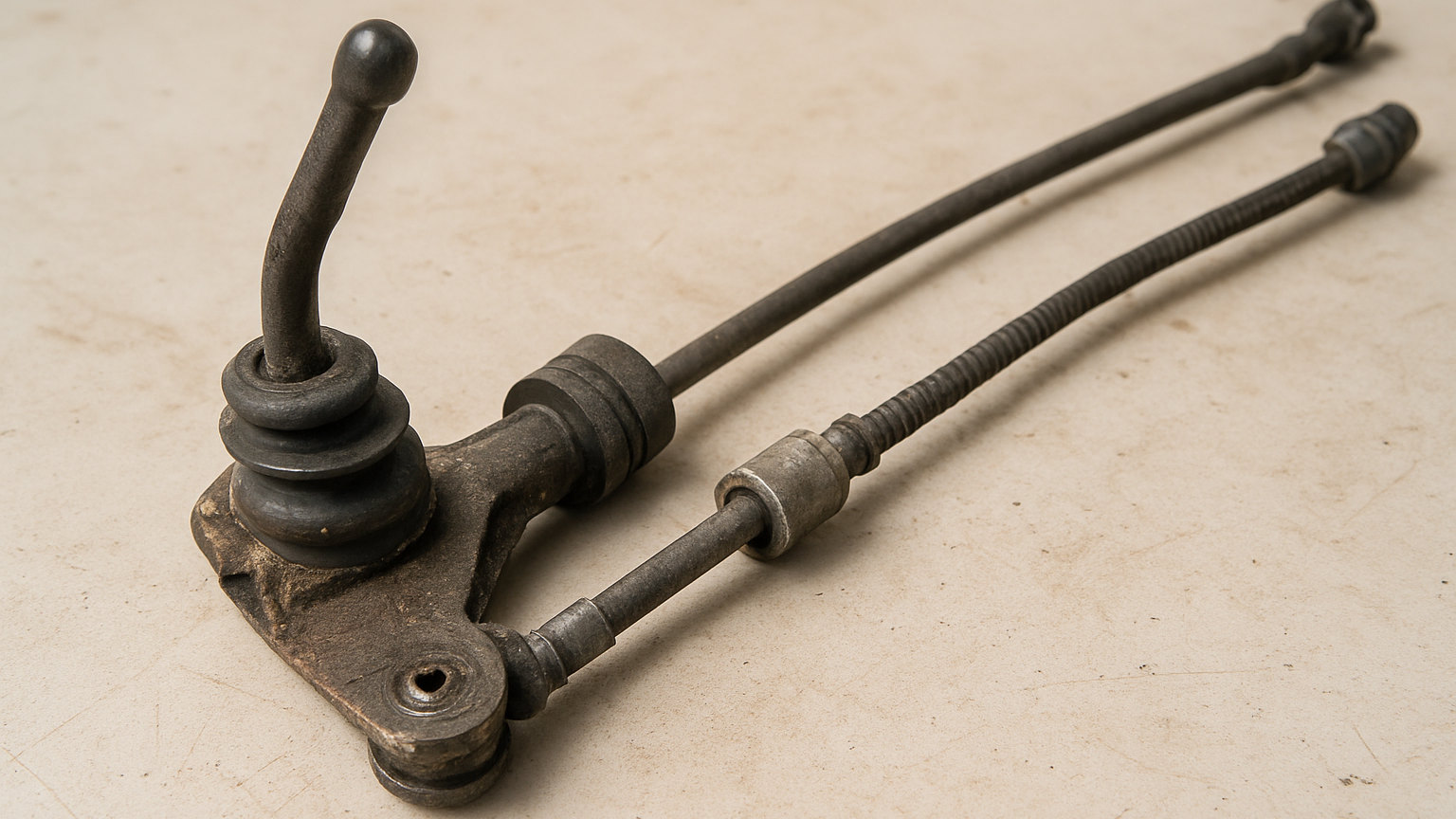
Vague, sloppy movement where the lever moves a long way before anything happens, or gears that are physically in the wrong place so reverse feels awkward and fifth is hard to find. Cable linkages stretch and their bushes perish. Rod linkages develop play at the joints. These faults affect selection across the whole gate rather than one particular gear, which is a useful distinction.
Can the oil be the cause?
Yes, and it is a common and inexpensive one. Gearbox oil that is old, low or of the wrong specification makes selection noticeably heavier, especially when cold. Some boxes are famously fussy about oil type, and using a general purpose gear oil where a specific synthetic is required produces stiff shifting within days. If the problem began after a service, that is where to look.
Does it being worse when cold mean anything?
It suggests oil or hydraulics rather than mechanical wear. Cold oil is thicker and slows the synchros, so a box that is stiff for the first mile and fine afterwards is usually telling you the oil is old or the wrong grade. Mechanical wear tends to be consistent regardless of temperature, and clutch hydraulic faults often worsen as things warm up rather than improve.
What should you check first?
Try selecting gears with the engine off, check the clutch fluid level and the pedal feel, and note precisely which gears resist and whether it is worse cold, hot, quick or slow. Those four observations separate a clutch hydraulic fault costing very little from a gearbox rebuild costing a great deal, and they take about five minutes to gather.
Is it safe to keep driving?
Usually in the short term, with the caveat that forcing gears against a worn synchro damages it further, and a clutch that is not disengaging is wearing at every change. If a gear becomes genuinely difficult to obtain, or if the car starts refusing to come out of gear, it should be looked at promptly rather than persevered with.


