What Is a Dual Mass Flywheel and Why Do They Fail?
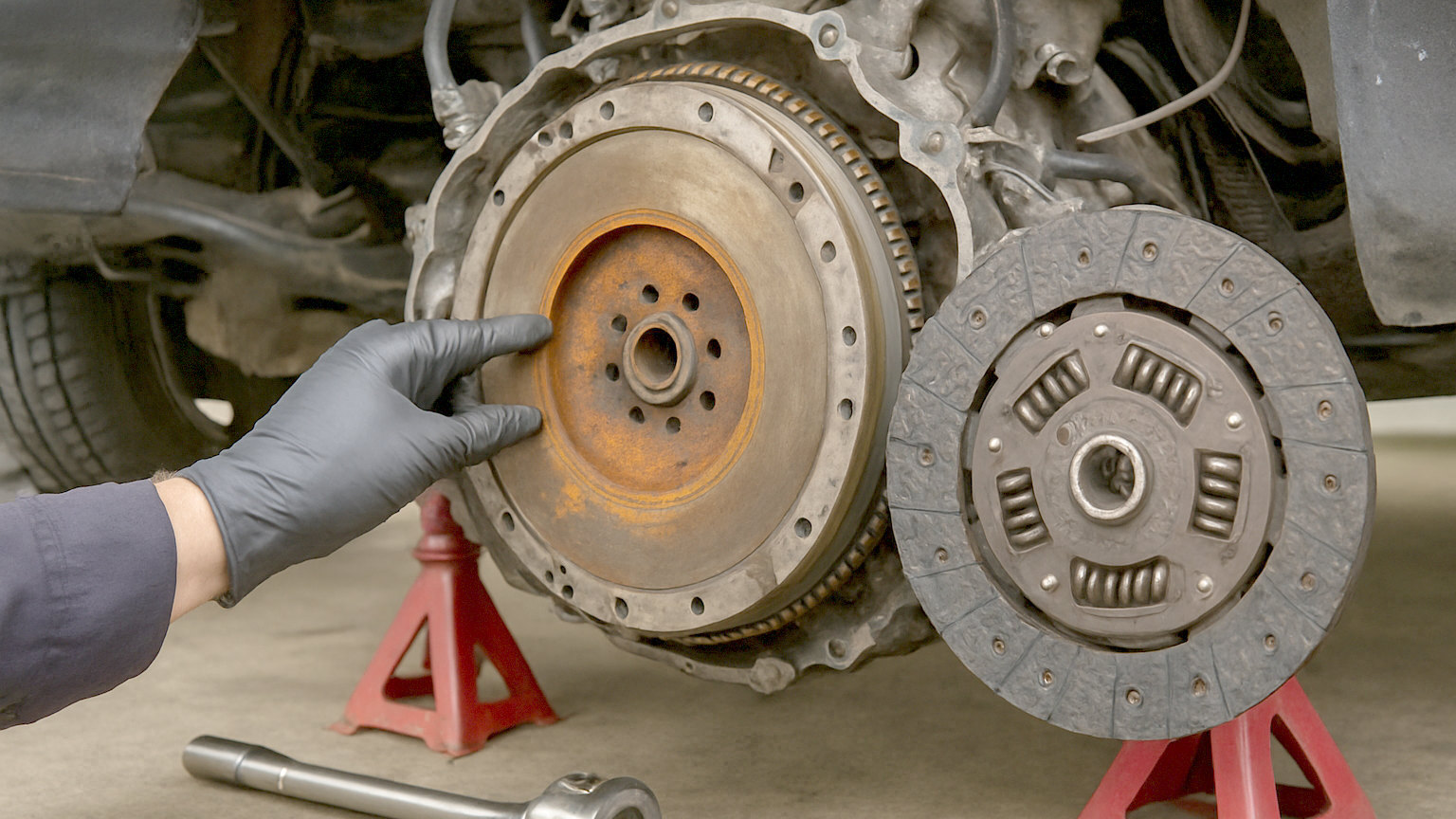
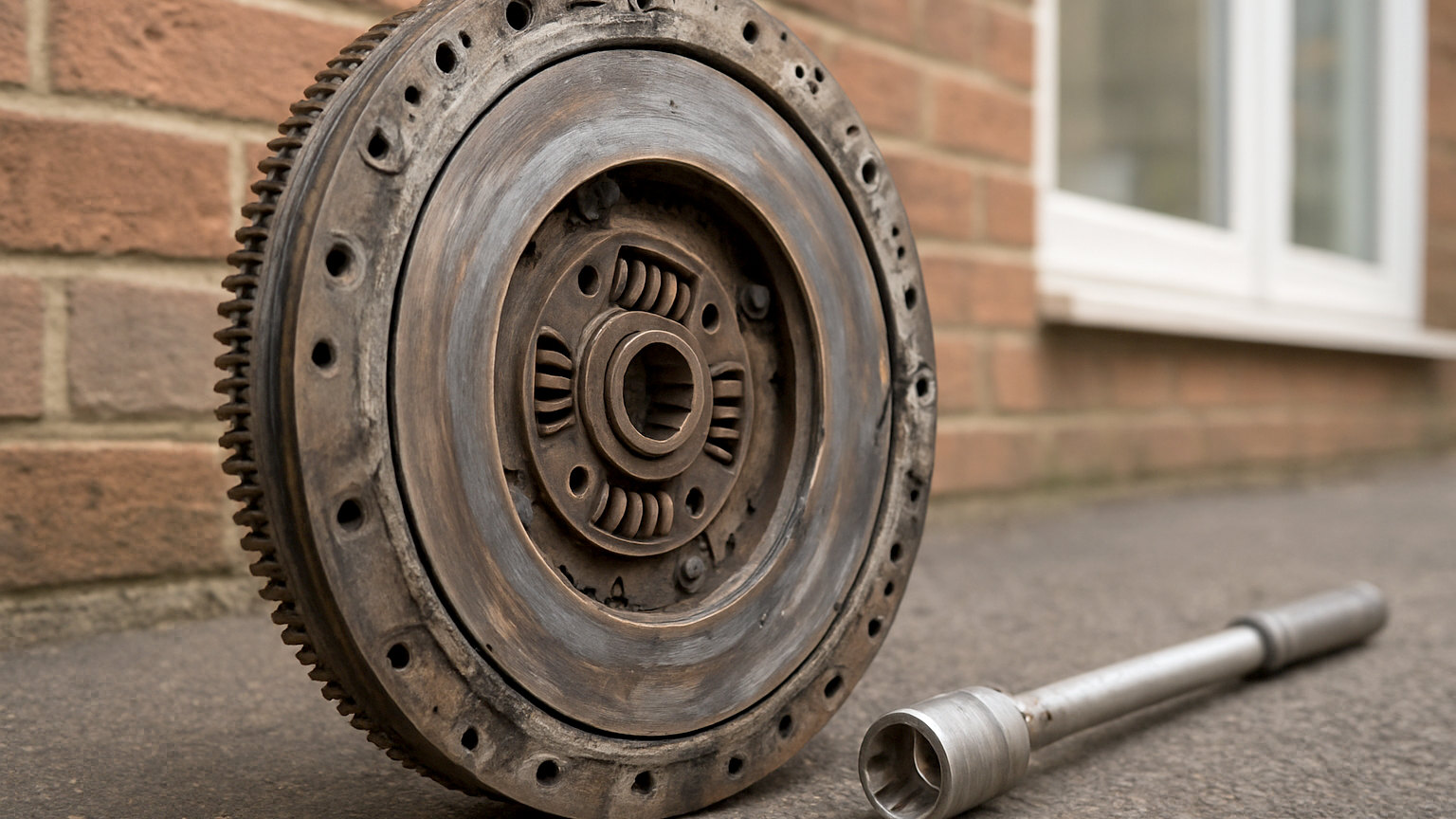
A dual mass flywheel absorbs the vibration modern diesels produce, and it does so using springs that wear out.
By Car Problems Team
24 Feb 2026

A slipping clutch, a high or spongy biting point, judder when pulling away and noises when you press the pedal - and how long you can leave it.
A dual mass flywheel absorbs the vibration modern diesels produce, and it does so using springs that wear out.
Whether a noise appears with the pedal up or down identifies which component is making it, and that distinction is nearly always decisive.
A shudder as the clutch takes up means something is gripping unevenly, and contamination or a failing flywheel are the usual reasons.
The direction the biting point has moved tells you whether the friction material is wearing or the hydraulics are failing.
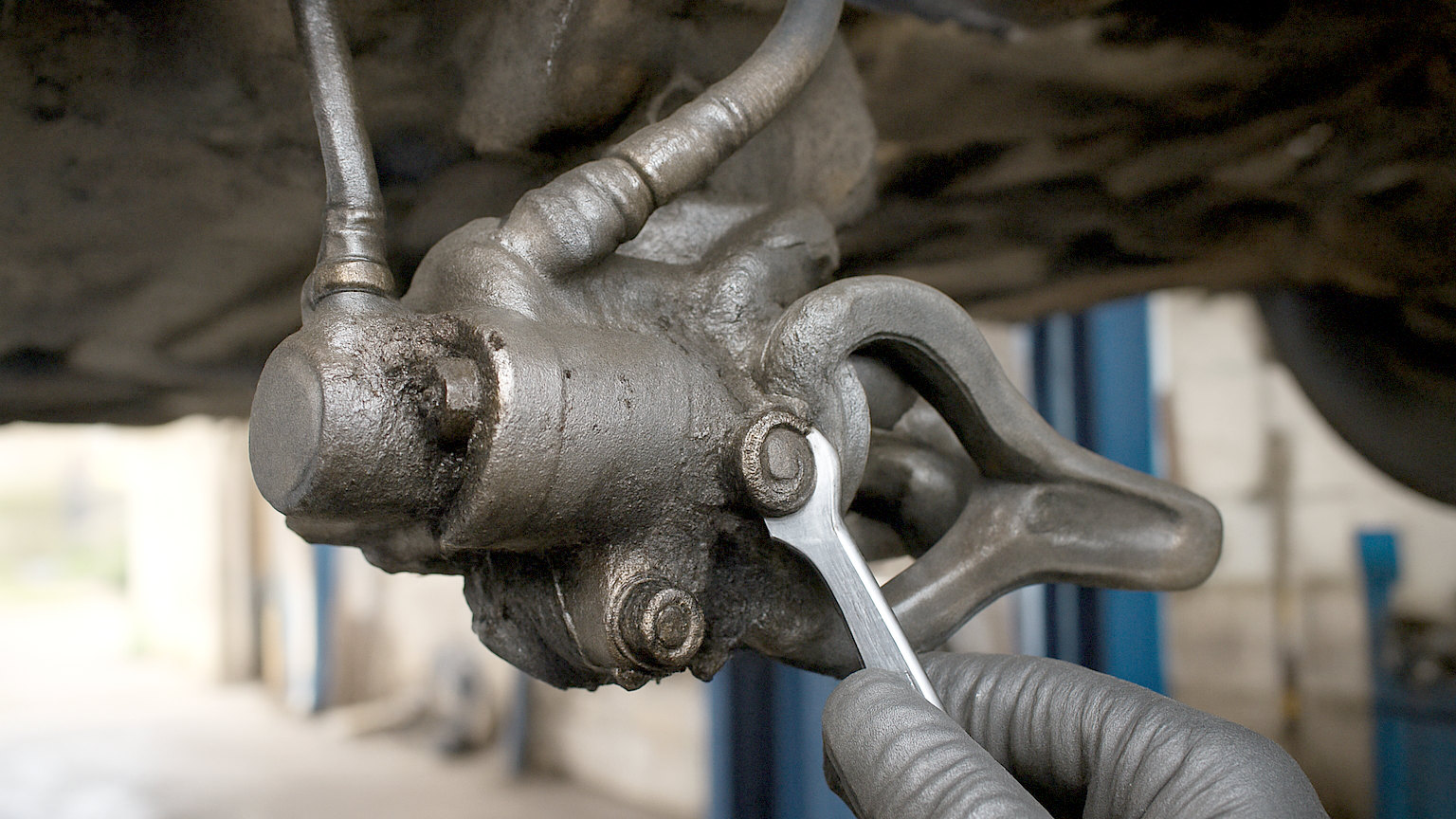
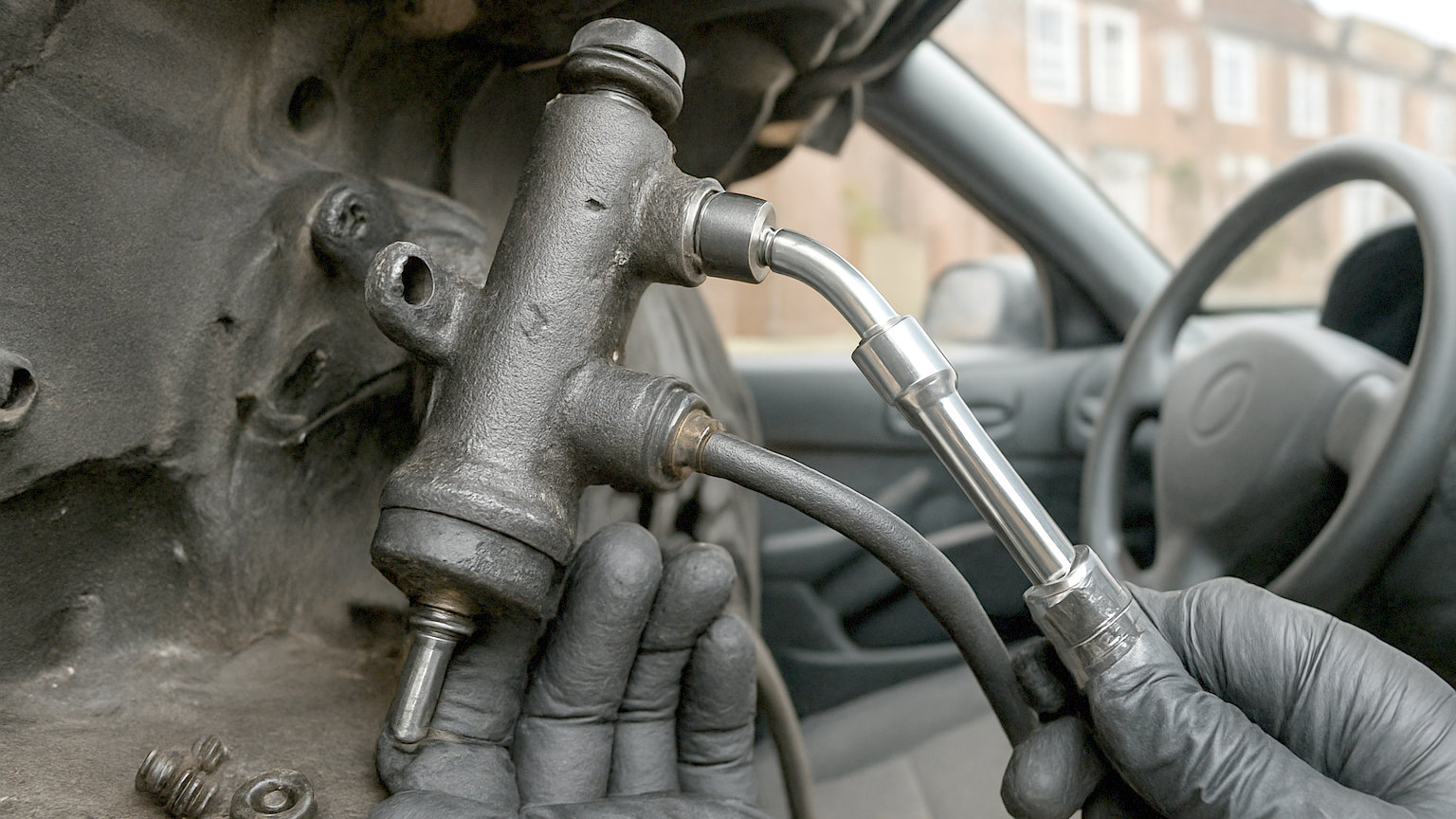
A pedal that sinks or feels spongy is a hydraulic problem rather than a worn clutch, and hydraulic parts cost a fraction of a replacement.
Revs that rise faster than the car does is the definitive symptom, and there is a simple test that confirms it in under a minute.