
A clutch pedal that has become noticeably heavier over weeks or months is reporting increased friction or a change in the mechanism, and it is worth taking seriously because it usually appears before something fails properly. It is also a symptom people adapt to gradually, often only noticing when driving another car of the same model.
What determines pedal effort normally?
The strength of the diaphragm spring in the pressure plate, which has to be overcome to release the clutch, divided by the leverage of the pedal and the hydraulic or cable arrangement. Manufacturers balance clamping force against pedal comfort, so a healthy system feels consistent. Any additional friction in the linkage, or any change in the spring, alters that balance.
What causes it on a cable system?
Corrosion and dirt inside the cable outer, which dramatically increases the effort needed to pull the inner. Cables run through exposed areas and their protective sheaths crack, letting water in. A cable routed with a tighter bend than intended after previous work adds friction. Lubricating a cable can help temporarily, and a corroded one should be replaced since it will eventually seize or snap.
What causes it on a hydraulic system?
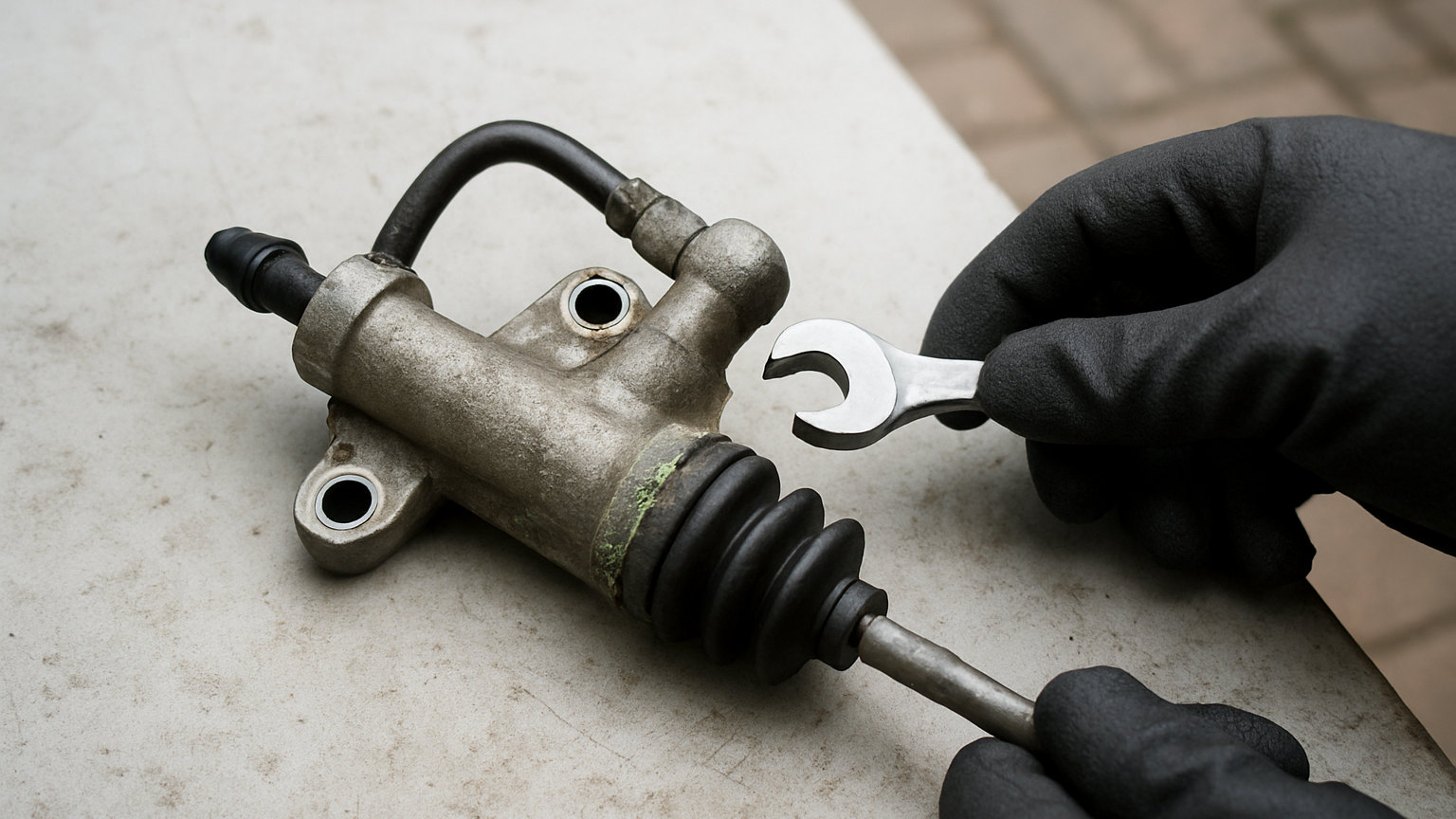
Less often the hydraulics themselves, since fluid transmits force efficiently, but a corroded master cylinder bore or a seized pushrod pivot will add effort. Dry or worn pedal box bushes are a common and overlooked cause, adding friction right at the pedal where leverage magnifies it. A squeak from the pedal box when operating the clutch is a strong hint.
Can the pressure plate cause it?
Yes, and this is the version that matters most. As friction material wears, the diaphragm spring geometry changes and on many designs the release effort increases towards the end of the clutch life. Heat damage to the diaphragm from repeated slipping also stiffens it. A pedal that has become heavy alongside a raised biting point is usually reporting a clutch approaching replacement.
What about self adjusting clutches?
Some pressure plates include a self adjusting mechanism that maintains constant pedal effort as the clutch wears. When that mechanism seizes or fails, the pedal can become suddenly heavier or the biting point can move abruptly. On these designs a change in pedal feel is more likely to indicate a mechanism problem than gradual wear.
Does it matter beyond comfort?
It does. Heavy pedals cause genuine discomfort in traffic and can make driving painful for anyone with knee or hip problems. More practically, increasing effort usually indicates something deteriorating, whether a cable about to seize, a bearing about to fail or a clutch nearing the end. A pedal that has changed noticeably is worth investigating rather than adapting to.
Could it be seasonal?
Partly. Cables and greased pivots stiffen in cold weather, and a marginal system feels considerably heavier on a frosty morning while improving once everything warms. That pattern points at friction in the mechanism rather than at the pressure plate, since the diaphragm spring does not care about ambient temperature. It is a useful distinction to note.
What should you check first?
The pedal box, listening for squeaks and checking the pivot for play and dryness, since that is cheap and accessible from inside the car. On a cable system, the cable routing and condition. Then note whether the biting point has also moved and whether there is any slipping, since that combination points at the clutch itself rather than the linkage.
Is it urgent?
Not immediately, unless it is worsening quickly. A cable that is stiffening will eventually snap and leave you unable to select gears, which is inconvenient rather than dangerous. A stiff pedal alongside slipping or a very high biting point suggests the clutch is close to the end, and planning the work is better than waiting for it to choose the moment.
Can anything be done to lighten it?
Lubricating the pedal pivot and, on cable systems, the cable itself often produces a noticeable improvement for very little effort. What should not be attempted is fitting a lighter pressure plate to reduce effort, since clamping force is what stops the clutch slipping and reducing it deliberately trades one problem for another.


