
Intermittent power loss is more frustrating than a permanent fault, because the car repeatedly proves it is capable of running properly. On diesels this pattern is extremely common and it has a specific explanation: the engine management has detected something outside its expected range, restricted power to protect the engine, and then allowed full power again when the reading returned to normal or when the ignition was cycled.
Why does switching off and on restore the power?
Because limp mode is a decision rather than a mechanical state. Many faults are classed as transient, so the management will clear the restriction on the next start and monitor again. That is why a car can lose power on a motorway, sit in the services for ten minutes and drive home perfectly. The fault has not been repaired; the car has agreed to try again, and it will restrict power once more when the same conditions arise.
What causes sticking turbo vanes?
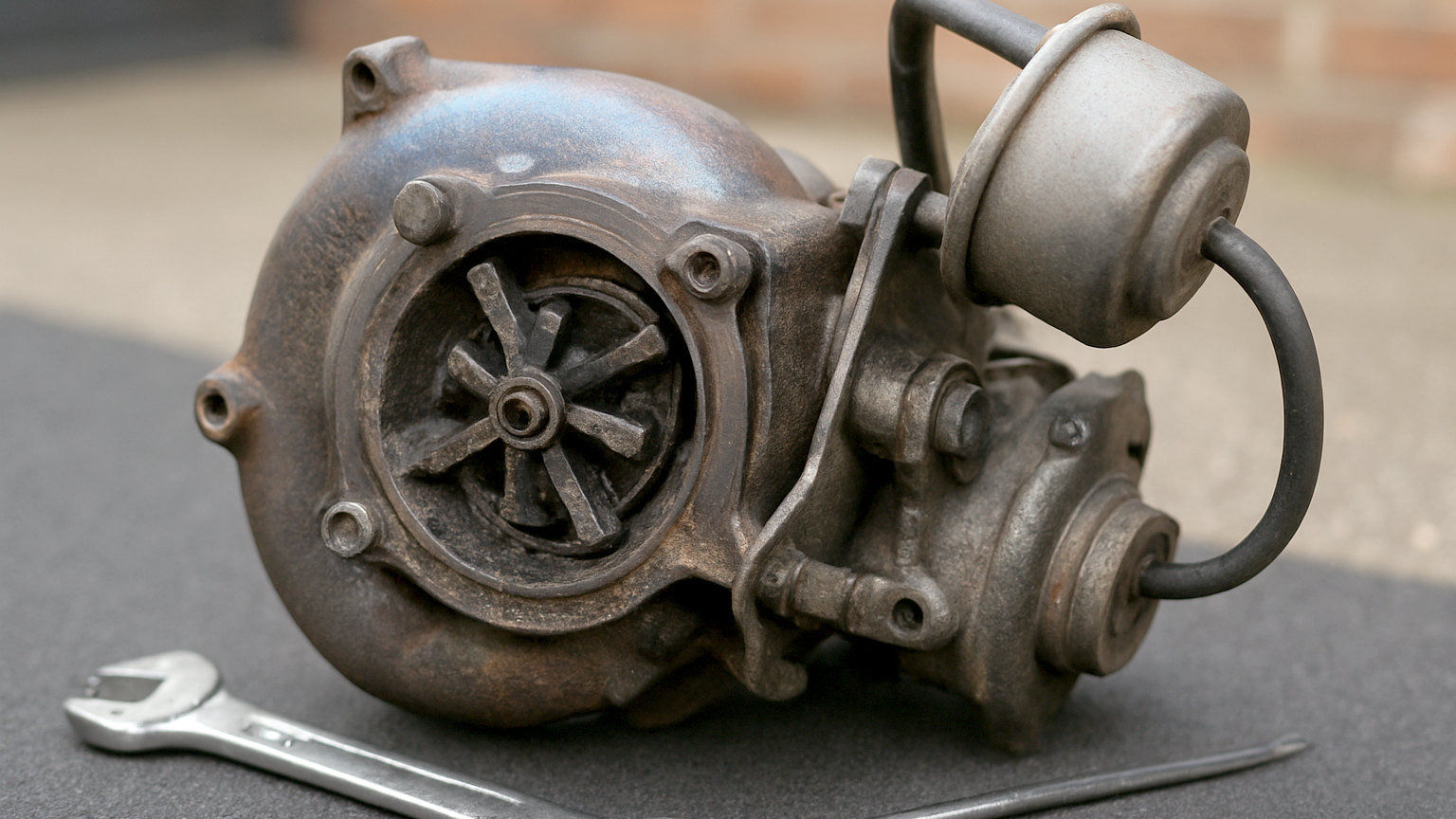
Variable geometry turbos control boost using small movable vanes in the turbine housing, and those vanes sit in hot exhaust gas carrying soot. On cars used mainly for short cold journeys, deposits build up and the mechanism becomes stiff. It then fails to respond quickly enough when the management commands a change, boost pressure misses its target, and the car goes into limp mode. Once everything has cooled or the actuator has managed to free the mechanism, normal running returns.
The pattern is usually worse on a cold engine and on long steady climbs where the vanes have not moved for a while. Regular longer journeys at higher load genuinely help, and there are cleaning treatments and manual freeing procedures that a specialist can carry out before replacement is considered.
Could it be a regeneration in progress?
Frequently, and this catches people out because nothing is actually wrong. During a particulate filter regeneration the management changes the injection timing and raises exhaust temperatures, and the car can feel slightly flat, idle higher and use more fuel for fifteen or twenty minutes. If your power loss lasts about that long, happens on longer runs, and comes with a hot smell and a fan running afterwards, it may simply be the car cleaning itself.
What does a sticking EGR valve do?
The exhaust gas recirculation valve feeds a measured amount of exhaust back into the intake to reduce combustion temperatures. It operates in a filthy environment and clogs with a mixture of soot and oil vapour. A valve stuck partly open lets too much exhaust gas in, displacing fresh air, which causes rough running, black smoke and a marked lack of power, often intermittently as the valve sticks and frees itself. Cleaning is a common and effective repair.
How do you find the cause?
Read the stored fault codes, including any that are not currently active, since these record what happened during the event even after normal running has resumed. Freeze frame data captures the conditions at the moment the fault was recorded, showing engine speed, load and temperature, and that is often more useful than the code itself. Ask specifically for that data, because a garage that only checks for current faults on a car that is running normally will find nothing at all.
Is it safe to keep driving?
Short term, generally, with the caveat that reduced power on fast roads is a hazard in itself. Longer term it is not sensible, because most of these causes get worse and several of them cause secondary damage. Sticking vanes eventually seize, a partially blocked filter eventually blocks completely, and repeated interrupted regenerations dilute the engine oil with fuel. Getting the codes read early is considerably cheaper than dealing with the consequences of ignoring them.
If the car is used almost entirely for short journeys, building in one longer run each week at motorway speeds addresses several of these causes at once and costs nothing beyond the fuel. It is the single most effective thing an owner of a modern diesel can do.


