
Gradual decline is the hardest kind of fault to spot, because there is never a day when the car was noticeably worse than the day before. Drivers adapt without realising, changing gear a little earlier and leaving slightly bigger gaps, until something forces a comparison. Once you do notice, the cause is usually a combination of several small restrictions rather than one dramatic failure, which is why the fix is often a proper service rather than a repair.
Is the car genuinely slower or does it feel that way?
Worth asking honestly first. A car that has been carrying more weight, running on underinflated tyres, wearing a roof box, or being driven in hotter weather really is slower, and none of those are faults. Familiarity plays a part too, since the same performance feels less impressive after two years than it did in the first week. A useful reference point is fuel consumption, because a genuine mechanical restriction almost always shows up as worse economy alongside the reduced performance.
Which components degrade quietly?
Spark plugs wear steadily and lose their spark quality long before they cause a misfire. Air and fuel filters clog gradually. Injectors build deposits that spoil the spray pattern. Catalytic converters lose efficiency and gain back pressure. Engine oil degrades between changes. None of these produce a warning light or a dramatic moment, and each one costs a small percentage. Together they add up to a car that is noticeably less willing than it was.
What does carbon build up do?
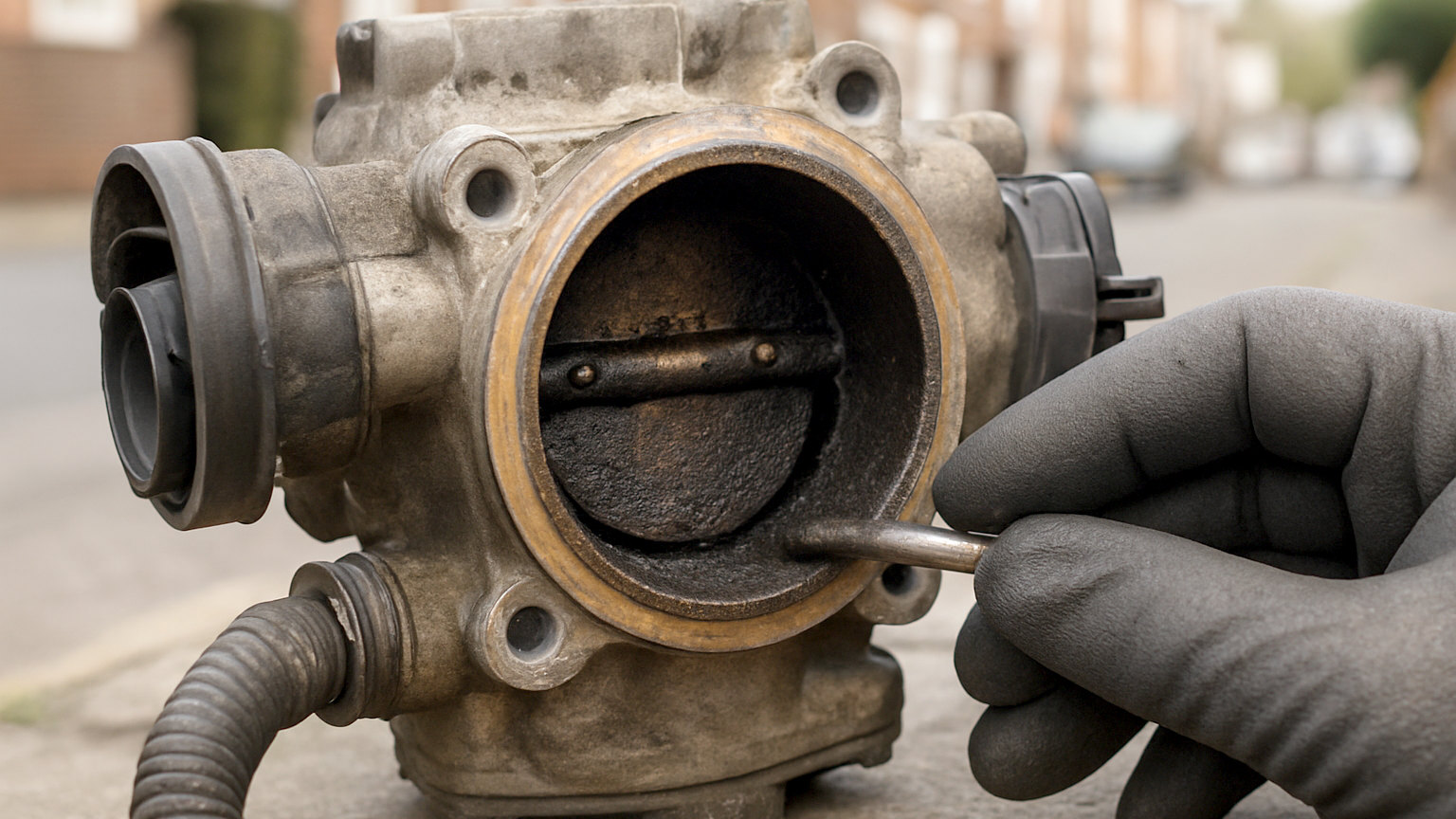
On direct injection engines in particular, deposits accumulate on the inlet valves because there is no fuel washing over them, and heavy build up restricts airflow and disturbs the flow into the cylinder. Combustion chamber deposits raise effective compression and can cause pinking. Cars used mainly for short low speed journeys build carbon fastest, which is also true of EGR valves and throttle bodies. A pattern of short trips is the single strongest predictor of this whole category of problem.
Does the exhaust side wear out?
It does. Catalytic converters and particulate filters gradually accumulate ash that cannot be burned away, so back pressure creeps up over the years even with no fault present. On a high mileage car this alone accounts for a meaningful reduction in performance, and it is one of the reasons a fifteen year old car rarely feels as sharp as it did new even when everything is technically working.
What is worth doing about it?
Start with the service items, because they are cheap and they account for most of the loss. New spark plugs of the correct type, a new air filter, a new fuel filter and fresh oil of the right specification will restore a surprising amount on a neglected car. Check tyre pressures, since underinflation costs both economy and performance and is extremely common. Then take the car for a sustained motorway run, which does more to clear deposits than any additive.
Are fuel additives worth using?
Injector cleaners from reputable manufacturers can help where deposits are the cause, particularly when used with a long drive afterwards, and premium fuels containing detergent packages do the same more gently over time. They are not a substitute for overdue servicing and they will not clear a blocked filter or a worn component. Used as an occasional supplement to proper maintenance they are reasonable; used as a replacement for it they are not.
When should you investigate properly?
If a full service and correct tyre pressures make no difference, it is worth having compression tested and exhaust back pressure measured, since those two checks cover the main mechanical causes that no warning light will report. Mention that the decline has been gradual, because that immediately steers a mechanic away from electronic faults and towards restriction and wear. On a high mileage car it is also worth asking whether the remaining loss is simply age, since not every fifteen year old engine has a fault worth chasing.


