Why Do My Brakes Squeal Only When Reversing?
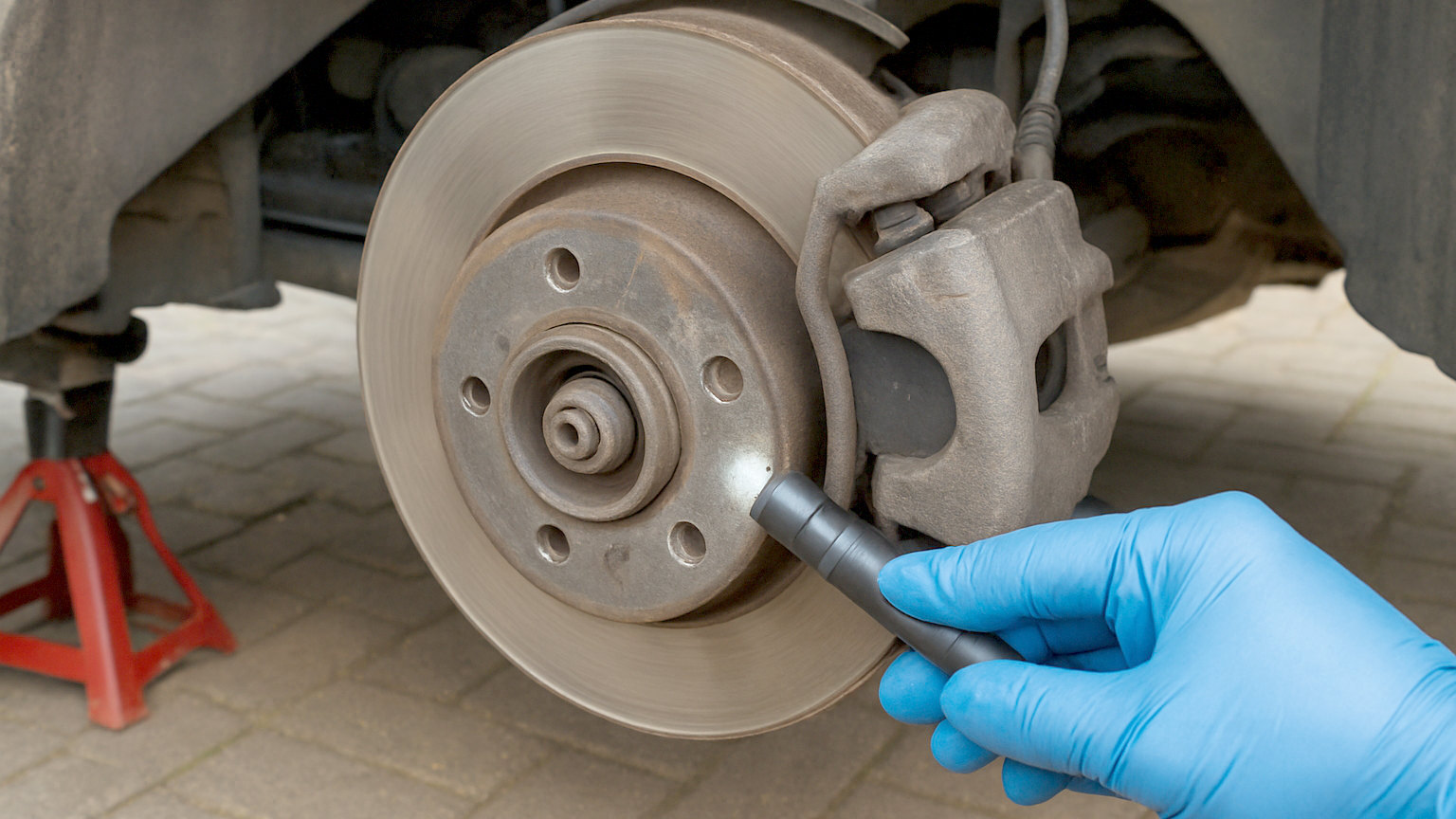
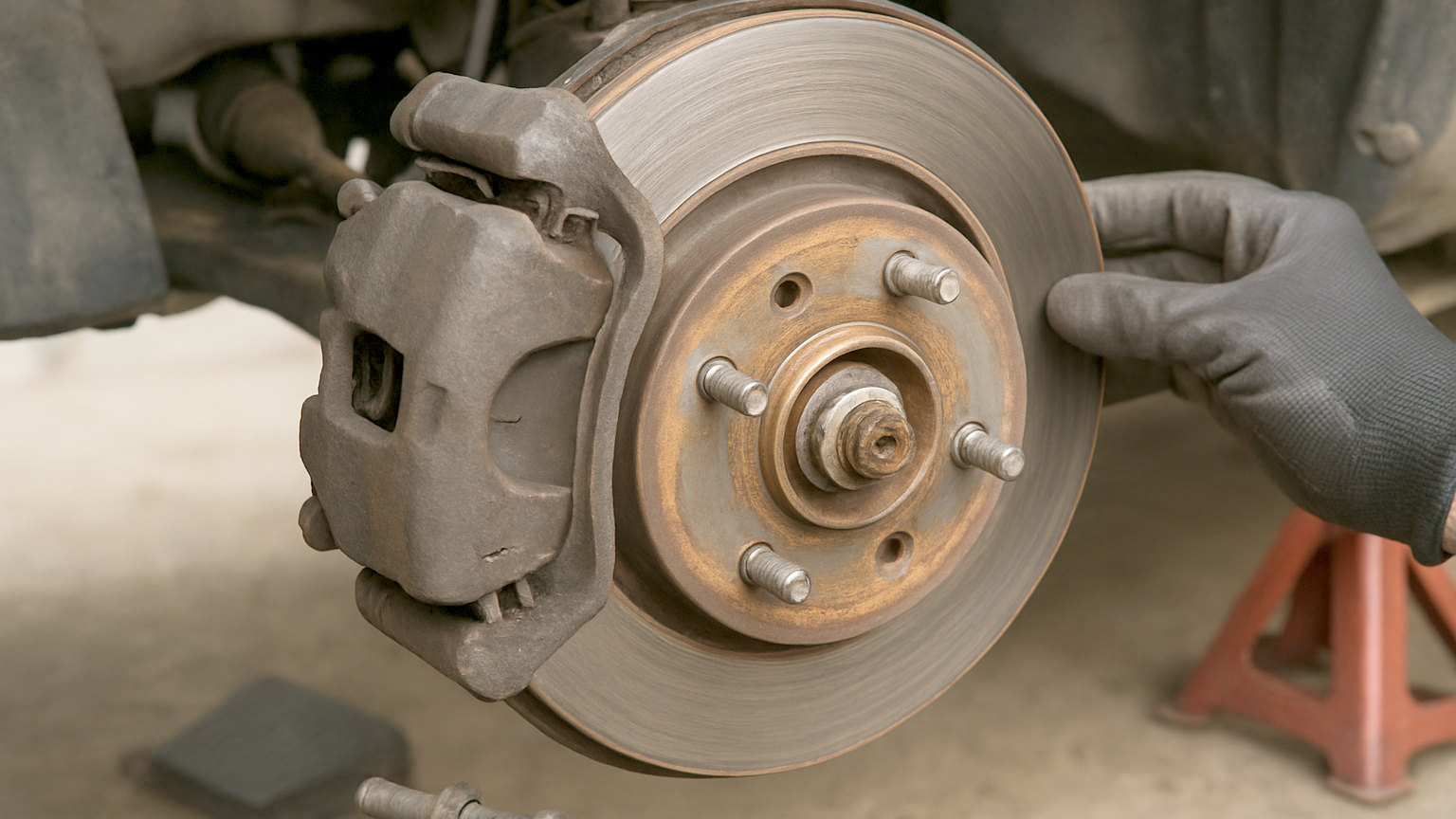
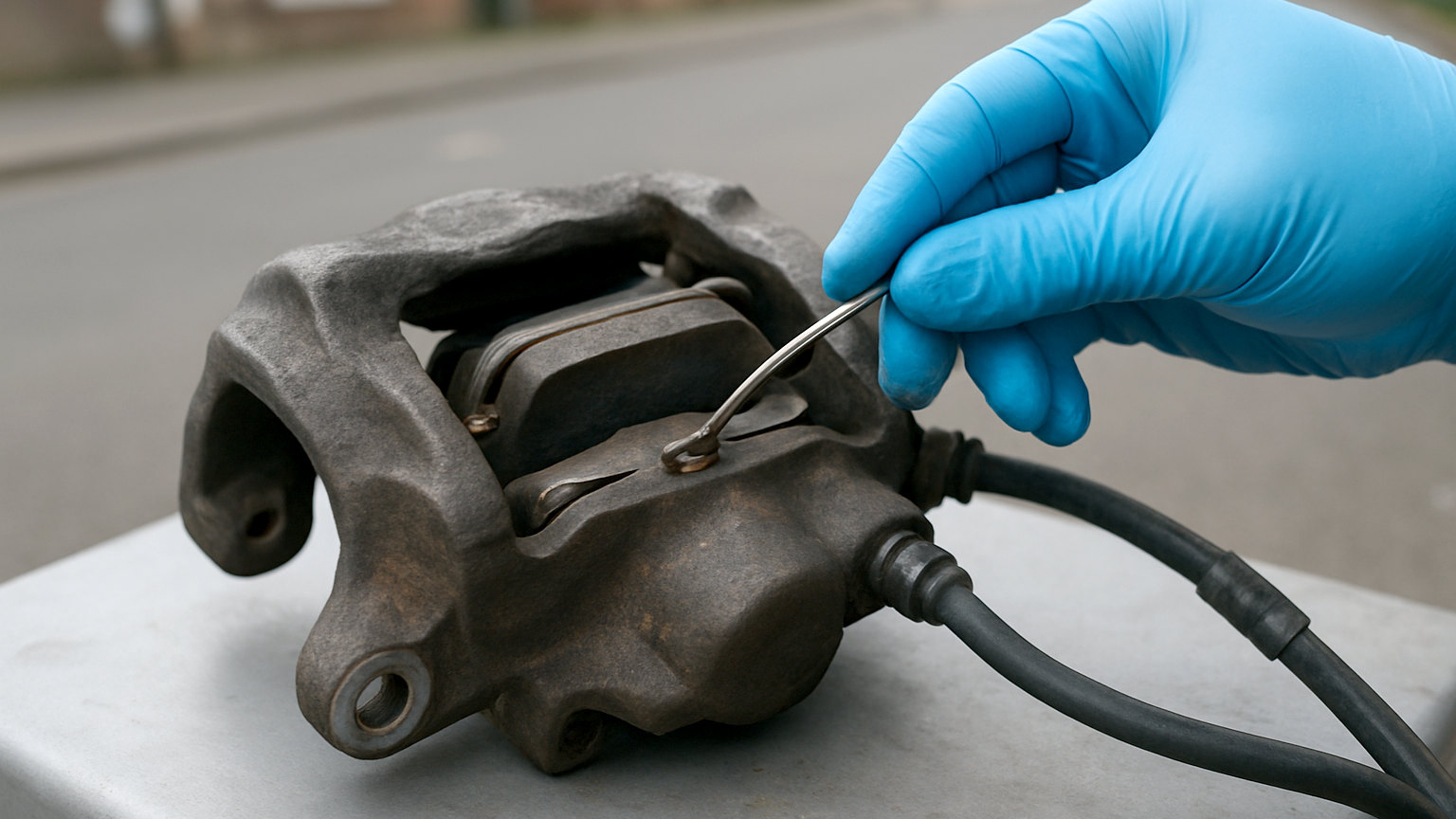
Reversing loads the pad against the opposite side of its carrier, which changes the resonance and reveals hardware problems that forward braking hides.
Squealing, grinding and rubbing when braking - which noises are wear indicators doing their job, which are surface rust, and which mean metal on metal.
Reversing loads the pad against the opposite side of its carrier, which changes the resonance and reveals hardware problems that forward braking hides.
A low groan or moan at very low speed is a different resonance from a squeal, and it is usually harmless even when it sounds alarming.
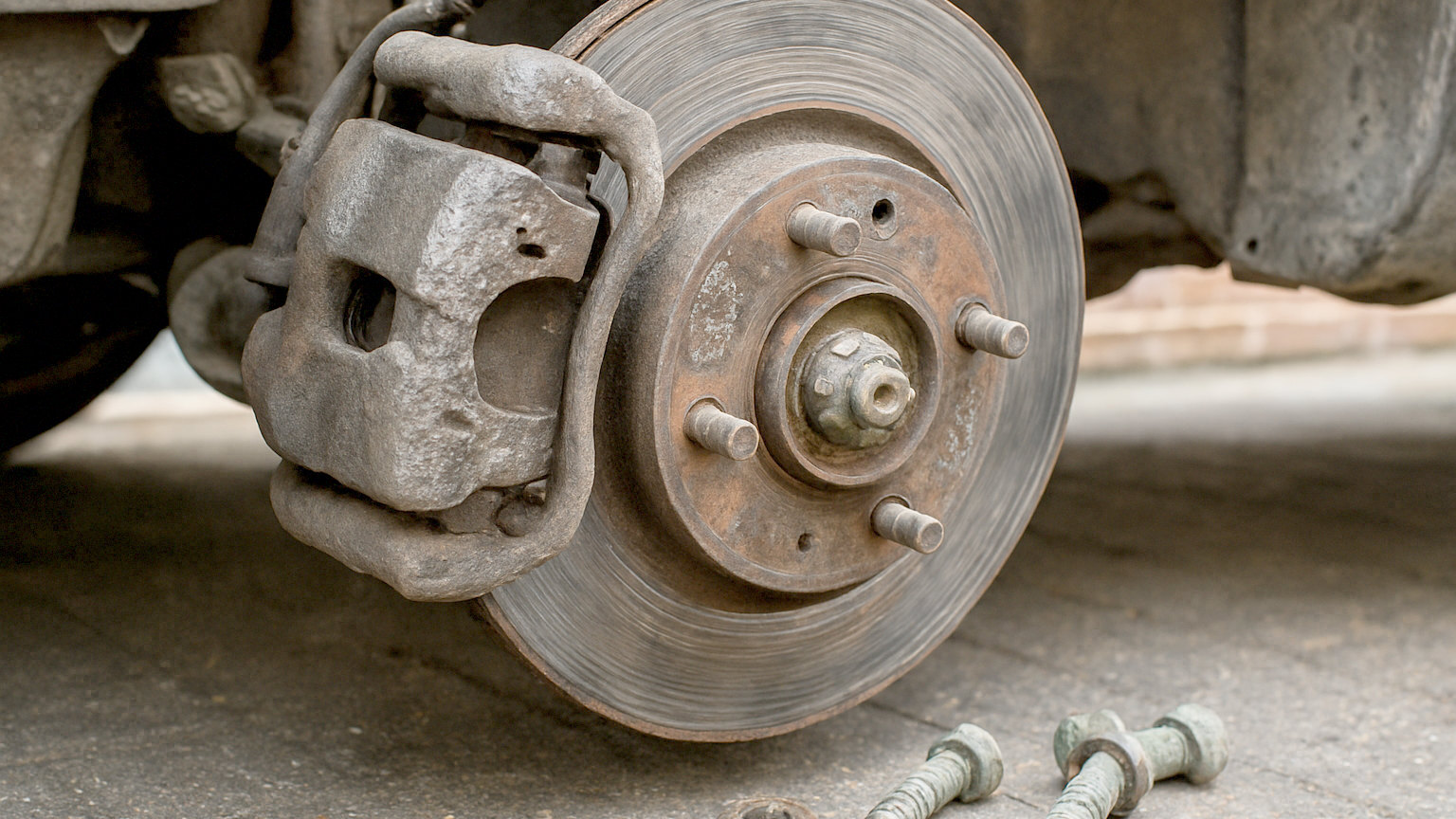
Overnight surface rust on the discs is scrubbed off in the first few applications, which is why so many cars are noisy for the first minute.
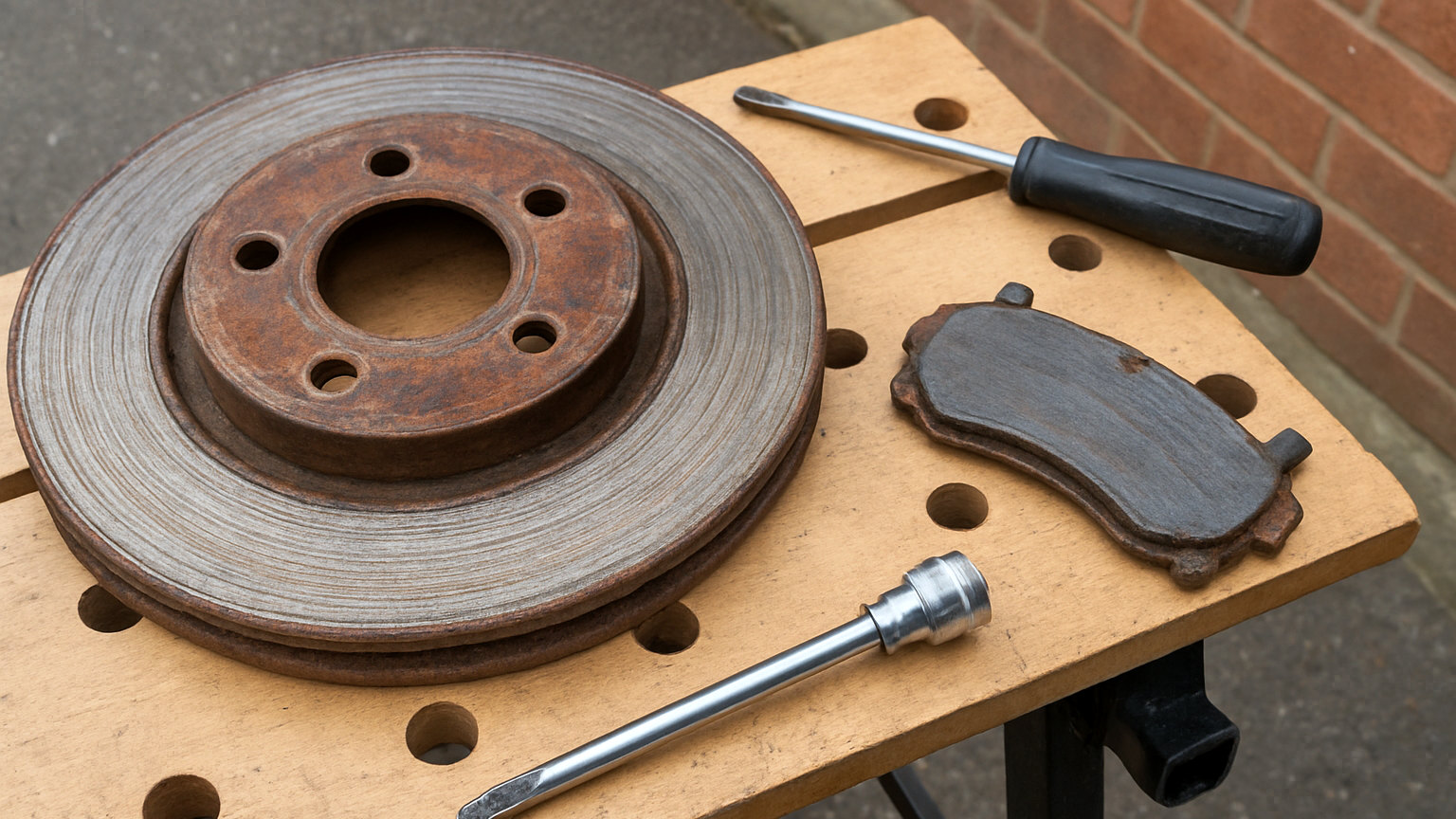
Grinding usually means the friction material has gone entirely and the backing plate is cutting into the disc with every application.
Squealing is a vibration between pad and disc at an audible frequency, and it can mean worn pads, glazing or simply the wrong hardware.