
Oil consumption causes more unnecessary worry than almost any other engine topic, largely because the figures manufacturers consider acceptable are much higher than most owners would guess. Every engine consumes some oil, by design, and the question is never whether yours uses any but whether the rate is normal for that engine and whether it is changing. Measuring it properly is the only way to answer either question.
Where does the oil actually go?
A thin film of oil on the cylinder walls is essential for the piston rings to seal and slide, and a small amount of that film is inevitably burned on every combustion stroke. Oil vapour is also drawn from the crankcase through the breather system into the intake, where it is burned deliberately rather than vented. Both are normal functions rather than faults, which is why an engine in perfect condition still uses a measurable amount.
What figures are considered acceptable?
Many manufacturers quote a limit somewhere around one litre per thousand miles, and some performance engines are specified higher still. In practice most healthy modern cars use far less, often needing nothing between services. The published figure is a warranty threshold rather than a target, so a car using anywhere near it is unusual even though it is technically within specification. Knowing what your particular engine is known for matters more than the general figure.
How do you measure consumption properly?
Fill to the maximum mark with the engine cold and on level ground, note the mileage, then check weekly at the same conditions and record the mileage when you next need to add oil and how much you added. Consumption is meaningless without both numbers. Checking at random on a slope with a hot engine produces readings that vary by half the range between the marks, which is why so many people believe their car uses oil erratically.
What raises consumption without anything being wrong?
Sustained high speed driving uses considerably more oil than gentle town use, because loads and temperatures are higher. A new or recently rebuilt engine uses more during the first few thousand miles while the rings bed in. Thinner modern oils, chosen for fuel economy, are more easily consumed than the heavy grades used decades ago. Towing and hot weather both increase it. None of these indicate a fault.
What suggests there is a problem?
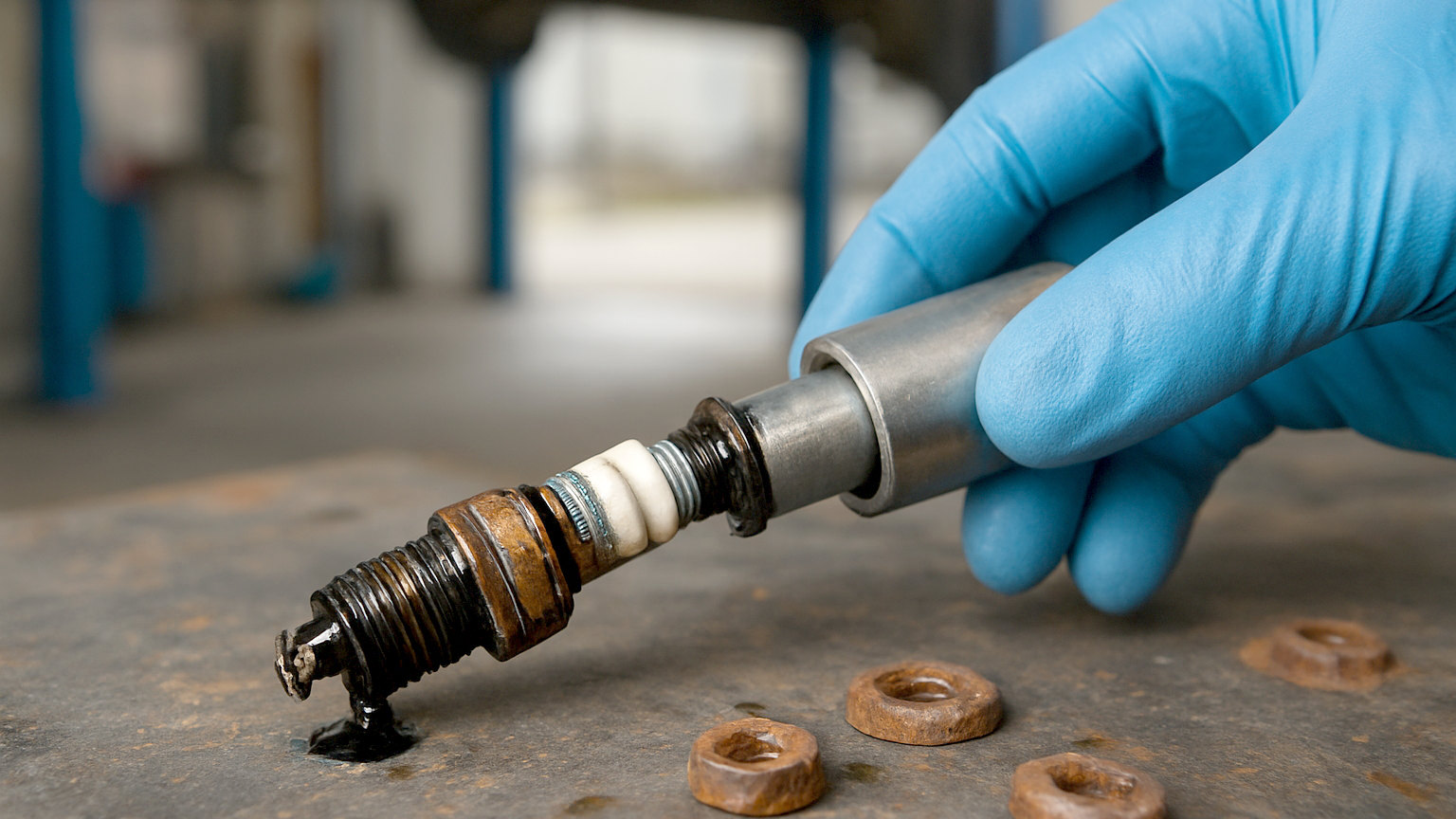
Change is the key indicator. An engine that has always used a little and continues to is behaving normally. An engine that used none for three years and now needs a litre between services has developed something, and that is worth investigating regardless of whether the rate is technically within specification. Blue smoke, fouled spark plugs and oil in the intercooler pipework all support the case.
What happens if the level gets too low?
Oil pressure falls, and the bearings that depend on a pressurised film to keep metal apart begin to wear. That is how a knocking bottom end develops, and it is the most expensive consequence available. This is why the practical advice matters more than the theory: check it regularly, keep it between the marks, and treat a low reading as urgent rather than as something to deal with at the weekend.
Does topping up count as maintenance?
It keeps the engine safe, but it does not renew the oil. Additives are consumed over time regardless of level, so an engine that has been topped up repeatedly still needs its scheduled change. Use the exact specification in the handbook rather than whatever is on the shelf, since modern engines are far more particular about oil than older ones were, and mixing specifications is a genuine problem on engines with variable valve timing or particulate filters.
Keeping a small container of the correct oil in the boot is sensible on any car known to use some, because the alternative at a service station is whatever grade they happen to stock.


