
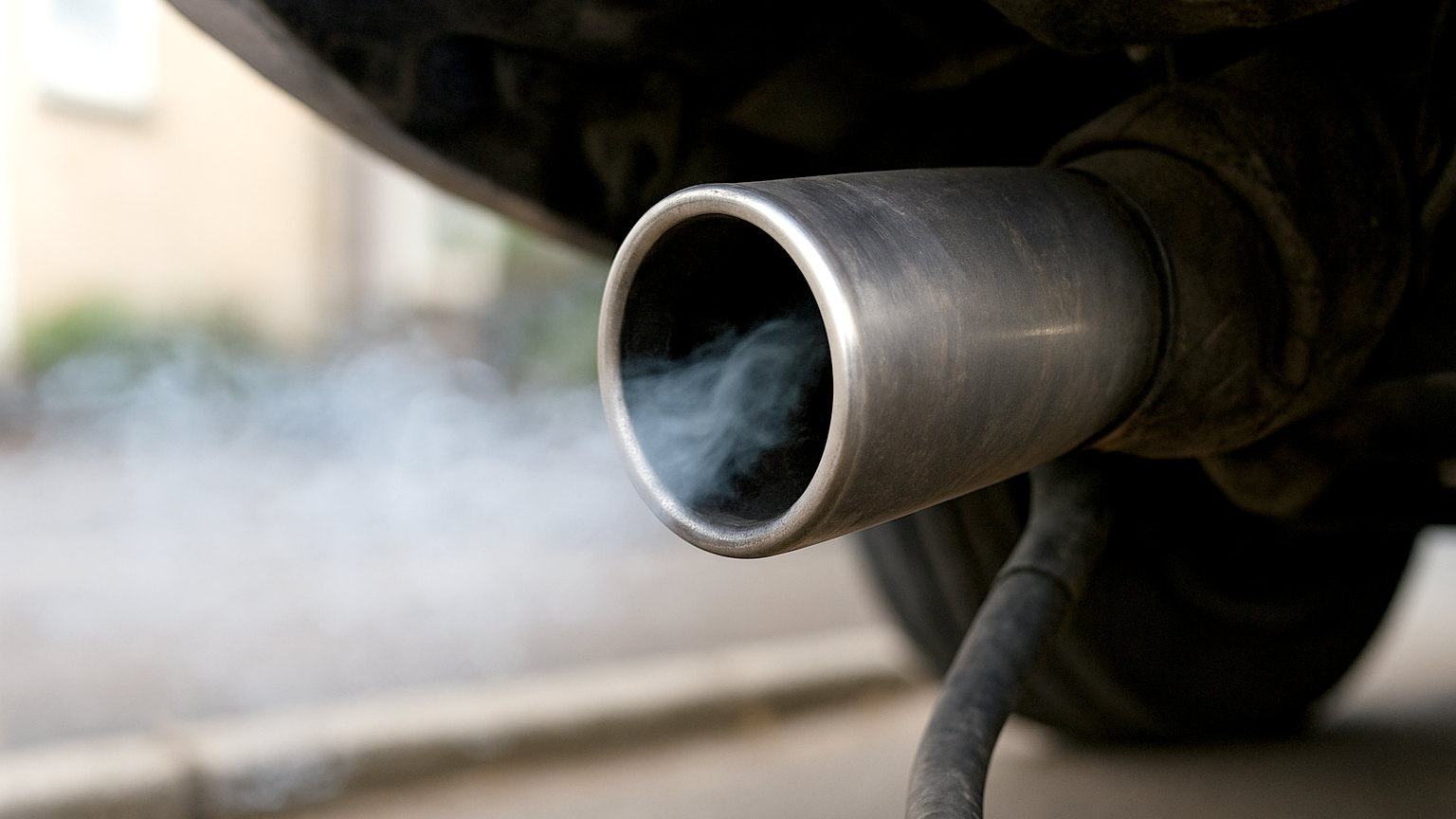
Smoke that appears specifically when you accelerate hard and disappears when you ease off is telling you that the fault only expresses itself under high cylinder pressure and high fuel flow. That is a different set of causes from smoke at idle or on startup, and it is generally a more meaningful symptom, because an engine under load is being asked to do everything it can and weaknesses have nowhere to hide.
What does blue smoke under acceleration indicate?
Piston rings, most commonly. Under hard acceleration the pressure differences across the piston are at their greatest, so worn rings or worn bores let oil past into the combustion chamber in quantities that are visible. This version of blue smoke usually comes with measurable oil consumption, reduced compression on a test, and often a slightly rough idle. It indicates genuine wear in the lower part of the engine rather than a seal that has simply hardened.
Could a turbo produce the same thing?
Yes, and it should always be checked first on a turbocharged car because it is far cheaper to put right than a rebuild. A turbo with failed shaft seals passes oil into the pressurised intake, and the quantity increases with boost, so the smoke arrives exactly when you accelerate. Look for oil pooling in the intercooler pipework, a change in turbo noise, and loss of boost pressure. This combination is common enough that a compression test is worth doing before any turbo is condemned, and vice versa.
What does black smoke under acceleration mean?
Too much fuel for the available air, which is a fuelling or airflow fault. On a diesel this is the most common smoke complaint and usually means worn injectors, insufficient boost from a turbo that is not delivering, a sticking EGR valve displacing fresh air with exhaust gas, or a blocked air filter. On a petrol engine it usually means a fuelling error from a failed sensor or a leaking injector. Either way, the engine is wasting fuel and coating its exhaust components in soot.
Why does load make fuelling faults visible?
Because the quantities involved scale up. At light throttle a ten percent fuelling error is a very small amount of extra fuel and burns away unnoticed. At full throttle the same percentage error is a much larger absolute quantity, and beyond a certain point there is simply not enough oxygen in the cylinder to burn it. That is the point at which soot forms and becomes visible, which is why so many fuelling faults are described as only happening under acceleration.
Is a brief puff on a diesel normal?
On older diesels, particularly those without modern common rail injection, a momentary haze under hard acceleration from low revs is fairly normal and always has been. On a modern diesel with a particulate filter, visible smoke should be rare, because the filter traps it. So a modern diesel that has started smoking visibly is telling you either that the fault is substantial or that the filter is no longer doing its job, and both deserve attention.
How do you narrow it down?
Have someone follow you or record a video while you accelerate hard from low revs in a high gear on a quiet road, because you cannot see your own exhaust while driving and dashboard mirrors are misleading. Note the colour in daylight. Then have the fault codes and fuel trims read, and on a turbo car have boost pressure checked. Those three pieces of information usually make the diagnosis straightforward.
How urgent is it?
Moderately. Neither blue nor black smoke under acceleration will stop the car this week, but both are damaging expensive components in the background. Oil consumption that goes unmonitored eventually leaves an engine short, and soot loading destroys catalytic converters and particulate filters. Check the oil level frequently, keep it topped up, and get the cause identified rather than adjusting your driving style to avoid the conditions that reveal it.


