
Smell is an underrated diagnostic tool, and exhaust smells are surprisingly specific. A car that has begun to smell different is telling you something has changed in what it is burning or how completely it is burning it, often before there is any visible smoke at all. Learning to distinguish three or four common smells is worth as much as being able to identify smoke colours.
What does a rotten egg smell mean?
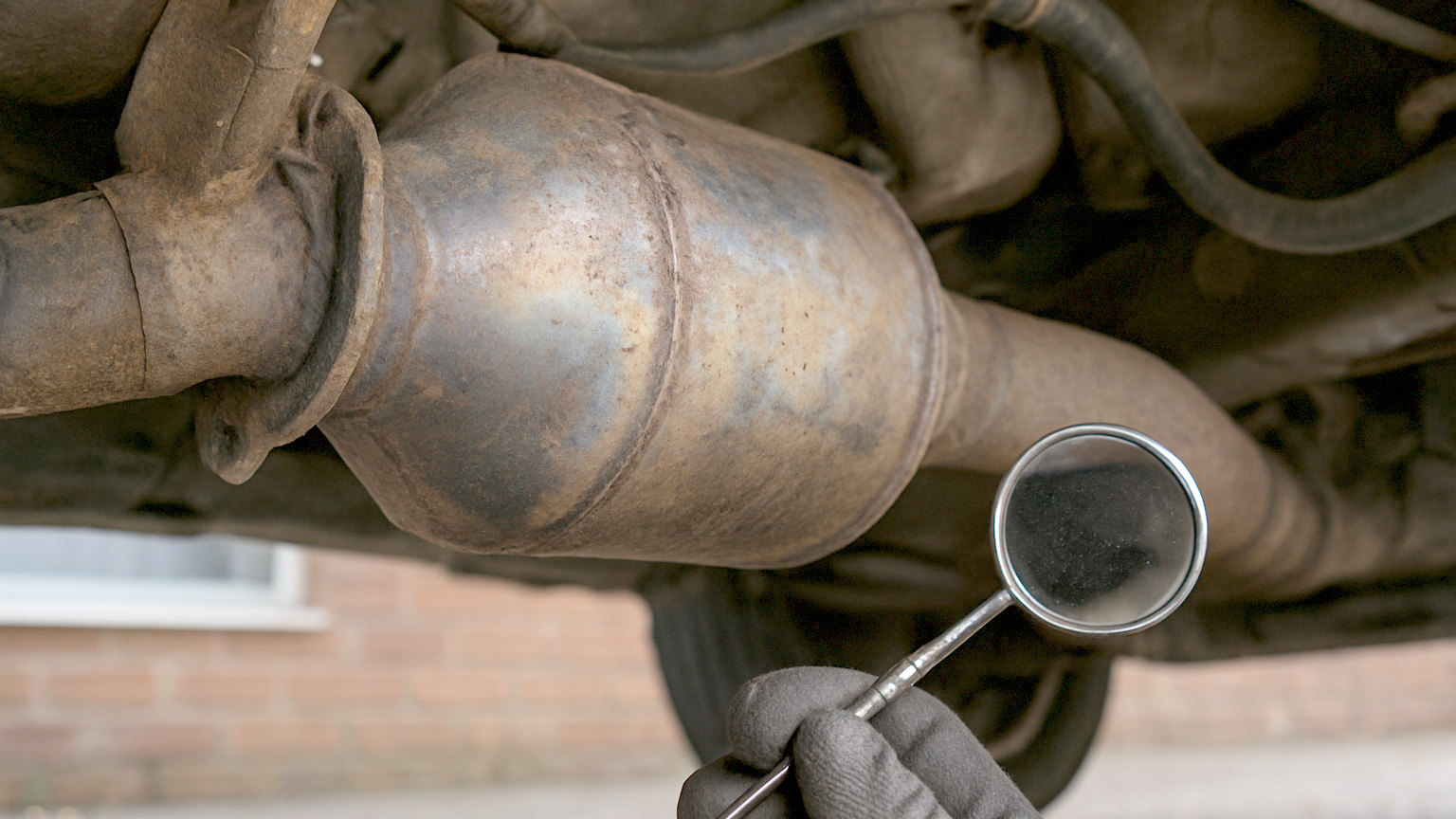
Sulphur, and it points at the catalytic converter. Fuel contains small quantities of sulphur compounds, and a healthy converter processes them into odourless sulphur dioxide. When the converter is overwhelmed, usually because the engine is running rich and sending it more unburnt fuel than it can handle, those compounds are converted into hydrogen sulphide instead, which smells strongly of rotten eggs. The smell is therefore usually a symptom of rich running rather than a fault in the converter itself.
Why does that matter?
Because the converter is being damaged while it happens. Unburnt fuel ignites inside it and produces temperatures the ceramic substrate is not designed to survive, so a persistent sulphur smell is a warning that an expensive component is being destroyed by a cheaper fault upstream. Finding the rich running cause, which is usually a sensor, an injector or a fuel pressure fault, protects the converter as well as fixing the smell.
What about a strong petrol smell?
Raw fuel smell from the exhaust means fuel is passing through the engine unburnt, which happens with a misfire, a leaking injector or a severely rich mixture. If the engine management light is flashing, a misfire severe enough to damage the converter is occurring right now and the car should be stopped. A fuel smell that is stronger outside the car and near the rear suggests exhaust; a smell stronger near the front or under the bonnet may be an actual fuel leak, which is a fire risk and needs immediate attention.
Could a fuel smell be a leak rather than combustion?
It could, and this is the version to take most seriously. Perished fuel hoses, a leaking injector seal, a corroded fuel line or a failed tank seal all produce a fuel smell that is present when the car is parked as well as running. If you can smell fuel around a stationary car, do not start it, look for wet patches or staining underneath, and have it inspected rather than driven. Fuel leaks near hot exhaust components cause fires.
What does a sweet smell indicate?
Coolant. Glycol has a distinctly sweet syrupy smell, and where you notice it matters. Sweet smelling exhaust smoke means coolant is being burned in the engine, which suggests a head gasket or a cracked EGR cooler. A sweet smell inside the cabin, with a greasy film on the inside of the windscreen and a damp passenger footwell, points at a leaking heater matrix instead. Both need investigating, but they are entirely different repairs.
Why can I smell exhaust inside the car?
This one is a safety issue rather than a diagnostic curiosity. Exhaust entering the cabin means there is a leak in the system, often at a manifold or a corroded joint, combined with a path into the car through a failed body seal, a boot seal or a grommet. Exhaust gases contain carbon monoxide, which is odourless and dangerous, so any smell of exhaust inside the car should be treated as urgent. Drive with a window open and get it inspected promptly.
What should you do about a new smell?
Note when it happens, whether the car is running or parked, and whether it is stronger inside or outside. Have the fault codes and fuel trims read for anything suggesting a rich condition. And treat fuel smells around a parked car and exhaust smells inside the cabin as immediate rather than something to mention at the next service, because both of those have consequences beyond the repair bill.


