
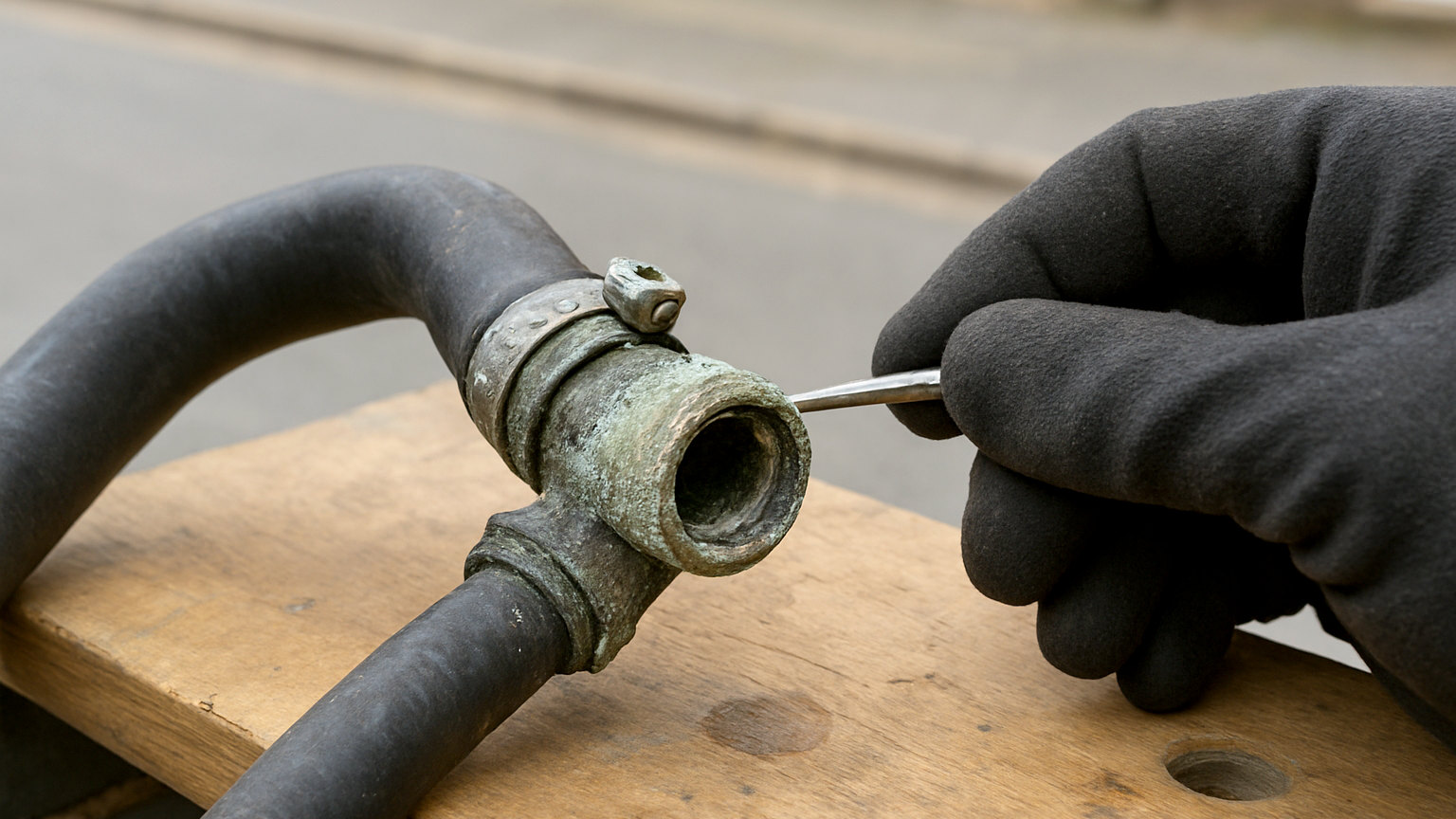
A heater that blows cold while the temperature gauge shows a fully warm engine is an odd combination, and it is worth taking seriously rather than treating as a comfort problem. The heater works by passing hot coolant through a small radiator behind the dashboard, so if the engine is hot and the heater is not, coolant is not reaching that matrix. The reasons why it might not are the same reasons an engine overheats, which is why this symptom often arrives first.
Why is low coolant the usual explanation?
The heater matrix generally sits at one of the highest points in the cooling circuit, so it is the first part of the system to be starved when the coolant level falls. That means a heater going cold can appear well before the temperature gauge reacts, since the sensor in the engine block is still surrounded by liquid. Anyone whose heater has suddenly stopped working should check the expansion tank cold before anything else, because a low level here is both the cause and a warning.
What is an airlock and how does it happen?
Air trapped in the cooling system collects at high points and blocks flow in the same way a bubble stops a syringe. Air gets in whenever the system is opened, which is why a heater that has stopped working shortly after a coolant change, a thermostat replacement or a hose repair is nearly always an incomplete bleed rather than a new fault. It can also enter through a failing head gasket, which is a much less welcome explanation and comes with its own set of symptoms.
How is an airlock cleared?
Most cars have a bleed screw at a high point, and the process is to run the engine with the heater on full and the screw cracked open until coolant runs out without bubbles, topping up as the level drops. Some cars need the front raised so the filler is the highest point, and some require a vacuum fill because their layout makes conventional bleeding almost impossible. Doing this without letting the engine overheat requires attention, so it is a job worth handing over if the layout is awkward.
Could the matrix itself be blocked?
It can, particularly on older cars or where the coolant has never been changed. The tubes inside a heater matrix are extremely narrow, so sediment and corrosion block them long before they block anything else in the system. The classic sign is a heater that produces warm air on one side of the car and cold on the other, or a matrix where one hose is hot and the other stays cool. A flush sometimes clears it, though a properly blocked matrix usually needs replacement, and access is often behind the entire dashboard.
What if the thermostat is the cause?
A thermostat stuck open keeps the engine below its proper temperature, so the heater blows lukewarm rather than cold and the gauge sits below the middle. That is a different symptom from a hot engine with a cold heater, and the temperature gauge distinguishes the two. If the gauge is normal or high and the heater is stone cold, the thermostat is not the problem, and attention belongs on coolant level, airlocks and flow.
Could it be the blend flap rather than the coolant?
Yes, and it is worth ruling in or out because it changes the repair entirely. Most cars mix hot and cold air using a flap driven by a small motor, and when that motor or its linkage fails the flap can stick on cold. The clue is that the temperature control makes no difference at all at any setting, and there may be a faint clicking from behind the dashboard when the dial is turned. In that case the engine and coolant are innocent and the fault is in the ventilation system.
Does this need urgent attention?
Check the coolant level immediately, and if it is low, find out why before driving further. A heater failing because of low coolant is telling you that the system has lost liquid, and the next stage of that story is an engine running hot. If the level is correct and the heater is still cold, it is not urgent in safety terms, but it is worth investigating before winter and before an airlock has a chance to cause overheating on a long run.


