
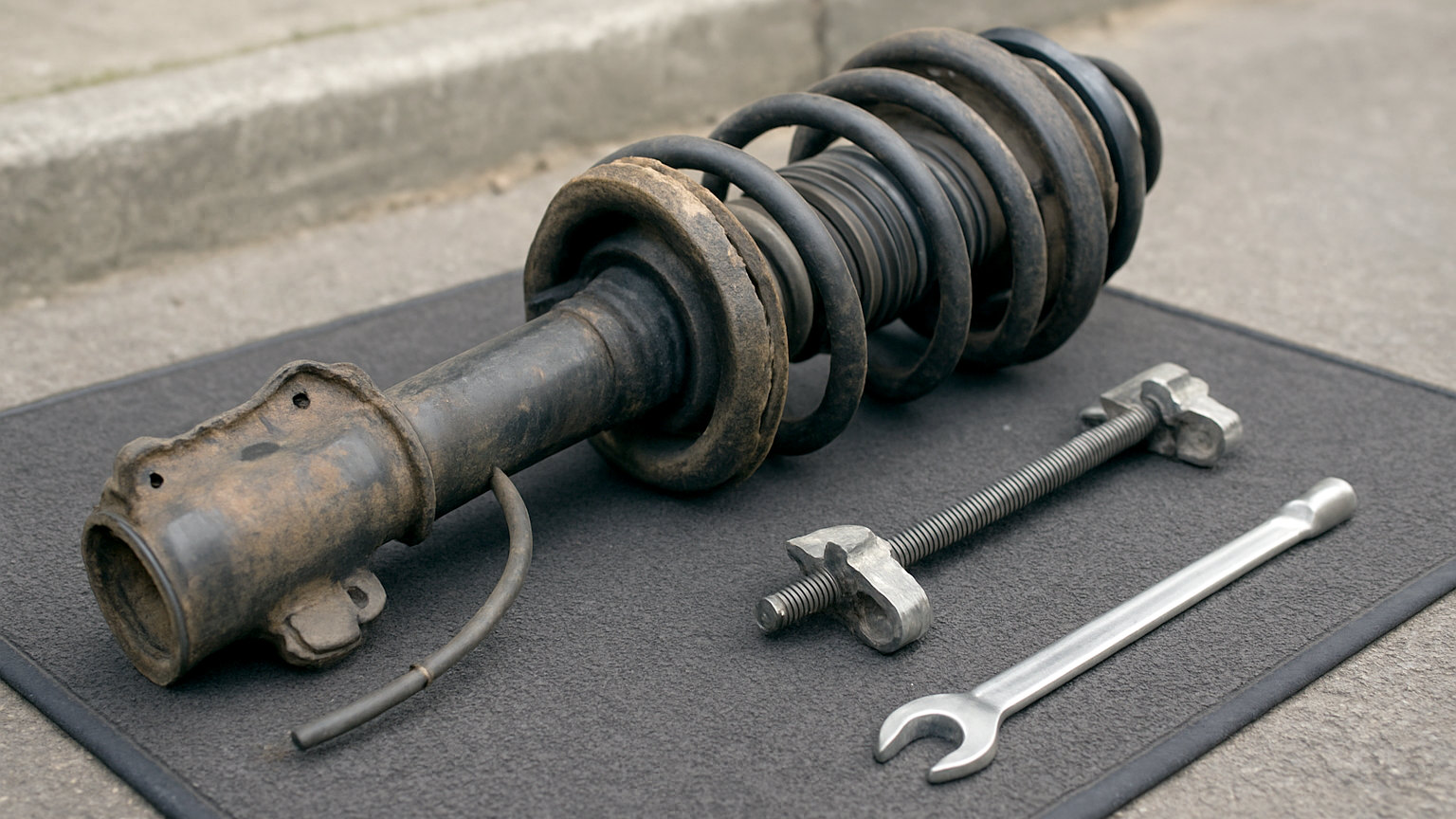
Modifying suspension is one of the most common changes made to a car, and one where the marketing and the engineering diverge more than most. Lowering a car alters far more than its stance, and understanding what else changes explains why some modified cars handle beautifully while others ride badly, wear tyres rapidly and fail their next test.
What actually changes when a car is lowered?
Camber increases negatively on most designs, so the tyres lean inwards and wear their inner edges. Toe settings change. Roll centres move, which alters how weight transfers in corners and can make handling less predictable rather than more. Suspension travel is reduced, so the car reaches its bump stops sooner. Headlight aim changes. None of that is visible from outside.
Do lowering springs work with standard dampers?
Usually poorly. A standard damper is valved for the standard spring rate and travel, so fitting stiffer, shorter springs means the damper is being asked to control forces it was not designed for while operating over a shorter stroke. The result is often a harsh ride, poor body control and dampers that fail early. Matched spring and damper kits address this properly.
What do coilovers offer?
A matched spring and damper assembly with adjustable ride height, and on better units adjustable damping. Quality varies enormously. A well engineered set from a reputable manufacturer can genuinely improve a car, while budget units frequently ride badly, corrode, seize at their adjusters and lose damping quickly. This is an area where the difference between cheap and good is very large.
What happens to tyre wear?
Inner edge wear is the usual consequence, and it can be severe enough to destroy a set of tyres in a few thousand miles. Whether it can be corrected depends on the car: some have adjustable camber, others need aftermarket adjustable arms or camber bolts. Anyone lowering a car should budget for alignment work and possibly adjustment components alongside the springs themselves.
Does it affect other components?
Considerably. Driveshaft joints run at steeper angles, which shortens their life on significantly lowered cars. Bushes and mounts see different loads. Bump stops are contacted more often, and cutting them down, which is sometimes suggested, removes protection the suspension needs. Anti roll bar links may need adjusting to avoid preloading the bar.
What are the insurance implications?
Suspension modifications must be declared, and failing to do so can invalidate a policy entirely, which is a far larger risk than the premium increase. Insurers treat suspension changes as performance modifications regardless of the intent behind them. It is worth obtaining a quote before buying parts, since the cost of insuring the modification sometimes exceeds the cost of it.
Is lowering legal?
Generally yes within limits, provided the vehicle remains roadworthy, the headlight aim is corrected, no component is fouling and nothing has been cut or modified in a way that compromises strength. What causes MOT problems is the consequences: incorrect headlight aim, tyres fouling arches, insufficient ground clearance, or components modified rather than replaced.
What is worth doing instead?
On a car that feels tired, fitting quality standard specification dampers, fresh bushes and correct alignment usually produces a bigger improvement than any modification, at lower cost and with no downsides. Most cars that feel vague or wallowy are simply worn rather than in need of upgrading, and restoring them to the original design intent is frequently what the owner actually wanted.
When does modification genuinely make sense?
Where the car is used for track work or where the standard setup is genuinely unsuited to the use, and where the whole system is addressed together rather than one component at a time. Approached that way, with matched components, corrected geometry and realistic expectations about ride comfort, it can transform a car. Approached as a set of lowering springs bought online, it usually does not.
Whatever route you take, have the alignment measured afterwards and the headlight aim reset, since both change with ride height and both are checked at the MOT.


