
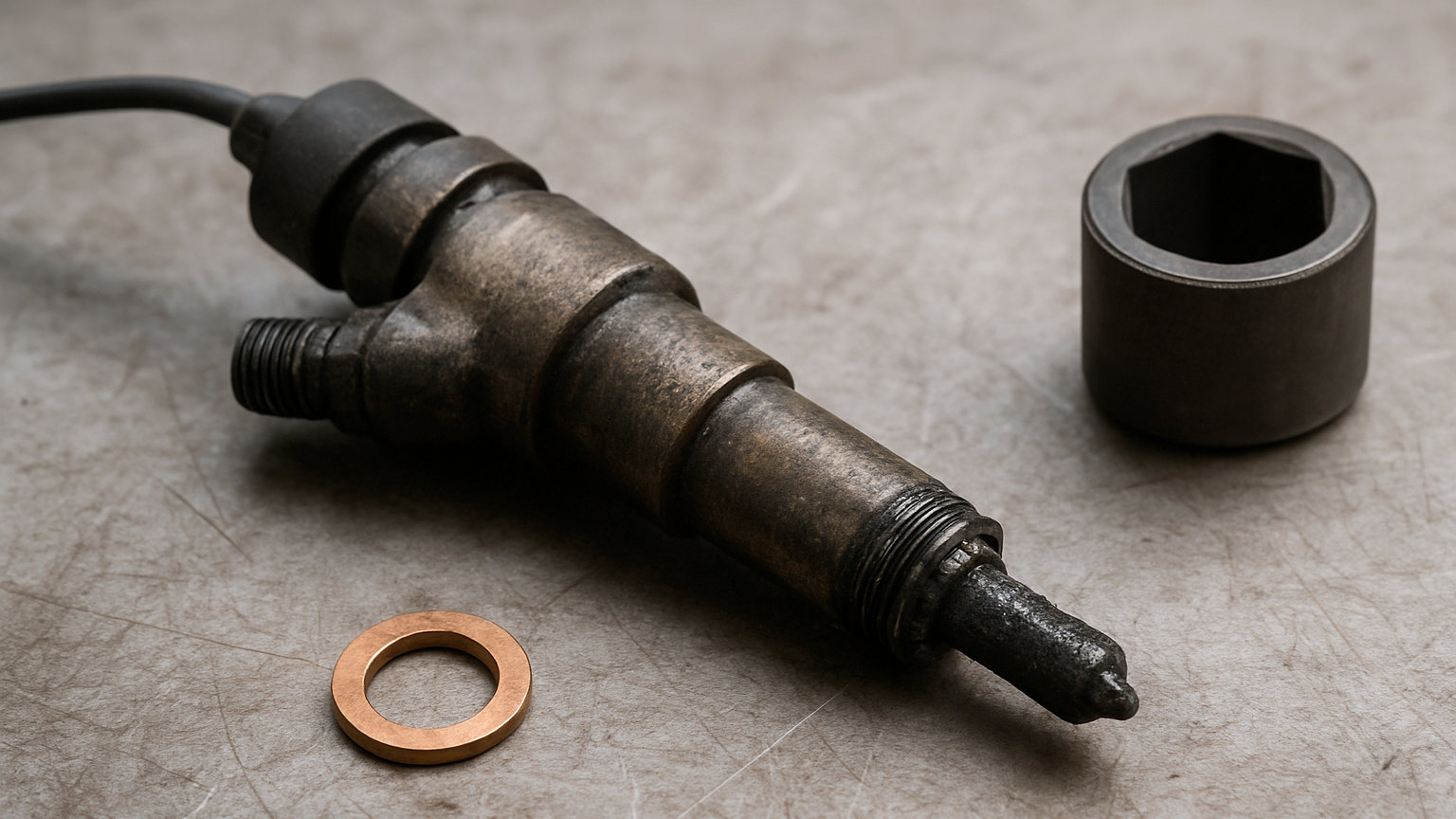
Diesel engines are noisy by nature. Compression ignition is a more abrupt event than a spark-lit flame front, and the characteristic clatter is the sound of that combustion happening in each cylinder. So the question is never whether a diesel rattles, but whether it rattles more than it did six months ago, and whether the change has arrived alongside anything else. Change is the symptom, not noise.
Why do diesels sound like that at all?
Fuel is injected into air that has been compressed until it is hot enough to ignite it, and combustion begins almost instantly across the whole charge rather than spreading gradually. That produces a very rapid pressure rise which the engine structure transmits as noise. Modern common rail engines reduce it with pilot injections that soften the pressure curve, which is why a modern diesel is far quieter than one from the nineties and why a fault affecting injection timing makes it noticeably harsher.
What does injector wear sound like?
Usually a harder, more metallic knock than the general clatter, sometimes concentrated at one point along the engine rather than spread evenly. It is often worse at idle and on light throttle, and it may be accompanied by a slight misfire, a smell of unburnt fuel, or more smoke than usual. A mechanic can read injector correction values on a diagnostic tool, which shows how much the engine management is compensating for each one and identifies a worn injector far more reliably than listening does.
Can fuel quality change the noise?
It can, and it is worth ruling out first because it is free. Diesel acts as the lubricant for the injection system, and poor quality or contaminated fuel increases both wear and noise. A car that became noticeably harsher within a tank of visiting an unfamiliar forecourt may simply be telling you about that fuel. Running the tank down and refilling at a busy station, ideally with a premium grade, is a sensible first move and occasionally solves the whole complaint.
Is it the timing chain rather than combustion?
Frequently, and this is the important distinction. Combustion clatter is present across the whole engine and rises with load. A timing chain rattle comes from the front or rear end of the engine, is worst in the first seconds after a cold start, and often disappears entirely once oil pressure builds. Several common diesel engines have well documented chain and tensioner problems, so the engine code is worth searching before assuming injectors, because the two repairs are very different in scale.
Do glow plugs affect the noise?
They do. Failed glow plugs leave the combustion chambers cold, which delays ignition and makes the initial pressure rise more violent, producing a rougher, louder and often uneven idle for the first minute after a cold start. If the harshness is confined to cold running, clears completely once warm, and comes with white smoke or a stumbling idle, glow plugs are a more likely explanation than injectors and a far cheaper one.
What about the oil?
Diesels are hard on oil, and oil that is overdue, low or of the wrong specification affects everything from chain tensioners to hydraulic lifters to injector operation on engines that use oil pressure to actuate them. Diesel oils also carry additives designed to hold soot in suspension, and once those are exhausted the oil becomes noticeably less effective. Checking the level and the service history is the first thing to do, because a fresh change with the correct specification is inexpensive and occasionally quietens the engine on its own.
When should you get it looked at?
When the change is recent and clear, when it comes with smoke, poor starting, a warning light or reduced economy, or when the noise is concentrated in one place rather than general. Have the fault codes read and the injector values checked before any parts are bought, since diesel injectors are expensive and replacing the wrong one is a mistake nobody wants to make twice.


